
Navigating the process of obtaining a Florida identification card can be a straightforward endeavor if you are well-prepared. Whether you are a new resident, a visitor requiring official documentation, or simply seeking a state-issued ID for convenience, understanding the requirements is paramount. This guide will walk you through the essential documents, procedures, and considerations to ensure a smooth application process for your Florida ID.
Understanding Florida Identification Requirements
A Florida identification card, often referred to as a Florida ID card, is a valuable document for individuals who do not possess a Florida driver’s license but need to prove their identity and age. It is issued by the Florida Department of Highway Safety and Motor Vehicles (FLHSMV). This card serves various purposes, from opening bank accounts and verifying age for entry into certain establishments to facilitating travel within the United States. It is a widely recognized form of identification and is crucial for establishing your presence and identity within the state.
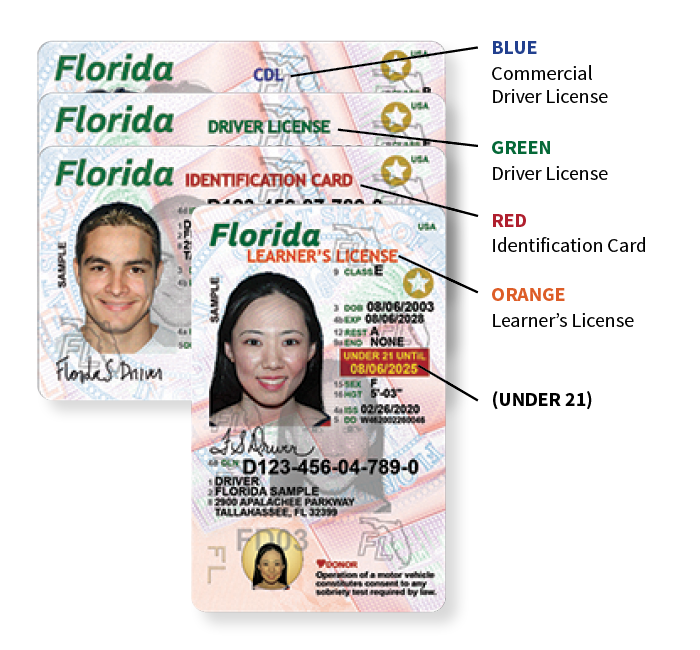
There are several types of identification cards available in Florida, each tailored to specific needs. The most common is the standard ID card, which is suitable for most residents. For individuals who are not U.S. citizens, there are also specific options available, requiring additional documentation to confirm legal presence. Understanding which type of ID best suits your situation will help streamline the application process.
The FLHSMV has established clear guidelines to ensure the integrity and security of its identification cards. These guidelines are designed to prevent identity fraud and ensure that all issued IDs are accurate and reliable. By adhering to these requirements, you contribute to the overall security and trustworthiness of the system.
Types of Florida Identification Cards
Florida offers a few distinct types of identification cards to cater to the diverse needs of its population:
- Standard Florida ID Card: This is the most common type of ID card, issued to Florida residents who are not eligible for or do not wish to obtain a driver’s license. It serves as a primary form of identification for a multitude of purposes.
- ID Card for Non-Citizens: This type of ID card is specifically designed for individuals who are not U.S. citizens but are legally residing in Florida. It requires proof of legal presence in the United States in addition to other standard documentation.
- Temporary Identification Card: In certain circumstances, a temporary ID card may be issued while the permanent card is being processed. This is less common for standard applications but might be relevant in specific situations.
The process for obtaining each type of ID card involves presenting specific documentation, which we will delve into further in the subsequent sections. It is essential to have all necessary paperwork in order before visiting a driver license service center to avoid delays.
Essential Documents for Your Florida ID Application
The cornerstone of obtaining a Florida ID card lies in presenting the correct documentation. The FLHSMV employs a system that requires individuals to prove their identity, date of birth, and legal presence in the United States. The specific documents needed can vary slightly depending on your circumstances, but there are core requirements that apply to most applicants.
The FLHSMV uses a system that typically requires at least two documents to establish identity and date of birth, and a separate document to prove Social Security number and legal presence. It is crucial to bring original documents or certified copies, as photocopies are generally not accepted.
Proving Your Identity and Date of Birth
To establish your identity and date of birth, you will need to present one of the following primary documents:
- Original Birth Certificate: This is the most widely accepted document for proving both identity and date of birth. It must be an original or a certified copy issued by the relevant state or county.
- Valid U.S. Passport: A current and valid U.S. passport is also a strong form of identification that fulfills these requirements.
- Consular Report of Birth Abroad: For individuals born abroad to U.S. citizens, this document serves as proof of birth.
- Certificate of Citizenship or Naturalization: These documents are issued by the U.S. Citizenship and Immigration Services (USCIS) and confirm your status as a U.S. citizen.
If you cannot provide one of the above, you may be able to use a combination of secondary documents, though this is less common for initial applications and may require further verification.
Verifying Your Social Security Number (SSN)
To verify your Social Security Number, you must present one of the following:
- Social Security Card: Your original Social Security card is the most direct proof.
- W-2 Form: A W-2 form from an employer that shows your full Social Security Number.
- SSA-1099 Form: An SSA-1099 form, which is a Social Security benefit statement.
- Non-SSA-1099 Form: Other acceptable IRS-issued tax forms that display your full Social Security Number.
If you do not have a Social Security Number, you may need to provide documentation from the Social Security Administration stating that you are not eligible for an SSN.
Establishing Legal Presence in Florida
For most applicants, proving legal presence in the United States is demonstrated through the documents already mentioned, such as U.S. passports, birth certificates, or naturalization papers. However, if you are a non-citizen, you will need to provide additional documentation to prove your legal status in the U.S. This may include:
- Valid Permanent Resident Card (Green Card): Issued by USCIS.
- Valid U.S. Visa and I-94 Form: For non-immigrant visa holders.
- Employment Authorization Document (EAD): Also known as a work permit.
It is crucial to ensure that your immigration documents are current and valid. Any discrepancies or expired documents can lead to delays or denial of your application.
Proof of Residential Address in Florida
While not always a separate requirement for the initial application for a Florida ID card for non-drivers, having proof of your residential address is essential for driver’s licenses and often a good practice to have ready. For individuals applying for a driver’s license, you are typically required to provide two proofs of residential address. These can include:
- Utility Bills: Gas, electric, water bills (dated within the last 31 days).
- Lease Agreement or Mortgage Statement: Current and valid.
- Bank Statements: Dated within the last 31 days.
- Mail from Government Agencies: Such as the IRS or Florida Department of Children and Families.
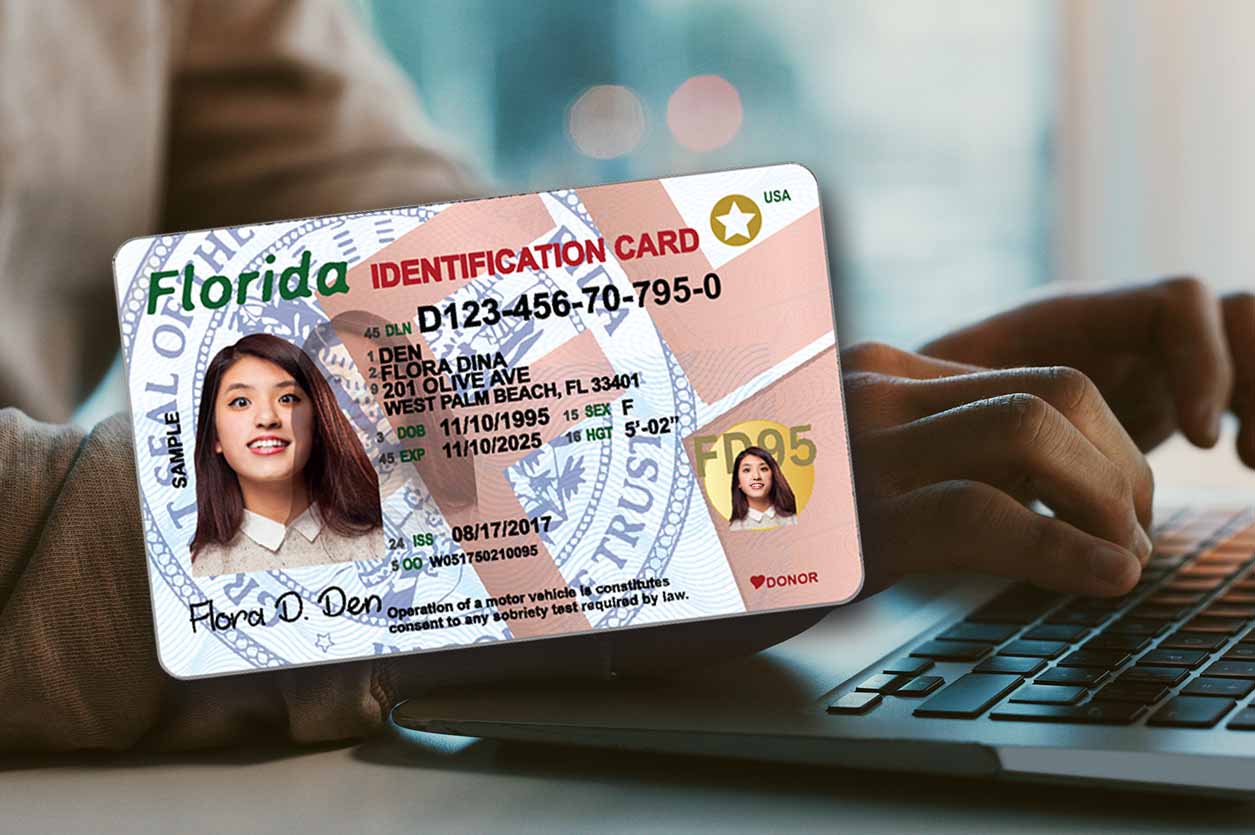
Even if not strictly mandated for a non-driver ID, it’s wise to have readily available documents that confirm where you live in Florida, as requirements can evolve, and some service centers may request it.
The Application Process: Step-by-Step
Once you have gathered all the necessary documentation, the next step is to navigate the application process itself. This typically involves visiting a Florida Driver License Service Center in person. Appointments are often recommended, and in some cases, may be mandatory, to minimize wait times.
Before heading to the service center, it is highly advisable to check the FLHSMV website for the most up-to-date information regarding appointment availability and required documents. This will save you valuable time and prevent unnecessary trips.
Scheduling an Appointment (Recommended)
Many Florida Driver License Service Centers operate on an appointment basis. Scheduling an appointment online or by phone can significantly reduce your waiting time. This allows the service center to manage its workflow efficiently and serve customers more effectively.
Visiting the Driver License Service Center
Upon arrival at the service center, you will typically begin by taking a number and waiting to be called to a customer service window. Be prepared for a potential wait, even with an appointment, as unexpected circumstances can arise.
Completing the Application Form
At the service window, you will be given a Florida Identification Card Application form (HSMV 71015). You will need to fill this out accurately and completely. Ensure all information provided matches the documentation you have presented.
Document Verification and Submission
You will then present all your original or certified documents to the service center staff. They will review your documents to verify your identity, date of birth, Social Security Number, and legal presence. This is a critical step, and any issues with your documentation will need to be resolved at this point.
Taking a Photograph and Providing Signatures
A digital photograph will be taken of you. This photo will appear on your Florida ID card. You will also be asked to provide your signature. This signature is also captured digitally and may be used for verification purposes.
Paying the Required Fees
There is a fee associated with obtaining a Florida ID card. The cost can vary depending on the type of ID and any applicable surcharges. Payment can typically be made by cash, check, or credit/debit card. It’s always a good idea to check the current fee schedule on the FLHSMV website or inquire at the service center beforehand.
Receiving Your Florida ID Card
After all the steps are completed and verified, your application will be processed. You will typically receive your Florida ID card by mail within a few weeks. In some cases, a temporary identification document may be issued to you on the spot while you await your permanent card.
Special Considerations for Specific Applicants
While the core requirements for a Florida ID card are consistent, certain groups of applicants may encounter specific considerations or need to provide additional documentation. Understanding these nuances can prevent complications during the application process.
Minors and Age Restrictions
Applicants under 18 years of age have slightly different requirements. They will need to provide parental consent. A parent or legal guardian must be present at the time of application and provide their own identification. The minor will still need to provide proof of identity and date of birth, often through a birth certificate.
Non-U.S. Citizens and Immigrants
As previously mentioned, non-U.S. citizens must provide documentation proving their legal presence in the United States. This is a crucial step and requires the most up-to-date immigration documents from USCIS. Any expired or invalid documents will result in the denial of the application. It is advisable for non-citizens to consult the FLHSMV website or contact them directly to ensure they have the most precise documentation requirements for their specific visa status or immigration category.
Replacement of Lost or Stolen IDs
If you have lost your Florida ID card or it has been stolen, you will need to apply for a replacement. The process is similar to obtaining a new ID, requiring you to visit a Florida Driver License Service Center with proof of identity and potentially proof of your Social Security Number. You will also need to complete an application for a replacement ID and pay the associated fees. Reporting a lost or stolen ID to the authorities is also a good practice.

Real ID Act Compliance
Florida, like all other states, is compliant with the federal Real ID Act. This means that the identification cards issued by Florida meet enhanced security standards. To obtain a REAL ID-compliant Florida ID, you will need to present more rigorous documentation to prove your identity, date of birth, Social Security number, and two proofs of residential address. These requirements are more stringent than for a non-REAL ID compliant card and are designed to create a more secure and standardized form of identification nationwide. When you apply for your Florida ID, you can opt for a REAL ID-compliant card, which will be marked with a star symbol. This card will be necessary for boarding domestic flights and entering certain federal facilities starting May 7, 2025.
By meticulously preparing your documents and understanding the application process, obtaining your Florida ID card should be a smooth and efficient experience. This essential document will serve you well as you navigate life in the Sunshine State, whether for everyday convenience or more specific official needs.
LifeOutOfTheBox is a participant in the Amazon Services LLC Associates Program, an affiliate advertising program designed to provide a means for sites to earn advertising fees by advertising and linking to Amazon.com. Amazon, the Amazon logo, AmazonSupply, and the AmazonSupply logo are trademarks of Amazon.com, Inc. or its affiliates. As an Amazon Associate we earn affiliate commissions from qualifying purchases.