
Navigating the process of obtaining a driver’s permit in Florida is a crucial step for many residents, marking the beginning of independent travel and exploration across the Sunshine State. Whether you’re a teenager eager to hit the road or an adult looking to obtain your first Florida license, understanding the requirements is paramount. This guide will demystify the process, detailing everything you need to know to successfully acquire your learner’s permit, ensuring a smooth and efficient experience.
Understanding Florida’s Graduated Driver Licensing (GDL) Program
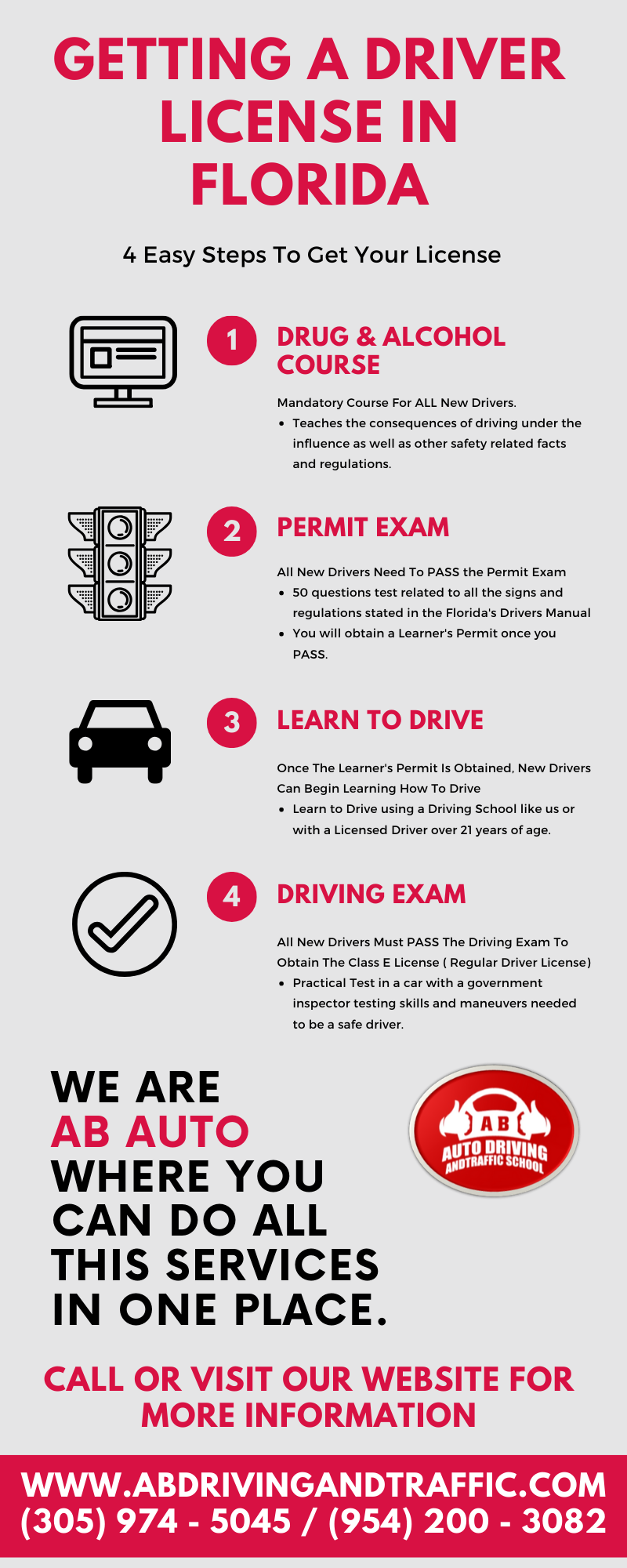
Florida’s Graduated Driver Licensing (GDL) program is designed to introduce new drivers to the road in a controlled and safe manner. This program is divided into stages, with the learner’s permit being the first. The GDL system aims to reduce the risk of crashes among young drivers by providing them with supervised driving experience before granting full licensing privileges.
Age Requirements for a Learner’s Permit
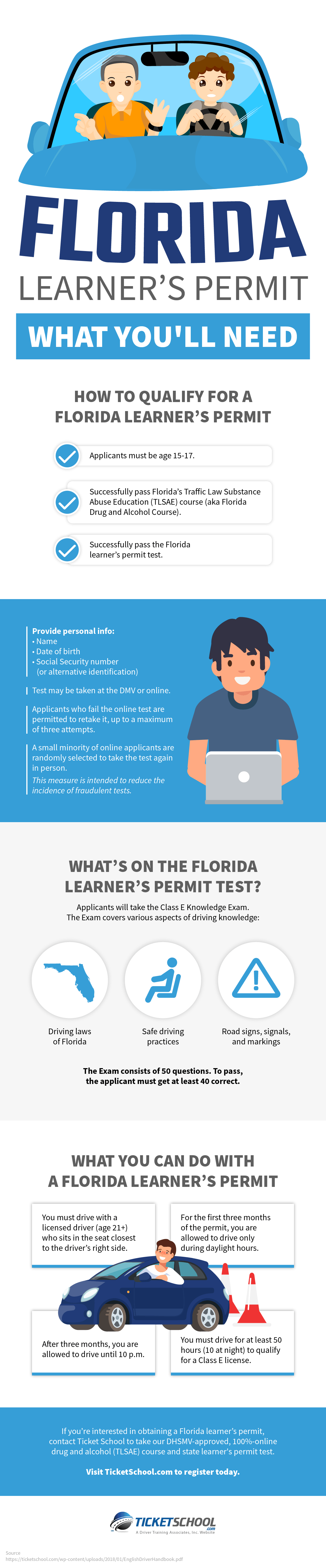
To be eligible for a learner’s permit in Florida, applicants must meet specific age criteria.
For Applicants Under 18 Years of Age:
- Age 15: You can obtain a learner’s permit if you are at least 15 years old. However, there are significant restrictions that accompany this permit, primarily involving supervised driving.
- Age 16: At 16, you can progress to a restricted driver’s license, often referred to as an intermediate license, provided you have held your learner’s permit for at least one year and have completed specific driver education requirements.
- Age 17: By 17, you can obtain a full driver’s license, again contingent on fulfilling the GDL program’s prerequisites.
For Applicants 18 Years of Age and Older:
- Individuals aged 18 and above are not subject to the GDL program’s graduated stages in the same way as minors. They can apply for a learner’s permit and subsequently a full driver’s license once they pass the required tests. The primary difference is the absence of mandatory time restrictions on permit holding and driving curfews often associated with the GDL program for younger drivers.
Essential Documentation for Permit Application
Gathering the correct documentation is a critical step in the permit application process. Florida requires specific forms of identification to verify your identity, date of birth, and residency. It is crucial to have these documents prepared before visiting a Florida Department of Highway Safety and Motor Vehicles (FLHSMV) service center.
Proof of Identity and Date of Birth:
You will need to present one of the following original documents:
- U.S. Birth Certificate: A certified copy of your birth certificate is a common and acceptable form of identification.
- Valid U.S. Passport: A current and valid U.S. passport serves as proof of both identity and citizenship.
- Consular Report of Birth Abroad: This document can also be used to establish identity and date of birth for those born outside the U.S.
- Certificate of Citizenship or Naturalization: For those who have become U.S. citizens, these documents are essential.
Proof of Social Security Number:
You must also provide proof of your Social Security number. Accepted documents include:
- Social Security Card: Your original Social Security card is the most straightforward proof.
- W-2 Form: A W-2 tax form that displays your Social Security number is also acceptable.
- SSA-1099 Form: This form, issued by the Social Security Administration, can also be used.
Proof of Residential Address in Florida:
Demonstrating that you reside in Florida is a mandatory requirement. You will need to provide at least two original documents from separate sources that show your Florida residential address. These can include:
- Utility Bills: Recent bills from providers like Florida Power & Light or AT&T that are less than two months old.
- Bank Statements: Statements from your financial institution, also within the last two months.
- Deeds or Rental Agreements: Documents proving homeownership or rental agreements.
- School Records: Official transcripts or report cards from a Florida school.
- Medical Bills: Recent bills from healthcare providers.
- Employment Records: Pay stubs or letters from your employer confirming your address.
It is vital to ensure that the name on all documents matches your legal name exactly. If there are discrepancies, you may need to provide additional documentation, such as a marriage certificate or court order for a name change.
The Knowledge Test and Vision Test
Once you have your documentation in order, the next steps involve successfully passing the required tests administered by the FLHSMV.
The Written Knowledge Test
The written knowledge test assesses your understanding of Florida’s traffic laws, road signs, and safe driving practices. It is crucial to study the official Florida Driver Handbook, which is readily available on the FLHSMV website. The handbook covers all the information you need to pass the test.
- Test Format: The test typically consists of multiple-choice questions.
- Passing Score: You must answer a minimum number of questions correctly to pass. The exact number can vary, but it’s essential to aim for a high score by thoroughly reviewing the handbook.
- Preparation: Many resources, including online practice tests, are available to help you prepare. These can simulate the real test experience and highlight areas where you need more study.
The Vision Test
The vision test ensures that your eyesight meets the minimum requirements for safe driving. This test is conducted at the FLHSMV service center.
- Requirements: You will be asked to read letters on a standard eye chart.
- Corrective Lenses: If you wear glasses or contact lenses, you must bring them to the appointment. The permit issued will then have a restriction indicating that you must wear corrective lenses while driving.
- Eye Doctor Examination: If you have concerns about your vision or fail the initial test, you may be required to obtain a vision exam from a licensed eye doctor and submit the results.
Completing the Required Driver Education Course
For applicants under 18 years of age, completing a state-approved traffic law and substance abuse education course is a mandatory prerequisite for obtaining a learner’s permit.
Approved Traffic Law and Substance Abuse Education Courses
These courses are designed to educate young drivers about the dangers of impaired driving, the consequences of traffic violations, and essential traffic laws.
- Course Providers: You can find a list of authorized course providers on the FLHSMV website. These courses can be taken online or in person.
- Certificate of Completion: Upon successful completion of the course, you will receive a certificate. This certificate must be presented at the FLHSMV service center when you apply for your permit.
- Parental Involvement: While the course focuses on the applicant, it’s often beneficial for parents or guardians to be involved in discussions about the material covered, reinforcing safe driving habits.
The Application Process at the FLHSMV Service Center
With all your documents, test results, and course completion certificate (if applicable) in hand, you are ready to visit an FLHSMV service center to officially apply for your learner’s permit.
Scheduling an Appointment
While walk-ins are sometimes accommodated, it is highly recommended to schedule an appointment online through the FLHSMV website. This can significantly reduce your waiting time and ensure a more efficient visit.
What to Expect at the Service Center
Upon arrival at the service center, you will:
- Submit Documentation: Present all your original required documents to the customer service representative.
- Complete Application Forms: You will likely fill out an application for a driver’s license or permit.
- Pay Fees: There are fees associated with obtaining a learner’s permit. The current fee schedule can be found on the FLHSMV website. Payment is typically accepted in the form of cash, check, or credit card.
- Have Your Photograph Taken: Your photograph will be taken for your permit.
- Provide Fingerprints: Fingerprints may be taken as part of the application process.
- Receive Your Learner’s Permit: Once all requirements are met and approved, you will be issued your Florida learner’s permit.
Restrictions and Responsibilities of a Learner’s Permit Holder
Holding a learner’s permit comes with specific responsibilities and driving restrictions designed to ensure your safety and the safety of others on the road.
Driving Restrictions for Permit Holders Under 18
For drivers under 18, the GDL program imposes several restrictions:
- Supervised Driving: You must be accompanied and supervised by a licensed driver who is at least 21 years old and holds a valid Class E driver’s license. This supervising driver must occupy the front passenger seat.
- Driving Hours: There are restrictions on when you can drive unsupervised. Typically, drivers under 17 are prohibited from driving between 11 p.m. and 6 a.m. unless accompanied by a licensed driver meeting the above criteria or for specific work-related or school-related reasons.
- Passenger Limitations: Generally, there are restrictions on the number and age of passengers you can have in the vehicle, especially during unsupervised driving periods.
Driving Responsibilities for All Permit Holders
Regardless of age, all permit holders have fundamental responsibilities:
- Adherence to Traffic Laws: You must obey all traffic laws, signs, and signals.
- Safe Driving Practices: Practice defensive driving techniques and remain attentive at all times.
- Understanding of Restrictions: Be fully aware of and comply with all restrictions associated with your permit.
Moving Forward: From Permit to Full License
Obtaining your learner’s permit is just the first step. The GDL program, and the general licensing process, requires continued learning and practice.
The Intermediate Driver’s License (For Minors)
Once you have held your learner’s permit for at least one year and are at least 16 years old, and have completed at least 50 hours of supervised driving (including 10 hours of night driving), you can apply for an intermediate driver’s license. This license comes with fewer restrictions but still includes limitations on driving hours and passengers for younger drivers.
The Full Driver’s License
The final stage is obtaining a full Class E driver’s license. For minors, this typically occurs at age 17 after successfully navigating the intermediate license stage. For adults, after holding a learner’s permit for a specified period and passing the driving skills test, they can transition to a full license without the GDL program’s graduated restrictions.
The journey to becoming a licensed driver in Florida is a structured process. By understanding and diligently fulfilling each requirement – from documentation and education to passing the necessary tests – you can confidently navigate your way to obtaining your learner’s permit and embarking on your driving adventures across the beautiful state of Florida.
LifeOutOfTheBox is a participant in the Amazon Services LLC Associates Program, an affiliate advertising program designed to provide a means for sites to earn advertising fees by advertising and linking to Amazon.com. Amazon, the Amazon logo, AmazonSupply, and the AmazonSupply logo are trademarks of Amazon.com, Inc. or its affiliates. As an Amazon Associate we earn affiliate commissions from qualifying purchases.