
The question “What Happened To Florida State University?” might conjure images of dramatic athletic collapses or academic scandals. However, for those keenly observing the landscape of higher education, particularly within the realm of tourism and its impact on university towns, the narrative surrounding Florida State University (FSU) is far more nuanced. It’s a story of evolution, adaptation, and the intricate interplay between a major public institution and the vibrant ecosystem of tourism that often surrounds it. This exploration delves into the multifaceted “happening” at FSU, focusing not on a singular event, but on its ongoing transformation as a key contributor to and beneficiary of the tourism industry, particularly in Tallahassee, the capital city it calls home.

FSU’s Evolving Role in Tallahassee’s Tourism Landscape
Florida State University is more than just an academic institution; it is a significant cultural and economic anchor for Tallahassee. Its presence shapes the city’s identity, influences its infrastructure, and directly impacts its tourism appeal. The university’s football program, for instance, with its iconic Seminoles, draws tens of thousands of visitors to the city on game days, filling hotels, restaurants, and local attractions. This surge in temporary population is a critical component of Tallahassee’s tourism economy, particularly during the fall months.
The Economic Ripple Effect of Game Days
Game days at Doak Campbell Stadium are essentially mini-festivals. Beyond ticket sales, the economic impact is felt broadly. Hotels within and around Tallahassee report near-full occupancy. Restaurants and bars experience a significant uptick in business, catering not only to students and faculty but also to alumni and visiting fans. The economic engine that FSU football ignites extends to local businesses, from souvenir shops to transportation services, showcasing the university’s potent influence on the local tourism sector. This recurring influx of visitors contributes a substantial, albeit seasonal, boost to the city’s revenue, supporting jobs and fostering a lively atmosphere that can, in turn, attract longer-term tourism.
Beyond Athletics: Cultural and Educational Tourism
While athletics often dominate the conversation, FSU contributes to Tallahassee’s tourism in numerous other ways. The university hosts a variety of cultural events throughout the year, including concerts, theatrical performances, art exhibitions, and guest lectures, many of which are open to the public or attract visiting scholars and enthusiasts. The Fine Arts Building and the University Center Gallery serve as cultural hubs, drawing patrons from within and outside the city. These events, while perhaps not generating the same volume of immediate economic impact as football games, cultivate a richer, more diverse cultural tourism experience for Tallahassee. Prospective students and their families also form a significant segment of FSU’s visitor base, engaging in campus tours and experiencing the university’s environment, which indirectly promotes Tallahassee as a desirable destination.
FSU’s Impact on Tallahassee’s Identity and Infrastructure
The physical and cultural landscape of Tallahassee is inextricably linked to Florida State University. The university’s expansion and development have shaped the urban fabric, influencing everything from transportation networks to the demand for hospitality services.

Campus Development and Urban Integration
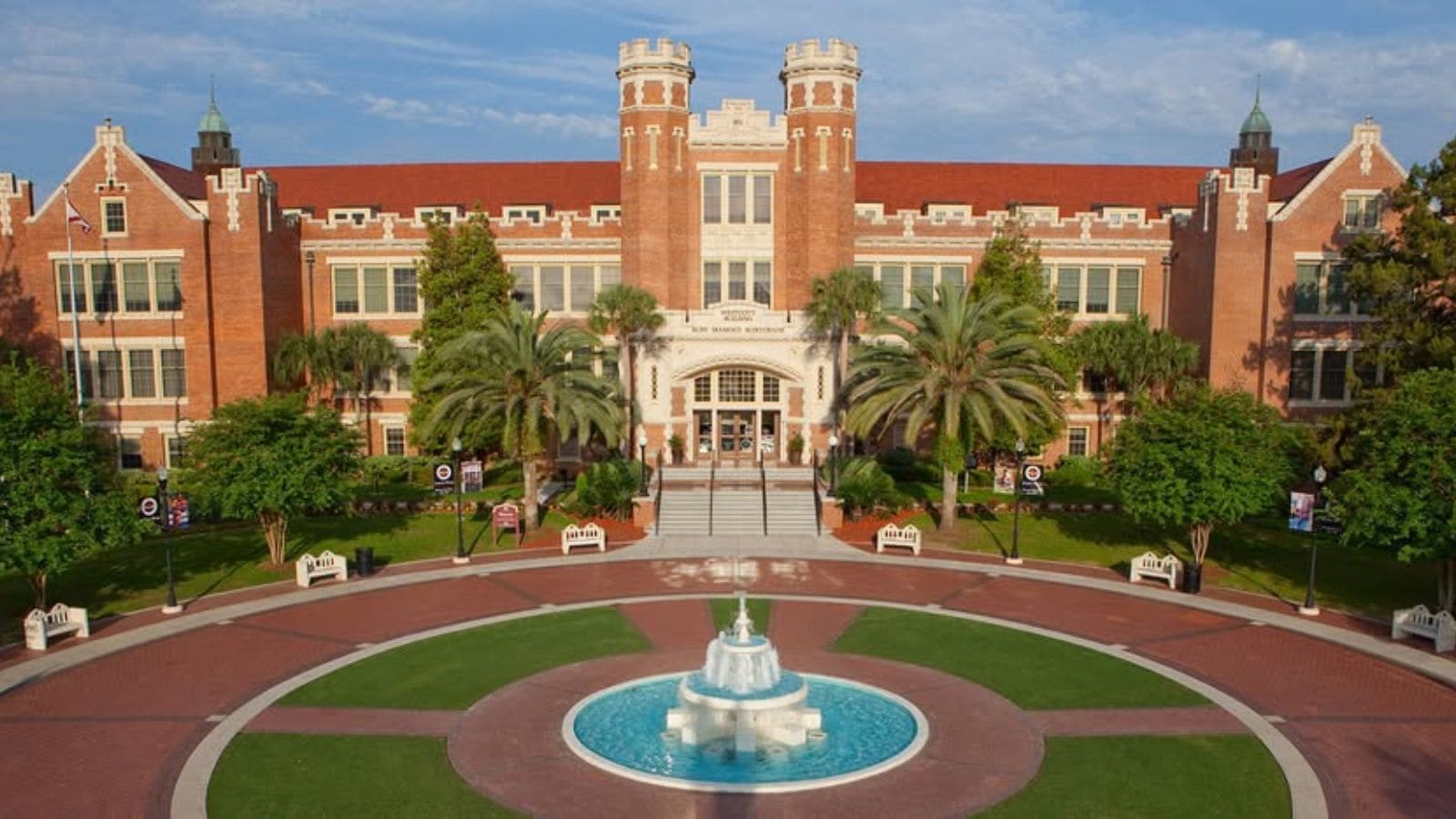
As Florida State University grows, so too does the need for infrastructure that supports its student population, faculty, and the visitors they attract. The university’s master plans often intersect with the city’s urban planning initiatives. Developments around campus, such as new student housing complexes and academic buildings, can spur related commercial development, including hotels, restaurants, and retail spaces that cater to both the university community and tourists. The integration of the campus into the city, and vice versa, creates a dynamic environment that is attractive to visitors seeking a blend of academic charm and urban vibrancy.
The “College Town” Experience
Tallahassee embodies many characteristics of a quintessential college town, and FSU is at its heart. This designation itself is a draw for a certain type of tourist – those interested in experiencing the energy of a university community, attending sporting events, or visiting alma maters. The surrounding neighborhoods, often populated by students and university staff, develop a distinct character that can be appealing to visitors looking for a more local, less resort-centric experience. This “college town” vibe, fueled by FSU, contributes to Tallahassee’s unique tourism identity, differentiating it from other Florida destinations.
The Future of FSU and its Tourism Connections
The narrative of “what happened to Florida State University” in relation to tourism is not a static one; it is a continuous story of adaptation and growth. As higher education evolves and the tourism industry shifts, FSU and its host city will undoubtedly continue to navigate these changes.
Adapting to Modern Tourism Trends
Florida State University is increasingly aware of its role in the broader tourism ecosystem. This awareness translates into strategies that can enhance the visitor experience and further leverage the university’s assets for tourism. Partnerships with local tourism boards, the development of university-branded hotels or hospitality training programs, and the promotion of campus events to a wider audience are all potential avenues for growth. The university’s commitment to sustainability and community engagement also plays a role, appealing to a growing segment of travelers who prioritize responsible tourism.
The Interplay with Other Florida Destinations
Florida State University is situated within a state renowned for its tourism. While Tallahassee may not boast the theme parks of Orlando or the beaches of Miami, its unique offerings, heavily influenced by FSU, create a distinct niche. Visitors may choose Tallahassee as a destination for its historical significance (as the state capital), its burgeoning arts scene, and, of course, its vibrant university life. The university’s ability to offer a different kind of Florida experience – one steeped in academia, southern charm, and spirited athletics – ensures its continued relevance in the state’s diverse tourism landscape. The “happening” at FSU, therefore, is an ongoing process of enriching its environment, attracting visitors, and solidifying its place as a vital contributor to Tallahassee’s enduring appeal.
LifeOutOfTheBox is a participant in the Amazon Services LLC Associates Program, an affiliate advertising program designed to provide a means for sites to earn advertising fees by advertising and linking to Amazon.com. Amazon, the Amazon logo, AmazonSupply, and the AmazonSupply logo are trademarks of Amazon.com, Inc. or its affiliates. As an Amazon Associate we earn affiliate commissions from qualifying purchases.