
The allure of the Sunshine State is undeniable. With its pristine beaches, vibrant cultural scene, and a lifestyle that many dream of, Florida has long been a sought-after destination for both vacationers and permanent residents. For those considering a long-term stay or establishing roots in Florida, understanding the financial implications is paramount. Among the various considerations, the Florida homestead exemption stands out as a critical piece of knowledge, particularly for property owners. This exemption is not merely a bureaucratic detail; it’s a significant financial benefit that can directly impact your cost of living and your ability to acquire and maintain property in this desirable locale.
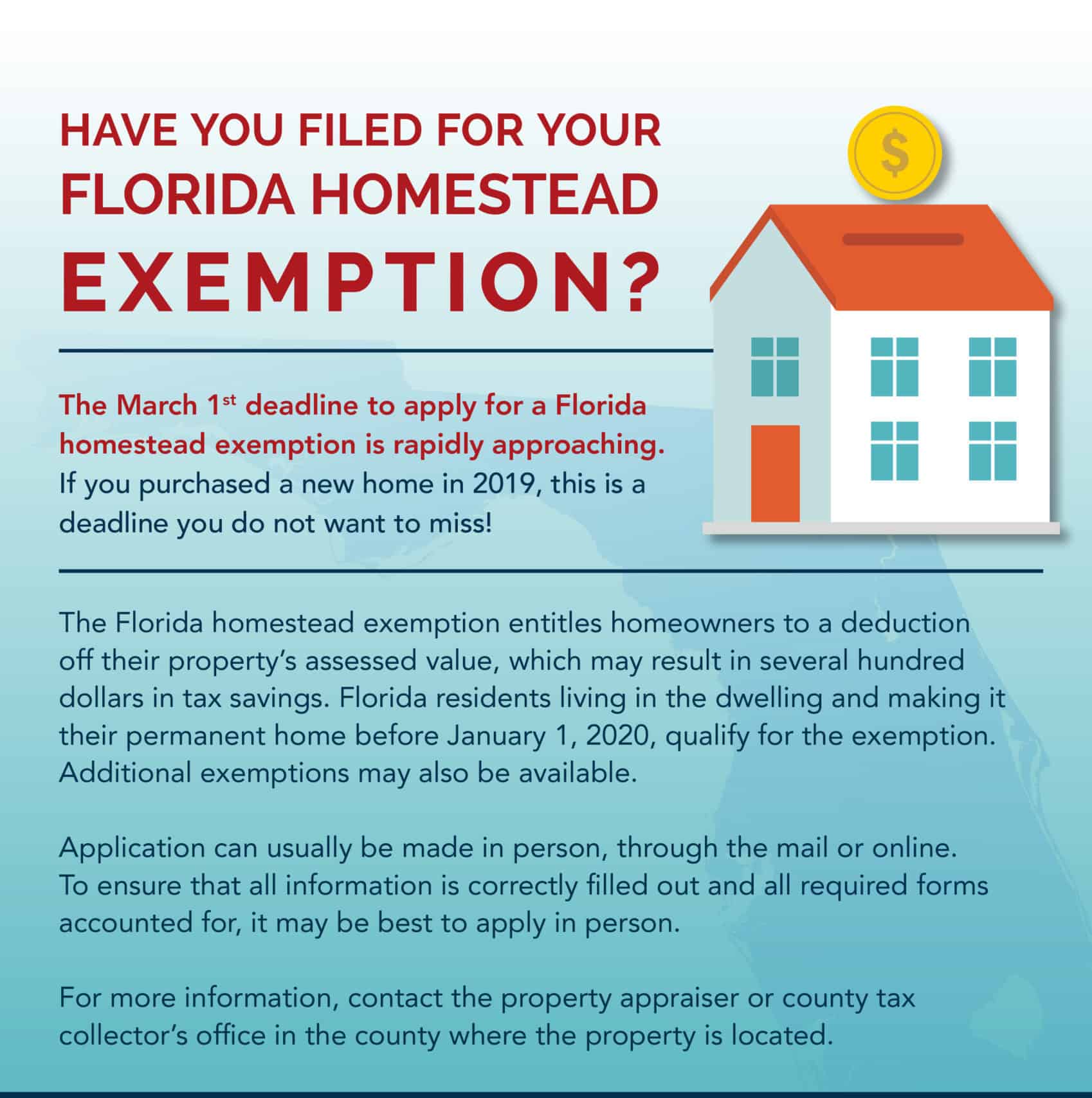
While the term “homestead” might conjure images of pioneers and undeveloped land, in modern Florida real estate, it signifies a legal status granted to primary residences that offers substantial protections and financial advantages. It’s a concept rooted in the state’s constitution, designed to safeguard homeowners from financial ruin and encourage stable residency. Understanding its intricacies is essential for anyone looking to make Florida their home, whether they are retirees enjoying the warmth of cities like Miami or Orlando, young families settling in suburban areas, or individuals drawn to the coastal living of Tampa or St. Petersburg.
Understanding the Core Benefits of Homestead Status
The Florida homestead exemption is multifaceted, offering two primary categories of benefits: property tax relief and protection from creditors. These advantages are not automatic; they require an application process, but the rewards can significantly alleviate the financial burden of homeownership.
Property Tax Reductions
The most tangible benefit for many Florida homeowners is the reduction in property taxes. This is achieved through two distinct but related provisions: the general homestead exemption and the additional homestead exemption for seniors.
The General Homestead Exemption
This exemption reduces the taxable value of your home. In Florida, property taxes are calculated based on the assessed value of your property, which is typically a percentage of its market value. The general homestead exemption directly lowers this assessed value, thereby reducing the amount of tax you owe. For instance, if your home is assessed at $300,000 and the general homestead exemption is $25,000, your property will be taxed as if it were worth $275,000. While this might seem like a fixed amount, its impact grows over time as property values increase and tax rates fluctuate. This benefit is available to any Florida resident who owns and occupies their home as their primary residence on January 1st of the tax year. It’s a foundational benefit that makes homeownership more affordable across the state, from the bustling streets of Jacksonville to the tranquil shores of the Florida Keys.
The Additional Homestead Exemption for Seniors
For homeowners aged 65 and older who meet certain income limitations, Florida offers an additional homestead exemption. This exemption further reduces the taxable value of their home, providing much-needed relief to those on fixed incomes. The specific amount of this additional exemption can vary by county, but it is designed to ensure that seniors can continue to afford to live in their homes as they age. This can be particularly impactful in popular retirement destinations like Naples or Fort Myers, where property values can be substantial. It’s a testament to Florida’s commitment to supporting its senior population, allowing them to enjoy their golden years without the overwhelming pressure of rising property taxes.
Portability of Homestead Tax Benefits
A crucial aspect of the Florida homestead exemption for property tax purposes is its portability. If you sell your homesteaded property and purchase a new primary residence in Florida, you can transfer your accumulated tax savings to your new home. This feature is particularly beneficial for individuals who may need to move for family, health, or other reasons, ensuring that they don’t lose the tax benefits they’ve earned. This portability encourages long-term investment in Florida communities and provides a degree of financial stability for homeowners looking to upgrade or downsize within the state. It means that the value of your homestead protection isn’t tied to a single property but rather to your status as a Florida homeowner.
Protection from Creditors
Beyond tax benefits, the Florida homestead exemption provides robust protection for your primary residence against the claims of most creditors. This is a significant aspect of the exemption, offering a crucial safety net for homeowners.
Limits of Protection
The homestead exemption protects a certain amount of equity in your home from being seized by creditors to satisfy debts. This protection applies to debts incurred after the homestead status is established. However, it is important to note that there are exceptions. The homestead exemption does not protect your home from:
- Mortgage Liens: If you fail to pay your mortgage, the lender can foreclose on your home, regardless of homestead status. This is because the mortgage is a lien specifically placed on the property by the homeowner’s voluntary agreement.
- Property Tax Liens: Similarly, if you fail to pay your property taxes, the government can place a lien on your home and eventually foreclose.
- Mechanic’s Liens: These arise from work performed on your property, such as construction or repairs, if the contractor is not paid.
- Certain Federal Liens: Liens for federal taxes, such as IRS tax debts, may supersede homestead protections.
- Debts Incurred Before Homestead Establishment: Debts that existed prior to the establishment of homestead status may not be subject to the same level of protection.
Unlimited Protection for Primary Residence
A key feature of the Florida homestead exemption is that it offers unlimited protection of the equity in your primary residence, provided certain conditions are met. This means that even if your home is worth millions and you have significant equity, that equity is protected from most judgment creditors. This stands in contrast to many other states, which cap the amount of equity protected. This unlimited protection is a powerful incentive for individuals and families to establish their permanent residence in Florida, offering a high degree of financial security. It makes Florida an attractive domicile for individuals with substantial assets, as it shields their primary home from potential financial disputes. This provision has been instrumental in making Florida a favorable state for individuals and families seeking financial stability.
Eligibility Requirements for the Florida Homestead Exemption
To qualify for the benefits of the Florida homestead exemption, prospective homeowners must meet specific criteria. These requirements are designed to ensure that the exemption is utilized by bona fide residents who truly consider Florida their permanent home.
Primary Residence
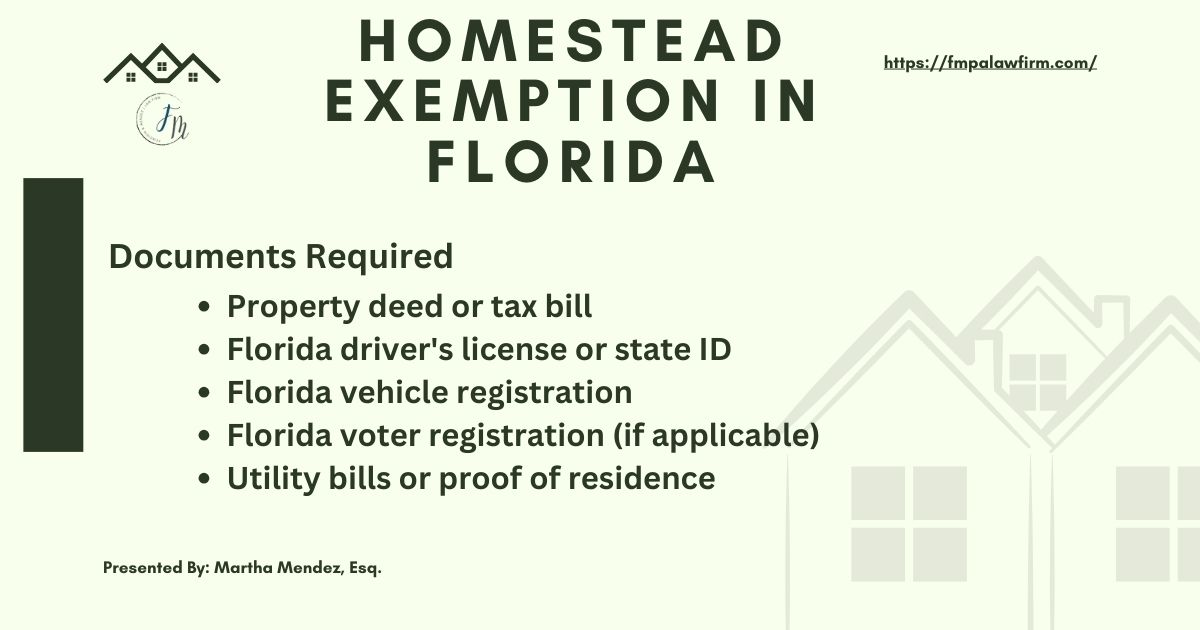
The most fundamental requirement is that the property must be your permanent residence. You cannot claim the homestead exemption on a vacation home, a rental property, or any other residence that is not your primary dwelling. This means you must live in the home for the majority of the year. Proving residency can involve various forms of documentation, such as driver’s licenses, vehicle registrations, voter registration, and utility bills, all bearing the address of the property for which the exemption is claimed.
Ownership and Occupancy
You must own the property and occupy it as your primary residence on January 1st of the tax year for which you are applying. This means that if you purchase a home on January 2nd, you would not be eligible for the homestead exemption for that tax year. The property must be yours and you must be living in it by the specified date. This requirement ensures that individuals are not acquiring property solely for the purpose of claiming the exemption.
Single Application Per Person
An individual can only claim the homestead exemption on one property. You cannot claim it on multiple residences, even if you own them. This reinforces the “primary residence” stipulation.
Specific Situations and Nuances
There are some specific situations that warrant further clarification:
- New Construction: If you are building a new home, you can apply for the homestead exemption once the property is your primary residence and it is ready for occupancy.
- Death of a Spouse: If a spouse passes away, the surviving spouse who continues to live in the homesteaded property can typically maintain the homestead exemption.
- Mobile Homes: Mobile homes permanently affixed to land owned by the homeowner can qualify for the homestead exemption.
- Land Appurtenant: The exemption generally extends to the land on which the home is situated, within certain size limitations (typically one-half acre in a municipality and up to 160 acres outside of a municipality).
The Application Process and Key Considerations
Securing the Florida homestead exemption involves a straightforward application process, but it’s crucial to adhere to deadlines and gather the necessary documentation.
Where and When to Apply
Applications for the homestead exemption are typically filed with the Property Appraiser’s office in the county where the property is located. The application period usually opens on January 1st and closes on March 1st of each year for the tax year beginning January 1st. It is advisable to apply as early as possible within this window.
Required Documentation
While specific requirements may vary slightly by county, common documentation needed includes:
- A valid Florida driver’s license or Identification Card with the property address.
- A Florida vehicle registration showing the property address.
- A Florida voter registration card showing the property address.
- Proof of ownership (e.g., a deed).
- Social Security numbers for all owners applying for the exemption.
- For married applicants, a spouse’s Social Security number is usually required.
- For applicants over 65 seeking the additional exemption, proof of age is necessary.
Maintaining Your Homestead Status
Once granted, the homestead exemption generally renews automatically each year. However, it is your responsibility to notify the Property Appraiser’s office if your circumstances change in a way that disqualifies you from the exemption. This includes moving out of the home, renting it out long-term, or acquiring another primary residence elsewhere. Failure to do so could result in penalties and back taxes.

Why the Florida Homestead Exemption Matters to Homeowners and Visitors
The Florida homestead exemption is more than just a tax break; it’s a cornerstone of Florida‘s property ownership landscape. For potential residents, it represents a significant financial advantage that can make the dream of living in the Sunshine State more attainable. For those already residing in Florida, it provides essential financial security and protection.
For individuals considering purchasing property, whether it’s a primary residence in Orlando, a vacation condo in Fort Lauderdale, or a retirement villa in Punta Gorda, understanding the homestead exemption is crucial. It can influence budgeting, property selection, and the overall financial feasibility of your move. It’s a feature that distinguishes Florida from many other states, offering a compelling reason to establish residency.
Furthermore, the creditor protection aspect of the homestead exemption provides a unique level of financial security. This can be particularly appealing to individuals with significant assets or those concerned about potential lawsuits. The unlimited equity protection ensures that your primary home, the largest investment for most individuals, is a secure haven.
In conclusion, the Florida homestead exemption is a vital component of Florida residency for property owners. It offers substantial property tax relief and robust protection against creditors, making Florida an attractive and financially secure place to call home. Thoroughly understanding its provisions and diligently applying for it can lead to significant financial benefits and peace of mind for homeowners across the state.
LifeOutOfTheBox is a participant in the Amazon Services LLC Associates Program, an affiliate advertising program designed to provide a means for sites to earn advertising fees by advertising and linking to Amazon.com. Amazon, the Amazon logo, AmazonSupply, and the AmazonSupply logo are trademarks of Amazon.com, Inc. or its affiliates. As an Amazon Associate we earn affiliate commissions from qualifying purchases.