
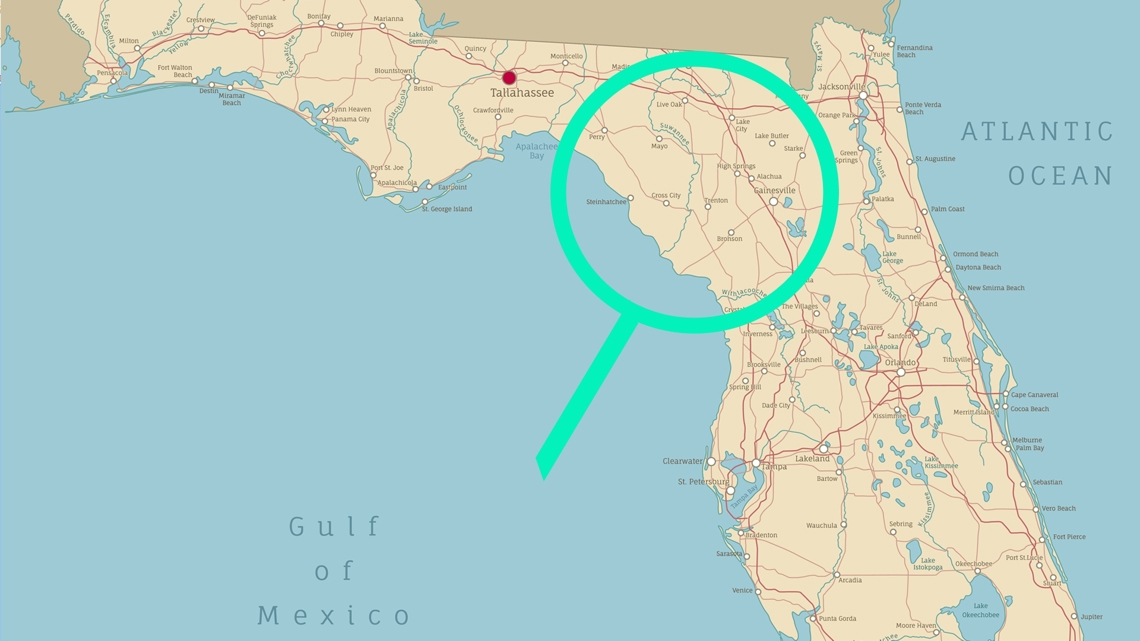
The term “Florida Big Bend” evokes images of untouched coastlines, sprawling natural landscapes, and a slower pace of life, a stark contrast to the bustling metropolises of South Florida. Geographically, it refers to the region of Florida where the northern panhandle curves southward to meet the western side of the peninsula, encompassing a significant stretch of the Gulf of Mexico coastline. This unique area is characterized by its remarkably undeveloped shores, extensive marshes, and a rich tapestry of natural resources that have remained largely preserved, offering a distinct and authentic Florida experience for those seeking an escape from the ordinary.

A Geographic and Ecological Jewel
The Florida Big Bend is more than just a geographical marker; it is a vital ecological corridor and a place of exceptional natural beauty. The region is defined by its long, relatively straight coastline, stretching from just south of Apalachicola in the west to the waters near Crystal River in the south. Unlike the sandy, developed beaches found elsewhere in the state, the Big Bend is dominated by salt marshes, tidal flats, and mangrove forests, creating a unique estuarine environment. This habitat is crucial for a vast array of wildlife, making it a haven for nature enthusiasts, birdwatchers, and anglers.
The Untamed Coastline
The defining feature of the Florida Big Bend is its largely undeveloped coastline. Here, you won’t find rows of high-rise hotels or crowded beachfronts. Instead, the landscape is characterized by vast expanses of salt marsh, intertidal zones, and shallow bays. This environment is a critical nursery for numerous marine species and provides essential foraging grounds for a diverse population of birds, including wading birds like herons, egrets, and spoonbills, as well as migratory species. Kayakers and paddleboarders can explore the intricate network of waterways, observing nature up close without the intrusion of commercial development.
Vital Estuarine Ecosystems
The Florida Big Bend boasts some of the most extensive and pristine estuarine systems on the United States coastline. These marshes and bays are where freshwater rivers meet saltwater from the Gulf of Mexico, creating nutrient-rich environments that support a thriving ecosystem. These areas are critical breeding and feeding grounds for a multitude of marine life, including redfish, trout, and flounder, making the region a world-renowned destination for saltwater fishing. The health of these estuaries is paramount, and conservation efforts are actively working to protect this delicate balance.
Biodiversity Hotspot
The ecological significance of the Florida Big Bend cannot be overstated. The region is a critical stopover point for migratory birds along the Atlantic Flyway and supports a rich diversity of resident bird species. It is also a vital habitat for manatees, with areas like Crystal River being a primary refuge for these gentle giants, particularly during the cooler months. Marine mammals, such as dolphins, are also commonly sighted in the coastal waters. The landward side of the Big Bend transitions into diverse habitats including pine flatwoods, cypress swamps, and hardwood hammocks, supporting a variety of terrestrial wildlife.
Experiencing the Big Bend: A Naturalist’s Paradise
The appeal of the Florida Big Bend lies in its commitment to preserving its natural heritage and offering experiences that connect visitors with the environment. This is a destination for those who appreciate the quiet beauty of nature, the thrill of spotting wildlife, and the satisfaction of exploring a region that has retained its authentic character.
Wildlife Encounters
The Florida Big Bend offers unparalleled opportunities for wildlife viewing. One of the most iconic experiences is swimming or observing manatees in their natural habitat. Crystal River and its surrounding springs are renowned for manatee encounters, especially during the winter months when the warm spring waters draw these marine mammals. Guided tours are available, emphasizing respectful observation and interaction. Birdwatching is another major draw, with the marshes and coastal areas attracting a spectacular array of species. Bring your binoculars and be prepared to be amazed by the sheer volume and diversity of avian life. Dolphin tours are also popular, offering a chance to see these intelligent creatures in their natural environment.
Fishing and Boating Adventures
For anglers, the Florida Big Bend is a true paradise. The shallow, fertile waters teem with popular sport fish, making it ideal for inshore fishing. Redfish, sea trout, and snook are common targets for anglers casting lures or bait in the flats and oyster beds. The region also offers excellent opportunities for offshore fishing in the deeper waters of the Gulf of Mexico. Boating enthusiasts will find numerous access points and opportunities to explore the intricate network of bays, rivers, and intracoastal waterways. Whether you’re looking for a challenging fishing trip or a leisurely cruise, the waters of the Big Bend offer endless possibilities.
Paddling Through Pristine Waters
Kayaking and paddleboarding are arguably the best ways to experience the intimate beauty of the Florida Big Bend. The calm, shallow waters of the marshes and bays are perfect for paddling, allowing you to glide through seagrass beds and explore hidden coves. Many outfitters offer kayak rentals and guided eco-tours that delve into the unique ecology of the region. Paddling allows for quiet observation of wildlife, often bringing you closer to herons, rays, and even manatees than a larger boat would. Popular paddling destinations include the waters around Cedar Key, the Ochlockonee River, and the myriad of channels within the state parks.
Towns and Communities: Embracing the Local Charm
While the Florida Big Bend is celebrated for its natural landscapes, it is also home to a collection of small, charming towns and communities that retain a distinct local flavor. These are places where life moves at a more relaxed pace, and the emphasis is on community and connection to the surrounding environment.
Cedar Key: An Island Escape
Cedar Key is a jewel of the Florida Big Bend, a collection of islands situated in the Gulf of Mexico just off the mainland. This historic fishing village offers a step back in time, with its colorful stilt houses, quaint shops, and a laid-back atmosphere. Cedar Key is a prime destination for clam harvesting, and fresh, local clams are a culinary highlight. The town provides excellent access to kayaking, fishing, and wildlife viewing in the surrounding islands and waters. The absence of chain restaurants and large hotels contributes to its unique charm, making it a perfect spot to disconnect and immerse yourself in a tranquil coastal setting.
Apalachicola: Historic Charm and Culinary Delights
Further west, Apalachicola stands as a testament to Florida’s rich history, particularly its past as a major port for timber and cotton. The town boasts beautifully preserved Victorian architecture, a charming historic district, and a vibrant arts scene. Apalachicola is also synonymous with fresh seafood, especially its world-renowned oysters. Visiting the local oyster bars and seafood markets is an essential part of the Apalachicola experience. The Apalachicola National Forest, one of the largest in Florida, is also nearby, offering opportunities for hiking, camping, and exploring diverse ecosystems.
Crystal River and Homosassa: Manatee Havens
The southern edge of the Florida Big Bend is famously home to Crystal River and Homosassa, areas renowned for their abundant manatee populations. These communities have built their tourism around the gentle giants, offering numerous tours and opportunities for interaction. Beyond the manatees, these areas provide excellent fishing, boating, and access to a network of springs and coastal waterways. The emphasis here is on ecotourism and responsible wildlife encounters, making it a unique and rewarding destination for families and nature lovers alike.
Conservation and the Future of the Big Bend
The preservation of the Florida Big Bend is a critical concern, as its unique natural resources are vulnerable to development and environmental changes. Numerous organizations and government agencies are dedicated to protecting this invaluable region.
State and National Parks
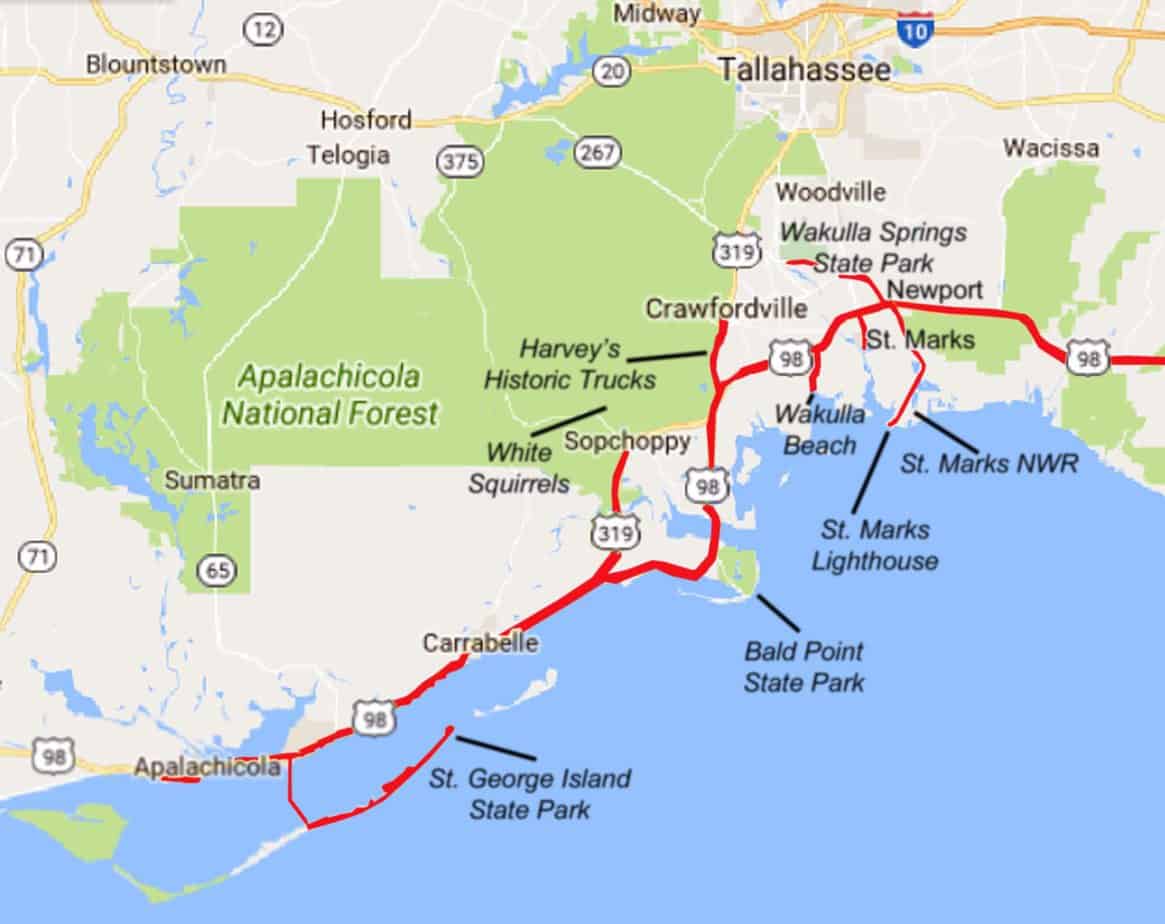
Several state and national parks and wildlife refuges are integral to the protection of the Florida Big Bend. St. Marks National Wildlife Refuge is a cornerstone of conservation in the region, offering vast tracts of protected coastal habitat for migratory birds and other wildlife. Anastasia State Park, though slightly south, showcases similar coastal dune and marsh ecosystems. These protected areas provide essential habitats, educational opportunities, and recreational access for visitors to appreciate the natural beauty of the Big Bend while contributing to its long-term preservation.
Ecotourism and Sustainable Practices
The growing popularity of the Florida Big Bend as an ecotourism destination presents both opportunities and challenges. The focus on sustainable practices is paramount to ensuring that tourism benefits the local economy without compromising the delicate ecosystems. Visitors are encouraged to practice responsible recreation, such as adhering to guidelines for manatee viewing, minimizing their environmental impact, and supporting local businesses that are committed to conservation. The future of the Big Bend depends on a balanced approach that values its natural heritage above all else.
The Florida Big Bend offers a rare glimpse into a Florida that is wild, untamed, and deeply connected to its natural environment. It is a destination that rewards exploration, patience, and a genuine appreciation for the wonders of the natural world, beckoning those who seek an authentic and enriching travel experience.
LifeOutOfTheBox is a participant in the Amazon Services LLC Associates Program, an affiliate advertising program designed to provide a means for sites to earn advertising fees by advertising and linking to Amazon.com. Amazon, the Amazon logo, AmazonSupply, and the AmazonSupply logo are trademarks of Amazon.com, Inc. or its affiliates. As an Amazon Associate we earn affiliate commissions from qualifying purchases.