
Florida, the Sunshine State, is renowned for its diverse array of natural beauty, and a significant part of this charm lies in its vibrant floral tapestry. The term “Florida Flower” doesn’t refer to a single species but rather encompasses the rich and varied collection of blossoms that thrive across its unique ecosystems. From the subtropical allure of the Keys to the pine scrub of the interior, Florida’s flowers paint a picture of resilience, adaptation, and breathtaking color. Understanding “Florida Flower” is to appreciate the state’s horticultural heritage, its ecological significance, and the sheer joy these plants bring to residents and visitors alike.
The Diverse Palette of Florida’s Flora
Florida’s geographical position and varied climate zones create a fertile ground for an astonishing diversity of plant life, including its many iconic flowers. The state’s warm, humid subtropical climate, coupled with its sandy soils and abundant waterways, supports a range of species that are either native or have become well-established and integral to the landscape.
Native Blooms: A Heritage of the Sunshine State
Many of Florida’s most beloved flowers are native, meaning they have evolved and adapted to the local conditions over millennia. These plants are crucial for the state’s biodiversity, providing food and habitat for native wildlife, including pollinators like bees, butterflies, and hummingbirds.
Iconic Native Species
-
Wild Azaleas: While many cultivated azaleas are found in gardens, Florida is home to several native wild azalea species. These deciduous shrubs produce spectacular displays of fragrant, brightly colored flowers, often in shades of pink, orange, and white, typically blooming in spring before the leaves emerge. They are commonly found in moist, well-drained soils in woodlands and along stream banks.
-
Coontie (Zamia integrifolia): This unique plant is not a flower in the traditional sense but a cycad, one of the oldest living groups of seed plants. The female coontie produces a striking, cone-like strobilus that can be red or orange, adding a splash of color to the understory. It’s a vital food source for the endangered Miami Blue butterfly.
-
Butterfly Weed (Asclepias tuberosa): A member of the milkweed family, butterfly weed is a quintessential Florida flower. Its clusters of vibrant orange to yellow flowers are a magnet for butterflies, especially Monarchs, as they are a critical nectar source and the only host plant for Monarch caterpillars. It thrives in dry, sandy soils and is drought-tolerant.
-
Swamp Sunflower (Helianthus debilis): This cheerful perennial displays bright yellow, daisy-like flowers from summer through fall. It’s well-suited to sandy coastal dunes and disturbed areas, often seen along the beaches of the Florida Panhandle and along the Atlantic coast.
-
Firebush (Hamelia patens): A favorite for many gardeners and wildlife enthusiasts, firebush is a large shrub that produces clusters of tubular, fiery orange-red flowers throughout much of the year, especially in warmer months. These blooms are highly attractive to hummingbirds and butterflies. It’s a versatile plant, adaptable to various soil types and conditions.
The Importance of Native Flowers
The proliferation of native “Florida Flowers” is directly linked to the health of the state’s ecosystems. They are often low-maintenance once established, requiring less water and fertilizer than introduced species. Furthermore, they support the intricate web of life that defines Florida’s natural heritage.
Exotic and Introduced Beauties
Beyond the native flora, many introduced and exotic flowers have found a home in Florida’s gardens and natural areas, adding to the visual splendor. These plants, while not indigenous, contribute significantly to the state’s horticultural appeal and are often widely cultivated.
Popular Introduced Species
-
Bougainvillea (Bougainvillea spp.): A spectacular vine or shrub, bougainvillea is synonymous with tropical and subtropical landscapes. Its true flowers are small and inconspicuous, but they are surrounded by vibrant, papery bracts that come in a dazzling array of colors, including magenta, pink, red, orange, purple, and white. They thrive in full sun and are relatively drought-tolerant.
-
Hibiscus (Hibiscus spp.): Perhaps one of the most recognizable tropical flowers, hibiscus plants, particularly the Tropical Hibiscus (Hibiscus rosa-sinensis), are widely cultivated for their large, showy blooms. Available in a spectrum of colors from crimson to yellow to pure white, often with contrasting centers, they are a staple in many Florida gardens.
-
Lantana (Lantana camara): This hardy, fast-growing shrub is celebrated for its clusters of small, multi-colored flowers that often change hue as they mature, creating a vibrant mosaic. Lantana blooms continuously and is a favorite for attracting butterflies. However, some varieties can be invasive, so careful selection is advised.
-
Bird of Paradise (Strelitzia reginae): With its striking resemblance to a colorful bird in flight, the Bird of Paradise flower is an iconic tropical specimen. Its unique structure, with vibrant orange sepals and blue petals, makes it a horticultural prize. It prefers sunny locations with well-drained soil.
Considerations for Introduced Species
While beautiful, it’s important to be mindful of introduced species, as some can become invasive and outcompete native plants, disrupting local ecosystems. Responsible gardening practices involve selecting non-invasive varieties and understanding their impact.
Exploring Florida’s Floral Attractions
Florida’s dedication to showcasing its floral splendor is evident in various attractions and experiences across the state. These locations offer visitors an immersive way to appreciate the diverse “Florida Flower” in its natural or cultivated glory.
Botanical Gardens and Arboretums
Florida boasts numerous world-class botanical gardens and arboretums that serve as living museums of its flora. These institutions are dedicated to the conservation, research, and display of plant collections, offering a curated experience of the state’s plant diversity.
-
Fairchild Tropical Botanic Garden (Miami): A premier institution in South Florida, Fairchild is renowned for its extensive collections of tropical plants, including orchids, palms, and a vast array of flowering trees and shrubs. Their “Wings of the Tropics” exhibit, a stunning butterfly aviary, is a testament to the relationship between flora and fauna.
-
Bok Tower Gardens (Lake Wales): This enchanting estate features beautiful formal gardens, natural woodlands, and a stunning Singing Tower. The gardens showcase a variety of plant collections, including azaleas, magnolias, and camellias, providing a serene and picturesque environment.
-
Naples Botanical Garden (Naples): With themed gardens representing different global ecosystems, including a notable Florida-focused section, this garden highlights the region’s unique plant life. Its tropical displays and educational programs offer deep insights into Florida’s botanical treasures.
-
Alfred B. Maclay Gardens State Park (Tallahassee): Famous for its stunning azaleas and camellias, this park is a breathtaking spectacle in late winter and early spring. The carefully landscaped grounds and reflective gardens create a romantic and visually captivating experience.
Natural Habitats and Parks
Beyond manicured gardens, Florida’s wild spaces are brimming with floral beauty. State parks, national forests, and preserves offer opportunities to discover native flowers in their natural habitats.
-
Everglades National Park: This vast wilderness is a treasure trove of unique plant life, including orchids, air plants, and various flowering shrubs adapted to the wetland environment. Exploring the trails and waterways reveals a different, yet equally captivating, side of Florida’s floral offerings.
-
Ocala National Forest: Home to pine scrub and sandhill ecosystems, this forest supports a variety of wildflowers, including the resilient Butterfly Weed and various species of wild orchids. Hiking through these areas in the spring and summer can yield delightful floral discoveries.
-
Myakka River State Park: One of Florida’s largest and oldest state parks, Myakka offers diverse habitats, from pine flatwoods to prairies and wetlands, each supporting its own array of flowering plants. Birdwatching here often goes hand-in-hand with spotting vibrant blooms.
The Cultural Significance of Florida Flowers
Flowers in Florida are more than just botanical specimens; they are woven into the state’s culture, history, and identity. They inspire art, adorn celebrations, and are central to the state’s image as a tropical paradise.
Floral Symbolism and Traditions
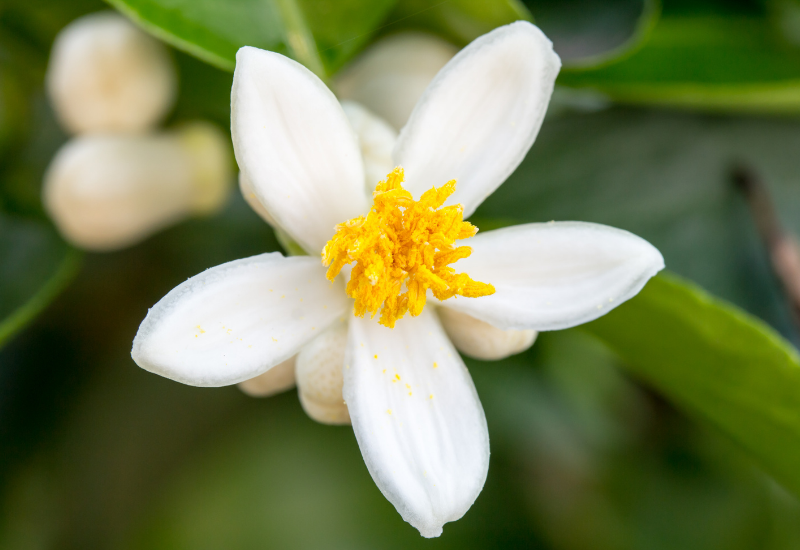
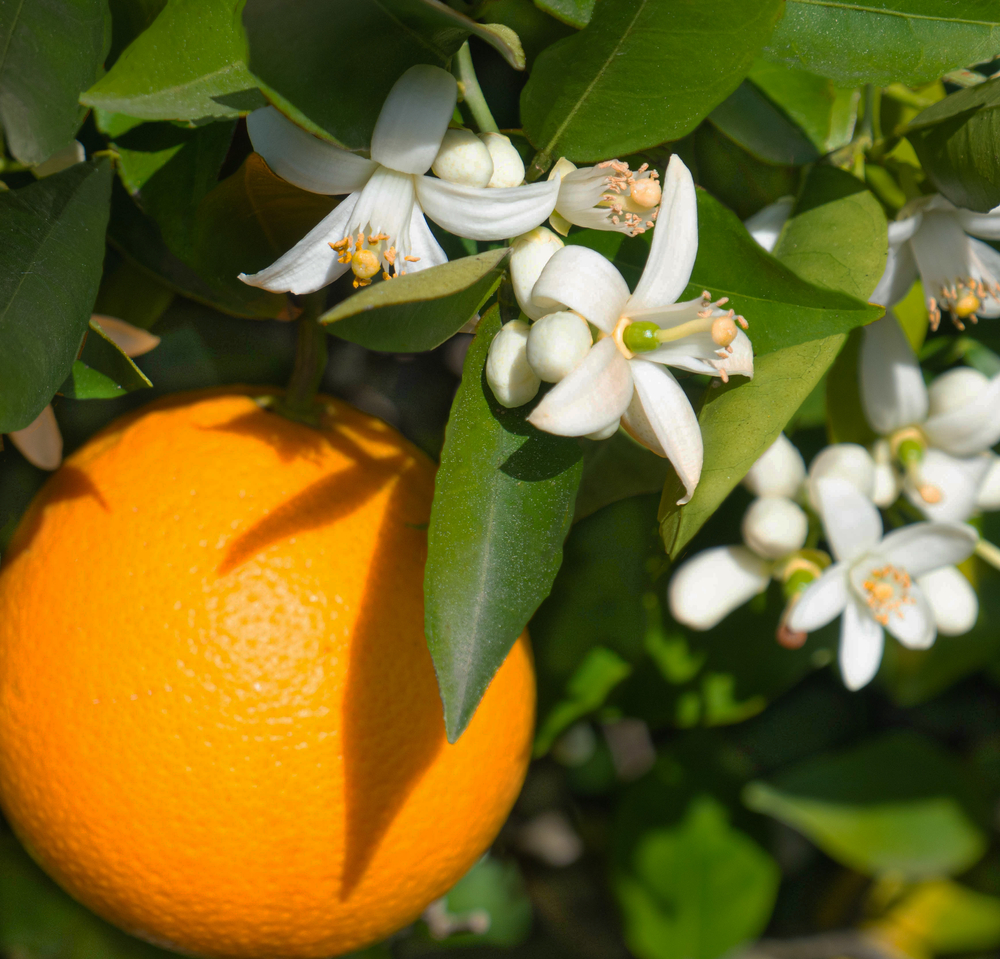
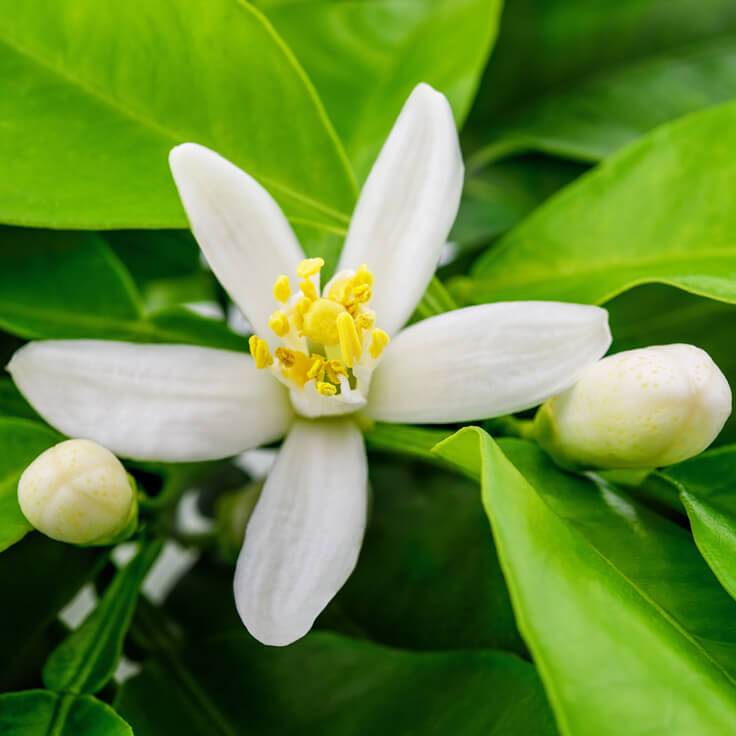
Throughout Florida’s history, certain flowers have taken on symbolic meaning. The orange blossom, for instance, is the state flower of Florida and symbolizes purity, fertility, and eternal love, often adorning wedding bouquets. It also represents the state’s significant citrus industry.
Art, Literature, and Tourism
The vibrant colors and exotic forms of Florida’s flowers have long inspired artists and writers. They feature prominently in landscape paintings, poetry, and literature that capture the essence of the Sunshine State. This aesthetic appeal is also a significant driver of tourism, with many visitors drawn to Florida specifically for its tropical gardens, vibrant blooms, and the promise of a colorful escape. The iconic images of hibiscus, bougainvillea, and orchids contribute to the perception of Florida as an idyllic destination.
Cultivating Your Own Piece of Florida Bloom
For those inspired by the state’s floral beauty, cultivating a garden with “Florida Flowers” is a rewarding endeavor. Whether you have a sprawling yard or a small balcony, there are plants suited to every space and skill level.
Tips for Gardeners
-
Know Your Zone: Florida has distinct climate zones, with South Florida being much warmer and more tropical than North Florida. Choose plants that are suited to your specific USDA Plant Hardiness Zone.
-
Consider Native Plants: Opting for native species is a great way to support local wildlife and create a low-maintenance, drought-tolerant garden. They are naturally adapted to Florida’s soil and climate.
-
Water Wisely: While many Florida flowers are adapted to the climate, consistent watering, especially during establishment, is key. Consider drip irrigation or soaker hoses to conserve water.
-
Soil Preparation: Florida soils can vary greatly, from sandy to clay. Amending the soil with compost and organic matter can improve drainage and fertility for most plants.
-
Sunlight Requirements: Pay attention to the sunlight needs of each plant. Many tropical flowers, like Hibiscus, thrive in full sun, while others prefer partial shade.
Popular Choices for Home Gardens
Many of the aforementioned flowers, like Firebush, Lantana, Bougainvillea, and Hibiscus, are readily available at nurseries across Florida and are excellent choices for home gardens. For those interested in native flora, seeking out nurseries specializing in native plants will provide access to species like Coontie, Swamp Sunflower, and various native azaleas.
Creating a Pollinator Paradise
Incorporating a variety of “Florida Flowers” can transform your garden into a haven for pollinators. Planting nectar-rich flowers that bloom at different times of the year ensures a continuous food source for bees, butterflies, and hummingbirds, contributing to the health of local ecosystems.
In conclusion, “Florida Flower” is a broad and beautiful concept, encompassing the stunning array of blooms that define the Sunshine State’s natural and cultivated landscapes. From the hardy native species to the vibrant exotic introductions, these flowers offer a continuous spectacle of color and life, enriching the environment and captivating the hearts of all who experience them.
LifeOutOfTheBox is a participant in the Amazon Services LLC Associates Program, an affiliate advertising program designed to provide a means for sites to earn advertising fees by advertising and linking to Amazon.com. Amazon, the Amazon logo, AmazonSupply, and the AmazonSupply logo are trademarks of Amazon.com, Inc. or its affiliates. As an Amazon Associate we earn affiliate commissions from qualifying purchases.