
Understanding the financial landscape is crucial for anyone planning a trip, considering a working holiday, or simply budgeting for an extended stay in the Sunshine State. While the primary focus for many visitors to Florida revolves around its world-class attractions, stunning beaches, and vibrant culture, having a grasp of local economic indicators like the minimum wage can offer valuable insights. This is particularly relevant for travelers who might engage in seasonal work, seek out budget-friendly experiences, or interact with service industries that are directly impacted by wage regulations.
The Current Minimum Wage in Florida
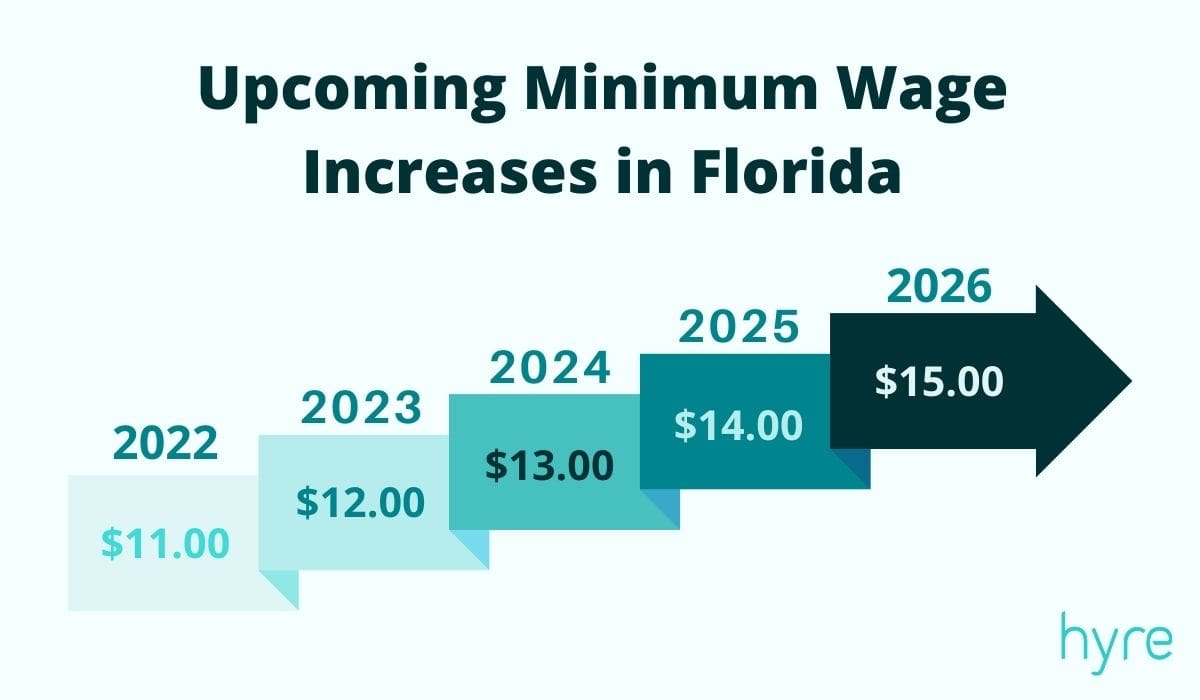
As of January 1, 2024, Florida’s minimum wage stands at $13.00 per hour for all covered employees. This figure represents a planned increase from the previous year’s rate and is part of a legislated schedule designed to gradually elevate the state’s minimum wage to $15.00 per hour by 2026.
A Look at the Incremental Increases
The journey towards a $15 minimum wage has been a deliberate one, implemented through annual adjustments. This phased approach allows businesses time to adapt to changing labor costs while ensuring that workers see a progressive improvement in their earnings.
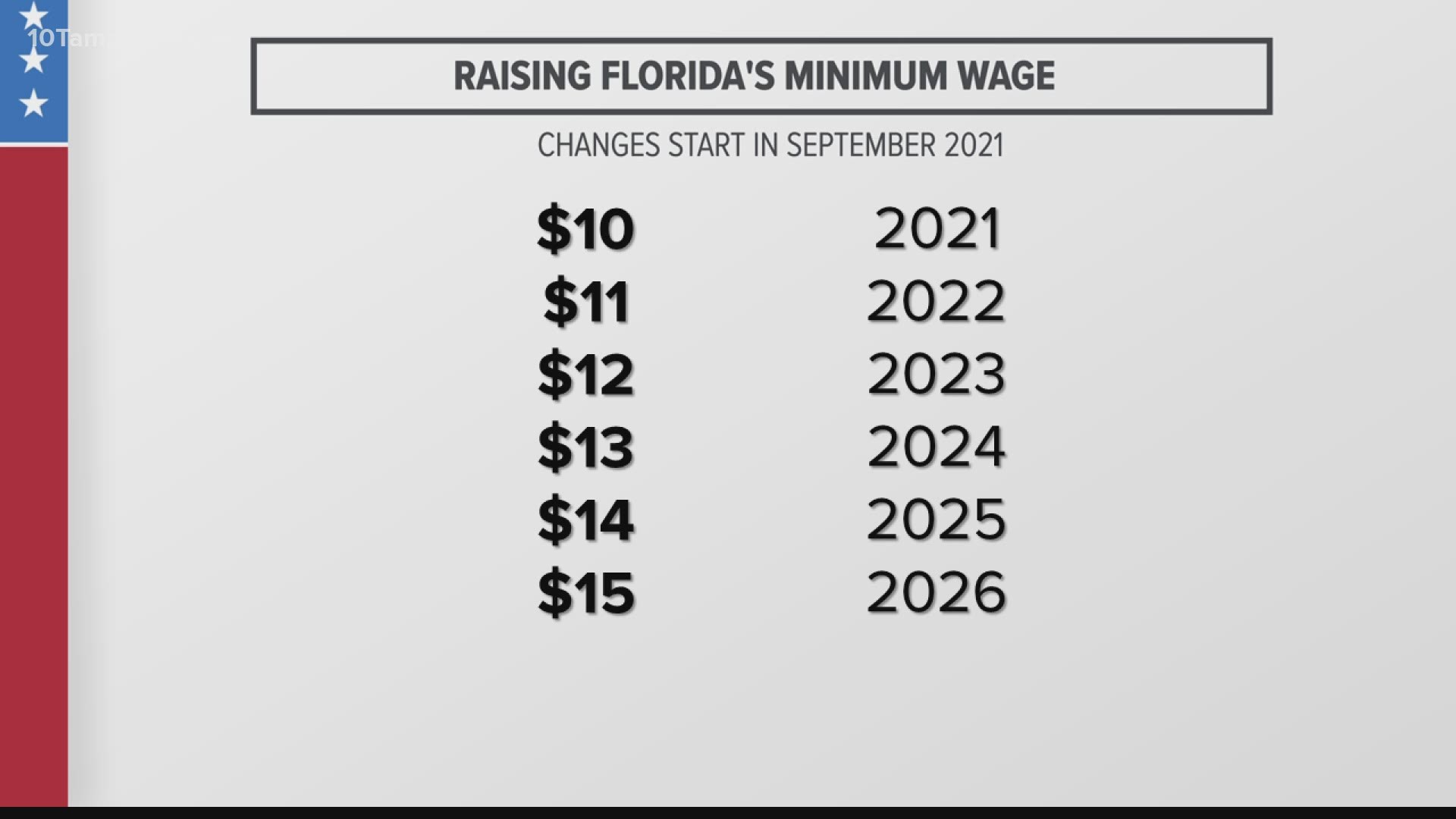
- 2023: The minimum wage was $12.00 per hour.
- 2024: The minimum wage increased to $13.00 per hour.
- 2025: A further increase to $14.00 per hour is anticipated.
- 2026: The minimum wage is projected to reach $15.00 per hour.
Beyond 2026, future adjustments are expected to be tied to inflation, ensuring that the purchasing power of the minimum wage is maintained over time.
Tipped Minimum Wage
For employees who customarily and regularly receive more than $30 per month in tips, a separate minimum wage applies. As of January 1, 2024, the cash minimum wage for tipped employees in Florida is $10.00 per hour. This means that employers are permitted to pay this lower cash wage, provided that the employee’s total earnings (cash wage plus tips) reach at least the standard minimum wage of $13.00 per hour. If an employee’s tips combined with the cash wage do not equal the standard minimum wage, the employer must make up the difference.
Why Minimum Wage Matters for Travelers
While a tourist might not directly earn minimum wage during a short vacation, understanding this economic factor can subtly influence their travel experience.
Budgeting and Value Perception
For travelers on a tight budget, knowing the prevailing minimum wage can offer context for the cost of services. When you’re dining at a local eatery in Miami, purchasing souvenirs in Orlando, or engaging in activities offered by tour operators, the labor costs for the staff providing these services are intrinsically linked to the minimum wage. A higher minimum wage can sometimes translate to higher prices for goods and services, but it also indicates a potentially better standard of living for local residents, which can contribute to a more vibrant and stable economy, benefiting the overall visitor experience.
Seasonal Employment Opportunities
Florida is a popular destination for seasonal work, particularly in the hospitality and tourism sectors. Many students, backpackers, or individuals seeking to supplement their income might consider taking on temporary jobs during peak seasons. Understanding the minimum wage is fundamental for these individuals to assess the financial viability of such opportunities. For instance, working at a theme park in Orlando, assisting at a resort in the Florida Keys, or helping at a beachfront cafe in Clearwater will all be subject to the state’s minimum wage laws.
Understanding the Local Economy
A nation’s or state’s minimum wage is often seen as a reflection of its economic priorities and social policies. For a traveler interested in immersing themselves in the local culture, learning about wage standards provides a deeper appreciation for the economic realities faced by residents. It offers a glimpse into the cost of living and the general financial well-being of the workforce that powers the state’s booming tourism industry. This awareness can foster a more empathetic and informed perspective on the places you visit.
Impact on the Tourism and Hospitality Industry
The Florida tourism industry, a colossal economic engine for the state, is heavily reliant on a robust workforce, many of whom earn wages at or near the minimum. The increasing minimum wage has a direct and significant impact on this sector.
Labor Costs and Business Operations
As the minimum wage rises, so do the labor costs for businesses, especially those in labor-intensive sectors like hospitality, food service, and retail. Hotels, restaurants, theme parks, and attractions must adjust their budgets to accommodate these increased payroll expenses.
- Potential Price Adjustments: To offset rising labor costs, businesses may consider increasing prices for rooms, meals, tickets, or services. This is a factor that travelers should be aware of when budgeting for their trip.
- Efficiency and Technology: Some businesses might invest in automation or technology to improve efficiency and reduce reliance on manual labor, though this is often a long-term strategy.
- Staffing Models: Companies may re-evaluate their staffing levels and the mix of full-time versus part-time employees.
Employee Morale and Retention
On the flip side, a higher minimum wage generally leads to increased earnings for lower-wage workers, which can boost employee morale, reduce staff turnover, and improve the quality of customer service. A happier and more financially secure workforce can contribute positively to the overall visitor experience. For instance, a well-compensated lifeguard at a resort in Naples or a motivated tour guide in St. Augustine can significantly enhance a visitor’s enjoyment.
Economic Ripple Effects
The increase in wages for a substantial portion of the workforce can lead to greater consumer spending within the state. This increased spending can benefit local businesses, create a more dynamic local economy, and ultimately contribute to the overall economic health of Florida. This can create a virtuous cycle, where a stronger local economy makes for a more enjoyable and authentic travel experience.
Navigating Florida with Economic Awareness
For travelers who are planning an extended stay, considering a working holiday, or simply want to be more informed about the destinations they visit, understanding the minimum wage in Florida is a valuable piece of knowledge. It provides context for prices, offers insight into employment opportunities, and helps paint a more complete picture of the state’s economic environment.
Whether you’re enjoying the thrills at Walt Disney World Resort, exploring the underwater wonders of Key Largo, or soaking up the sun on the beaches of South Beach, the economic foundations of the state, including its minimum wage, quietly support the vibrant experiences you encounter. As Florida continues its trajectory towards a $15 minimum wage, travelers can expect a dynamic economic landscape that aims to balance business needs with the financial well-being of its residents, contributing to the overall appeal and sustainability of this beloved travel destination.
LifeOutOfTheBox is a participant in the Amazon Services LLC Associates Program, an affiliate advertising program designed to provide a means for sites to earn advertising fees by advertising and linking to Amazon.com. Amazon, the Amazon logo, AmazonSupply, and the AmazonSupply logo are trademarks of Amazon.com, Inc. or its affiliates. As an Amazon Associate we earn affiliate commissions from qualifying purchases.