
Understanding the intricacies of sales tax is paramount for any traveler planning a visit to Miami, Florida. While the allure of sun-drenched beaches, vibrant nightlife, and world-class dining often takes center stage, navigating the financial aspects of your trip, including how much you’ll pay on purchases, can significantly impact your budget. Miami, like much of Florida, operates under a statewide sales tax system that is supplemented by local surtaxes, making the total rate vary by county. For visitors, this means being aware of the current tax rates when budgeting for everything from souvenirs and clothing to dining out and entertainment.
Understanding Florida’s Statewide Sales Tax
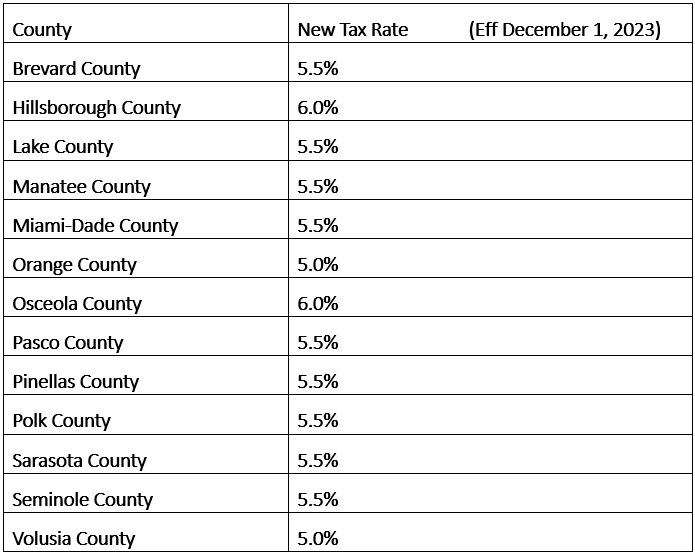
At its core, Florida imposes a state sales tax on a wide array of tangible personal property and certain services. This tax is a crucial revenue stream for the state, funding various public services and infrastructure projects. The standard statewide sales tax rate is 6%. This base rate applies across the entire state, serving as the foundation upon which local additions are built.
What is Taxable in Florida?
The scope of taxable goods and services in Florida is broad. Generally, you can expect to pay sales tax on:
- Tangible Personal Property: This includes almost any physical item you can touch and move, such as clothing, electronics, furniture, artwork, and souvenirs. When you purchase these items in Miami, Florida, the sales tax will be added to the sticker price at the point of sale.
- Accommodations: Hotel rooms, motel stays, and other short-term lodging rentals are subject to sales tax, along with a portion of the tourism tax. This means the advertised price of your stay at a Miami hotel will likely increase once taxes are factored in.
- Admissions and Entertainment: Tickets to theme parks like Universal Studios or Walt Disney World, movie theaters, sporting events, concerts, and other forms of entertainment typically incur sales tax.
- Services: While not as comprehensive as the taxation of goods, certain services are taxable in Florida. These include services like the repair of tangible personal property, cable television services, security and alarm monitoring, and social and athletic club memberships.
- Food and Beverages: Prepared food and beverages sold in restaurants, bars, and similar establishments are generally taxable. Groceries purchased at supermarkets for home consumption are typically exempt, though certain prepared food items sold in grocery stores may be taxed.
What is Generally Exempt?
Fortunately, not everything is subject to sales tax. Several common items and services are exempt to ease the burden on consumers and support certain industries:
- Groceries: As mentioned, most food items purchased for consumption at home from grocery stores are exempt from sales tax.
- Prescription Medications: Medications prescribed by a doctor are not subject to sales tax.
- Residential Rentals: Long-term rentals of residential property are generally exempt.
- Certain Professional Services: Many professional services, such as legal, accounting, and medical services, are not subject to sales tax.
- Donations: Items purchased for donation to qualified charitable organizations may be exempt under specific circumstances.
It’s always wise to clarify the taxability of specific items or services with the vendor or consult the Florida Department of Revenue if you have doubts.
Miami-Dade County’s Local Surtaxes
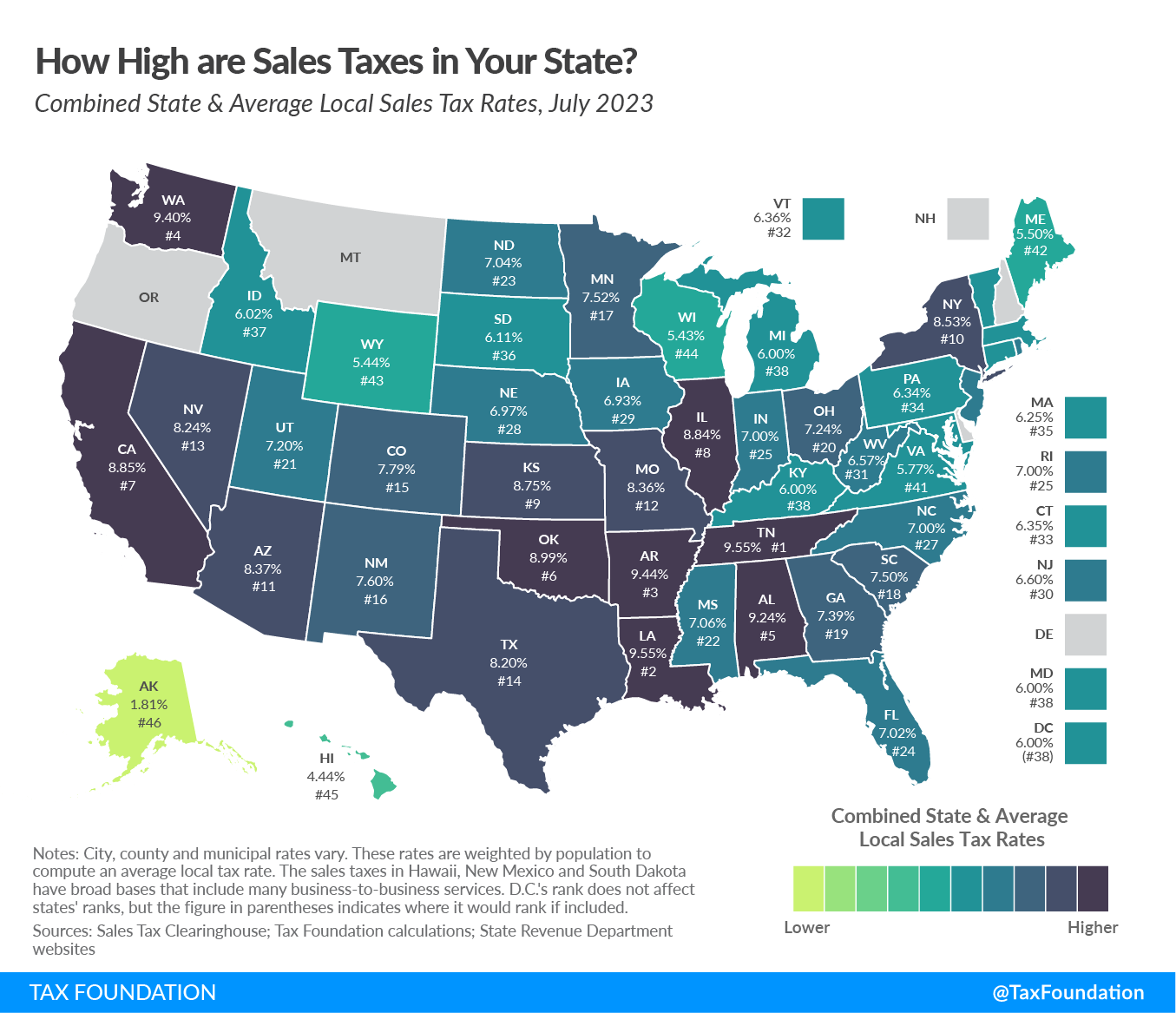
Beyond the 6% statewide sales tax, Miami-Dade County levies additional local option surtaxes. These surtaxes are designed to generate revenue for local government initiatives, often supporting transportation projects, public safety, or educational programs. For visitors to Miami, Florida, this means the total sales tax rate will be higher than the state’s base rate.
The Current Rate in Miami-Dade County
As of the latest information, Miami-Dade County has a combined state and local sales tax rate. The statewide rate of 6% is augmented by a local discretionary sales surtax. This brings the total sales tax rate in Miami-Dade County to 7%.
This 7% rate applies to most taxable transactions occurring within the county, including purchases made in Miami, Miami Beach, Coral Gables, and other municipalities within the county.
Breakdown of the 7% Rate:
- 6% – State Sales Tax
- 1% – Local Option Sales Tax (added by Miami-Dade County)
It is important for travelers to remember that this rate can fluctuate if county or state legislation changes. Always verify the current tax rate with local authorities or reputable sources before making significant purchases or budgeting for your trip.
Tourism Taxes in Miami
In addition to the general sales tax, Miami-Dade County imposes a specific tourist tax, often referred to as the “bed tax” or “lodging tax.” This tax is levied on transient accommodations, such as hotel rooms, motel stays, vacation rentals, and other forms of short-term lodging. The revenue generated from these taxes is typically earmarked for promoting tourism, funding convention centers, and supporting local tourism infrastructure.
Understanding the Tourist Development Tax (TDT)
The Florida Legislature authorizes counties to levy a Tourist Development Tax. In Miami-Dade County, this tax is an additional layer of cost on top of the regular sales tax for visitors staying in hotels and other short-term accommodations.
The rate of the Tourist Development Tax can vary by county and even by municipality within a county. For Miami-Dade County, the TDT rate is 7%.
Total Tax on Hotel Stays
When you book a hotel in Miami, Florida, the total tax applied to your bill will include both the state sales tax, the local discretionary sales surtax, and the Tourist Development Tax.
For a typical hotel stay in Miami-Dade County, the calculation would be:
- State Sales Tax: 6%
- Local Option Sales Tax: 1%
- Tourist Development Tax: 7%
This means that on your hotel bill, you will likely see a combined tax rate of 14% applied to the nightly room rate. This is a significant amount, and it’s crucial for travelers to factor this into their accommodation budgets, especially when considering stays at luxury resorts like the Fontainebleau Miami Beach or more budget-friendly options.
Practical Tips for Travelers Regarding Sales Tax in Miami
Navigating sales tax during your Miami, Florida vacation doesn’t have to be a complicated affair. By keeping a few practical tips in mind, you can ensure your budget remains on track and you avoid any unexpected surprises.
Budgeting for Purchases
When planning your trip, it’s prudent to add an estimated sales tax amount to your projected spending on goods and services. For general purchases, assume a 7% tax rate. For accommodation, factor in the higher 14% rate. This proactive approach allows for more accurate financial planning and can prevent you from overspending. For instance, if you plan to buy $500 worth of souvenirs, add approximately $35 ($500 x 0.07) for sales tax. If your hotel stay is $200 per night for 5 nights, that’s $1000 before taxes, and you should budget an additional $140 ($1000 x 0.14) for taxes.
Keep Receipts
Retaining receipts for your purchases is always a good practice. They serve as proof of purchase and can be helpful if you need to return an item or if you are eligible for a tax refund or exemption (though tourist refunds are uncommon for general sales tax in the US, some exceptions might exist for specific programs or purchases). More importantly, receipts can help you track your spending and confirm the tax amounts applied, ensuring accuracy.
Online vs. In-Person Purchases
The rules for sales tax on online purchases are complex and have evolved significantly. Generally, if you purchase from an online retailer that has a physical presence (a “nexus”) in Florida, they are required to collect and remit Florida sales tax. This includes many large online retailers. If the retailer does not have a nexus, you may technically owe “use tax” to the state, but enforcement for individual tourists is rare. For most vacationers, the sales tax collected at the point of sale, whether in a brick-and-mortar store or a well-established online vendor, will be the primary concern.
Understanding Exemptions and Special Cases
While the general rules are straightforward, there are always nuances. For example, certain items purchased by eligible foreign visitors for export may be eligible for a refund of sales tax, although this is a complex process and often involves specific purchase thresholds and documentation. It is best to inquire directly with the Florida Department of Revenue or customs officials for details on any potential export exemptions. Similarly, purchases made by qualifying non-profit organizations might be tax-exempt, but these typically do not apply to individual tourists.
Stay Informed
Tax laws can change. While the 7% general rate and 14% lodging rate have been stable for some time, it’s wise to stay aware of any legislative updates that might affect your travel budget. Reputable travel websites and the official Florida Department of Revenue website are good resources for the most current information. Knowing the tax implications will allow you to enjoy all that Miami, Florida has to offer with confidence and clarity.
LifeOutOfTheBox is a participant in the Amazon Services LLC Associates Program, an affiliate advertising program designed to provide a means for sites to earn advertising fees by advertising and linking to Amazon.com. Amazon, the Amazon logo, AmazonSupply, and the AmazonSupply logo are trademarks of Amazon.com, Inc. or its affiliates. As an Amazon Associate we earn affiliate commissions from qualifying purchases.