
Navigating the intricacies of sales tax can be a complex undertaking for any business operating within the Sunshine State. The Florida Department of Revenue administers a robust sales and use tax system that impacts a wide array of transactions. For businesses engaged in the vibrant tourism and hospitality sectors of Florida, understanding what constitutes taxable goods and services is not merely a matter of compliance, but a critical component of financial planning and operational efficiency. This guide delves into the core principles of Florida sales tax, focusing on items and activities most relevant to those serving visitors and residents alike, from the sugar-sand beaches of Clearwater to the bustling theme parks of Orlando.
Understanding the Basics of Florida Sales Tax
Florida imposes a state sales tax on the retail sale or rental of tangible personal property and on the sale of taxable services. A local option sales tax may also apply, increasing the total tax rate in many counties. The standard state sales tax rate is 6%, with an additional 0.5% directed to the Local Government Half-Cent Sales Tax. Furthermore, some counties levy an additional discretionary sales surtax, often referred to as a “tourist tax” or “local option sales tax,” which can range from 0.5% to 2.5%, depending on the county. This brings the potential total sales tax rate in some Florida counties to as high as 8.5%.
Tangible Personal Property
Tangible personal property is generally defined as personal property that can be seen, weighed, measured, felt, or touched. This includes a vast array of items, from everyday consumer goods to specialized equipment. In Florida, the sale of most tangible personal property is subject to sales tax at the time of sale. This means that when a business sells an item to a customer, the business is responsible for collecting the applicable sales tax from the customer and remitting it to the state.
For businesses in the hospitality sector, this can include items such as:
- Souvenirs and Merchandise: T-shirts, hats, postcards, magnets, and other mementos sold at attractions like Disney World or within hotel gift shops are taxable.
- Food and Beverages: While there are some exemptions for certain food items intended for off-premise consumption, prepared food and beverages sold for immediate consumption are generally taxable. This applies to restaurant meals, snacks sold at concessions, and drinks served at bars and lounges within resorts like the Ritz-Carlton Orlando.
- Room Supplies: Items like toiletries, disposable cups, and other sundries sold in hotel gift shops or convenience stores are taxable.
Taxable Services
Florida has a specific list of services that are subject to sales tax. This list is not exhaustive and can be amended by legislative action. For businesses in the tourism and hospitality industry, several key services are commonly taxable:
- Accommodations: This is perhaps the most significant area of taxable services for the industry. The rental or leasing of living quarters or sleeping or housekeeping accommodations for a continuous period of less than six months is subject to sales tax. This includes hotel rooms, motel rooms, vacation rentals, apartments rented for short terms, and timeshare resorts. The tax is levied on the gross proceeds derived from the rental. For example, a night’s stay at a luxury resort like the Four Seasons Resort Orlando will have sales tax applied to the room rate. It’s important to note that longer-term rentals (six months or more) may be exempt, depending on specific conditions and lease agreements.
- Repair, Maintenance, and Installation Services: Services that repair, maintain, or improve tangible personal property or real property are generally taxable. This could include the servicing of air conditioning units in hotel rooms, the repair of rental equipment, or even the installation of new fixtures within a vacation villa.
- Commercial
ting and other entertainment services: Fees charged for admission to amusement, entertainment, or recreational facilities are taxable. This encompasses everything from theme park tickets at Universal Studios Florida to entrance fees for water parks, museums, and sporting events. - Janitorial, Cleaning, and Disinfection Services: Services provided to clean or maintain commercial properties, including hotels and resorts, are taxable. This ensures that businesses maintaining cleanliness standards for their guests are subject to tax on these services.
- Investigation and Armed Response Services: Services provided by private investigators or for armed security and response are taxable.
- Commercial Art and Photography: The creation and sale of commercial art or photography services are taxable. This might apply to promotional materials created for a resort or a tour operator.
- Linen and Uniform Rental: The rental of linens and uniforms for commercial use is also subject to sales tax.
- Vending Machine Sales: While the sale of food and beverages from vending machines has specific rules, many items sold through vending machines are taxable.
Exemptions and Special Considerations
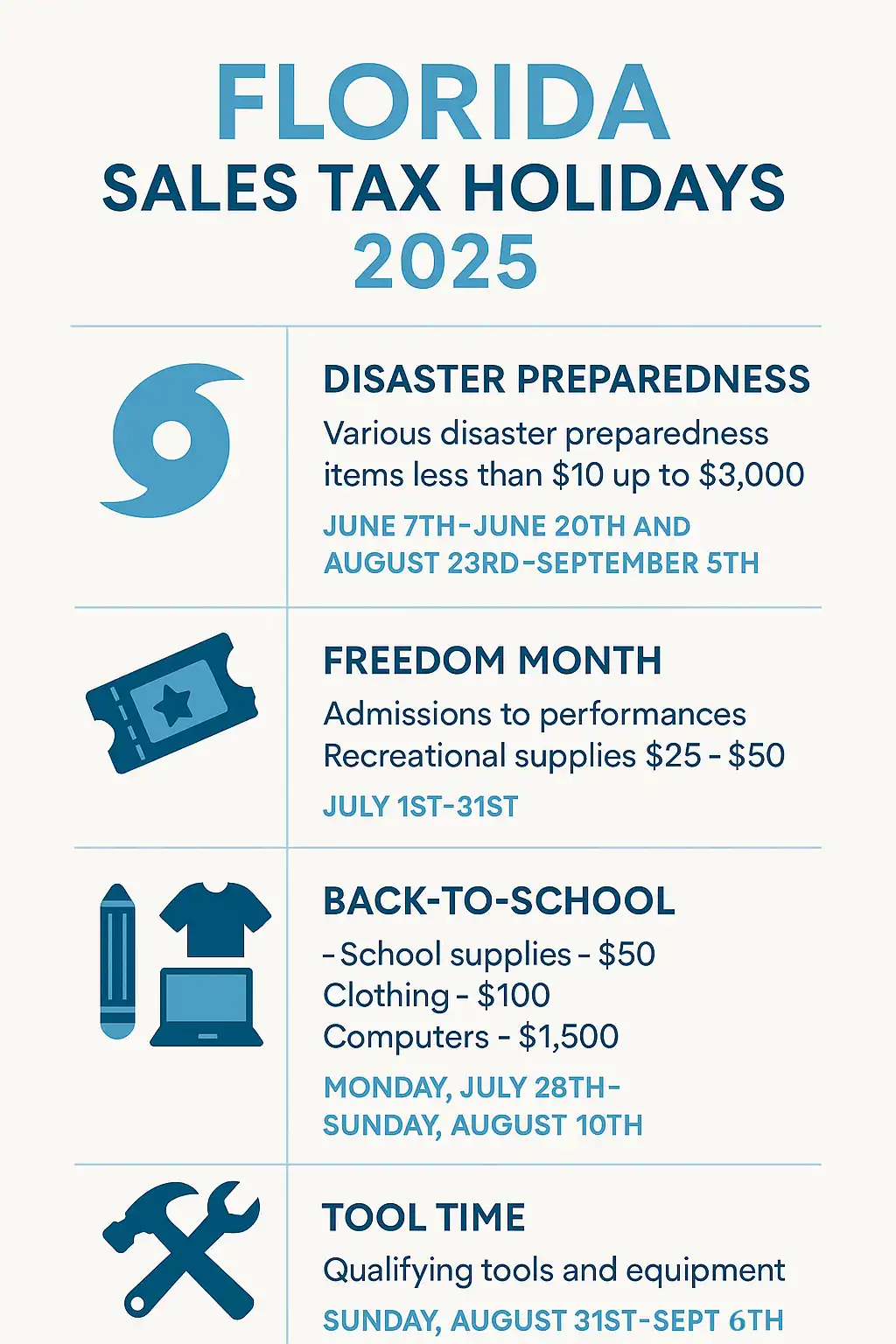
While the general rule is that tangible personal property and specific services are taxable, Florida law provides for numerous exemptions. Understanding these exemptions is crucial for businesses to avoid over-collecting tax and to ensure compliance.
Exemptions for Businesses
- Resale: If a business purchases tangible personal property for the purpose of reselling it, they may purchase it without paying sales tax by providing a valid resale certificate to the vendor. This applies to hotels purchasing toiletries for resale in their gift shops or restaurants purchasing food items for preparation and sale.
- Manufacturing and Research & Development: Certain purchases of machinery and equipment used in manufacturing or research and development activities may be exempt from sales tax under specific conditions.
- Agricultural Exemptions: Purchases of agricultural products and equipment used in farming operations are often exempt.
Exemptions for Consumers and Specific Transactions
- Food for Home Consumption: Most staple foods intended for consumption off the premises, such as groceries purchased at a supermarket, are exempt from sales tax. However, prepared foods, sodas, and candy are generally taxable.
- Prescription Drugs and Over-the-Counter Drugs: Prescription medications and certain over-the-counter drugs are exempt.
- Residential Rentals (Long-Term): As mentioned earlier, residential rentals for a continuous period of six months or more are generally exempt from sales tax. This is a critical distinction for properties that may be rented both short-term to tourists and long-term to residents.
- Donations: Items donated to qualified charitable organizations are generally exempt from sales tax.
Specific Considerations for the Tourism and Hospitality Industry
The unique nature of the tourism and hospitality industry in Florida presents several specific scenarios that require careful attention regarding sales tax:
- Room Service: Food and beverages delivered via room service to hotel guests are generally taxable, similar to food served in a hotel restaurant.
- Mini-Bar Sales: Items consumed from a hotel mini-bar are typically considered taxable sales.
- Event Tickets and Packages: When hotels or resorts sell packages that include accommodation and tickets to attractions, the sales tax treatment can be complex. Generally, if the price of the tickets is stated separately, sales tax is collected on the ticket portion. If it’s a bundled price, the entire amount may be subject to tax depending on the specific rules.
- Resort Fees and Service Charges: The taxability of resort fees and mandatory service charges can vary. It is essential to consult the Florida Department of Revenue guidelines or a tax professional to determine the correct treatment. Often, if these fees are considered part of the taxable rental of accommodations or a taxable service, they will be subject to sales tax.
- Parking and Valet Services: Fees charged for parking at hotels, resorts, or attractions are generally considered taxable services.
- Spa and Salon Services: Services provided by spas and salons located within hotels or resorts, such as massages, facials, and hair styling, are typically taxable as they fall under the category of personal services.
- Activity Fees: Fees for activities like golf, tennis, or the use of recreational facilities within a resort complex are often taxable as amusement, entertainment, or recreational services.
Record Keeping and Compliance
Maintaining accurate and detailed records is paramount for any business subject to Florida sales tax. This includes:
- Sales Records: Detailed records of all sales, including the amount of tax collected on each taxable transaction.
- Purchase Records: Records of all purchases, especially those for which resale certificates were issued.
- Exemption Certificates: Properly completed and maintained resale certificates and other exemption documents.
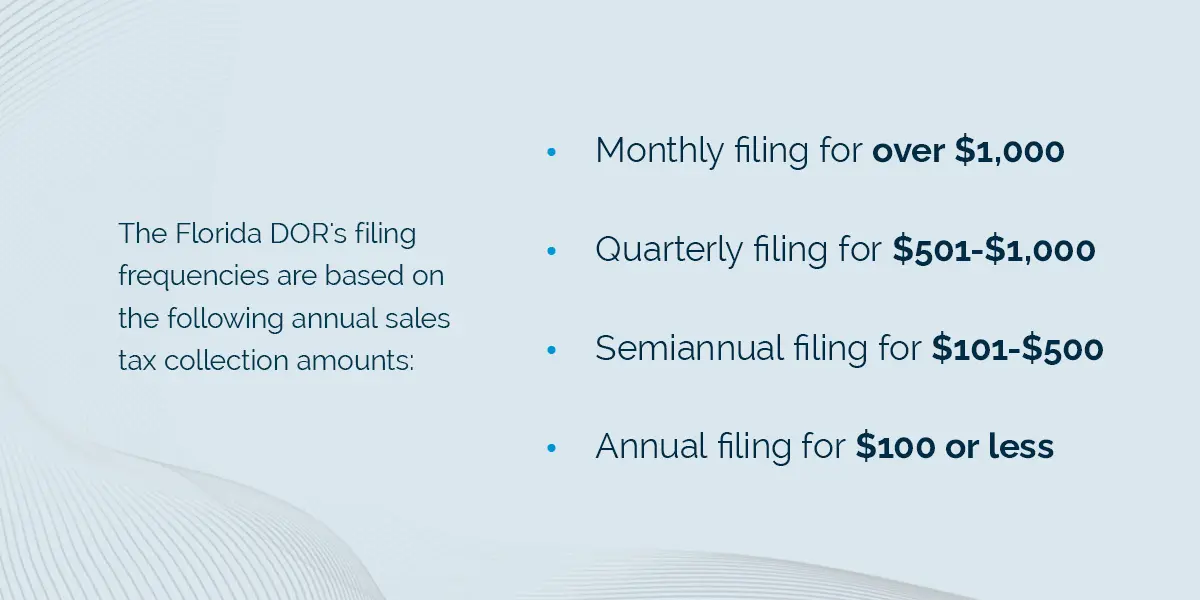
- Tax Filings: Timely filing of sales and use tax returns with the Florida Department of Revenue and prompt remittance of collected taxes.
Failure to comply with Florida’s sales tax laws can result in penalties, interest, and even legal action. Businesses are encouraged to consult with tax professionals or refer to the official publications from the Florida Department of Revenue for the most current and accurate information. Staying informed about legislative changes and administrative rule updates is essential for maintaining compliance in this dynamic tax environment. For businesses in the heart of Florida’s vibrant tourism economy, from the historic streets of St. Augustine to the cosmopolitan allure of Miami, a thorough understanding of sales tax is indispensable for sustained success.
LifeOutOfTheBox is a participant in the Amazon Services LLC Associates Program, an affiliate advertising program designed to provide a means for sites to earn advertising fees by advertising and linking to Amazon.com. Amazon, the Amazon logo, AmazonSupply, and the AmazonSupply logo are trademarks of Amazon.com, Inc. or its affiliates. As an Amazon Associate we earn affiliate commissions from qualifying purchases.