
Florida, the “Sunshine State,” is renowned for its consistently warm climate, making it a perennial favorite for travelers and residents alike. Understanding the average weather patterns across this diverse peninsula is crucial for planning the perfect vacation, enjoying outdoor activities, or simply making the most of everyday life. From the subtropical heat of the south to the more temperate conditions of the north, Florida’s weather is a significant draw. This guide delves into the typical climatic conditions you can expect throughout the year, broken down by region and season, to help you navigate what makes Florida’s weather so unique and appealing.
Understanding Florida’s Climate Zones
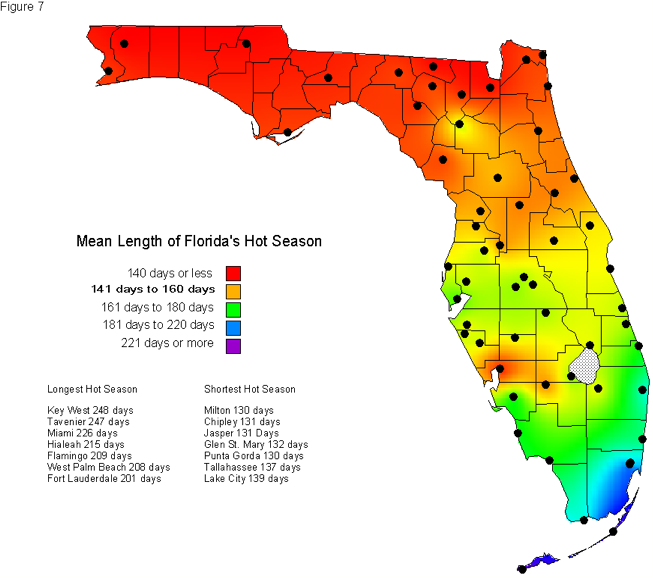
Florida’s geographical position and its extensive coastline create distinct climatic variations. While the entire state enjoys a generally warm to hot climate, there are noticeable differences between its northern and southern regions. The Florida Keys, a chain of islands stretching southwest from the mainland, possess a unique tropical climate.
North Florida
North Florida, encompassing cities like Jacksonville, Tallahassee, and the Panhandle, experiences a climate that is more akin to the southeastern United States mainland. This region has four distinct seasons, with a cooler winter and a more pronounced spring and fall. Winters here can bring occasional frosts and even a light dusting of snow, though it is rare. Summers are hot and humid, similar to the rest of the state, but the cooler months offer a welcome respite.
Central Florida
Central Florida, home to major attractions like the theme parks in Orlando and the historic sites of St. Augustine, enjoys a humid subtropical climate. This region experiences hot, humid summers and mild winters. While frost is possible in the northern parts of Central Florida, it is less frequent than in the Panhandle. The proximity to the coast moderates temperatures, preventing extreme cold snaps.
South Florida and the Keys
South Florida, including metropolitan areas like Miami, Fort Lauderdale, and the southernmost tip of the mainland, along with the Florida Keys, boasts a true tropical monsoon climate. Winters are exceptionally mild and dry, with temperatures rarely dropping below 60°F (15.5°C). Summers are intensely hot and humid, characterized by frequent afternoon thunderstorms. The Keys experience very little temperature variation throughout the year, with average temperatures consistently in the comfortable 70s and 80s Fahrenheit (20s and 30s Celsius).
Seasonal Weather Breakdown
Florida’s weather is best understood by looking at its seasonal patterns, which influence everything from daily temperatures to the likelihood of precipitation.
Winter (December to February)
Winter is arguably the most pleasant season in much of Florida. In North Florida, temperatures can be cool, with average highs ranging from the 60s to low 70s Fahrenheit (15-22°C) and lows dipping into the 40s Fahrenheit (4-9°C). Occasional cold fronts can bring sharper drops in temperature. Central Florida experiences milder winters, with average highs in the 70s Fahrenheit (21-26°C) and lows in the 50s Fahrenheit (10-15°C). South Florida and the Keys enjoy their warmest “winter” months, with average highs in the mid-70s to low 80s Fahrenheit (24-28°C) and lows rarely falling below 60°F (15.5°C). This season is characterized by lower humidity and less rainfall, making it ideal for outdoor exploration and enjoying attractions like Everglades National Park.
Spring (March to May)
Spring in Florida is a transition period, marked by increasing warmth and humidity. North Florida sees temperatures gradually climb, with March still carrying a hint of winter chill, while May becomes decidedly warm, with highs in the 80s Fahrenheit (27-32°C). Central Florida experiences a steady rise in temperature, with average highs moving into the 80s Fahrenheit (27-32°C) by May. South Florida and the Keys continue their warm trend, with highs consistently in the 80s Fahrenheit (27-32°C) and sometimes pushing into the low 90s Fahrenheit (33-35°C). Humidity begins to increase, and the first scattered thunderstorms may appear, especially towards the end of spring. This is a popular time for visiting beaches like those on Siesta Key and for events like Miami Music Week.
Summer (June to August)
Summer in Florida is synonymous with heat, humidity, and afternoon thunderstorms. Across the entire state, temperatures commonly reach the high 80s and low 90s Fahrenheit (31-35°C), with the heat index often feeling much higher due to the oppressive humidity. Central and South Florida are particularly prone to intense heat and humidity, making air conditioning a necessity. North Florida is also hot and humid, though slightly less so than the southern regions. Daily afternoon thunderstorms are a hallmark of Florida summers, typically bringing brief but intense downpours and lightning. These storms usually dissipate as quickly as they arrive, often clearing the way for sunshine later in the day. This season is also hurricane season, which officially runs from June 1st to November 30th, though the peak activity is typically from August to October.
Autumn (September to November)
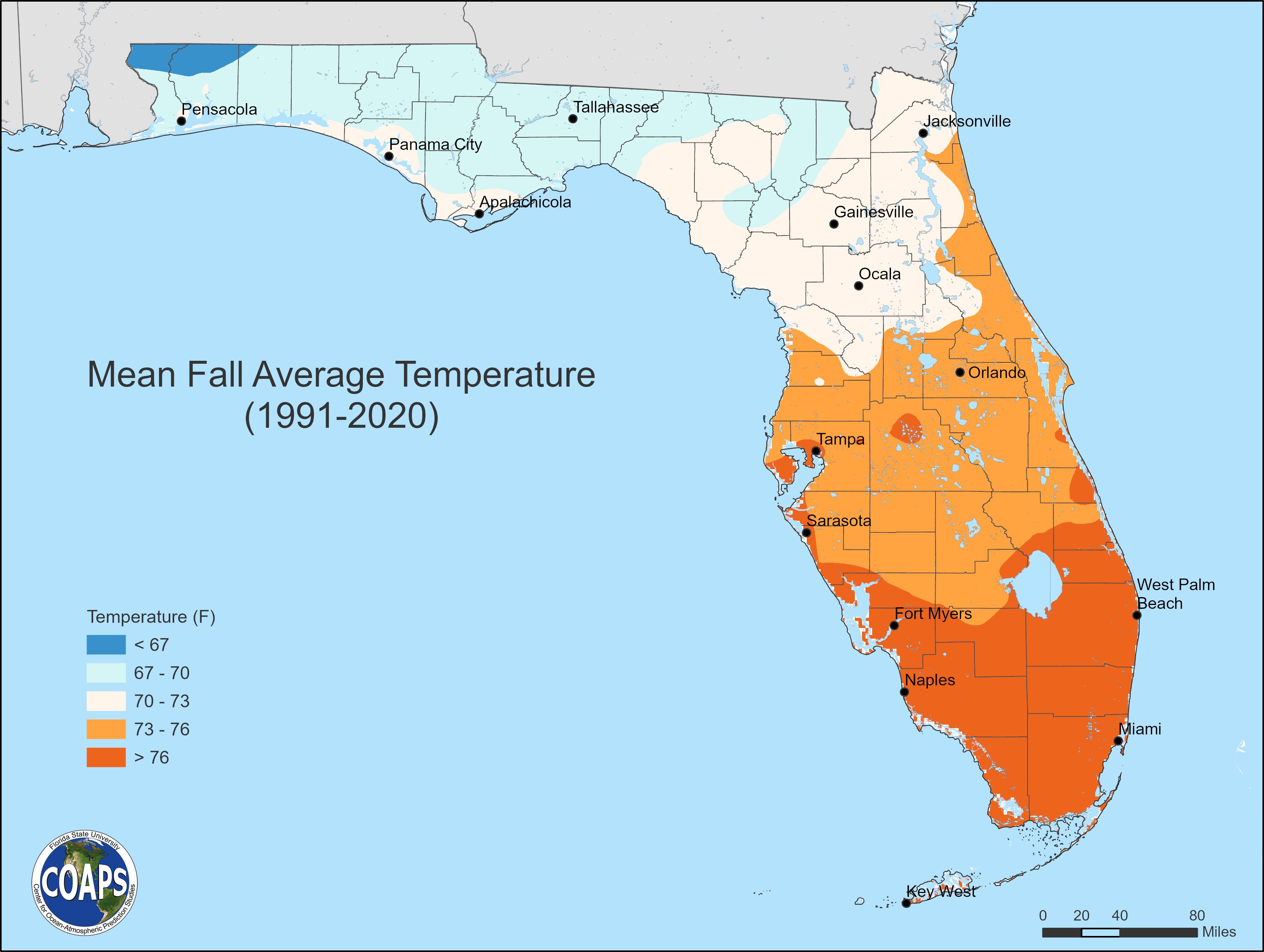
Autumn in Florida offers a gradual cooling and a decrease in humidity, though the transition is more pronounced in the northern parts of the state. September can still feel very much like summer, especially in South Florida, with lingering heat and humidity. As October and November progress, temperatures begin to drop. North Florida starts to experience cooler evenings and more comfortable daytime temperatures, with average highs in the 70s Fahrenheit (21-26°C). Central Florida sees similar cooling, with highs in the mid-70s to low 80s Fahrenheit (24-28°C). South Florida and the Keys remain warm, but the extreme heat and humidity of summer begin to recede, making it increasingly pleasant. This is another excellent time for outdoor activities and visiting attractions like Walt Disney World Resort.
Key Weather Phenomena and Considerations
Beyond the general temperature and precipitation patterns, several specific weather phenomena are characteristic of Florida’s climate.
Humidity
Florida is known for its high humidity levels, particularly during the summer months. This can make even moderate temperatures feel much hotter and contribute to the distinct atmospheric feel of the state. Travelers should be prepared for this, especially when planning outdoor activities.
Thunderstorms
Afternoon thunderstorms are a daily occurrence during Florida’s summer. While they can be dramatic, they are usually short-lived and often provide a refreshing break from the heat. However, visitors should always be aware of lightning safety.
Hurricanes
The Atlantic hurricane season, from June 1st to November 30th, is a significant factor for anyone traveling to or living in Florida. While not every year sees a direct hit, the possibility of tropical storms and hurricanes necessitates preparedness, especially during the peak months of August, September, and October. Coastal areas and the Keys are particularly vulnerable. Understanding evacuation routes and having a plan is crucial for those visiting during this period. Resorts and hotels, such as the Ritz-Carlton, Naples, often have robust emergency plans in place.
Sea Breezes and Coastal Influence
Florida’s extensive coastline plays a vital role in moderating its weather. Sea breezes frequently offer a cooling effect, especially along the eastern coast facing the Atlantic Ocean and the western coast along the Gulf of Mexico. These breezes can make coastal areas slightly cooler than inland regions, particularly during the summer.
By understanding these nuances of Florida’s average weather, visitors and residents can better plan their activities, pack appropriately, and truly embrace the Sunshine State experience, from the vibrant energy of Miami Beach to the tranquil beauty of the Florida Keys.
LifeOutOfTheBox is a participant in the Amazon Services LLC Associates Program, an affiliate advertising program designed to provide a means for sites to earn advertising fees by advertising and linking to Amazon.com. Amazon, the Amazon logo, AmazonSupply, and the AmazonSupply logo are trademarks of Amazon.com, Inc. or its affiliates. As an Amazon Associate we earn affiliate commissions from qualifying purchases.