
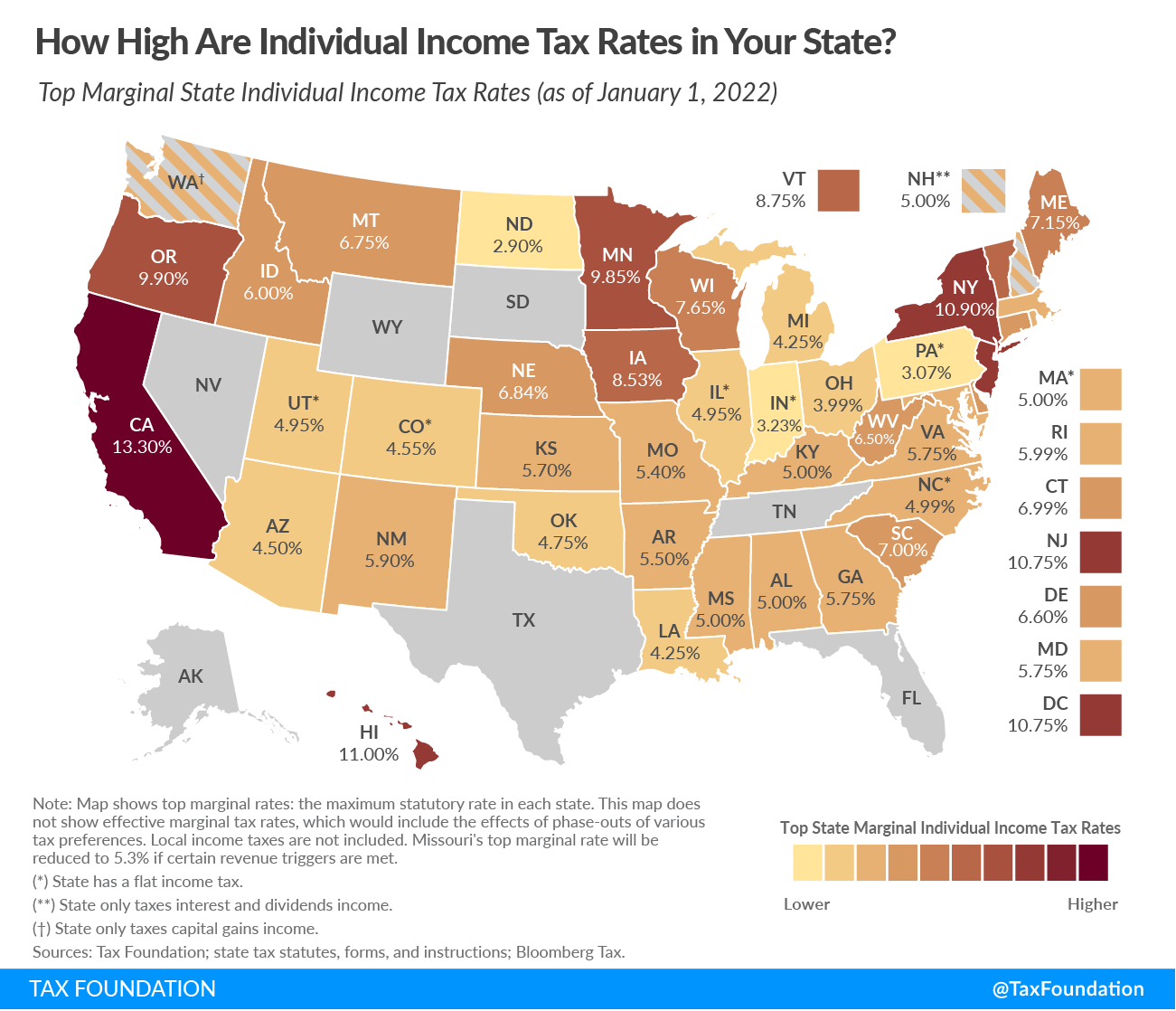
Understanding the financial landscape of a destination is crucial for any traveler, especially for those considering extended stays or even relocation. Florida, often lauded for its sunshine and vibrant tourism, presents a unique fiscal profile for its visitors and residents alike. While many states impose an income tax on their citizens, Florida stands out as one of the few that does not. This absence of a state-level income tax is a significant draw and a key factor in its popularity as a tourist haven and a desirable place to live.
This financial advantage allows individuals to retain a larger portion of their earnings, directly impacting their disposable income for leisure, accommodation, and experiences. For tourists, this can translate into more flexibility in their travel budgets, enabling longer trips, more luxurious accommodations, or a deeper dive into the diverse activities Florida has to offer.

The Absence of State Income Tax: A Florida Advantage
Florida’s fiscal policy, specifically its lack of a state income tax, is a cornerstone of its economic appeal. This policy has been in place for decades and is enshrined in the state constitution. It means that individuals earning wages, salaries, or even investment income within the state are not subject to a state-level income tax deduction from their paychecks or annual tax filings.
Historical Context and Constitutional Basis
The decision to forgo an income tax was not a recent development. Early state leaders recognized the potential for a tax system that relied more heavily on sales and property taxes, believing this would foster economic growth and attract businesses and individuals. This stance has been consistently upheld, making Florida a beacon for those seeking financial advantages in their personal and professional lives. The state constitution explicitly prohibits the imposition of a personal income tax.
Implications for Tourists and Travelers
For the millions of tourists who flock to Florida each year, the absence of state income tax offers immediate financial relief. While federal income tax still applies, the elimination of a state-level tax means more of your vacation budget can be allocated to experiences. This could mean extra days exploring Walt Disney World, indulging in fine dining in Miami, or enjoying extended stays at luxury resorts like the Ritz-Carlton, Amelia Island. The savings can be substantial, particularly for families on longer vacations or individuals who frequently visit the state.
Impact on Residents and Businesses
Beyond tourism, the lack of income tax significantly impacts Florida residents and businesses. It attracts retirees seeking to maximize their fixed incomes and professionals looking for higher net earnings. Businesses also benefit, as they can attract talent more easily by offering competitive post-tax compensation packages. This economic environment has contributed to Florida’s robust population growth and its status as a major economic hub in the United States.
Alternative State Revenue Sources
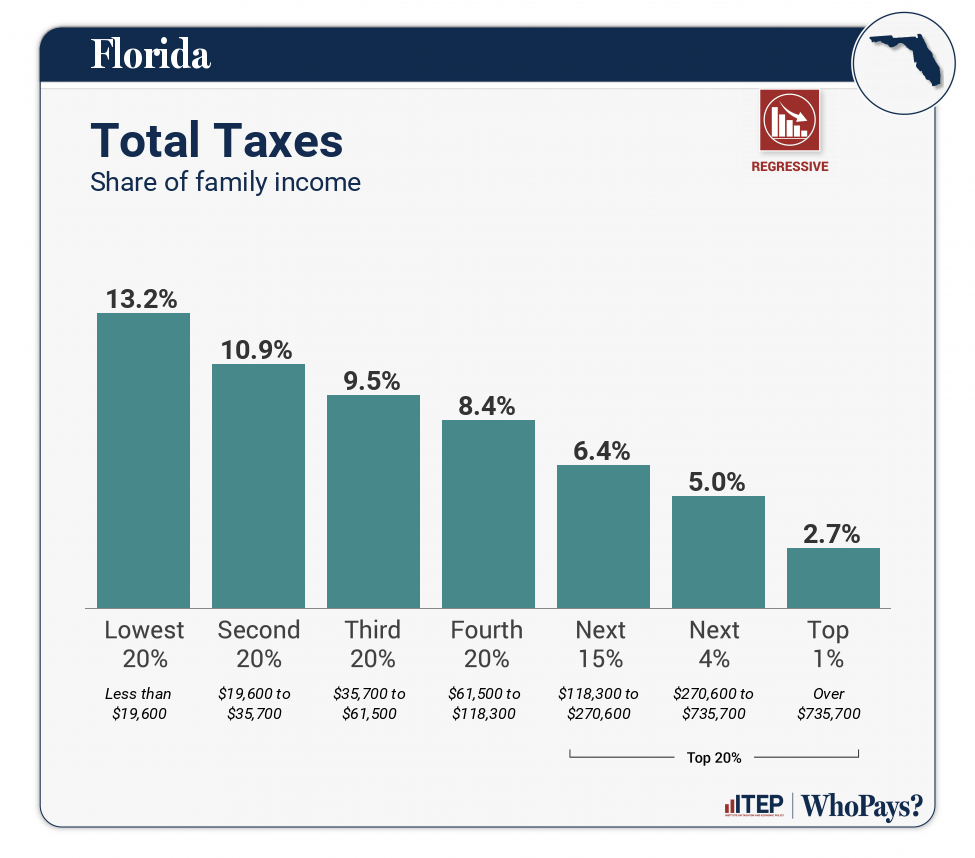
While Florida doesn’t have an income tax, it still requires significant revenue to fund public services, infrastructure, education, and law enforcement. The state relies on a combination of other taxes to meet these financial obligations. Understanding these sources is key to grasping the full fiscal picture of the Sunshine State.
Sales Tax
The primary revenue generator for Florida is its sales tax. This tax is applied to the sale of tangible goods and certain services. The statewide sales tax rate is 6%, with an additional 1% discretionary sales surtax allowed for counties, bringing the maximum potential sales tax rate to 7%. However, some counties have a lower combined rate. Exemptions exist for groceries, prescription drugs, and certain other essential items. This tax is directly paid by consumers at the point of sale, making it a highly visible part of the cost of goods and services. For tourists, this means that while their income remains untaxed, their spending on non-essential items will include a sales tax component.
Property Tax
Property taxes are another significant source of revenue for Florida, primarily funding local governments and school districts. These taxes are levied by counties, municipalities, and special taxing districts based on the assessed value of real estate and tangible personal property. Property tax rates vary widely depending on the location and the specific taxing authorities. Homeowners can benefit from homestead exemptions, which reduce the taxable value of their primary residence. For those considering vacation rentals or longer stays, understanding local property tax implications, even indirectly through rental costs, is beneficial.
Other Taxes and Fees
Beyond sales and property taxes, Florida also generates revenue through a variety of other taxes and fees. These include:
- Gasoline Taxes: Levied on motor fuels, contributing to road maintenance and transportation infrastructure.
- Intangibles Tax: A small tax on certain intangible personal property, though it has been largely repealed.
- Corporate Income Tax: While individuals are not taxed on their income, Florida does have a corporate income tax. This is a crucial factor for businesses operating within the state.
- Documentary Stamp Tax: A tax on documents such as deeds and mortgages when real estate is transferred.
- Lodging Taxes: Taxes imposed on hotel stays and other short-term accommodations, a direct contributor to the tourism industry’s funding.
These diverse revenue streams allow Florida to operate without an income tax while still providing essential public services and maintaining its attractive environment for residents and visitors.
Financial Planning for Visitors and Potential Residents
The absence of a state income tax significantly simplifies financial planning for those visiting or considering a move to Florida. This unique tax structure allows for greater predictability in disposable income.
Maximizing Vacation Budgets
For vacationers, the elimination of state income tax means that every dollar earned can be fully applied to their travel expenses. This can lead to:
- Extended Stays: A longer vacation becomes more financially feasible.
- Upgraded Experiences: The budget might allow for a suite at the Fontainebleau Miami Beach or exclusive tours of attractions like Everglades National Park.
- Increased Spending on Local Economies: More disposable income translates into greater spending at local restaurants, shops, and on activities, benefiting the state’s tourism-dependent economy.
Evaluating Long-Term Stays and Relocation
For individuals considering longer stays, such as snowbirds, or even permanent relocation, the financial implications are even more pronounced.
- Retirement Planning: Retirees living on fixed incomes find Florida particularly appealing as their retirement funds are not subject to state income tax deductions. This allows their savings to stretch further.
- Relocation Incentives: Professionals and entrepreneurs are often drawn to Florida due to the higher take-home pay they can achieve compared to states with income taxes. This can influence decisions to move businesses or careers to the state.
- Comparative Analysis: When comparing Florida to other states, the absence of income tax is a major factor. It effectively lowers the cost of living for high earners and those with significant investment income.
It is important to remember that federal income tax obligations remain regardless of the state of residence. However, the absence of a state-level income tax in Florida represents a substantial financial advantage for both temporary visitors and permanent residents.
Navigating Florida’s Tax Landscape
While the absence of an income tax is a primary highlight, navigating Florida’s broader tax landscape requires awareness of sales, property, and other taxes. This holistic understanding is vital for anyone spending significant time or money in the state.
Understanding Sales Tax on Tourist-Related Expenses
The 6% to 7% sales tax in Florida directly impacts tourist spending. This includes:
- Souvenirs and Merchandise: Purchases at shops in Orlando or Key West will include sales tax.
- Dining Out: Restaurant bills will be subject to this tax.
- Attraction Tickets: Entrance fees to theme parks, museums, and other attractions typically include sales tax.
- Car Rentals: Rental agreements for vehicles will have the sales tax added.
Some counties may offer exemptions on certain services or goods, but for most tourist purchases, the sales tax is a standard component of the price.
Property Tax Considerations for Vacation Homeowners
For those who own property in Florida, whether a vacation home or a primary residence, property taxes are a significant annual expense.
- Assessed Value: The tax is based on the assessed value of the property, determined by local property appraisers.
- Millage Rates: Local governments set “millage rates,” which determine the tax amount per $1,000 of assessed value.
- Homestead Exemption: Florida offers a significant homestead exemption for primary residences, reducing the taxable value and thus the property tax burden. This is a key incentive for permanent residency.
- Other Exemptions: Additional exemptions may be available for seniors, veterans, and other specific groups.
Even for renters, understanding property taxes can be insightful, as they often contribute to rental costs indirectly.
The Broader Economic Impact
The absence of an income tax has profoundly shaped Florida’s economic development. It has fostered a competitive environment that attracts investment, talent, and tourism. The reliance on sales and property taxes means that the state’s revenue is closely tied to consumer spending and real estate markets. This creates a dynamic economic system that is both appealing and subject to market fluctuations. For any visitor, resident, or potential investor, understanding Florida’s unique tax structure is fundamental to appreciating its economic character and making informed financial decisions within the Sunshine State.
LifeOutOfTheBox is a participant in the Amazon Services LLC Associates Program, an affiliate advertising program designed to provide a means for sites to earn advertising fees by advertising and linking to Amazon.com. Amazon, the Amazon logo, AmazonSupply, and the AmazonSupply logo are trademarks of Amazon.com, Inc. or its affiliates. As an Amazon Associate we earn affiliate commissions from qualifying purchases.