
The Florida Peninsula is a geographical marvel, a distinct landmass that has captivated explorers, settlers, and tourists for centuries. Extending southward from the North American continent, it is an integral part of the United States and is synonymous with sunshine, vibrant culture, and diverse ecosystems. Understanding the Florida Peninsula is key to appreciating its unique character, its economic significance, and the myriad of experiences it offers to visitors.
Geographical Identity and Formation
The Florida Peninsula is a land of low elevation, characterized by its extensive coastlines, numerous lakes, and porous limestone bedrock. Geologically, it is a relatively young landmass, formed primarily from marine sediments and coral deposits accumulated over millions of years. This geological foundation has a profound impact on the region’s hydrology, leading to the formation of vast underground aquifer systems, such as the Floridan Aquifer, which is a critical source of freshwater.
The Shape and Boundaries
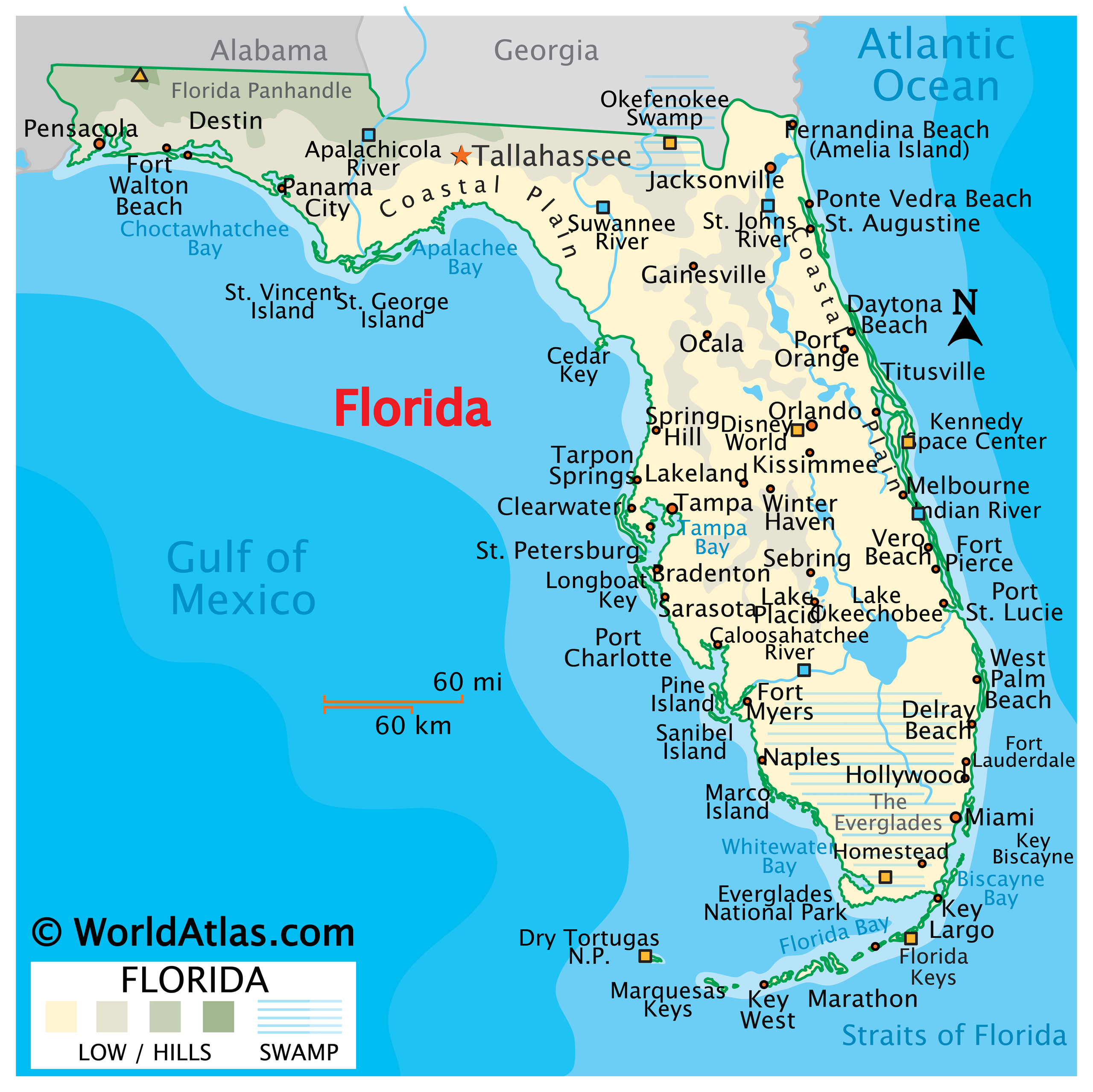
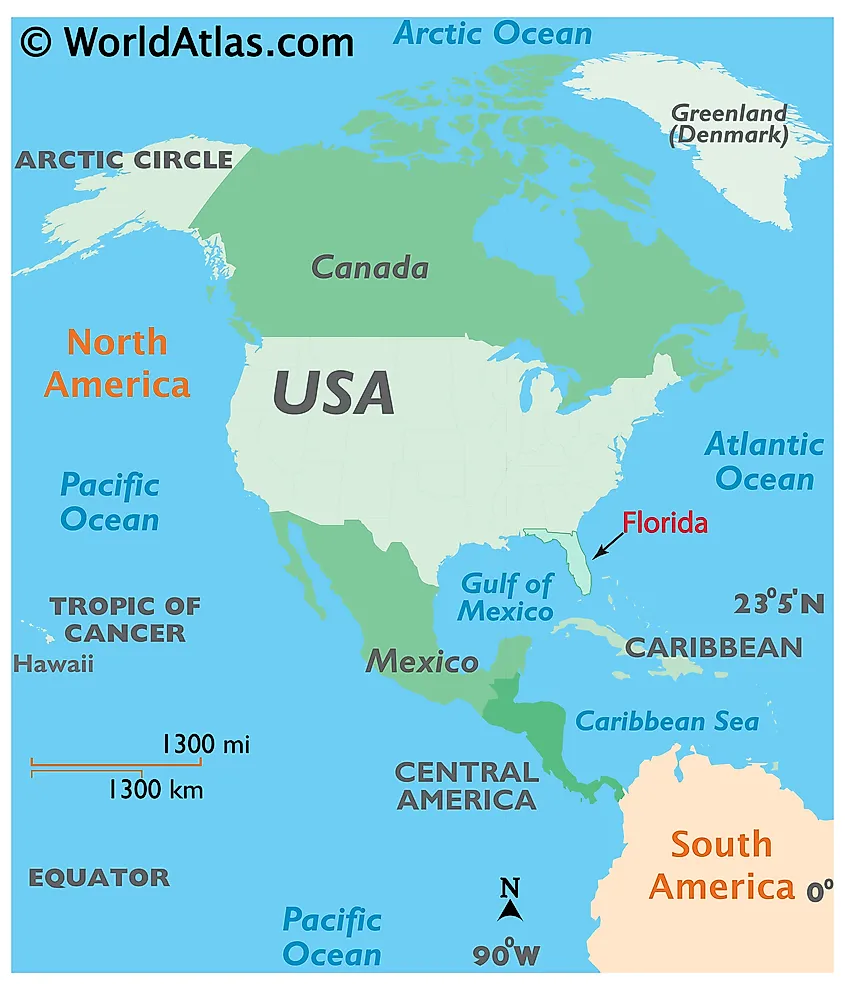
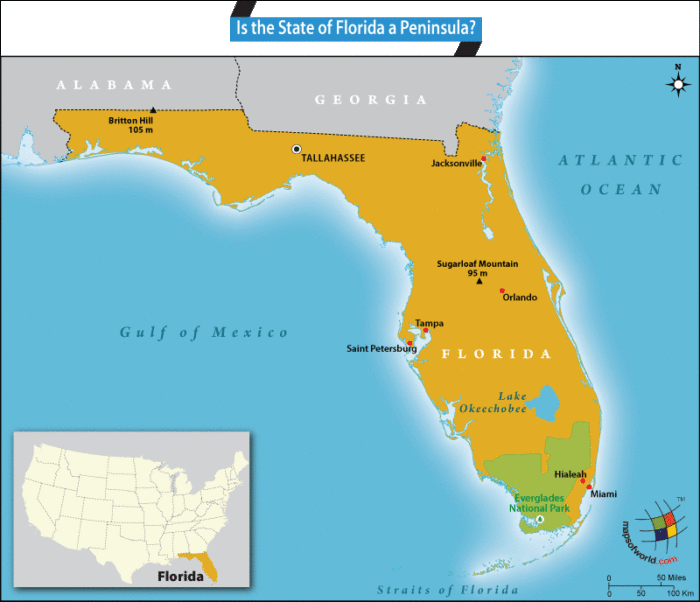
The most defining characteristic of the Florida Peninsula is its elongated, finger-like shape. It stretches approximately 400 miles from north to south, with its widest point being about 350 miles. To the east, it is bordered by the Atlantic Ocean, while to the west, it faces the Gulf of Mexico. This extensive coastline, spanning over 1,350 miles, is one of its most prized assets, offering diverse beach experiences from the sandy shores of the Panhandle to the tropical allure of South Florida.
Geological Underpinnings and Hydrology
The limestone base of the Florida Peninsula is riddled with cavities and sinkholes, a direct result of the dissolution of the rock by slightly acidic groundwater. This karst topography influences the landscape dramatically, creating natural springs, underground rivers, and the unique wetland ecosystems that are crucial to the state’s ecology. The Everglades, a sprawling subtropical wetland, is a prime example of this hydrological influence, a vast, slow-moving river of grass that is a UNESCO World Heritage site.
The Climate and Its Influence
The climate of the Florida Peninsula is overwhelmingly subtropical to tropical, with distinct regional variations. This climate is a primary driver of its tourism industry, its agricultural output, and its unique biodiversity.
Sunshine State: A Climate Profile
The nickname “Sunshine State” is well-earned. Florida experiences abundant sunshine throughout the year, with average annual temperatures ranging from the mid-60s Fahrenheit in the north to the low 80s Fahrenheit in the south. The peninsula experiences a wet season during the summer months, characterized by afternoon thunderstorms, and a drier, milder winter. The southeastern tip of the peninsula, including Miami, experiences a true tropical monsoon climate.
Hurricanes and Weather Patterns
A significant aspect of the Florida Peninsula’s climate is its susceptibility to tropical cyclones, commonly known as hurricanes. The warm waters of the Atlantic and Gulf of Mexico provide ideal conditions for these powerful storms to form, particularly during the Atlantic hurricane season from June 1 to November 30. The state has developed robust hurricane preparedness and evacuation plans to mitigate the impact of these events.
Biodiversity and Natural Wonders
The unique geography and climate of the Florida Peninsula have fostered an extraordinary array of flora and fauna, making it a biodiversity hotspot.
Ecosystems of the Peninsula
From the pine flatwoods and cypress swamps of the interior to the mangrove forests and coral reefs along the coasts, the Florida Peninsula boasts a diverse range of ecosystems. The Everglades National Park, a protected wetland ecosystem, is home to iconic species like the American alligator, Florida panther, and manatee. The Florida Keys, a chain of tropical islands extending southwest from the mainland, feature the only living coral barrier reef in the United States, the Florida Reef Tract.
Iconic Wildlife and Flora
The peninsula is a vital habitat for numerous species, many of which are found nowhere else. Birdwatchers flock to Florida to observe migratory patterns and resident species, including roseate spoonbills and wood storks. The state’s waters teem with marine life, from dolphins and sea turtles to a variety of fish species that support a significant recreational and commercial fishing industry. The iconic sabal palm is the official state tree.
Cultural Tapestry and Human Settlement
The Florida Peninsula has been shaped by a rich history of human settlement, from indigenous tribes to diverse waves of immigrants, creating a vibrant and multifaceted culture.
Indigenous Heritage
Long before European colonization, the peninsula was inhabited by various indigenous peoples, including the Timucua, Calusa, and Seminole tribes. These groups developed sophisticated societies adapted to the unique environment of the peninsula, leaving behind archaeological evidence of their presence. The Seminole Tribe of Florida continues to be a significant cultural and political entity in the state.
Colonial History and Statehood
European exploration began in the 16th century with Juan Ponce de León claiming the land for Spain in 1513, naming it “La Florida” in honor of the Easter season. Control of the territory shifted between Spain and Great Britain before ultimately being ceded to the United States in 1821. Florida officially became a U.S. state in 1845. The period leading up to statehood was marked by the Second Seminole War.
Modern Demographics and Cultural Influences
Today, the Florida Peninsula is a melting pot of cultures, with significant influences from Latin America and the Caribbean, particularly in South Florida. The city of Miami is renowned for its vibrant Cuban heritage and its role as a gateway to Latin America. This cultural diversity is reflected in its cuisine, music, art, and festivals, making it a dynamic and cosmopolitan region.
Economic Drivers and Tourism
The Florida Peninsula’s natural beauty, climate, and rich history have made it a global leader in tourism and a significant economic engine for the nation.
Tourism: The Sunshine State’s Crown Jewel
Tourism is arguably the most significant economic driver of the Florida Peninsula. Millions of visitors flock to its shores each year, drawn by its world-class theme parks like Walt Disney World and Universal Orlando Resort, its pristine beaches, vibrant cities, and natural attractions. The hospitality industry, encompassing hotels, restaurants, and entertainment venues, is a major employer.
Key Cities and Attractions
Major metropolitan areas such as Miami, Orlando, Tampa, and Jacksonville serve as hubs for commerce, culture, and tourism. Each offers a unique set of attractions. Orlando is the theme park capital of the world, while Miami is celebrated for its Art Deco architecture, nightlife, and multicultural ambiance. The historic city of St. Augustine, the oldest continuously inhabited European-established settlement in the United States, draws history buffs.
Beyond Tourism: Other Economic Sectors
While tourism is paramount, the Florida Peninsula also boasts robust sectors in agriculture, aerospace, healthcare, and finance. The fertile lands are ideal for growing citrus fruits, sugarcane, and vegetables. Its strategic location and ports also make it a significant center for international trade and logistics. The Kennedy Space Center Visitor Complex at Cape Canaveral remains a vital hub for space exploration and a major tourist draw.
In conclusion, the Florida Peninsula is far more than just a geographical appendage of the North American continent. It is a dynamic land shaped by its unique geology, climate, and a rich tapestry of human history and cultural influences, offering an unparalleled array of natural wonders and human-made marvels that continue to enchant and attract visitors from around the globe.
LifeOutOfTheBox is a participant in the Amazon Services LLC Associates Program, an affiliate advertising program designed to provide a means for sites to earn advertising fees by advertising and linking to Amazon.com. Amazon, the Amazon logo, AmazonSupply, and the AmazonSupply logo are trademarks of Amazon.com, Inc. or its affiliates. As an Amazon Associate we earn affiliate commissions from qualifying purchases.