
Understanding the nuances of state sales tax is crucial for any traveler, especially when considering significant purchases like a vehicle. For those planning a trip to the Sunshine State, or even a longer stay, knowing the ins and outs of the Florida sales tax on cars can save you money and prevent unexpected expenses. This guide will delve into the specifics of how Florida levies sales tax on vehicle purchases, including new and used cars, as well as the impact of local taxes and other potential fees.
Understanding the Basics of Florida Sales Tax on Vehicles
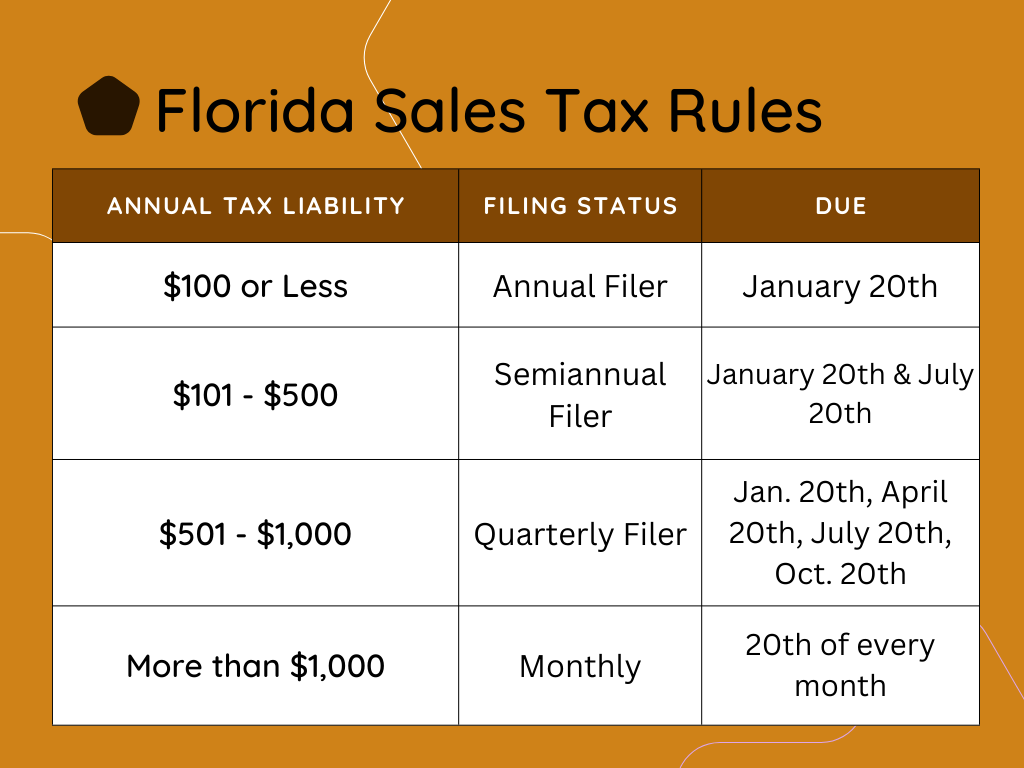
The state of Florida imposes a sales tax on the retail sale of tangible personal property, and vehicles are no exception. This tax is applied to the purchase price of a new or used car when it is registered in the state. The primary sales tax rate in Florida is 6%. However, this rate can be higher in certain counties due to the addition of local discretionary sales surtaxes.
State Sales Tax Rate
The base state sales tax rate for motor vehicles in Florida is 6%. This rate is applied to the final purchase price of the vehicle after any applicable discounts, but before any trade-in value is deducted. It’s important to distinguish this from the tax on other goods and services, as vehicle sales often have specific regulations.
Local Discretionary Sales Surtaxes
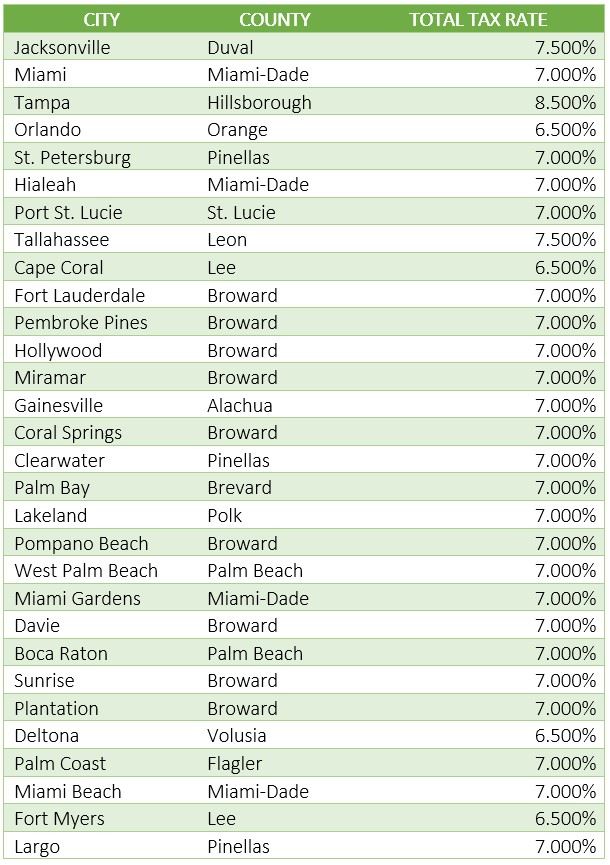
In addition to the state sales tax, many of Florida’s 67 counties levy a local discretionary sales surtax. These surtaxes vary by county and can range from 0.5% to 1.5%. This means the total sales tax rate on a car purchase can range from 6% to 7.5%, depending on where the vehicle is being purchased and registered. For example, a car purchased in Miami-Dade County will have a different total tax rate than one purchased in Orange County.
It is essential to identify the specific county where you intend to register your vehicle, as that is typically where the combined state and local sales tax will be applied. The Florida Department of Revenue provides a comprehensive list of county surtax rates, which is an invaluable resource for potential buyers.
Taxable Amount
The sales tax is calculated on the “taxable price” of the vehicle. This generally means the purchase price after any manufacturer rebates or cash discounts offered by the dealer are applied. However, trade-in allowances are typically not deducted before calculating sales tax. This means if you trade in a vehicle worth $5,000 and purchase a new car for $25,000, the sales tax will likely be calculated on the full $25,000, not $20,000.
Special Considerations for Vehicle Purchases in Florida
Beyond the standard sales tax, several specific scenarios and exemptions might affect the total cost of purchasing a vehicle in Florida. Understanding these can lead to significant savings or prevent unexpected liabilities.
New vs. Used Vehicles
The sales tax rate is generally the same for both new and used vehicles. The key factor is the purchase price and the applicable local surtaxes. Whether you are buying a brand-new model from a dealership in Tampa or a pre-owned car from a private seller in Jacksonville, the sales tax principles apply.
Private Sales
When purchasing a vehicle from a private seller in Florida, you are still responsible for paying sales tax. This tax is typically paid directly to the county tax collector when you register the vehicle and obtain a title. The tax is calculated on the “actual purchase price” paid to the seller. However, if the purchase price is deemed significantly lower than the vehicle’s market value, the Florida Department of Revenue may assess tax based on the established market value.
Out-of-State Purchases and Registration
If you are a resident of Florida and purchase a vehicle in another state but intend to register it in Florida, you will be subject to Florida sales tax. You will typically pay this tax when you register the vehicle with the county tax collector. You may receive a credit for any sales tax paid to the other state, but this is not always the case, and it’s essential to verify the specifics to avoid double taxation.
Conversely, if you are visiting Florida and purchase a vehicle here to take back to your home state, you may not have to pay Florida sales tax, provided you can provide proof of non-residency and that the vehicle will be titled and registered in your home state. Dealerships will often handle this exemption, but it’s crucial to communicate your intentions clearly and have the necessary documentation.
Sales Tax Exemptions
Florida offers certain exemptions from sales tax on vehicle purchases. These can include:
- Vehicles purchased by non-resident military personnel stationed in Florida: Under specific conditions, active duty military personnel who are not Florida residents may be exempt.
- Vehicles purchased by certain governmental agencies: Federal, state, and local government entities are generally exempt.
- Vehicles purchased for export: As mentioned, vehicles purchased by non-residents for use outside of Florida may be exempt if properly documented.
- Disabled veterans: Florida law provides a sales tax exemption on the purchase of one motor vehicle every two years for qualifying disabled veterans.
It is imperative to consult the official Florida Department of Revenue guidelines or a tax professional to confirm eligibility for any of these exemptions.
Additional Fees and Taxes
Beyond the sales tax, Florida also imposes other fees and taxes when registering a vehicle. These are separate from the sales tax but contribute to the overall cost of vehicle ownership.
Title Fees
A fee is charged to issue a certificate of title for the vehicle. This fee can vary but is generally around $75 to $85.
Registration Fees
Annual registration fees are required to operate a vehicle on Florida roads. These fees are based on factors such as the vehicle’s weight, type (e.g., passenger car, truck, motorcycle), and age. For example, a standard passenger car registration might be around $45, while a larger vehicle will incur higher costs.
Plate Fees
There are also fees associated with obtaining license plates. These fees are typically a few dollars.
Optional Fees
In addition to mandatory fees, individuals may opt for personalized license plates, which come with an additional annual fee.
When budgeting for a vehicle purchase in Florida, it is essential to factor in not only the sales tax but also these registration and title fees. These costs are paid at the county tax collector’s office when the vehicle is officially registered and titled.
Navigating the Purchase Process
Whether you are a tourist exploring the attractions of Orlando or a new resident settling in Miami, understanding the sales tax implications for car purchases is a vital part of responsible financial planning.
Purchasing from a Dealership
When buying from a licensed dealer, the sales tax is typically calculated and collected at the point of sale. The dealer will then remit the tax to the state. They will also handle the initial titling and registration paperwork, though you will still need to pay the associated fees. Be sure to review all paperwork carefully and ask questions if anything is unclear regarding the taxes and fees being applied.
Purchasing from a Private Seller
If you buy a car from a private seller, you will need to visit your local county tax collector’s office to pay the sales tax, title the vehicle, and register it. You will need to bring the bill of sale, the vehicle’s title, and proof of Florida insurance. Remember to have the correct payment for the sales tax (based on the purchase price and local surtaxes) and the title and registration fees.
Importance of Accurate Information
Providing accurate information during the sales process is paramount. Misrepresenting the purchase price, intended use, or residency status can lead to penalties, back taxes, and interest charges from the Florida Department of Revenue. Always be truthful and transparent.
In conclusion, the Florida sales tax on cars is a combination of a state rate and potentially a local discretionary surtax, creating a variable tax burden depending on the county. Coupled with title and registration fees, these costs are an integral part of vehicle ownership in the state. By understanding these components and any applicable exemptions, individuals can navigate the car-buying process in Florida with confidence and clarity, ensuring they are prepared for all associated expenses.
LifeOutOfTheBox is a participant in the Amazon Services LLC Associates Program, an affiliate advertising program designed to provide a means for sites to earn advertising fees by advertising and linking to Amazon.com. Amazon, the Amazon logo, AmazonSupply, and the AmazonSupply logo are trademarks of Amazon.com, Inc. or its affiliates. As an Amazon Associate we earn affiliate commissions from qualifying purchases.