
The Sunshine State, a perennial favorite for vacations and permanent residences alike, buzzes with activity year-round. From the theme parks of Orlando to the sun-drenched beaches of Miami, navigating Florida often involves a vehicle. Whether you’re a local resident or a visitor renting a car, understanding the ins and outs of vehicle identification is crucial for a smooth experience. Among the key identifiers for any registered vehicle in Florida is its registration number. This seemingly simple sequence of characters holds significant importance, serving as a unique identifier and a gateway to essential information for both owners and authorities.

The Significance of the Florida Vehicle Registration Number
The Florida vehicle registration number, often found on your registration certificate and license plate, is more than just a random assortment of letters and numbers. It is a critical piece of information that confirms a vehicle’s legal status within the state and is instrumental in a variety of administrative and operational processes.
Uniquely Identifying Your Vehicle
At its core, the registration number acts as a unique fingerprint for your automobile. No two registered vehicles in Florida will share the same registration number. This distinctiveness is paramount for several reasons, including:
- Law Enforcement: When law enforcement officers conduct traffic stops or investigate incidents, the registration number allows them to quickly identify the specific vehicle involved and access relevant information, such as ownership, insurance status, and any outstanding violations.
- Toll Collection: In Florida, the state utilizes an electronic toll collection system, such as the SunPass. Your vehicle’s registration number is often linked to your toll transponder or used for plate-based tolling, ensuring that tolls are accurately charged and collected.
- Parking Enforcement: Municipalities and private parking facilities use registration numbers to track parking permits, identify unauthorized vehicles, and issue citations.
- Vehicle History Reports: When purchasing a used vehicle, a registration number can be used in conjunction with the vehicle identification number (VIN) to access comprehensive history reports, revealing past accidents, title issues, and ownership records.
- Insurance Claims: In the unfortunate event of an accident, the registration number facilitates the exchange of information between parties and assists insurance companies in processing claims efficiently.
Legal Compliance and Ownership Verification
The registration number is intrinsically linked to the legal ownership and operational status of a vehicle. When a vehicle is properly registered with the Florida Department of Highway Safety and Motor Vehicles (FLHSMV), it signifies that the owner has met all state requirements, including obtaining necessary insurance and paying applicable taxes and fees.
- Proof of Registration: The registration certificate, which prominently displays the registration number, serves as legal proof that the vehicle is authorized to operate on public roads in Florida.
- Ownership Transfer: When a vehicle changes hands, the registration number is updated to reflect the new owner, ensuring a clear and traceable chain of ownership. This is a vital step in preventing fraud and maintaining accurate public records.
- Annual Renewal: The registration number is tied to an annual renewal process. Failure to renew your registration results in an expired registration, rendering the vehicle illegal to operate.
Where to Find Your Florida Vehicle Registration Number
Locating your Florida vehicle registration number is straightforward. It is typically found in two primary locations:
On Your Registration Certificate
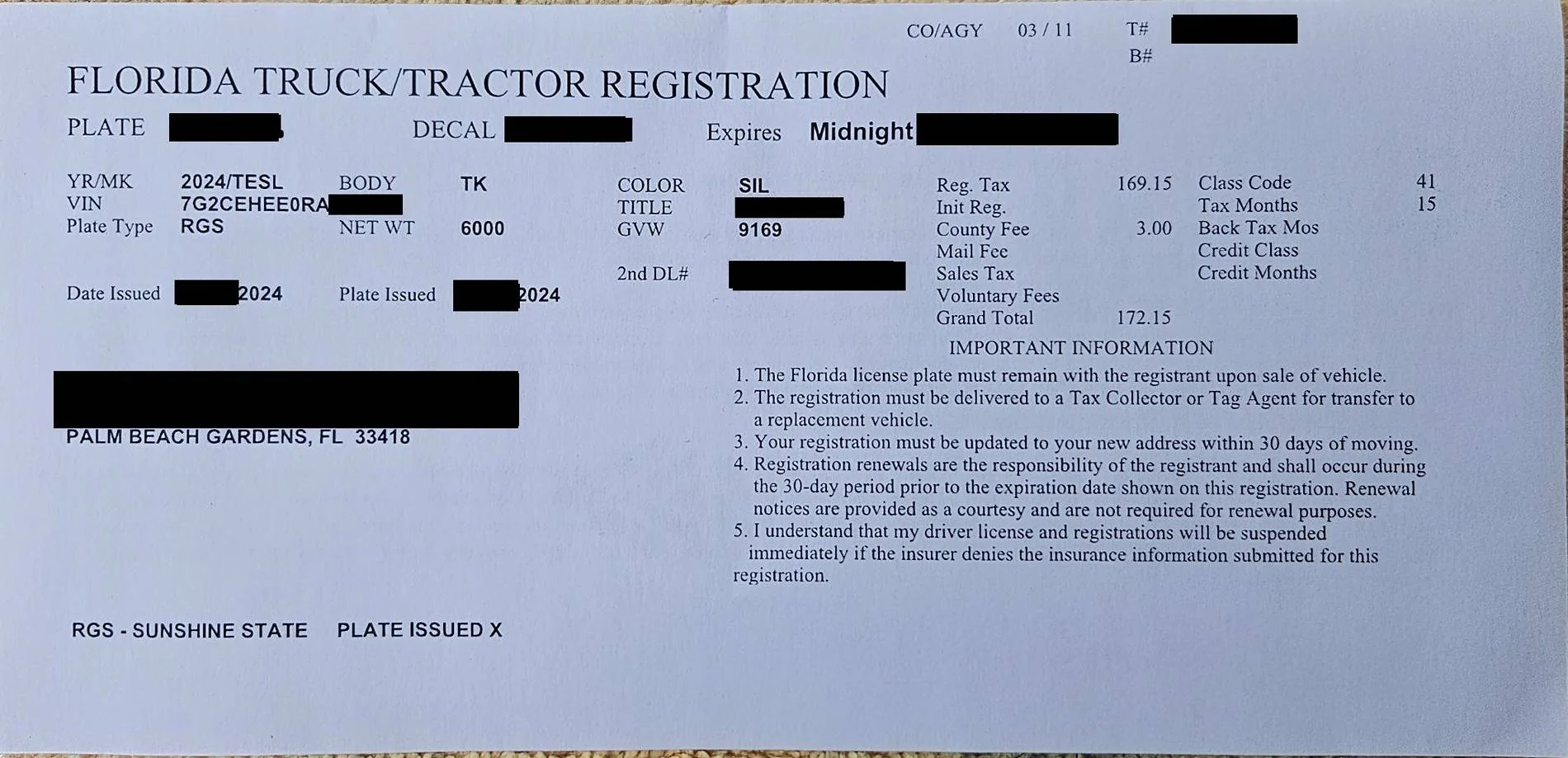
The most definitive place to find your vehicle registration number is on the official registration certificate issued by the FLHSMV. This document is typically a small card or paper that you are legally required to keep with you while operating your vehicle. The registration number will be clearly labeled on this certificate.
On Your License Plate
While the registration certificate is the definitive source, the registration number is also often displayed on your vehicle’s license plate. However, it is important to distinguish the registration number from the license plate number itself. In Florida, the license plate number is what you typically see affixed to the rear (and sometimes front) of your vehicle. The registration number is the unique identifier associated with that specific vehicle’s registration record.
It’s important to note that the format of license plates and the way registration information is displayed can vary slightly over time and with different plate designs. However, the registration certificate will always provide the accurate and official registration number.
Understanding the Format and Structure
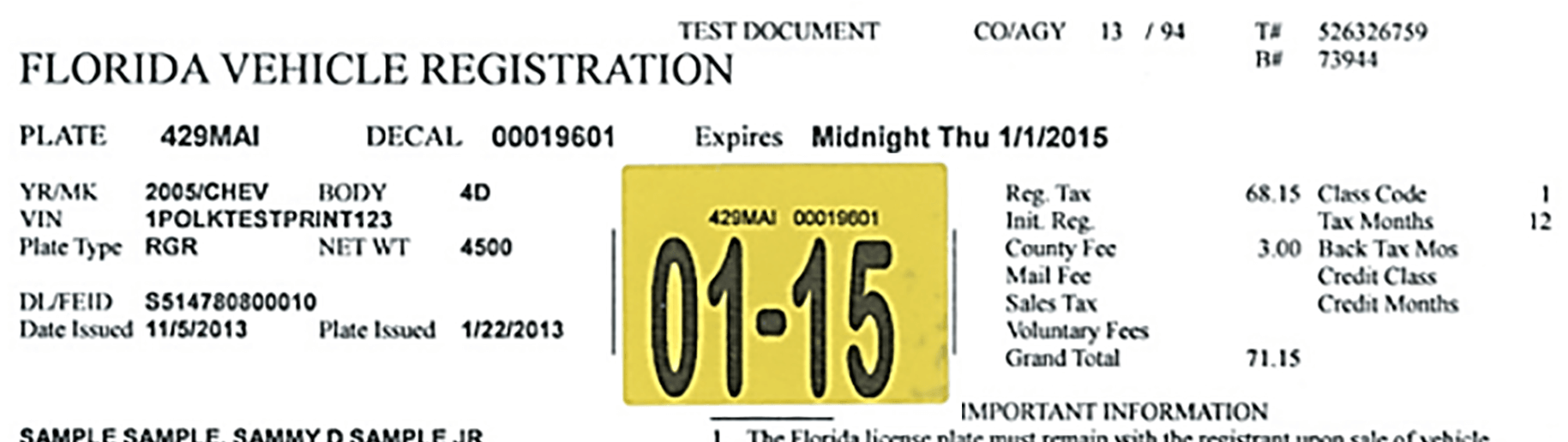
While the exact format of a Florida vehicle registration number can vary, it is generally a combination of alphanumeric characters. The goal is to create a unique identifier that is both easily distinguishable and manageable for data processing.
Alphanumeric Combinations
Historically, Florida vehicle registration numbers have often consisted of a series of letters and numbers. The specific sequence is generated by the state’s motor vehicle system to ensure uniqueness.
- Example Formats (Illustrative and Subject to Change):
- ABC 1234
- 1234567
- AB 12345 C
The system is designed to create a vast pool of unique identifiers to accommodate the millions of registered vehicles in the state. The FLHSMV manages this allocation to prevent duplication.
Distinguishing from the VIN
It is crucial to differentiate the vehicle registration number from the Vehicle Identification Number (VIN).
- Vehicle Identification Number (VIN): The VIN is a 17-character alphanumeric code that is unique to each individual vehicle manufactured. It is permanently affixed to the vehicle itself, typically found on the dashboard near the windshield, on the driver’s side doorjamb, or on the engine block. The VIN identifies the manufacturer, year of manufacture, model, and specific features of a vehicle.
- Vehicle Registration Number: As discussed, the registration number is assigned by the state and is linked to the vehicle’s registration record. It is subject to change if the vehicle is re-registered or if the plate is replaced.
Understanding this distinction is vital for various purposes, from purchasing insurance to obtaining vehicle history reports.
The Role of the Registration Number in Tourism
For visitors to Florida, understanding the vehicle registration number, even if it’s not their own, can be beneficial. When renting a car, the rental agency will provide you with all necessary documentation, including the registration certificate, which will display the rental car’s registration number. This is important to have in case of any traffic stops or minor incidents.
Tolls and Navigation
Florida boasts an extensive network of toll roads, especially around major tourist hubs like Miami, Orlando, and Tampa. Many of these tolls are cashless, meaning your license plate is scanned, and the toll is charged to the registered owner of the vehicle.
- Rental Cars: Rental companies typically have arrangements for paying tolls. They will often charge your credit card on file for any tolls incurred, plus a service fee. The registration number of the rental car is an integral part of this process, linking the vehicle to the toll system.
- Personal Vehicles: If you are driving your own vehicle into Florida from another state, you will need to ensure your registration is up-to-date and consider obtaining a Florida transponder for potential discounts and convenience on toll roads.
Visitor Permits and Local Regulations
While not directly tied to the registration number itself, being aware of Florida’s vehicle registration requirements is important for anyone considering an extended stay or relocating. Visitors on short trips generally do not need to obtain a Florida registration if their out-of-state plates are valid. However, local parking regulations, especially in popular tourist destinations or in areas like South Beach, may require specific permits or adherence to parking rules, which often involve vehicle identification.
Conclusion: A Fundamental Identifier for Florida Drivers
The Florida vehicle registration number is a fundamental identifier that underpins the state’s system for managing and tracking its vast number of registered automobiles. From ensuring legal compliance and facilitating law enforcement to streamlining toll collection and providing essential vehicle history, this alphanumeric code plays a multifaceted role. Whether you are a resident navigating your daily commute or a tourist exploring the attractions of the Sunshine State, understanding the significance of your vehicle’s registration number contributes to a safer, more efficient, and more informed driving experience. The FLHSMV diligently manages this system to maintain order and accountability on Florida’s roadways, making the registration number an indispensable part of the state’s automotive infrastructure.
LifeOutOfTheBox is a participant in the Amazon Services LLC Associates Program, an affiliate advertising program designed to provide a means for sites to earn advertising fees by advertising and linking to Amazon.com. Amazon, the Amazon logo, AmazonSupply, and the AmazonSupply logo are trademarks of Amazon.com, Inc. or its affiliates. As an Amazon Associate we earn affiliate commissions from qualifying purchases.