
Navigating the Sunshine State with responsible enjoyment in mind is crucial for any visitor. Understanding the legal drinking limits in Florida is not just about adhering to the law; it’s about ensuring a safe and enjoyable experience, whether you’re enjoying a sunset cocktail in Miami or a craft beer after a day exploring the Everglades. This guide delves into Florida’s regulations concerning alcohol consumption, focusing on what travelers and residents need to know to stay within legal boundaries and avoid potential pitfalls.
Understanding Blood Alcohol Content (BAC) in Florida
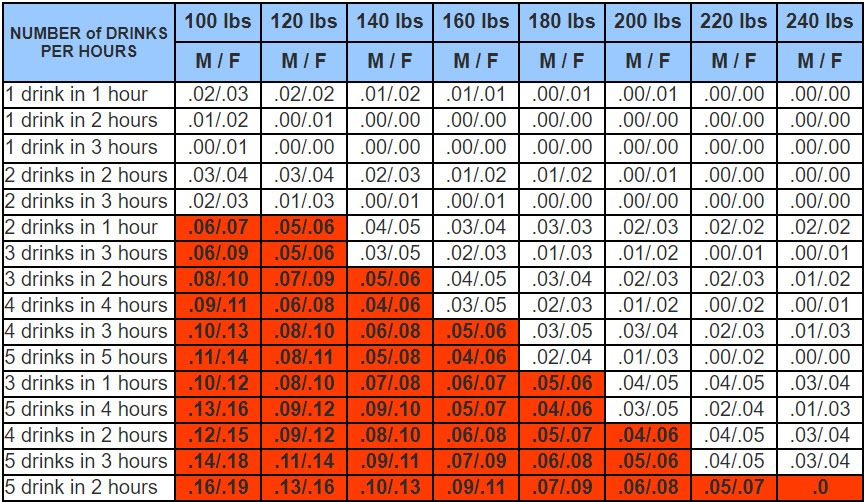
The cornerstone of legal drinking limits in Florida, as in most of the United States, is the Blood Alcohol Content (BAC) level. BAC is a measure of the amount of alcohol present in a person’s bloodstream. It is typically expressed as a percentage. For instance, a BAC of 0.08 means that 0.08% of a person’s blood volume is alcohol. This measurement is the primary factor in determining if an individual is legally intoxicated and therefore impaired to operate a vehicle.

The Standard BAC Limit for Driving
In Florida, the legal BAC limit for drivers aged 21 and older is 0.08 percent. This threshold signifies that a driver is considered legally impaired. It is important to understand that this is a maximum limit. Even if your BAC is below 0.08, if law enforcement officers observe that your driving ability is demonstrably impaired by alcohol or any other substance, you can still be charged with driving under the influence (DUI). This is often referred to as having a BAC of 0.05 to 0.07 percent, but exhibiting impairment.
Several factors influence how quickly your BAC rises and how long it stays elevated. These include:
- Body Weight: Generally, individuals with higher body weight can consume more alcohol before reaching a BAC of 0.08.
- Sex: Due to differences in body composition and metabolism, women tend to reach higher BAC levels than men after consuming the same amount of alcohol.
- Food Consumption: Having food in your stomach slows the absorption of alcohol into the bloodstream. Drinking on an empty stomach will lead to a faster and higher BAC.
- Type of Alcohol: While the alcohol content varies between different beverages, it’s the total amount of pure alcohol consumed that matters for BAC.
- Time: Your body metabolizes alcohol at a relatively consistent rate, typically around 0.015 BAC per hour. This means that time is the only way to lower your BAC.
BAC Limits for Commercial Drivers and Underage Drivers
Florida has stricter BAC limits for specific groups of drivers to enhance public safety:
- Commercial Drivers: Drivers operating commercial motor vehicles (CMVs) are held to a significantly lower BAC standard. For these individuals, the legal limit is 0.04 percent. This is because the operation of CMVs carries a greater risk to public safety due to their size and the nature of the cargo they may carry.
- Underage Drivers (Under 21): Florida has a zero-tolerance policy for drivers under the age of 21. This means that it is illegal for anyone under 21 to drive with any amount of alcohol in their system. While the specific BAC threshold for an initial offense might be set at 0.02 percent (as a BAC of 0.02 can be detected in a breathalyzer test for individuals under 21), any detectable amount of alcohol in the bloodstream constitutes a violation. Penalties for underage DUI can include license suspension, fines, and mandatory alcohol education programs, even for a first offense.
Legal Age for Alcohol Purchase and Consumption in Florida
In Florida, the legal age to purchase and consume alcoholic beverages is 21 years old. This is a federal standard implemented across all states, including Florida. It is illegal for anyone under the age of 21 to:
- Purchase alcoholic beverages.
- Possess alcoholic beverages.
- Consume alcoholic beverages.
Retailers in Florida are required to verify the age of purchasers using a valid government-issued photo ID. Failure to do so can result in penalties for the establishment. Similarly, individuals under 21 found to be in possession of or consuming alcohol can face legal consequences. This applies whether the alcohol is purchased legally or illegally, or obtained from another individual.
Exceptions to the Age 21 Rule
While the age of 21 is strictly enforced for general purchase and consumption, there are very limited exceptions in Florida, primarily for educational or religious purposes. These are often related to parental supervision:
- Parental Presence: In some private residences, if a parent or legal guardian is present and consents, an individual under 21 may be legally permitted to consume alcohol. However, this is a narrow exception and does not extend to public establishments or unsupervised settings.
- Religious Ceremonies: The use of alcohol in religious ceremonies where the consumption is part of the sacrament is also an exception.
It is crucial to note that these exceptions are highly specific and do not in any way authorize underage individuals to purchase alcohol, possess it in public, or operate a vehicle after consumption. The primary goal of the law remains to prevent underage drinking and its associated risks.
DUI Laws and Penalties in Florida
Driving Under the Influence (DUI) laws in Florida are strictly enforced to ensure the safety of all road users. A DUI charge is serious and can have significant consequences, even for a first offense.
What Constitutes a DUI in Florida?
A DUI arrest can occur if a law enforcement officer has probable cause to believe that a driver is impaired by alcohol or drugs. As previously mentioned, this can be based on:
- BAC Level: Exceeding the legal BAC limit of 0.08 for drivers 21 and older, 0.04 for commercial drivers, or having any detectable alcohol for drivers under 21.
- Physical Impairment: Even if your BAC is below the legal limit, if your physical coordination, speech, or behavior indicates impairment due to alcohol or drugs, you can be charged with DUI. This is often referred to as “actual physical control.”
Penalties for DUI Offenses
The penalties for a DUI conviction in Florida vary depending on the circumstances, including the number of prior offenses and whether there were any aggravating factors, such as a crash, injuries, or the presence of a minor in the vehicle.
First DUI Offense:
- Fines: Typically range from $500 to $1,000, or more if there are aggravating factors.
- Jail Time: Up to six months in jail.
- License Suspension: A minimum of 180 days (six months) driver’s license suspension.
- Ignition Interlock Device (IID): Mandatory installation of an IID for a period ranging from six months to one year.
- Probation: Up to one year of probation.
- Community Service: Mandated community service hours.
- DUI School: Completion of a DUI education program.
Second DUI Offense (within 5 years):
- Fines: $1,000 to $2,500, or more.
- Jail Time: Up to nine months in jail.
- License Revocation: A minimum of five years driver’s license revocation (though it may be eligible for hardship reinstatement after one year).
- IID: Mandatory installation for a longer period.
Third DUI Offense (within 10 years):
- Considered a felony, with significantly more severe penalties, including longer prison sentences and extended license revocation.
Aggravating Factors:
- DUI with Injury: Penalties are significantly increased, with potential felony charges and extended prison sentences.
- DUI with Fatality: This can lead to charges of vehicular manslaughter or even murder, carrying severe felony penalties and lengthy prison terms.
- Presence of a Minor: Having a child under 18 in the vehicle during a DUI offense can lead to enhanced penalties, including child endangerment charges.
Responsible Alcohol Consumption for Tourists and Locals
Responsible alcohol consumption is paramount for enjoying Florida’s vibrant atmosphere, from the lively nightlife of Fort Lauderdale to the relaxed beach bars of the Florida Keys. Understanding and adhering to the legal drinking limits is a fundamental aspect of this responsibility.
Tips for Staying Safe and Legal
- Know Your Limits: Be aware of how alcohol affects you personally. What might be one drink for one person could be more potent for another.
- Pace Yourself: Drink slowly and alternate alcoholic beverages with water or non-alcoholic drinks.
- Eat Before and While Drinking: Consuming food slows alcohol absorption.
- Don’t Drink and Drive: This is the most critical rule. If you plan to drink, arrange for a designated driver, use ride-sharing services like Uber or Lyft, or utilize taxi services. Many hotels, including those in Orlando, offer shuttle services or are located near public transportation.
- Be Aware of Your Surroundings: When enjoying drinks at bars or restaurants, stay aware of your personal belongings and your companions.
- Understand “Last Call”: While there isn’t a universal “last call” time in Florida, many establishments have their own policies. Be mindful of closing times and plan your transportation accordingly.
- Hydrate: Drink plenty of water, especially in Florida’s warm climate, to prevent dehydration, which can exacerbate the effects of alcohol.
- Report Suspicious Activity: If you witness someone who appears to be over-served or driving under the influence, report it to the appropriate authorities.
Alcohol and Public Spaces
Florida law generally prohibits open containers of alcohol in public spaces, such as streets, sidewalks, and parks, unless specifically permitted by local ordinances. Many cities have designated entertainment districts where open containers are allowed within certain boundaries, but it’s essential to be aware of these specific rules. When visiting popular tourist areas like South Beach, always look for signage or ask local authorities about open container laws.
Enjoying Florida Responsibly
Florida offers a wealth of experiences, from the theme parks of Tampa to the historic charm of St. Augustine. By understanding and respecting the legal drinking limits and DUI laws, visitors and residents can ensure their adventures are memorable for all the right reasons. Prioritizing safety and responsible choices allows everyone to fully appreciate the beauty and excitement that the Sunshine State has to offer.
LifeOutOfTheBox is a participant in the Amazon Services LLC Associates Program, an affiliate advertising program designed to provide a means for sites to earn advertising fees by advertising and linking to Amazon.com. Amazon, the Amazon logo, AmazonSupply, and the AmazonSupply logo are trademarks of Amazon.com, Inc. or its affiliates. As an Amazon Associate we earn affiliate commissions from qualifying purchases.