
Florida, with its diverse ecosystems ranging from subtropical wetlands to pine flatwoods, is a haven for a remarkable variety of snake species. For many visitors and even residents, encountering a snake is an inevitable part of experiencing the Sunshine State’s natural beauty. Understanding which species are most frequently observed can enhance appreciation for the local wildlife and contribute to a safer, more informed interaction with the environment. This article delves into the serpent tapestry of Florida, highlighting the snakes that are most likely to cross your path during your travels or outdoor adventures.

Identifying Florida’s Abundant Serpents
When exploring Florida’s scenic landscapes, from the Everglades National Park to the coastal dunes and suburban backyards, certain snake species stand out due to their prevalence and adaptability. These snakes are not necessarily the most dangerous, but rather the most ubiquitous, often thriving in proximity to human settlements or in habitats that are easily accessible. Distinguishing between these common species is key to understanding Florida’s unique herpetofauna and fostering a sense of wonder rather than apprehension.
The Non-Venomous Majority
The vast majority of snake species encountered in Florida are harmless and play crucial roles in controlling rodent populations and other small prey. Their presence is a testament to the state’s healthy, albeit sometimes modified, natural environments. Familiarizing oneself with these common, non-venomous snakes is the first step in appreciating Florida’s wildlife.
Garter Snakes: The Backyard Buddies
Perhaps the most commonly encountered snake across North America, and certainly a frequent sight in Florida, is the garter snake. Several species of garter snakes inhabit the state, including the Eastern Garter Snake (Thamnophis sirtalis) and the Florida Garter Snake (Thamnophis sauritus). These slender, relatively small snakes are incredibly adaptable, thriving in a wide array of habitats from moist meadows and woodlands to gardens and suburban lawns. They are often seen basking in the sun or foraging for food such as earthworms, amphibians, and small insects. Their docile nature and lack of venom make them a familiar and generally welcomed sight for many Floridians. You might find them under rocks, logs, or in dense vegetation near water sources. Their coloration can vary widely, but they often display longitudinal stripes of yellow, green, or white against a darker background.
Black Racers: The Speedy Surveyors
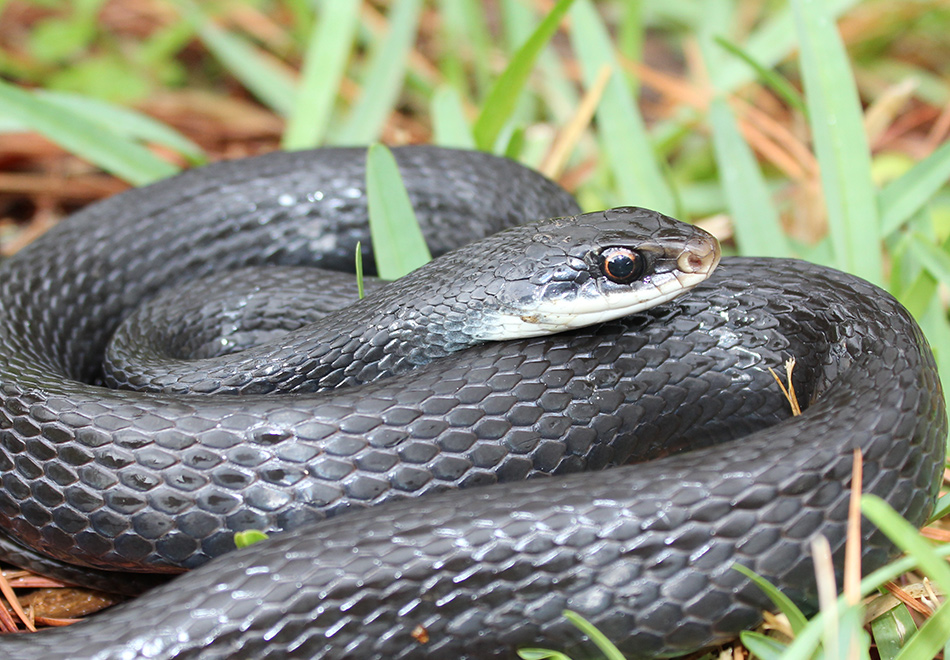
Another highly visible and frequently observed snake is the black racer (Coluber constrictor constrictor). True to their name, these snakes are known for their rapid movement and their entirely black dorsal coloration (though juveniles may show some patterning). Black racers are slender, medium-to-large snakes that inhabit a variety of terrestrial environments, including pine forests, scrublands, agricultural fields, and even suburban areas. They are diurnal hunters, actively pursuing their prey which includes rodents, birds, amphibians, and other reptiles. Despite their imposing appearance and speed, black racers are non-venomous and generally shy away from humans. If cornered, they may exhibit defensive behaviors such as hissing and striking, but they are not aggressive and their bite, while capable of drawing blood, is harmless. Their presence is often a good indicator of a healthy ecosystem with sufficient prey populations.
Corn Snakes: The Colorful Critters
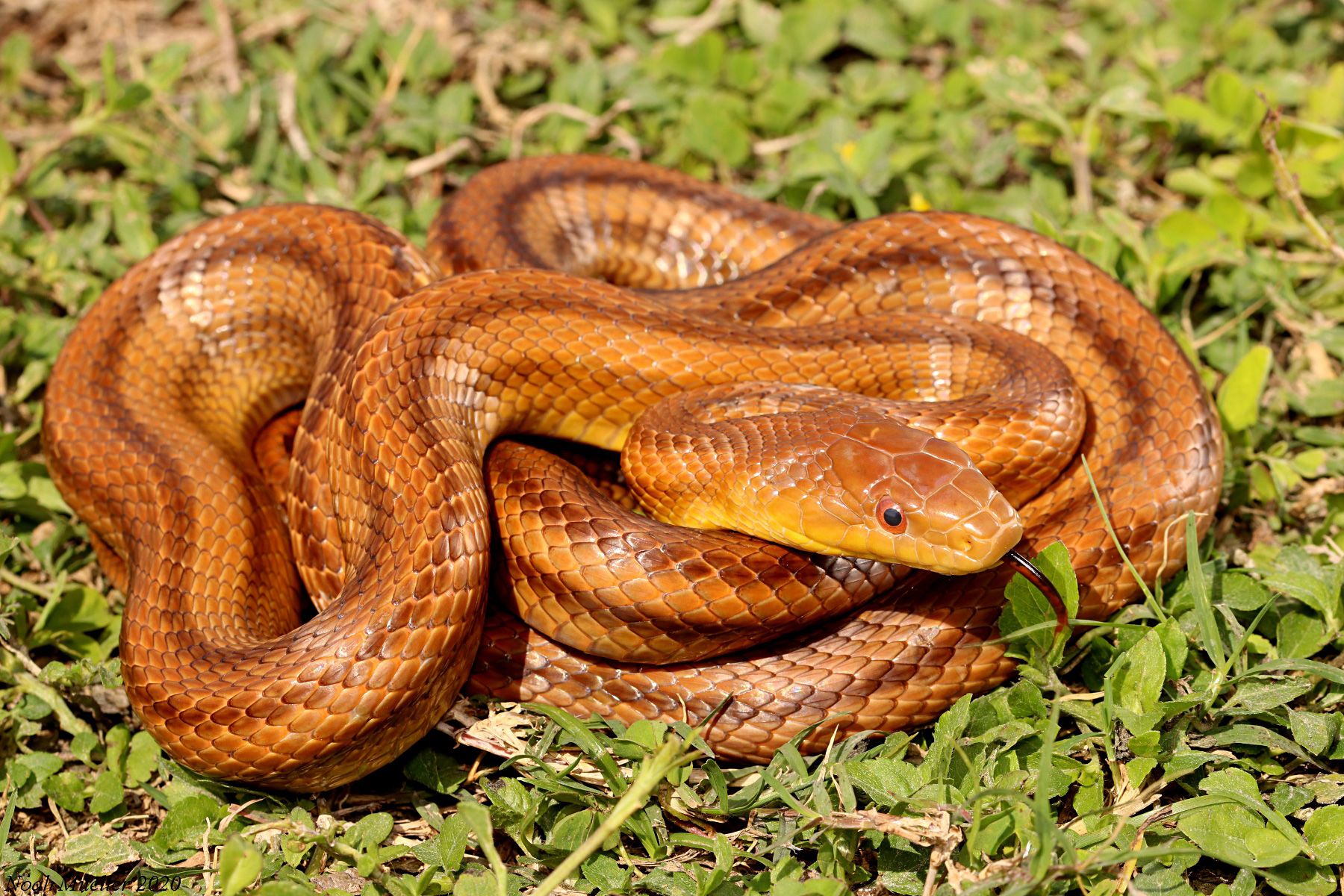
Often cited as one of the most beautiful and commonly seen snakes, the corn snake (Pantherophis guttatus) is a staple in Florida’s diverse habitats. These constrictors are medium-sized, with a distinctive pattern of reddish-orange blotches outlined in black running down their backs, set against a background of tan or gray. This coloration is responsible for their common name, as the pattern resembles dried corn. Corn snakes are terrestrial and often found in woodlands, pine forests, scrublands, and agricultural areas, where they prey on rodents, birds, and eggs. They are primarily nocturnal but can be seen basking during the day. Their docile temperament and attractive appearance have also made them popular choices for the pet trade, but wild populations are a common sight for those exploring Florida’s natural areas, especially around old barns or rock piles where rodents are abundant.
Water Snakes: The Aquatic Assemblage
The term “water snake” in Florida often refers to several species of non-venomous snakes that inhabit aquatic or semi-aquatic environments. The most commonly encountered is the Florida Green Water Snake (Nerodia floridana), a large, robust snake that prefers slow-moving freshwater habitats like swamps, marshes, ditches, and lakes. They are typically olive green to brown with darker, irregular blotches. Another common water snake is the Banded Water Snake (Nerodia fasciata), which is highly variable in appearance but often displays prominent dark bands. These snakes are excellent swimmers and divers, feeding primarily on fish and amphibians. While they are non-venomous, they possess a strong musk and can deliver a defensive bite if handled or threatened, which is generally not medically significant but can be unpleasant. Their prevalence in many waterways and canals means they are frequently observed by kayakers, anglers, and those enjoying Florida’s abundant aquatic recreational opportunities.
Venomous Encounters: Understanding the Risks
While non-venomous snakes are far more common, it is important for visitors and residents to be aware of Florida’s venomous species as well, though encounters are generally less frequent and often avoidable with proper precautions. Recognizing these snakes is crucial for safety.
The Copperhead and the Cottonmouth
Florida is home to two primary groups of venomous snakes: pit vipers and coral snakes. Among the pit vipers, the Copperhead (Agkistrodon contortrix) is found in the northern and central parts of the state, preferring wooded areas, rocky outcrops, and the edges of fields. They are medium-sized snakes with a coppery-brown color and distinct hourglass-shaped bands.
The Cottonmouth (Agkistrodon piscivorus), also known as the water moccasin, is a semi-aquatic pit viper found throughout Florida, favoring swamps, marshes, and slow-moving rivers. They are stout-bodied snakes, typically dark brown or olive, and are known for their defensive display of opening their mouth to reveal a white interior. While both are venomous and should be avoided, their sightings are less frequent than their non-venomous counterparts in most human-populated areas.
The Eastern Coral Snake
The Eastern Coral Snake (Micrurus fulvius) is Florida’s only native venomous elapid. These striking snakes are easily identifiable by their vibrant bands of red, yellow, and black. They are reclusive and primarily fossorial, meaning they spend much of their time underground or hidden in leaf litter, making encounters rare. They inhabit sandy areas, pine forests, and scrublands. A common rhyme, “Red touches yellow, kills a fellow; red touches black, friend of Jack,” helps distinguish them from their non-venomous mimics, though it’s best to admire all snakes from a distance.
Where to Spot These Snakes
Florida’s diverse habitats offer numerous opportunities for observing its serpentine residents. The best locations often depend on the specific species, but general areas known for their rich biodiversity and accessible nature trails are prime spots.
Natural Parks and Wildlife Refuges
For those seeking a concentrated wildlife viewing experience, Florida’s numerous state and national parks and wildlife refuges are unparalleled. Places like the Myakka River State Park near Sarasota, the Ocala National Forest, and the Corkscrew Swamp Sanctuary offer boardwalks and trails through diverse ecosystems, increasing the chances of spotting snakes in their natural habitats. The Anclote Key Preserve State Park and other coastal areas can also yield interesting finds.
Suburban and Urban Green Spaces
Surprisingly, many common snake species, particularly garter snakes and black racers, are quite adept at living alongside humans. Suburban yards, city parks, and even golf courses can provide suitable habitats with ample food sources and hiding places. Areas with dense vegetation, access to water, and fewer predators are particularly attractive to these adaptable creatures. Always exercise caution and respect when observing wildlife in these areas.
Coastal and Wetland Environments
Florida’s extensive coastline and vast wetland areas are prime territory for water snakes and other species adapted to these environments. Exploring canals, marshes, mangrove forests, and the edges of lakes and rivers, especially during warmer months, can lead to frequent sightings of various water snake species. Kayaking or canoeing through these areas offers a unique perspective and an excellent opportunity for wildlife observation.
Responsible Snake Encounters
Observing snakes in their natural habitat is a rewarding aspect of visiting or living in Florida. However, it is essential to do so responsibly and safely. Understanding the common species, respecting their space, and knowing when to admire from afar are key principles for a positive wildlife experience.
Maintain a Safe Distance
The golden rule of snake observation is to maintain a safe distance. Never attempt to handle, capture, or provoke any snake, whether you believe it to be venomous or not. Many snakebites occur when people try to interact with snakes. Use binoculars or a telephoto lens on your camera to get a closer look without disturbing the animal.
Educate Yourself and Others
Knowing which snakes are common and understanding their behavior can greatly reduce fear and enhance appreciation. Educating oneself and sharing this knowledge with others, particularly children, is vital for promoting coexistence. Familiarizing yourself with local wildlife resources and identification guides can further deepen your understanding.
Support Conservation Efforts
The presence of common snakes is often an indicator of a healthy environment. Supporting conservation efforts that protect Florida’s natural habitats ensures that these fascinating creatures, and the ecosystems they inhabit, will continue to thrive for generations to come. Visiting and supporting Florida’s state parks and wildlife management areas contributes directly to these conservation goals.
LifeOutOfTheBox is a participant in the Amazon Services LLC Associates Program, an affiliate advertising program designed to provide a means for sites to earn advertising fees by advertising and linking to Amazon.com. Amazon, the Amazon logo, AmazonSupply, and the AmazonSupply logo are trademarks of Amazon.com, Inc. or its affiliates. As an Amazon Associate we earn affiliate commissions from qualifying purchases.