
Florida, a state celebrated for its sun-drenched beaches, vibrant citrus groves, and diverse ecosystems, holds a particular affinity for its natural heritage. Among its many symbolic treasures, one stands out as a representation of its verdant beauty and ecological significance: the Sabal Palm. Officially designated as the state tree of Florida, Sabal palmetto is far more than just a botanical specimen; it is a living emblem woven into the fabric of the state’s identity, its history, and its iconic landscape. This article delves into the story of the Sabal Palm, exploring its botanical characteristics, its historical importance, and its enduring presence in the Sunshine State.
The Majestic Sabal Palm: A Botanical Icon
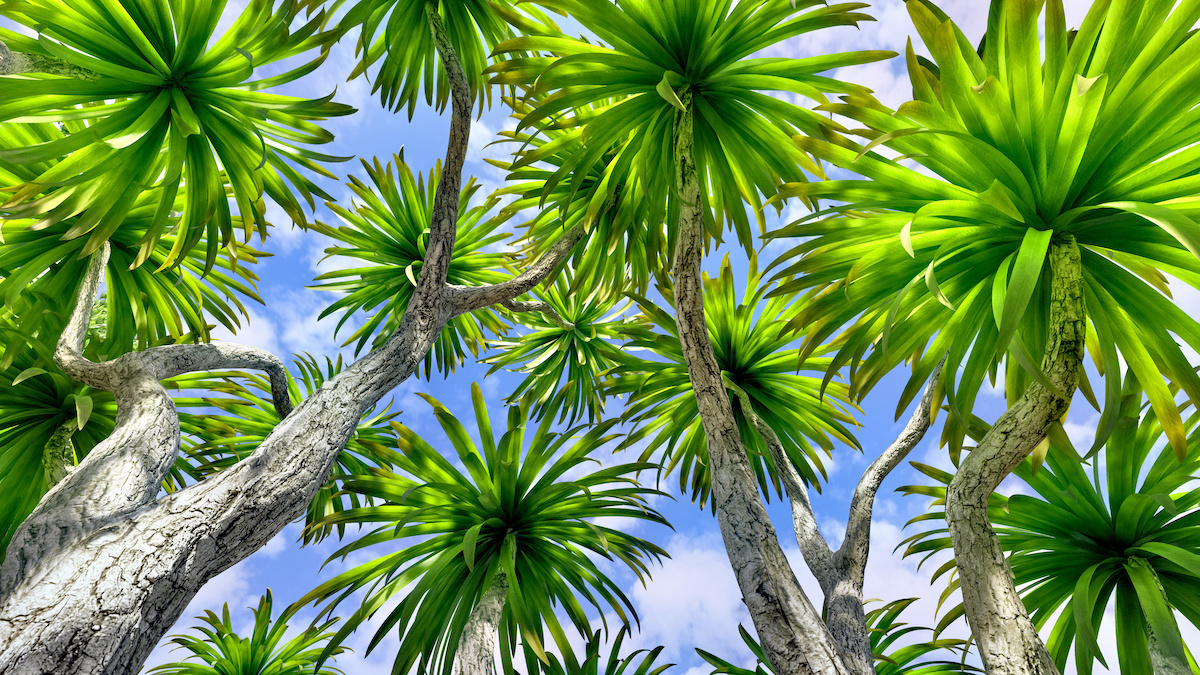
The Sabal Palm, also known as the Cabbage Palmetto, is a striking member of the Arecaceae family, a group of plants commonly referred to as palms. Its distinctive silhouette, characterized by a slender, unbranched trunk topped with a crown of large, fan-shaped leaves (known as palmate fronds), is instantly recognizable and synonymous with the subtropical allure of Florida.
Botanical Characteristics
Sabal palmetto is a remarkably resilient and adaptable species. It typically grows to heights ranging from 30 to 70 feet, though some individuals can reach up to 100 feet. The trunk, which can be up to two feet in diameter, is rough and fibrous, often covered with the persistent bases of old fronds that create a distinctive diamond pattern as the tree matures. These leaf bases, when shed, leave behind a relatively smooth trunk in older specimens.
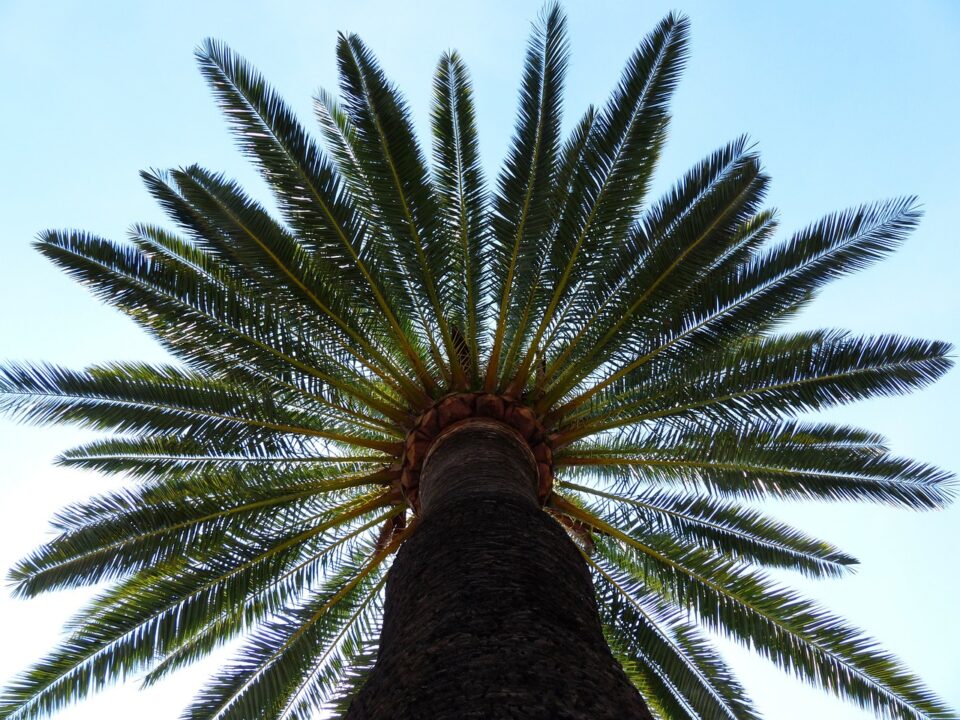
The fronds themselves are a defining feature. Each frond can be up to 10 feet long, composed of numerous stiff, fan-shaped leaflets radiating from a central petiole. These fronds grow in a whorl at the apex of the trunk, constantly renewing the tree’s lush canopy. In late spring and early summer, the Sabal Palm produces creamy white flowers in large, branching clusters, which are followed by small, black, berry-like fruits that are a food source for various wildlife.
One of the most fascinating aspects of the Sabal Palm is its ability to thrive in a wide range of conditions. It is tolerant of salt spray, making it a common sight along coastal areas, and it can also withstand considerable drought once established. This adaptability has allowed it to colonize diverse habitats across Florida, from the sandy soils of the coastal dunes to the wetter environments of the Everglades. Its deep root system provides stability and access to water, contributing to its longevity and resistance to strong winds, a crucial trait in a state prone to hurricanes.
Distinctive Features and Growth Patterns
Unlike many other palm species, the Sabal Palm does not produce true wood. Its trunk is composed of a fibrous material that, while strong, does not exhibit the growth rings characteristic of hardwood trees. This fibrous nature contributes to its flexibility and resilience in the face of wind and storm damage.
The growth of a Sabal Palm is often perceived as slow, but this is relative to its potential lifespan, which can exceed 100 years. New fronds emerge from the terminal bud, pushing older fronds outward and eventually downward. The shedding of these old fronds is a natural process that contributes to the unique texture and appearance of the trunk.
A Symbol of Florida’s History and Culture
The Sabal Palm’s significance extends far beyond its botanical attributes; it is deeply embedded in the historical and cultural narrative of Florida. For centuries, indigenous peoples and early settlers alike recognized the utility and resilience of this native tree.
Indigenous Uses and Early Settler Reliance
Long before Florida became a state, Native American tribes such as the Seminole utilized the Sabal Palm extensively. The fruits were a food source, and the fibrous trunk could be processed for various uses. The large leaves were employed for thatching roofs, providing shelter from the elements.
Early European settlers also came to appreciate the practical value of the Sabal Palm. Its strong, fibrous trunk provided a readily available building material, and its abundant fronds were ideal for roofing, fences, and even mats. The “cabbage” – the unopened terminal bud – was a source of food, though harvesting it meant the death of the tree. This practical reliance on the Sabal Palm fostered a deep connection between the people and the tree, solidifying its place in the state’s developing identity.
Official Designation and Enduring Presence
The Sabal Palm was officially designated as the state tree of Florida on July 1, 1953. This recognition cemented its status as a cherished symbol of the state’s natural beauty and heritage. Its ubiquitous presence across Florida’s varied landscapes, from the manicured gardens of Miami to the wilder reaches of the Panhandle, ensures its continued visibility and resonance. It stands sentinel in citrus groves, graces the shores of the Gulf of Mexico, and punctuates the verdant countryside, a constant reminder of Florida’s unique ecological character.

The Sabal Palm in Florida’s Landscape and Ecosystem
The Sabal Palm is an integral component of Florida’s diverse ecosystems, playing a vital role in supporting wildlife and shaping the visual character of the state. Its presence is not merely aesthetic; it is functional and essential.
Ecological Contributions
The Sabal Palm provides crucial habitat and sustenance for a variety of Florida’s native fauna. The flowers attract pollinators like bees and butterflies, and the black fruits are a favorite food of numerous bird species, including mockingbirds, robins, and waxwings. Squirrels and other small mammals also consume the fruit.
The dense foliage offers nesting sites and shelter for birds, and the rugged trunk can provide refuge for insects and small reptiles. In wetland areas, the Sabal Palm contributes to the overall health of the ecosystem by helping to stabilize soil and filter water. Its ability to thrive in both wet and dry conditions makes it a keystone species in transition zones between different habitats.
Visual Iconography and Tourism
The image of the Sabal Palm is intrinsically linked to the concept of Florida. It is a recurring motif in postcards, travel brochures, and the branding of numerous Florida businesses and organizations. Its graceful form evokes a sense of tropical paradise, drawing visitors to experience the state’s unique natural beauty.
When tourists visit Florida, they are often greeted by the sight of Sabal Palms lining highways, adorning residential streets, and standing tall in state parks like Myakka River State Park or Everglades National Park. They are a defining element of the Florida landscape, contributing to the sense of place that distinguishes the state from all others. Whether viewed from the window of a car, the deck of a beachside resort, or during a leisurely stroll through a botanical garden, the Sabal Palm is an enduring symbol of the Sunshine State’s natural splendor.
Conservation and Future of the Sabal Palm
While the Sabal Palm is a resilient species, like all natural elements, it faces challenges that necessitate attention to its conservation. Understanding these challenges ensures that this iconic tree continues to grace Florida for generations to come.
Threats and Resilience
Historically, the Sabal Palm has proven remarkably resilient. Its ability to withstand hurricanes, drought, and a variety of soil conditions has ensured its widespread distribution. However, certain threats can impact its health and survival.
Habitat loss due to increasing urbanization and development is a significant concern. As Florida’s population grows, natural areas that support Sabal Palm populations are often converted for residential, commercial, or agricultural purposes. While Sabal Palms are frequently planted as ornamental trees, the loss of their native habitats can impact genetic diversity and the ecological roles they play in natural ecosystems.
Disease and pest infestations, though less common for Sabal palmetto than for some other palm species, can also pose a threat. For instance, Lethal Bronzing Disease, a bacterial disease, can be devastating to certain palm species, and vigilance is required to monitor and manage its potential spread.
Sustainable Practices and Appreciation
Protecting the Sabal Palm involves promoting sustainable land-use practices that preserve native habitats and minimize the impact of development. This includes incorporating native landscaping in urban and suburban areas, which can help maintain ecological corridors and provide essential resources for wildlife.
Furthermore, continued appreciation and education about the ecological and historical significance of the Sabal Palm are crucial. Understanding its role in the ecosystem and its deep ties to Florida’s heritage encourages responsible stewardship. Planting Sabal Palms in appropriate settings, both in natural areas and as part of urban green spaces, helps to ensure their continued presence.
The enduring appeal of the Sabal Palm lies not only in its striking beauty but also in its deep connection to the very essence of Florida. As the state tree, it stands as a testament to the resilience of nature and the enduring spirit of the Sunshine State, a verdant icon that will continue to define Florida’s landscapes and inspire its inhabitants and visitors alike.
LifeOutOfTheBox is a participant in the Amazon Services LLC Associates Program, an affiliate advertising program designed to provide a means for sites to earn advertising fees by advertising and linking to Amazon.com. Amazon, the Amazon logo, AmazonSupply, and the AmazonSupply logo are trademarks of Amazon.com, Inc. or its affiliates. As an Amazon Associate we earn affiliate commissions from qualifying purchases.