
Understanding the climate of Sebring, Florida is paramount for any traveler or resident looking to plan their activities, pack their bags, or simply gauge the immediate conditions. Known for its charming small-town feel and its proximity to various natural attractions and motorsport events, Sebring experiences a subtropical climate, characterized by hot, humid summers and mild, pleasant winters. The temperature in Sebring, Florida fluctuates significantly throughout the year, influenced by its inland location in the heart of the Okeechobee region of Central Florida.
This detailed exploration will delve into the typical temperature ranges for each season, the factors contributing to these variations, and how these climatic conditions impact the experience of visiting or living in Sebring, Florida. From the scorching highs of July to the comfortable lows of January, understanding the temperature is your first step to a well-prepared and enjoyable stay.
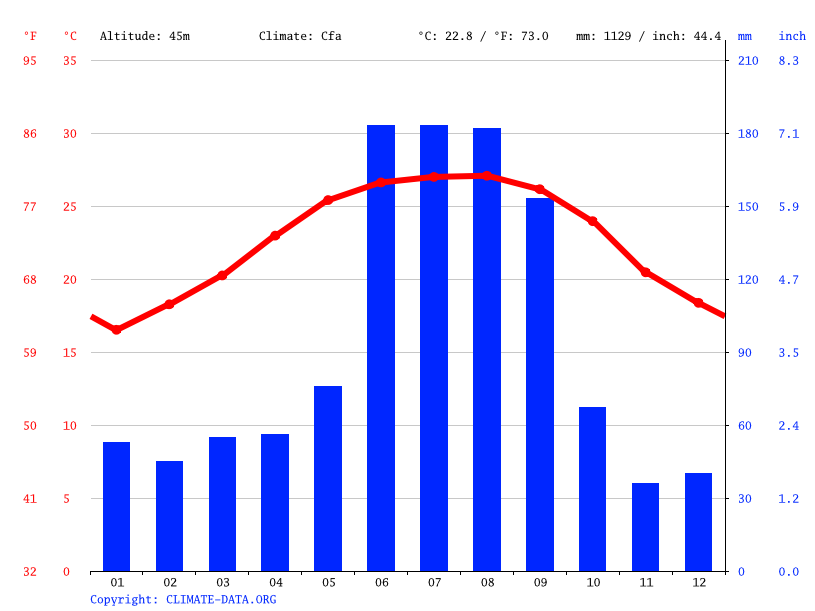
Seasonal Temperature Breakdown in Sebring, Florida
The weather in Sebring, Florida is a defining characteristic of the region, shaping its landscape and influencing its lifestyle. The consistent warmth of Florida is tempered by distinct seasonal patterns, offering a unique climate experience throughout the year.
Summer (June – August)
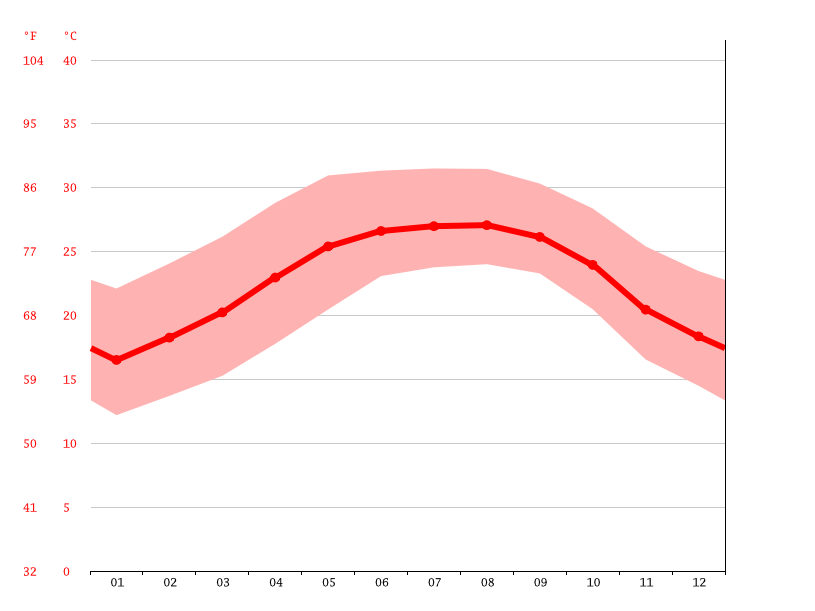
Summers in Sebring, Florida are undeniably hot and humid, a hallmark of Central Florida weather. The average daily high temperatures typically range from the upper 80s to the low 90s Fahrenheit (around 31-33 degrees Celsius). However, it is not uncommon for the mercury to climb into the mid-to-upper 90s, especially during heatwaves. The humidity can make these temperatures feel even more oppressive, often pushing the heat index into the triple digits.
Nighttime temperatures offer little respite, with lows generally hovering in the mid-70s Fahrenheit (around 24 degrees Celsius). The combination of heat and humidity makes afternoons ideal for indoor activities or seeking out the shade. Thunderstorms are a frequent occurrence during the summer months, often developing in the late afternoon. These storms can bring sudden downpours and a temporary drop in temperature, though the humidity usually returns quickly after the rain passes.
Autumn (September – November)
As summer transitions into autumn, Sebring, Florida experiences a welcome change in its temperature profile. September can still feel very much like summer, with highs in the upper 80s Fahrenheit (around 31 degrees Celsius) and significant humidity. However, by October and November, the weather becomes noticeably more pleasant.
Average high temperatures in October typically fall into the low 80s Fahrenheit (around 28 degrees Celsius), while November sees highs settling into the mid-70s Fahrenheit (around 24 degrees Celsius). Humidity also begins to decrease, making outdoor activities much more comfortable. Evenings and mornings can become quite cool, with lows dropping into the 50s and 60s Fahrenheit (around 10-15 degrees Celsius). This period is often considered one of the most enjoyable times to visit Sebring, Florida due to the milder temperatures and less intense humidity.
Winter (December – February)
Sebring, Florida’s winters are mild and generally pleasant, a stark contrast to the colder climates found in many other parts of the United States. The average high temperatures during the winter months range from the low 70s Fahrenheit (around 22 degrees Celsius) in December and January, to the mid-70s Fahrenheit (around 24 degrees Celsius) in February.
Overnight lows typically range from the low 50s Fahrenheit (around 11 degrees Celsius) to the low 60s Fahrenheit (around 16 degrees Celsius). While frost is rare, occasional cold snaps can bring temperatures down into the 30s or 40s Fahrenheit (around 0-4 degrees Celsius) for brief periods, especially in the early morning hours. These cooler temperatures are a welcome relief for many and make outdoor activities like golf or exploring the local parks exceptionally enjoyable. The winter months are also characterized by lower humidity and less rainfall, contributing to the overall comfortable climate.
Spring (March – May)
Spring in Sebring, Florida is a season of gradual warming and increasing humidity as the region heads towards the peak summer heat. March typically sees average high temperatures in the mid-70s Fahrenheit (around 24 degrees Celsius), with lows in the comfortable 50s Fahrenheit (around 10-15 degrees Celsius).
As April and May progress, temperatures steadily climb. By May, average high temperatures are often in the upper 80s Fahrenheit (around 31 degrees Celsius), and the humidity begins to build. Overnight lows are generally in the 60s Fahrenheit (around 15-20 degrees Celsius). This season is marked by an increase in sunshine and a gradual rise in the likelihood of afternoon thunderstorms, which become more common as the region approaches summer. Spring offers a transitional period, with increasingly warm days perfect for outdoor exploration before the intense heat of summer arrives.
Factors Influencing Sebring’s Temperature
The temperature in Sebring, Florida is shaped by a combination of geographical and atmospheric elements that are characteristic of its location.
Latitude and Solar Radiation
As part of Florida, Sebring benefits from its southerly latitude, which means it receives a significant amount of direct sunlight throughout the year. This high solar insolation is a primary driver of the region’s warm temperatures, particularly during the summer months. The angle of the sun’s rays is more direct compared to locations further north, leading to more intense heating of the land surface and the atmosphere. Even in winter, the sun’s warmth contributes to mild daytime temperatures.
Proximity to Large Water Bodies
While Sebring, Florida is not directly on the coast, its location in the heart of the Okeechobee region means it is influenced by the moderating effect of large bodies of water, primarily Lake Okeechobee. Large lakes and the nearby ocean help to regulate temperature. Water heats up and cools down more slowly than land. During the summer, these bodies of water can release stored heat, contributing to the overall warmth. Conversely, in cooler months, they can release heat, keeping the surrounding areas slightly warmer than they might otherwise be. This effect contributes to the generally mild winters and the humid summers.
Humidity and Its Impact on Perceived Temperature
Humidity plays a crucial role in how hot the temperature feels in Sebring, Florida. The subtropical climate means that the air often holds a considerable amount of moisture, especially during the warmer months. High humidity reduces the effectiveness of the body’s natural cooling mechanism, which is evaporation. When sweat does not evaporate quickly, the body struggles to regulate its temperature, leading to a higher heat index—the “feels like” temperature. This is why a day with a temperature of 90 degrees Fahrenheit can feel much hotter when the humidity is high, often exceeding 100 degrees Fahrenheit on the heat index. Conversely, lower humidity during the cooler months makes the temperature feel more comfortable.
Influence of Air Masses
The weather in Sebring, Florida is also significantly influenced by the movement of different air masses. During the summer, warm, moist air masses from the Gulf of Mexico and the Atlantic Ocean dominate, bringing heat and humidity. These are often referred to as maritime tropical (mT) air masses. In the winter, cooler, drier air masses originating from continental North America can occasionally move south, bringing periods of much cooler temperatures, sometimes referred to as cold fronts. However, these are typically short-lived, and the maritime tropical air masses quickly reassert their influence, keeping winters generally mild. The interaction of these air masses can also lead to the development of thunderstorms, a common feature of Florida weather.
Activities and Temperature in Sebring, Florida
The prevailing temperatures in Sebring, Florida directly influence the types of activities that are most enjoyable and feasible throughout the year. Planning your visit or daily schedule around these temperature trends can significantly enhance your experience.
Embracing the Outdoors in Mild Seasons
The most comfortable periods for outdoor exploration in Sebring, Florida are typically during the autumn and spring months.
-
Autumn (October – November): With average high temperatures in the 70s and low 80s Fahrenheit, this is an ideal time for exploring the natural beauty of the area. Activities like visiting the Highlands Hammock State Park for hiking and wildlife viewing are particularly pleasant. The lower humidity makes walks through the trails around Lake Josephine or the Sebring Municipal Golf Course enjoyable without the oppressive heat. This is also a prime time for events like the Sebring Historical Society events, which often involve outdoor components.
-
Spring (March – April): Similar to autumn, early spring offers delightful temperatures for outdoor pursuits. It’s a wonderful time to experience the blooming flora and fauna. Visiting local ranches or enjoying the various festivals that often take place during this season are highly recommended. The Sebring International Raceway, famous for its annual 12 Hours of Sebring race, often holds events during cooler parts of the year, making it more comfortable for spectators to enjoy the motorsport action.
Navigating the Summer Heat
The hot and humid summers in Sebring, Florida require a different approach to enjoying the area. While outdoor activities are possible, they often need to be scheduled for the cooler parts of the day, or involve water.
-
Early Mornings and Late Evenings: Taking advantage of the slightly cooler temperatures in the early morning or after sunset is key. This is a good time for a leisurely stroll, fishing at one of the local lakes, or enjoying outdoor dining on a patio.
-
Water-Based Activities: Sebring and its surrounding areas offer several opportunities for cooling off. Visiting local swimming pools, such as those at hotels like the SpringHill Suites by Marriott Sebring, or enjoying a boat ride on nearby lakes can provide much-needed relief from the heat. The many local springs and natural swimming holes within driving distance also become popular destinations.
-
Indoor Attractions: When the midday sun is at its strongest, indoor activities are the best option. Exploring the Sebring Historical Museum, visiting local art galleries, or enjoying shopping in the downtown area are excellent ways to spend the hottest hours of the day. The numerous restaurants and cafes also offer a respite from the heat.

The Pleasant Winter Climate
Sebring, Florida’s mild winters are a major draw for those seeking to escape colder weather. The pleasant temperatures are perfect for a wide range of activities without the need to bundle up.
-
Golf and Outdoor Sports: Winter is peak season for outdoor sports enthusiasts. The numerous golf courses in and around Sebring, such as the Golf Hammock Golf & Country Club, are busy with visitors and locals enjoying the favorable weather. Cycling, bird watching, and simply enjoying the outdoors are highly popular.
-
Events and Festivals: The mild winter weather makes it an ideal time for community events and festivals. These often include outdoor markets, live music, and cultural celebrations, drawing crowds who appreciate the comfortable climate. The Seminole Hard Rock Hotel & Casino Tampa is a popular day trip destination, and the cooler weather makes the drive more enjoyable.
By understanding and adapting to the temperature in Sebring, Florida, visitors and residents can fully appreciate the unique charm and diverse activities this Central Florida city has to offer throughout the year.
LifeOutOfTheBox is a participant in the Amazon Services LLC Associates Program, an affiliate advertising program designed to provide a means for sites to earn advertising fees by advertising and linking to Amazon.com. Amazon, the Amazon logo, AmazonSupply, and the AmazonSupply logo are trademarks of Amazon.com, Inc. or its affiliates. As an Amazon Associate we earn affiliate commissions from qualifying purchases.