
Understanding the climate of Tampa Bay, Florida is crucial for anyone planning a visit, whether for a leisurely vacation, a business trip, or to experience the vibrant local culture. The temperature, along with humidity and rainfall patterns, dictates the best times to visit, the appropriate attire, and the types of activities that will be most enjoyable. Tampa Bay boasts a humid subtropical climate, characterized by hot, humid summers and mild winters, making it a popular destination year-round.
Understanding Tampa Bay’s Climate Patterns
The allure of Tampa Bay lies not only in its beautiful coastline and abundant attractions but also in its generally pleasant weather. The region experiences distinct seasons, each offering a unique atmosphere and a different set of opportunities for visitors.

Summer: The Peak of Heat and Humidity
From roughly June through September, Tampa Bay experiences its summer season. This period is defined by high temperatures, often reaching into the upper 80s and low 90s Fahrenheit (around 31-33°C), with heat index values frequently exceeding 100°F (38°C) due to the significant humidity. Afternoon thunderstorms are a common occurrence during these months. While these storms can be intense, they are usually short-lived and often bring a welcome, albeit temporary, respite from the heat.
Activities for Hot Summer Days
Despite the heat, summer in Tampa Bay offers plenty of ways to stay cool and entertained. Water-based activities are paramount. Visiting the pristine beaches along the Gulf Coast, such as those at Clearwater Beach or St. Pete Beach, is a perennial favorite. Many visitors also enjoy spending time at the region’s numerous water parks, like Adventure Island, or taking boat tours and fishing charters. For those seeking indoor options, Busch Gardens Tampa Bay offers thrilling rides and animal encounters, with many attractions providing air-conditioned environments. Museums like the Tampa Museum of Art and the Glazer Children’s Museum are also excellent choices for escaping the midday sun.
Autumn: A Transition to Comfort
As September gives way to October, Tampa Bay begins to experience a noticeable shift. The humidity starts to decrease, and the temperatures become more moderate, typically ranging from the mid-70s to low 80s Fahrenheit (24-28°C). This is often considered one of the most pleasant times to visit the area.
Embracing Fall in Tampa Bay
With the arrival of cooler, drier air, autumn is an ideal season for exploring the outdoor attractions of Tampa Bay. This is a prime time for visiting attractions like the Florida Aquarium or exploring the historic streets of Ybor City. The many parks and nature preserves, such as the Hillsborough River State Park, become more inviting for hiking and wildlife viewing. Outdoor dining at the diverse restaurants in areas like downtown Tampa or the St. Petersburg waterfront is particularly enjoyable during this season. Fall also marks the beginning of the local events calendar, with various festivals and cultural happenings taking place.
Winter: Mild and Invigorating
Winter in Tampa Bay, from December through February, is characterized by mild temperatures and significantly lower humidity. Daytime highs generally hover in the 60s and low 70s Fahrenheit (15-22°C), making it a stark contrast to the frigid conditions experienced by much of the rest of the country. Frosts are rare, and snow is virtually unheard of. Nights can be cooler, sometimes dropping into the 40s or 50s Fahrenheit (4-15°C), but generally, the weather remains pleasant for outdoor activities.
Winter Activities and Snowbird Season
The mild winter weather makes Tampa Bay a prime destination for “snowbirds” – individuals seeking to escape the cold northern winters. This period is perfect for exploring the region’s many golf courses, enjoying leisurely strolls along the beaches, or visiting attractions like the Dali Museum in St. Petersburg. The iconic Seminole Hard Rock Hotel & Casino Tampa is a popular draw, offering entertainment and dining options that are enjoyed year-round. Sports enthusiasts can take advantage of the pleasant temperatures to attend professional baseball spring training games or catch the Tampa Bay Buccaneers (NFL) or Tampa Bay Lightning (NHL) games if their seasons align with a visit.
Spring: A Gradual Warming Trend
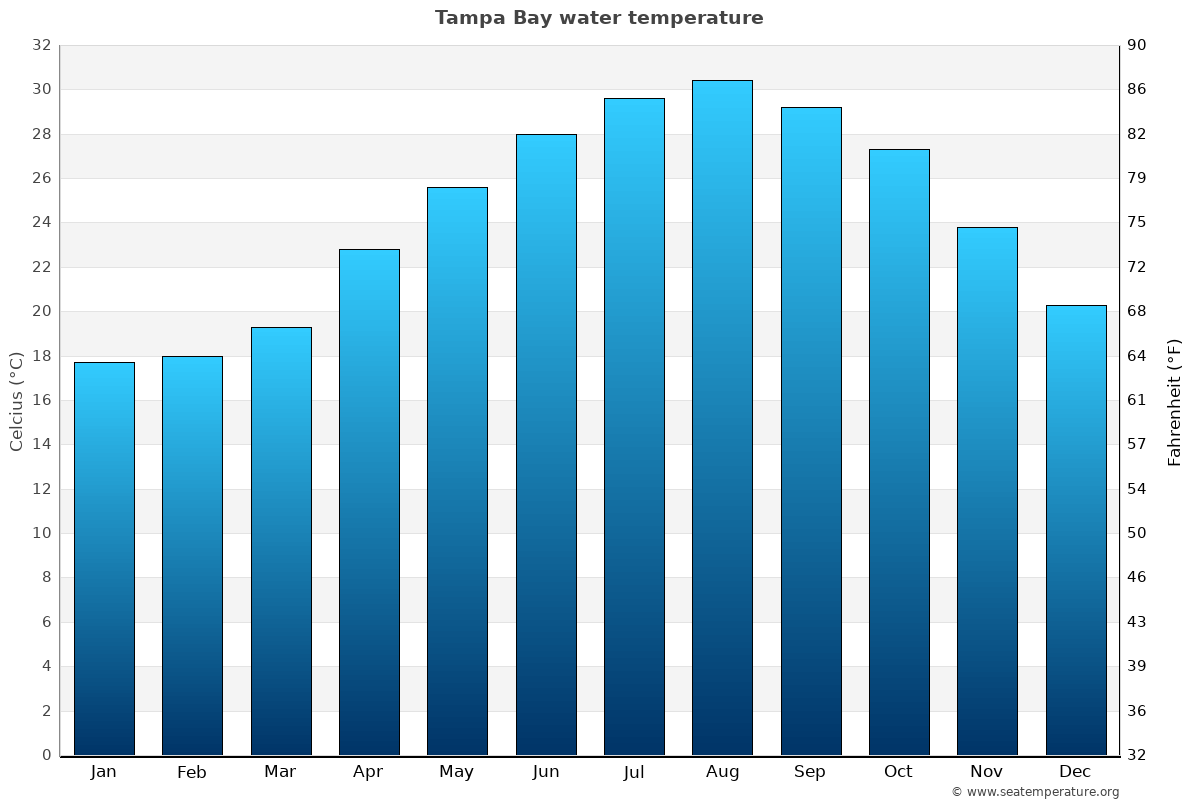
Spring in Tampa Bay, typically from March through May, sees a gradual increase in temperatures and humidity. Early spring often mirrors the pleasant conditions of late winter, with highs in the 70s and low 80s Fahrenheit (21-28°C). As the season progresses into May, temperatures begin to climb, and humidity levels start to rise, signaling the approach of summer.
Springtime Exploration
Spring is an excellent time for a diverse range of activities. The warmer weather is conducive to exploring the natural beauty of the area, including the unique ecosystem of the Everglades National Park (though this is a drive from Tampa Bay, it’s a common day trip consideration for Floridian travelers). The opening of attractions like Busch Gardens Tampa Bay for its seasonal events is a highlight. This is also a fantastic time for outdoor dining, visiting farmer’s markets, and enjoying the many festivals that often kick off as the weather improves. The beaches begin to buzz with activity, and water sports become increasingly popular.
Impact of Temperature on Travel Planning
The prevailing temperatures in Tampa Bay, Florida have a direct impact on how one should plan their trip to maximize enjoyment and comfort.
Packing and Attire
For summer visits, lightweight, breathable clothing is essential. Cotton and linen fabrics are ideal. Pack shorts, t-shirts, sundresses, and swimwear. A hat and sunglasses are vital for sun protection, and sunscreen with a high SPF is a must. Given the frequent afternoon showers, a light, packable rain jacket or umbrella is advisable. In winter, packing layers is key. While daytime temperatures are mild, evenings can be cooler. A light sweater, long-sleeved shirts, and a light jacket should suffice. Comfortable walking shoes are recommended for exploring the numerous attractions. For spring and autumn, a combination of summer and light winter clothing will be appropriate, with the ability to adapt to fluctuating temperatures.
Hydration and Sun Protection
Regardless of the season, staying hydrated is paramount in the Florida heat. Carrying a reusable water bottle and refilling it frequently is a good practice. Be mindful of the intense Florida sun, even on cloudy days, and apply sunscreen regularly, especially when spending extended periods outdoors. Seeking shade during the hottest parts of the day, typically between 10 AM and 3 PM, is also a wise strategy.
Activity Planning Based on Temperature
To truly enjoy Tampa Bay, understanding the temperature is not just about packing; it’s about timing activities. Early mornings and late afternoons are often the most comfortable times for outdoor exploration during the warmer months. Midday might be better suited for indoor attractions or relaxation by a pool at one of the many resorts, such as the Grand Hyatt Tampa Bay or the JW Marriott Tampa Bay. In winter, nearly all outdoor activities are comfortable throughout the day, offering a wide window of opportunity for exploration.
Beyond Temperature: Humidity and Rainfall
While temperature is a primary concern, humidity and rainfall are integral components of Tampa Bay’s climate and significantly influence the visitor experience.
Humidity’s Role
Tampa Bay is known for its high humidity, particularly during the summer months. This can make even moderate temperatures feel much hotter, increasing the risk of heat exhaustion and dehydration. When packing, consider moisture-wicking fabrics if you plan on strenuous activity during humid periods. Staying in air-conditioned environments when possible is recommended during peak humidity.
Rainfall Patterns
The region experiences a wet season that largely coincides with the summer months, driven by afternoon thunderstorms. These storms are typically brief but can be quite intense, featuring heavy rain, lightning, and strong winds. While they can disrupt outdoor plans temporarily, they rarely last for extended periods. Winter and spring tend to be drier, with less frequent rainfall. Visitors should always check the weather forecast before making daily plans, especially during the summer.

Maximizing Your Tampa Bay Experience
The temperature in Tampa Bay, Florida is a key factor in crafting the perfect getaway. By understanding the seasonal variations, packing appropriately, and planning activities with the climate in mind, visitors can ensure a comfortable and memorable experience in this dynamic coastal region. Whether you’re drawn by the allure of the sunshine, the vibrant culture, or the stunning natural beauty, the weather will undoubtedly play a role in shaping your adventure. From the sandy shores of Clearwater Beach to the cultural heart of downtown Tampa, the temperature sets the stage for exploration.
LifeOutOfTheBox is a participant in the Amazon Services LLC Associates Program, an affiliate advertising program designed to provide a means for sites to earn advertising fees by advertising and linking to Amazon.com. Amazon, the Amazon logo, AmazonSupply, and the AmazonSupply logo are trademarks of Amazon.com, Inc. or its affiliates. As an Amazon Associate we earn affiliate commissions from qualifying purchases.