
The allure of Tampa, Florida is undeniable, drawing visitors with its sun-drenched beaches, vibrant cultural scene, and an abundance of recreational activities. For anyone planning a trip or already enjoying the city’s charms, understanding the immediate weather conditions, particularly the temperature, is crucial for optimizing their experience. This immediate knowledge allows travelers to pack appropriately, plan daily excursions, and make the most of their time in this dynamic Sunshine State destination. Beyond just a number, the temperature in Tampa is a gateway to understanding the city’s daily rhythm, from the best times to explore its outdoor attractions to when to seek refuge in its cool, air-conditioned interiors.

Understanding Tampa’s Climate Dynamics
Tampa boasts a humid subtropical climate, characterized by hot, humid summers and mild winters. This classification means that while the city experiences distinct seasonal shifts, the temperature rarely dips to freezing, making it a year-round destination for many. The proximity to the Gulf of Mexico plays a significant role in moderating its temperatures, often bringing refreshing sea breezes during the warmer months and contributing to higher humidity levels. Understanding these broader climatic patterns provides a foundational context for the daily temperature readings.
Seasonal Temperature Trends
The temperature in Tampa exhibits predictable seasonal variations.
-
Summer (June – August): This period is defined by high temperatures and significant humidity. Daytime highs frequently reach the upper 80s and low 90s Fahrenheit (around 31-33°C), with heat indices often pushing into the triple digits due to the humidity. Evenings offer little respite, remaining warm and muggy. Thunderstorms are a common occurrence, often developing in the afternoon, providing temporary relief from the heat.
-
Autumn (September – November): As the summer heat begins to wane, Tampa experiences a beautiful transition. September can still be quite warm, but temperatures gradually become more comfortable. October and November typically see daytime highs in the mid-70s to low 80s Fahrenheit (around 23-27°C), with cooler evenings. Humidity also decreases, making this a particularly pleasant time for outdoor activities.
-
Winter (December – February): Tampa’s winters are remarkably mild. Daytime temperatures usually hover in the comfortable 60s and low 70s Fahrenheit (around 16-22°C). While occasional cold fronts can bring temperatures into the 50s, freezing temperatures are rare. Nights can be cool, often dropping into the 40s and 50s Fahrenheit (around 4-15°C), making a light jacket or sweater advisable.
-
Spring (March – May): Spring marks another period of delightful weather in Tampa. Temperatures steadily climb from the mildness of winter, with daytime highs ranging from the 70s to the low 80s Fahrenheit (around 21-28°C). Humidity begins to increase as the season progresses, but it generally remains more manageable than in the summer months. This season is ideal for exploring attractions like Busch Gardens Tampa Bay or enjoying a stroll along the Riverwalk.
Real-Time Temperature and Its Implications for Your Visit
While understanding seasonal trends is beneficial, knowing the precise temperature in Tampa, Florida at any given moment is invaluable for immediate planning. This real-time data informs everything from clothing choices to the feasibility of certain outdoor activities.
Planning Daily Excursions
The current temperature directly influences the kinds of activities that are most enjoyable. On a scorching summer afternoon, a visit to a shaded attraction like the Florida Aquarium or an afternoon at a water park might be more appealing than a lengthy hike. Conversely, a cool winter morning is perfect for exploring historic Ybor City or enjoying a round of golf. The temperature also dictates the need for sun protection – hats, sunscreen, and sunglasses become essential when the mercury rises.

Packing Appropriately
Packing efficiently for a trip to Tampa hinges on accurate weather information. If the forecast indicates high temperatures and humidity, lightweight, breathable fabrics are a must. Packing swimsuits and beachwear is almost always a good idea, regardless of the season, given the city’s coastal location. For cooler evenings or winter visits, layering is key. A light jacket, a few long-sleeved shirts, and perhaps a pair of jeans will ensure comfort when the temperature drops.
Hydration and Comfort
The temperature, especially when combined with humidity, significantly impacts personal comfort and the need for hydration. In hot weather, it is crucial to drink plenty of water to prevent dehydration and heat-related illnesses. This is particularly important when engaging in strenuous activities or spending extended periods outdoors. Being aware of the current temperature empowers visitors to take proactive measures to stay comfortable and safe throughout their stay in Tampa.
Beyond the Thermometer: Humidity, Heat Index, and Precipitation
While the simple temperature reading is a primary indicator, a more comprehensive understanding of Tampa’s weather involves considering related factors: humidity, the heat index, and precipitation. These elements can significantly alter how the temperature “feels” and influence the suitability of various activities.
The Role of Humidity
Tampa is known for its high humidity, particularly during the summer months. Humidity refers to the amount of water vapor present in the air. High humidity levels make it harder for the body to cool itself through evaporation of sweat, leading to a feeling of being hotter than the actual air temperature. When the temperature is, for example, 90°F (32°C) but the humidity is also high, the experience can feel much more oppressive.
Understanding the Heat Index
The heat index, often referred to as “feels like” temperature, combines the air temperature with the relative humidity to provide a more accurate measure of how hot it actually feels to the human body. A temperature of 95°F (35°C) with 50% humidity might feel like 106°F (41°C), a significant difference that impacts outdoor comfort and safety. In Tampa, especially during the peak of summer, the heat index can frequently reach dangerous levels, prompting advisories for increased caution.
Precipitation Patterns
Tampa experiences a distinct wet season, which generally coincides with its hottest months. This means that while the temperature may be high, the likelihood of afternoon thunderstorms is also elevated. These storms can bring sudden downpours, sometimes accompanied by lightning, which can disrupt outdoor plans. Conversely, the dry season, typically in the winter and spring, offers more consistent sunny days with minimal rainfall. Awareness of current and forecasted precipitation is as important as knowing the temperature for effective trip planning.
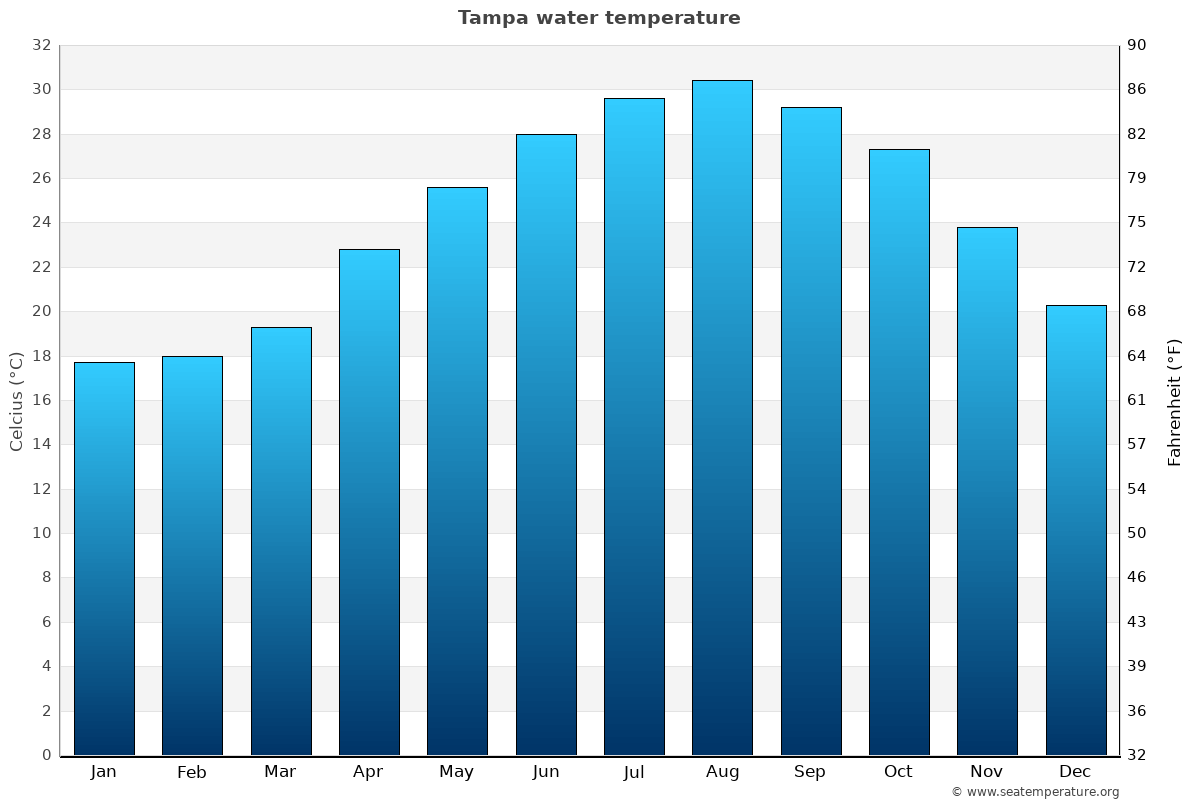
Leveraging Temperature Data for an Enhanced Tampa Experience
The temperature in Tampa, Florida is more than just a meteorological statistic; it is a vital piece of information that can significantly enhance a visitor’s experience. By understanding the nuances of the local climate, the impact of humidity, and the real-time temperature, travelers can make informed decisions that lead to more comfortable, enjoyable, and memorable excursions. Whether it’s an early morning exploration of Curtis Hixon Waterfront Park, a midday dip in the Gulf of Mexico, or an evening enjoying the vibrant nightlife in the Channelside District, aligning your activities with the prevailing weather conditions will undoubtedly lead to a superior visit. Staying informed about the current temperature is the first step in unlocking the full potential of a Tampa adventure.
LifeOutOfTheBox is a participant in the Amazon Services LLC Associates Program, an affiliate advertising program designed to provide a means for sites to earn advertising fees by advertising and linking to Amazon.com. Amazon, the Amazon logo, AmazonSupply, and the AmazonSupply logo are trademarks of Amazon.com, Inc. or its affiliates. As an Amazon Associate we earn affiliate commissions from qualifying purchases.