
Understanding the nuances of vehicle registration is a crucial aspect of navigating the Sunshine State, especially for those planning an extended stay or embarking on a road trip through its diverse landscapes. In Florida, the vehicle registration number, often referred to as the license plate number or tag number, serves as a unique identifier for your automobile. It’s not merely a series of letters and numbers; it’s a fundamental component of vehicle ownership, essential for everything from parking in a bustling city like Miami to traversing the scenic routes along the Tamiami Trail. This article delves into the significance of the vehicle registration number in Florida, its characteristics, and its role in the broader context of travel and tourism within the state.

Decoding the Florida License Plate
The Florida license plate, and by extension, its registration number, is more than just a means of identification. It’s a visual representation of your compliance with state laws and a key to unlocking various services and experiences across the state. Understanding its structure and the information it conveys can demystify the administrative side of your travels.
The Anatomy of a Florida License Plate
A standard Florida license plate typically features a combination of letters and numbers. While the exact sequence can vary, the primary purpose is to ensure each vehicle has a unique identifier. The design of the plates themselves often reflects the spirit of the state, with popular themes featuring images of the Florida panther, the space shuttle, or iconic beach scenes, adding a touch of local flavor to every vehicle.
Types of Plates and Their Significance
Florida offers a wide array of specialty license plates, catering to various interests, causes, and affiliations. These can range from plates supporting environmental conservation to those honoring military veterans or specific universities. While the registration number itself remains unique, the design of these specialty plates can offer subtle insights into the owner’s affiliations or preferences. For travelers, encountering a unique plate might spark a conversation or provide an interesting observation about the diverse communities within Florida.
The Role of the Registration Number in Identification
The primary function of the vehicle registration number is to link a specific vehicle to its registered owner. This is crucial for law enforcement, traffic enforcement, and administrative purposes. When you are pulled over by an officer from the Florida Highway Patrol, or when you receive a parking ticket in a popular tourist destination like Key West, your registration number is the key piece of information used to identify you. It ensures accountability and helps maintain order on the state’s extensive road network, from the highways leading to the Everglades to the city streets of Orlando.
Registration and Its Impact on Travel in Florida
For visitors and residents alike, understanding the registration process and the associated numbers is integral to a smooth travel experience in Florida. Whether you’re renting a car for a beach vacation or driving your personal vehicle for a cross-state adventure, proper registration ensures you can legally and without hassle explore the state’s many attractions.
New Residents and Vehicle Registration
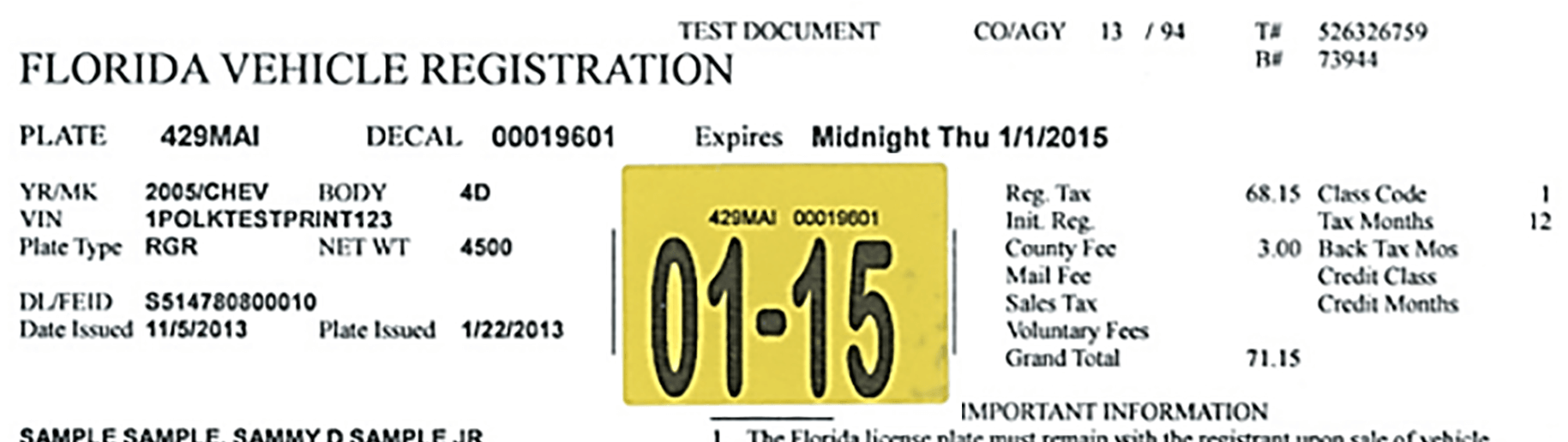
If you are moving to Florida, one of the first administrative tasks you’ll need to address is registering your vehicle with the Florida Department of Highway Safety and Motor Vehicles (FLHSMV). This typically involves obtaining a new Florida license plate, which will display your new registration number. This process is essential for compliance and allows you to legally drive within the state. The registration process often involves providing proof of insurance, your vehicle’s title, and a valid Florida driver’s license.
Renting a Vehicle for Your Florida Getaway
When renting a car in Florida, the vehicle will already be registered, and the rental company will provide you with the license plate number. This number will be used for any electronic toll collection systems, such as the Florida Turnpike or Central Florida Expressway Authority roads, and for any potential citations. It’s important to familiarize yourself with the rental agreement and understand how tolls are handled to avoid unexpected charges during your trip to destinations like Tampa or St. Petersburg.
Out-of-State Vehicles and Temporary Stays
Visitors driving vehicles registered in other states are generally permitted to operate them in Florida for a specified period. However, if you establish residency or plan a prolonged stay, you will eventually need to register your vehicle in Florida. Understanding the duration allowed for out-of-state plates is crucial to avoid penalties. This is especially relevant for snowbirds who spend significant portions of the year in the state.
Practicalities and Tips for Travelers
Navigating the administrative side of vehicle registration can seem daunting, but with a little knowledge, it becomes a straightforward part of preparing for your Florida adventure. Being aware of the registration number’s importance can prevent minor inconveniences from becoming major disruptions.
Understanding Tolls and Electronic Payment
Many of Florida’s major roads and bridges utilize electronic toll collection. Your vehicle’s registration number is often linked to these systems. If you are driving a vehicle with a Florida plate, you may have a transponder like a SunPass, which automatically deducts tolls. For out-of-state vehicles or rentals without a transponder, toll agencies often use license plate recognition to bill the owner or rental company. Ensuring your information is up-to-date with toll authorities can prevent missed payments and potential fines, especially if you’re exploring areas like Southwest Florida or the Florida Keys.
Parking and Local Regulations
In cities and popular tourist areas across Florida, such as Fort Lauderdale or near attractions like Walt Disney World Resort, parking regulations are strictly enforced. Your vehicle registration number is essential for identification in these situations. Parking tickets are often issued based on plate numbers, and failure to address them can lead to more significant issues, including potential immobilization or towing. Always pay close attention to posted parking signs and adhere to local ordinances.
Vehicle Insurance Requirements
Florida has specific requirements for vehicle insurance, which are closely tied to your vehicle registration. You must maintain a minimum level of personal injury protection (PIP) and property damage liability (PDL) coverage. When registering your vehicle or renewing your registration, proof of valid insurance is mandatory. This ensures that all drivers on Florida roadways have a safety net in case of an accident.
The Registration Number as a Key Identifier
Ultimately, the vehicle registration number in Florida is far more than just a license plate designation. It is a fundamental identifier that underpins the legal operation of a vehicle within the state. For travelers, understanding its role is key to a seamless and enjoyable experience, allowing them to focus on the vast array of activities and sights that Florida has to offer, from the theme parks of Orlando to the tranquil beaches of the Gulf Coast.
Enforcement and Compliance
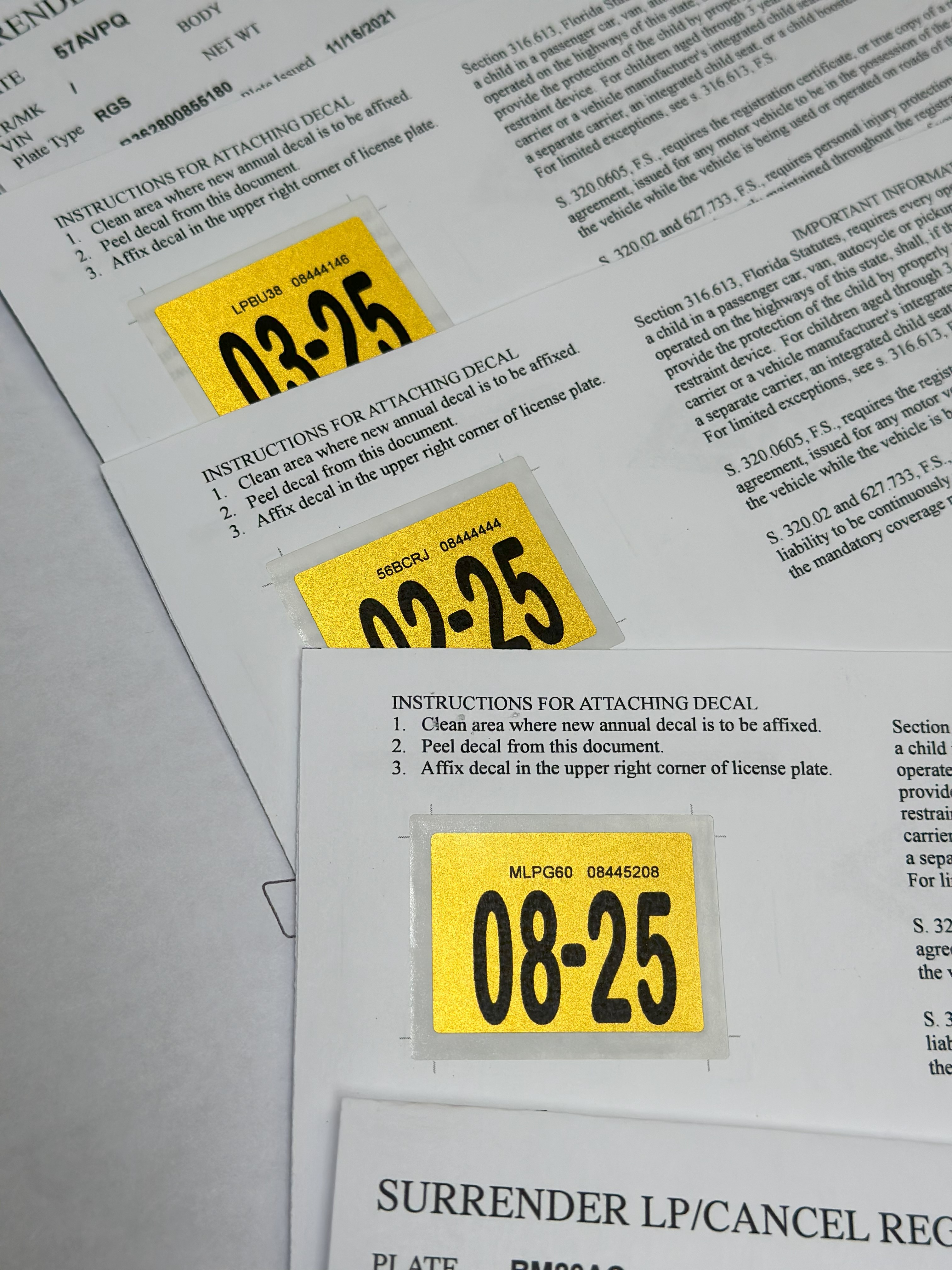
Law enforcement agencies throughout Florida use vehicle registration numbers to identify vehicles involved in traffic violations, accidents, or suspected criminal activity. The registration number, along with the associated owner information held by the FLHSMV, forms a critical link in maintaining public safety and enforcing traffic laws. Ensuring your registration is current and accurate is paramount for avoiding legal complications during your travels.
Vehicle History and Records
The registration number is also a gateway to a vehicle’s history. When a vehicle is sold, transferred, or involved in a significant event like a total loss accident, this information is often logged and associated with its registration number. While not directly accessible to the average traveler, this underlying record-keeping system contributes to the overall integrity of vehicle ownership and operation within the state. This ensures that vehicles operating on Florida roads are properly identified and accounted for.
In conclusion, while the term “vehicle registration number” might sound administrative, its implications for travel and daily life in Florida are significant. It is the silent identifier that facilitates legal operation, ensures accountability, and plays a role in the smooth functioning of the state’s transportation network, all contributing to a better experience for anyone exploring its sunny shores and vibrant cities.
LifeOutOfTheBox is a participant in the Amazon Services LLC Associates Program, an affiliate advertising program designed to provide a means for sites to earn advertising fees by advertising and linking to Amazon.com. Amazon, the Amazon logo, AmazonSupply, and the AmazonSupply logo are trademarks of Amazon.com, Inc. or its affiliates. As an Amazon Associate we earn affiliate commissions from qualifying purchases.