
March in Florida heralds the arrival of spring, marking a sweet spot for visitors seeking pleasant temperatures and a respite from the colder climes of the north. It’s a transition month, where winter’s lingering chill gracefully gives way to the warmth of the approaching summer. For those planning a trip to the Sunshine State, understanding the typical weather patterns in March is crucial for maximizing enjoyment and packing appropriately. This month offers a delightful balance, generally characterized by sunny skies, comfortable humidity, and a wide range of outdoor activities becoming more accessible and enjoyable across the state.
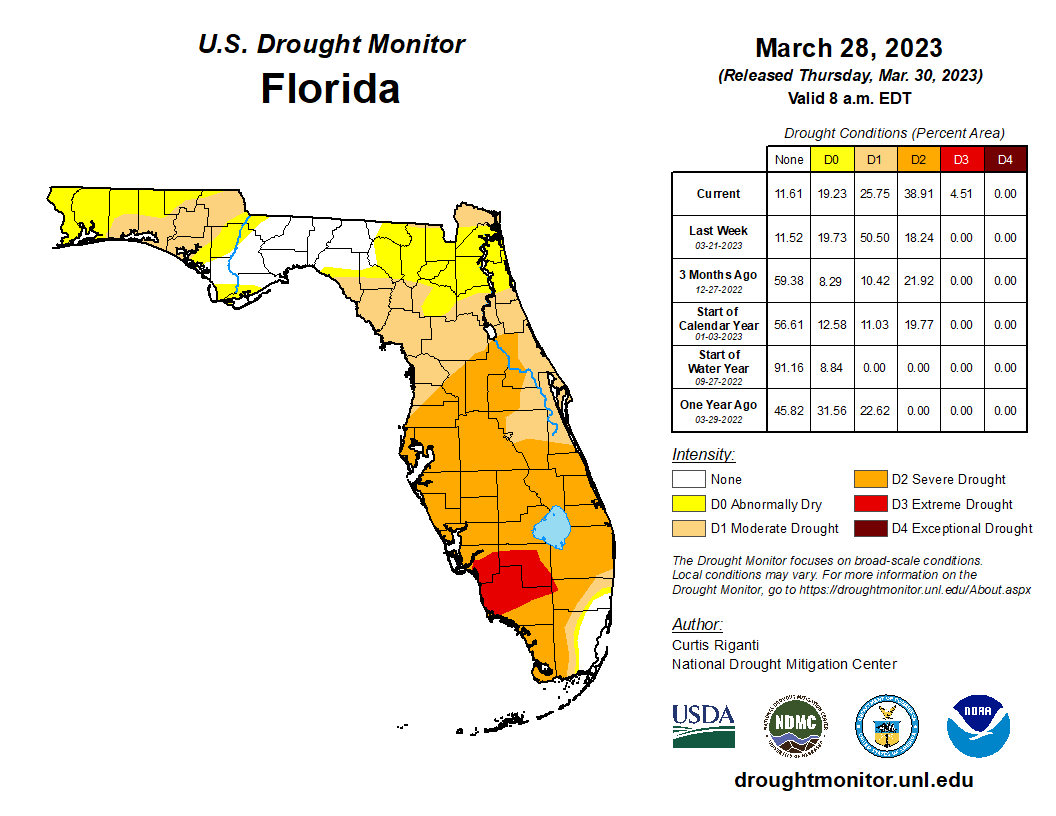
Temperature and Precipitation Trends
March in Florida is synonymous with mild and inviting weather. The state, stretching from the subtropical south to the more temperate north, experiences a spectrum of temperatures, but generally, March offers a significant improvement over the preceding winter months.
Daytime Highs and Nighttime Lows
Across most of Florida, average daytime high temperatures in March typically range from the low 70s to the low 80s Fahrenheit (approximately 21-28 degrees Celsius). For instance, cities in the northern part of the state, like Jacksonville, might see highs averaging in the low 70s, while southern destinations such as Miami or the Florida Keys can experience averages in the mid-to-upper 70s and even touch the low 80s.
Nighttime lows are equally pleasant, generally falling between the high 50s and mid-60s Fahrenheit (15-18 degrees Celsius). This makes evenings perfect for enjoying outdoor dining or a stroll without the need for heavy outerwear. Coastal areas often benefit from moderating sea breezes, which can keep temperatures slightly cooler during the day and milder at night compared to inland areas.
Rainfall Patterns
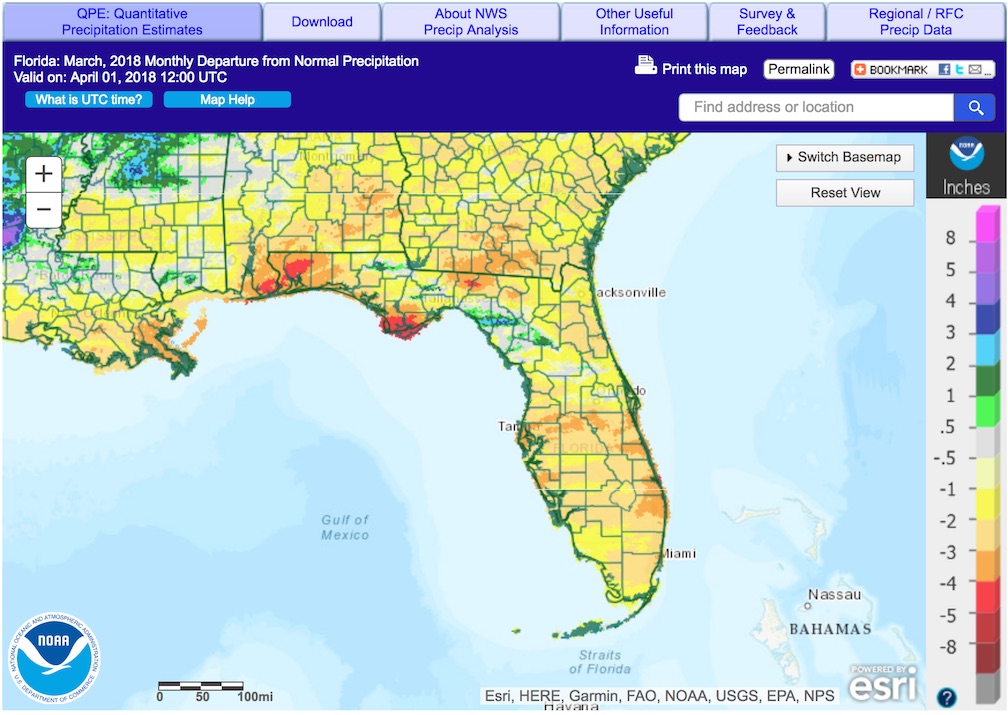
March is typically a drier month for Florida, especially when compared to the summer hurricane season or the rainier periods of late summer and early autumn. While scattered showers are possible, they are usually brief and don’t significantly disrupt outdoor plans. The average rainfall for the month is relatively low, often less than 3 inches across much of the state. This reduced rainfall contributes to the overall pleasantness of the weather, making it an ideal time for exploring theme parks, beaches, and natural landscapes without the constant threat of prolonged downpours. However, occasional cold fronts can still sweep through, bringing a few days of cooler temperatures and a higher chance of rain, particularly in the earlier part of the month.
Humidity Levels
One of the most significant advantages of visiting Florida in March is the relatively low humidity. Unlike the muggy, oppressive conditions that can dominate the summer months, March offers a refreshing dryness. Humidity levels are generally comfortable, allowing for outdoor activities without feeling sticky or overheated. This makes exploring destinations like Everglades National Park or walking along the beaches of Clearwater particularly enjoyable. The gentle sea breezes prevalent along the coast further enhance this sense of comfort.
Regional Weather Variations
Florida’s diverse geography leads to noticeable variations in weather from its northern reaches to its southern tip, and from its Atlantic coast to its Gulf coast. While March generally offers favorable conditions statewide, understanding these regional nuances can help travelers tailor their expectations and itineraries.
Northern Florida
In Northern Florida, including cities like Tallahassee and St. Augustine, March weather is cooler than in the south. Daytime highs might hover in the upper 60s to low 70s Fahrenheit, with nights dropping into the 50s. While still mild, it’s advisable to pack layers, including a light jacket or sweater, especially for evenings. Rainfall is generally low, but occasional spring showers can occur. This region is excellent for historical exploration and enjoying the blossoming flora.
Central Florida
Central Florida, home to the popular theme park destinations like Orlando, experiences a delightful transition in March. Daytime temperatures typically range from the low 70s to the mid-70s Fahrenheit, with nights cooling to the mid-50s to low 60s. This makes it an ideal time for visiting attractions like Walt Disney World Resort or Universal Orlando Resort without the intense heat and humidity of summer. While rainfall is infrequent, short, passing showers are not uncommon.
Southern Florida
Southern Florida, including metropolitan areas like Fort Lauderdale and the vibrant city of Tampa, enjoys the warmest March weather. Daytime highs regularly reach the mid-to-upper 70s, and sometimes even the low 80s Fahrenheit. Nights remain mild, typically in the mid-60s. Humidity is still relatively low, making it perfect for beach activities, exploring cities, and enjoying the abundant sunshine. The Florida Everglades are also particularly accessible and enjoyable during this time, with fewer mosquitoes and comfortable temperatures for airboat tours.
The Florida Keys

Further south still, the Florida Keys offer a tropical paradise with consistently warm weather in March. Expect daytime highs in the mid-70s to low 80s Fahrenheit, with minimal temperature drops at night, usually remaining in the low 70s. Humidity is low, and the ocean breeze keeps conditions very comfortable. This is an excellent time for water sports, snorkeling, diving, and enjoying the laid-back island lifestyle.
Outdoor Activities and What to Pack
The pleasant weather in Florida during March makes it a prime month for a wide array of outdoor activities. From sun-drenched beaches to sprawling theme parks and natural reserves, the opportunities for exploration are abundant. However, packing strategically is key to enjoying these experiences comfortably.
Beach and Water Activities
With temperatures often reaching the low to mid-70s Fahrenheit and comfortable sea breezes, March is perfect for hitting Florida’s famous beaches. Whether it’s the sugar-white sands of the Gulf Coast, like those found in Clearwater or Siesta Key, or the vibrant shores of the Atlantic coast near Daytona Beach, the water is usually cool but refreshing enough for swimming, especially in the southern parts of the state. Popular activities include sunbathing, swimming, kayaking, paddleboarding, and sailing. The Gulf Stream’s influence helps keep the waters warmer on the Atlantic side, though it can still be bracing in the northern regions.
Theme Parks and Attractions
Central Florida, particularly the Orlando area, sees a surge in visitors during March, largely due to spring break and the favorable weather. Parks like Walt Disney World Resort, Universal Orlando Resort, and SeaWorld Orlando are buzzing with activity. The mild temperatures are ideal for navigating the parks, enjoying outdoor shows, and queuing for rides without the sweltering heat. However, it’s worth noting that this is a popular time, so expect larger crowds and consider purchasing park tickets and making dining reservations in advance.
Nature and Wildlife Exploration
March is an exceptional month for exploring Florida’s diverse natural landscapes. The Everglades National Park offers cooler temperatures for hiking and airboat tours, with fewer mosquitoes than in warmer months. Birdwatching is also excellent as migratory species begin to arrive. The Florida Keys are perfect for snorkeling and diving, with clear waters and abundant marine life. Botanical gardens and state parks across the state, such as Bok Tower Gardens in Lake Wales, are in bloom, offering spectacular floral displays.
What to Pack
Given the typically warm days and cooler evenings, packing in layers is essential.
- Lightweight clothing: T-shirts, shorts, sundresses, and light trousers are perfect for daytime wear.
- Swimwear: Essential for beach days and pool time.
- Light jacket or sweater: Crucial for cooler evenings, especially in Northern Florida.
- Comfortable walking shoes: You’ll be doing a lot of exploring.
- Sandals or flip-flops: Ideal for the beach and casual wear.
- Sun protection: Sunscreen with a high SPF, a wide-brimmed hat, and sunglasses are non-negotiable, as the Florida sun can be intense even in March.
- Rain gear: While not guaranteed, a lightweight, packable rain jacket or umbrella is a good idea for any unexpected brief showers.
- Insect repellent: While humidity and mosquito activity are lower in March, it’s still wise to carry some, especially if visiting natural areas or venturing out at dusk.
Considerations for Travelers
Visiting Florida in March offers a delightful experience due to its generally favorable weather. However, like any popular travel destination, there are specific considerations that can enhance your trip and ensure a smooth and enjoyable vacation.
Crowds and Booking
March is a peak travel season in Florida, largely due to spring break for many educational institutions and the pleasant weather attracting tourists from cooler climates. This means popular destinations, theme parks, and beaches will likely be crowded. It’s highly advisable to book flights and accommodations well in advance, especially if your travel dates fall within the latter half of March. Popular hotels like the Ritz-Carlton, Orlando or resorts in Key West can be fully booked months ahead. Rental cars should also be secured early. Booking popular tours, such as airboat tours in the Everglades, or making reservations for sought-after restaurants is also recommended.
Daylight Hours and Activities
March marks the transition into longer daylight hours as spring approaches. By the end of the month, you can expect approximately 12 to 13 hours of daylight. This extended daylight provides ample time for outdoor activities, allowing visitors to maximize their sightseeing and recreational opportunities. Sunrise typically occurs around 7:00-7:30 AM, and sunset around 7:00-7:30 PM, depending on the specific location within the state and whether daylight saving time has begun. This generous amount of daylight is perfect for exploring attractions like Busch Gardens Tampa Bay or enjoying the beaches of South Beach late into the evening.
Special Events and Festivals
March is a vibrant month for events and festivals across Florida. Depending on your travel dates and location, you might encounter events like the Gasparilla Pirate Festival in Tampa (though typically in February, some related activities might extend or smaller local events occur), the Seminole Hard Rock Winterfest Boat Parade (usually December, but other smaller boat parades or maritime festivals can occur), various spring training baseball games for MLB teams like the New York Yankees or the Boston Red Sox (often referred to as “Florida Grapefruit League”), and numerous local art, music, and food festivals celebrating the arrival of spring. Checking local event calendars for the specific cities you plan to visit can reveal unique opportunities to immerse yourself in the local culture. These events often add an extra layer of excitement and local flavor to a trip.
LifeOutOfTheBox is a participant in the Amazon Services LLC Associates Program, an affiliate advertising program designed to provide a means for sites to earn advertising fees by advertising and linking to Amazon.com. Amazon, the Amazon logo, AmazonSupply, and the AmazonSupply logo are trademarks of Amazon.com, Inc. or its affiliates. As an Amazon Associate we earn affiliate commissions from qualifying purchases.