
Understanding the unemployment rate in Florida is crucial for anyone considering a move to the Sunshine State, whether for a new career, a seasonal job, or to immerse themselves in its vibrant lifestyle. This metric, a key indicator of economic health, reflects the percentage of the labor force that is actively seeking employment but unable to find work. For travelers and potential residents alike, a low unemployment rate often signals a robust economy with ample job opportunities and a thriving business environment, which can translate into a more dynamic and welcoming visitor experience. Conversely, a higher rate might suggest economic challenges, potentially impacting everything from local spending on attractions to the availability of certain services.
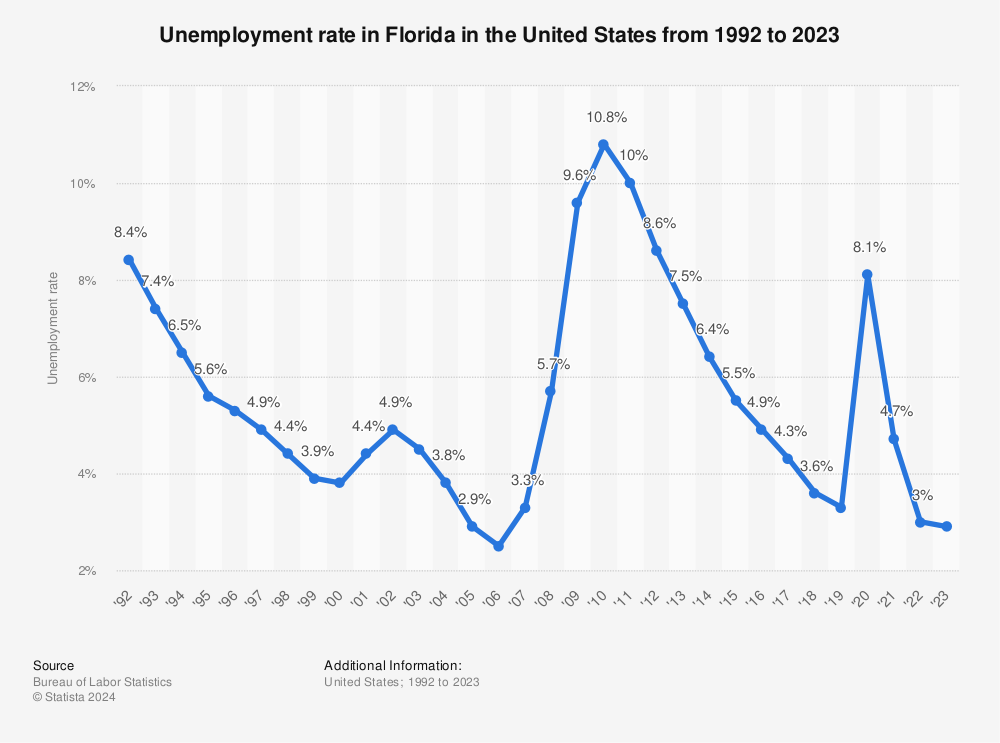
The Florida unemployment rate is meticulously tracked and reported by various government agencies, primarily the U.S. Bureau of Labor Statistics (BLS) and the Florida Department of Economic Opportunity (DEO). These organizations collect data on a monthly basis, providing a snapshot of the state’s labor market. The unemployment rate is calculated by dividing the number of unemployed individuals by the total labor force and then multiplying by 100. The labor force itself includes both employed and unemployed individuals who are actively seeking work. It’s important to note that individuals who have stopped looking for work are not counted in the labor force and therefore do not affect the unemployment rate. This distinction is vital for a comprehensive understanding of the state’s employment landscape.
Factors Influencing Florida’s Unemployment Rate
Several dynamic factors contribute to the ebb and flow of the unemployment rate in Florida. As a state heavily reliant on tourism, its economy is particularly susceptible to seasonal fluctuations. Peak tourist seasons, such as the winter months and school holidays, typically see a surge in demand for hospitality workers, leading to lower unemployment rates in areas like Orlando, Miami, and the Florida Keys. Conversely, off-peak seasons may witness a temporary increase as demand for these services lessens.
Tourism and Hospitality Sectors
The strength of the tourism and hospitality industries is a primary driver of Florida’s employment figures. Major attractions like Walt Disney World Resort, Universal Orlando Resort, and the many beaches along the coast, from Clearwater Beach to South Beach, create a significant number of jobs. Hotels, restaurants, theme parks, and related businesses all depend on a steady stream of visitors. When tourism thrives, unemployment in these sectors tends to decline, boosting the overall state rate. The recent recovery and growth in international and domestic travel to Florida after periods of reduced activity have demonstrably impacted employment numbers positively.
Construction and Real Estate
Florida’s booming population growth also significantly influences its employment landscape, particularly through the construction and real estate sectors. The continuous influx of new residents necessitates new housing, commercial developments, and infrastructure projects. This sustained demand fuels job creation in construction, engineering, and related trades. A healthy real estate market, characterized by steady sales and development, generally correlates with a lower unemployment rate. However, the industry can be cyclical, with periods of rapid expansion followed by slower growth, which can cause localized fluctuations in employment.
Retirement and Healthcare
As a popular retirement destination, Florida has a substantial and growing healthcare sector. The increasing number of seniors requires a robust network of hospitals, nursing homes, assisted living facilities, and home healthcare services. This sector provides a stable source of employment, often less susceptible to the seasonal swings seen in tourism. The demand for healthcare professionals, from doctors and nurses to support staff, is consistently high, contributing to lower unemployment rates, especially in areas with a significant retiree population like The Villages or parts of Southwest Florida.
Agriculture and Other Industries
While often overshadowed by tourism and real estate, Florida also has a significant agricultural sector, particularly in its central and southern regions. Crops like citrus, vegetables, and sugarcane, along with the cattle industry, provide employment. Furthermore, the state is diversifying its economy, with growing sectors in aerospace, technology, and finance, particularly in cities like Tampa and Jacksonville. These emerging industries contribute to a more stable and varied employment base, helping to mitigate the impact of fluctuations in more traditional sectors.
Regional Variations in Florida’s Unemployment
The unemployment rate in Florida is not uniform across the entire state. Significant regional disparities exist, influenced by the dominant industries and economic conditions in each area. Some metropolitan areas consistently exhibit lower unemployment rates due to a diversified job market and strong industry presence, while others might experience higher rates, particularly those heavily reliant on specific, sometimes seasonal, industries.
South Florida’s Economic Landscape
South Florida, encompassing cities like Miami, Fort Lauderdale, and West Palm Beach, benefits from a robust tourism sector, a significant international trade hub, and a growing technology and finance industry. The area’s vibrant cultural scene and extensive coastline attract millions of visitors annually, supporting a vast hospitality workforce. This diversity generally leads to lower unemployment rates compared to the state average, though specific sub-regions might see variations based on localized economic development.
Central Florida’s Tourism Dominance
Central Florida, with Orlando at its heart, is synonymous with theme parks and entertainment. The unemployment rate here is highly correlated with the performance of the tourism and hospitality sectors. During peak seasons, the demand for workers in hotels, restaurants, and attractions surges, driving down unemployment. However, seasonal dips can lead to temporary increases. The region also benefits from a growing population and related construction, which helps to buffer some of the seasonal volatility.
The Panhandle and Northeast Florida
In Northwest Florida and the Panhandle, areas like Pensacola and Tallahassee, the economy is a mix of tourism (especially along the coast), military installations, government jobs, and education. While coastal areas can see seasonal employment fluctuations, the presence of government and educational institutions often provides a more stable employment base. Jacksonville, in Northeast Florida, boasts a diverse economy with strong sectors in finance, healthcare, logistics, and military presence, contributing to generally favorable unemployment figures.
Southwest Florida’s Growth and Retirement Hubs
Southwest Florida, including cities like Naples and Fort Myers, is characterized by its appeal to retirees and its thriving tourism. The consistent growth in its senior population fuels demand in healthcare and related services, while its beautiful beaches and upscale resorts attract tourists. The construction sector also plays a significant role due to ongoing development and population expansion. These factors generally contribute to a healthy employment market in the region.
Implications for Travelers and New Residents
The unemployment rate in Florida has direct implications for both visitors and individuals considering relocating to the state. For travelers, a low unemployment rate generally signifies a robust economy that can support a wide array of attractions, dining options, and accommodation choices. It suggests that businesses are thriving and investing in their services, leading to a more vibrant and engaging experience. High employment can also mean more disposable income for locals, potentially translating into increased spending at tourist-oriented businesses.
Economic Stability and Visitor Experience
When Florida experiences low unemployment, it often correlates with increased consumer confidence and spending. This can mean that attractions are well-staffed, services are readily available, and businesses are more likely to be open and operating at full capacity. For example, a thriving Miami with low unemployment is likely to have a bustling nightlife, a wide selection of restaurants open late, and well-maintained beaches. Conversely, a struggling economy with high unemployment might see fewer amenities available, reduced operating hours for some businesses, or a general decline in the upkeep of public spaces.
Job Opportunities for Potential Residents
For those planning to move to Florida for work, the unemployment rate is a critical factor. A low state and local unemployment rate suggests a strong job market with a higher probability of finding suitable employment. Different regions within Florida offer distinct opportunities. For instance, individuals in healthcare might find ample positions in retirement communities in Southwest Florida, while those in the entertainment industry would look towards Orlando or Tampa. Understanding the nuances of regional employment is key to a successful transition.
Impact on Cost of Living and Wages
A healthy job market, indicated by a low unemployment rate, can also influence the cost of living and wage levels. In areas with high demand for labor, wages may be more competitive to attract and retain workers. However, this can also drive up the cost of goods and services, including housing. Conversely, areas with higher unemployment might see lower wage growth but potentially a more affordable cost of living. Prospective residents need to balance the job market outlook with the overall economic conditions and expenses in their chosen Florida destination.
Understanding Trends and Future Outlook
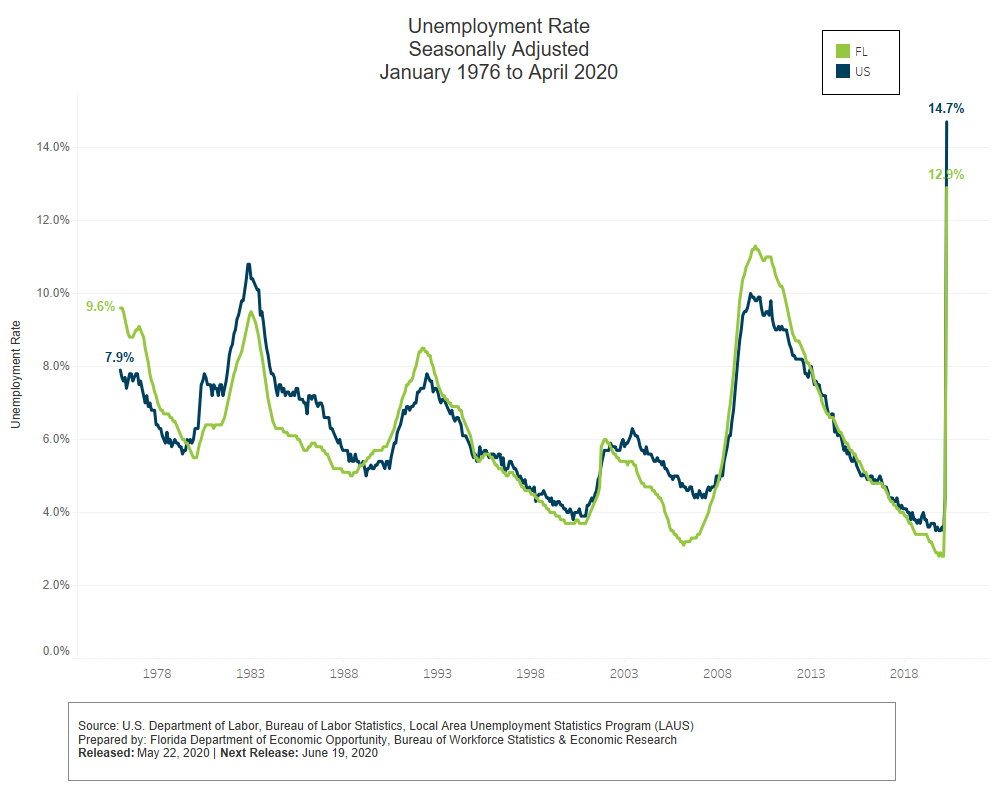
The unemployment rate in Florida is a dynamic figure that responds to national economic trends, global events, and state-specific policies and industries. Analyzing historical data and current trends provides valuable insights into the state’s economic trajectory, which is vital for anyone planning a trip or a move.
Historical Performance and Seasonal Patterns
Historically, Florida has experienced periods of both high and low unemployment. Its economic resilience is often tested during recessions or major natural disasters. However, the state’s consistent population growth and its appeal as a tourist destination and retirement haven have generally supported its recovery and long-term economic expansion. Recognizing the seasonal patterns is also important; for instance, unemployment typically dips in the winter months due to increased tourism and in the summer due to seasonal jobs in hospitality and recreation.
Economic Development Initiatives
The Florida government actively pursues economic development initiatives aimed at fostering job growth and attracting businesses. These efforts often focus on diversifying the state’s economy beyond its traditional pillars, promoting innovation, and supporting emerging industries like technology, life sciences, and advanced manufacturing. Such initiatives can lead to more stable employment opportunities and a less volatile unemployment rate over time, providing a stronger economic foundation for residents and a more consistent experience for visitors.
National and Global Economic Influences
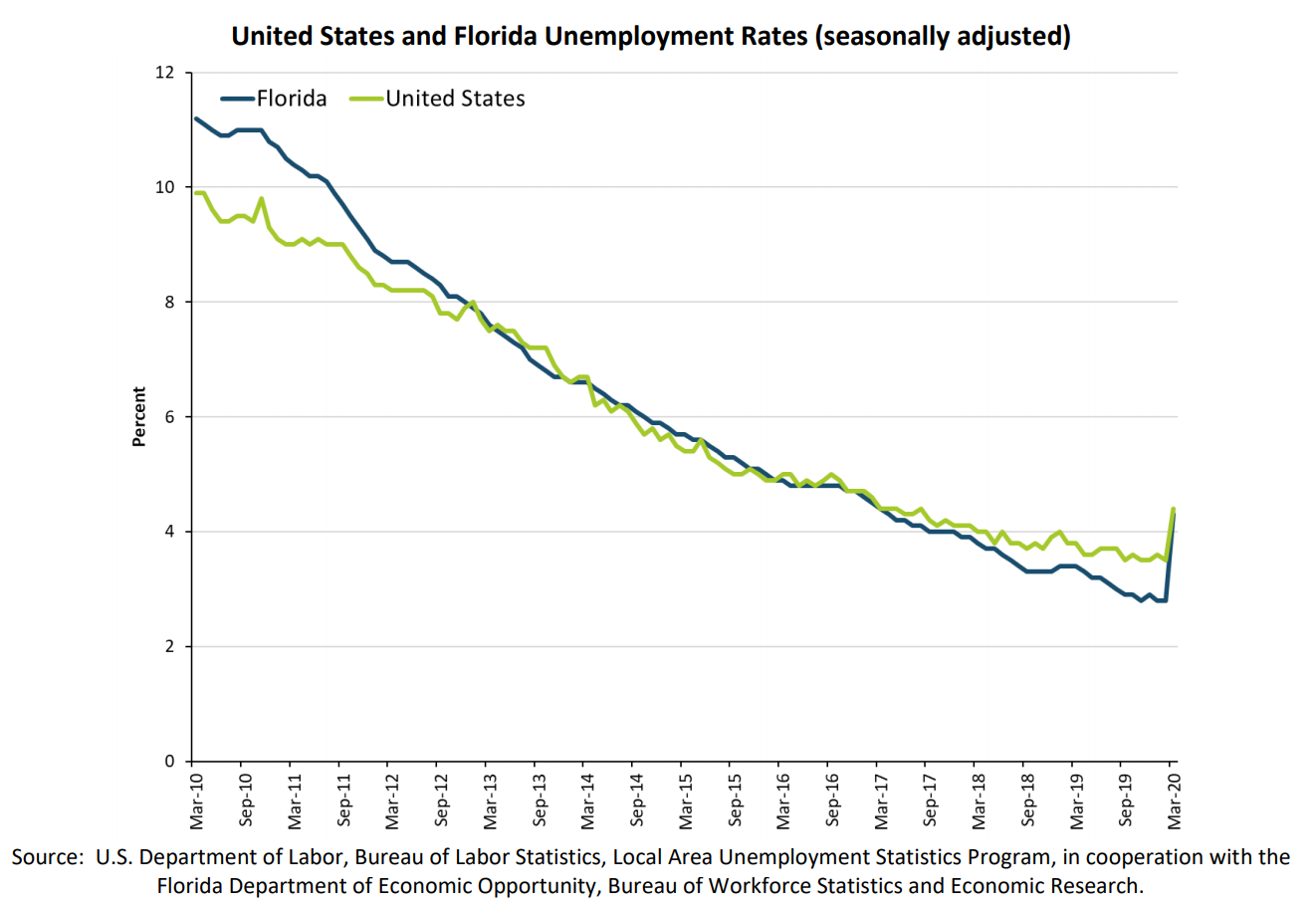
Like all states, Florida’s economy is influenced by broader national and global economic forces. Factors such as interest rates, inflation, international trade agreements, and global health crises can all impact employment levels. For instance, a global economic downturn might affect international tourism to Florida, leading to job losses in the hospitality sector. Conversely, strong national economic growth often translates into increased travel and business investment within the state.
The Future of Florida’s Job Market
The outlook for Florida’s job market remains generally positive, driven by continued population growth, a robust tourism sector, and ongoing diversification efforts. While seasonal fluctuations and external economic factors will continue to play a role, the state’s inherent attractiveness as a place to live, visit, and do business suggests a sustained demand for labor across many sectors. For those interested in the Sunshine State, keeping an eye on the unemployment rate offers a valuable lens through which to understand its economic vitality and the opportunities it presents.
LifeOutOfTheBox is a participant in the Amazon Services LLC Associates Program, an affiliate advertising program designed to provide a means for sites to earn advertising fees by advertising and linking to Amazon.com. Amazon, the Amazon logo, AmazonSupply, and the AmazonSupply logo are trademarks of Amazon.com, Inc. or its affiliates. As an Amazon Associate we earn affiliate commissions from qualifying purchases.