
Central Florida’s subtropical climate presents a unique opportunity for gardeners eager to cultivate vibrant bell peppers. Unlike regions with distinct four-season cycles, Central Florida’s extended warm periods and mild winters allow for staggered planting and extended harvesting. Understanding the optimal months for planting and growing bell peppers in this specific locale is crucial for maximizing yield and ensuring healthy, productive plants. This guide delves into the seasonal nuances of Central Florida gardening, specifically for bell peppers, offering insights for both novice and experienced growers.
Understanding Central Florida’s Growing Seasons
Central Florida, generally encompassing areas like Orlando, Tampa, and Kissimmee, experiences two primary growing seasons for many vegetables: a spring/summer season and a fall/winter season. Bell peppers, while often thought of as a summer staple, can thrive in both of these windows with careful planning.

The Spring/Summer Growing Season
The warmer months in Central Florida, typically from March through August, are ideal for initiating the growth cycle of bell peppers. The increasing daylight hours and steadily rising temperatures provide the energy and warmth that peppers require to germinate, establish strong root systems, and eventually produce fruit.
Starting Seeds Indoors
For optimal results, it’s recommended to start bell pepper seeds indoors about 6-8 weeks before the last expected frost, which in Central Florida is typically in late January or early February. This allows seedlings to develop into robust plants before transplanting them into the garden.
- Timing: Sow seeds from mid-January to mid-February.
- Conditions: Use a sterile seed-starting mix in small pots or trays. Ensure consistent moisture and warmth (around 75-85°F or 24-29°C) for germination. A heat mat can be beneficial.
- Light: Once seedlings emerge, provide ample light. A sunny windowsill may suffice, but grow lights offer more consistent and adequate intensity for sturdy, non-leggy growth.
Transplanting Outdoors
Once the danger of frost has passed and soil temperatures consistently remain above 60°F (16°C), seedlings can be safely transplanted into the garden. This typically occurs from late February through April.
- Soil Preparation: Bell peppers prefer well-draining soil rich in organic matter. Amend beds with compost or aged manure prior to planting. Raised beds are often advantageous in Central Florida to improve drainage.
- Spacing: Plant seedlings about 18-24 inches apart in rows that are 2-3 feet apart. This provides adequate space for mature plants to spread and for air circulation, which helps prevent fungal diseases.
- Hardening Off: Before transplanting, gradually acclimate seedlings to outdoor conditions over a week to 10 days. This process, known as “hardening off,” reduces transplant shock.
Growth and Fruiting
From April through July, bell pepper plants will grow vigorously. They will develop foliage, flower, and begin to set fruit. Consistent watering is crucial during this period, especially as temperatures climb. Mulching around the plants helps retain soil moisture, suppress weeds, and keep root systems cooler.
- Watering: Aim for about 1-1.5 inches of water per week, either from rainfall or irrigation. Water deeply and less frequently rather than shallowly and often. Drip irrigation or soaker hoses are efficient methods.
- Fertilizing: A balanced fertilizer can be applied at the time of transplanting and again when the first fruits begin to set. Too much nitrogen can lead to lush foliage but fewer fruits. Focus on fertilizers with a higher middle number (phosphorus) and last number (potassium) to encourage flowering and fruiting.
- Pest and Disease Management: Keep an eye out for common pests like aphids, whiteflies, and pepper weevils. Fungal diseases can also be an issue in the high humidity. Integrated pest management strategies, including beneficial insects and organic sprays, are recommended.
Harvesting the Spring/Summer Crop
The first harvest of bell peppers typically begins in late May or June and can continue through August or even early September, depending on the specific variety and growing conditions. Peppers can be harvested green or allowed to mature to their full color (red, yellow, orange, etc.).
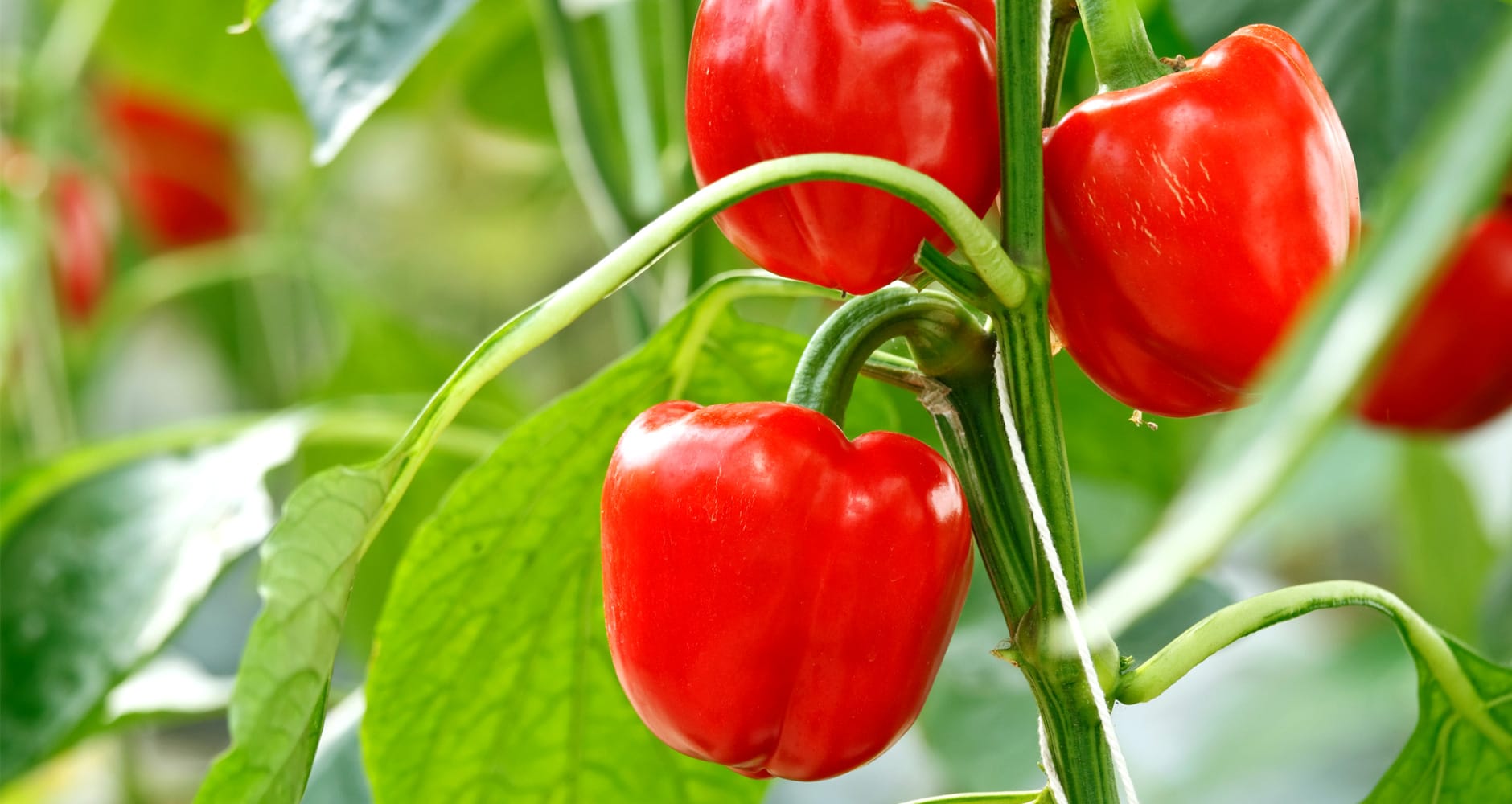
- Indications of Ripeness: Green bell peppers are ready when they have reached a usable size and feel firm. For colored varieties, they are ripe when they have fully changed color and have a glossy sheen.
- Harvesting Technique: Use sharp pruning shears or a knife to cut the peppers from the plant, leaving a small piece of stem attached. This prevents damage to the plant.
The Fall/Winter Growing Season
Central Florida’s mild winters are a significant advantage for gardeners, allowing for a second, often very productive, growing season for bell peppers. This season extends from late summer planting into the cooler months, offering a harvest well into the winter.
Planting for the Fall/Winter Harvest
The key to a successful fall/winter bell pepper crop is to plant during the right window to allow plants to establish before temperatures become too cool, but also to mature their fruit before the coldest periods.
- Timing: The ideal time to plant bell pepper transplants for a fall/winter harvest is from late July through September. Planting seeds directly into the garden is also an option during this period, though starting seeds indoors in June or July for transplanting in August is often more successful.
- Considerations: While many heat-loving vegetables struggle in the cooler months, bell peppers can tolerate cooler temperatures better than tomatoes, for example, especially once they are established and fruiting. However, they will not set new fruit when temperatures consistently drop below 55°F (13°C).
Growth and Fruiting in Cooler Weather
As the intense heat of summer subsides, bell pepper plants planted in late summer will continue to grow and produce. The milder temperatures can actually be beneficial for fruit development, reducing the risk of heat stress that can cause blossom drop.
- Watering: Watering needs will decrease as temperatures cool, but consistent moisture is still important. Avoid waterlogged soil, which can lead to root rot.
- Protection from Cold: While Central Florida generally avoids hard freezes, occasional dips into the low 30s (°F) can occur. If a frost is predicted, cover young plants or those with developing fruit with frost cloths, blankets, or even cardboard boxes. Row covers can provide several degrees of protection. Mature plants are generally more resilient.
Harvesting the Fall/Winter Crop
The fall/winter harvest typically begins in October and can extend through December or even January, depending on the varieties planted and the severity of the winter weather. This season often yields excellent quality peppers with fewer pest issues than the summer months.
- Extending the Season: For those wanting to push the harvest even further, consider planting cold-hardy varieties and using season extension techniques like cloches or small hoop tunnels. However, it’s important to note that sustained freezing temperatures will damage or kill the plants.
Selecting the Right Bell Pepper Varieties for Central Florida
Choosing the right bell pepper varieties can significantly impact your success in Central Florida. Some varieties are better suited to the heat, while others are more disease-resistant or have a longer harvest window.
Early Maturing Varieties
For quicker harvests, especially for the spring/summer crop, opt for early-maturing varieties. These peppers reach maturity faster, allowing you to enjoy your first peppers sooner and potentially get a second crop in before the season ends. Examples include ‘Early California Wonder’ and some of the smaller, sweeter pepper types.
Heat-Tolerant Varieties
During the peak of summer, when temperatures regularly exceed 90°F (32°C), some bell pepper varieties can struggle with heat stress, leading to blossom drop and reduced fruit set. Look for varieties known for their heat tolerance. While specific recommendations can vary, many modern hybrids are bred for improved performance in hot climates.
Disease-Resistant Varieties
Central Florida’s humidity can create conditions favorable for various fungal and bacterial diseases. Selecting varieties with known disease resistance, such as those resistant to Tobacco Mosaic Virus (TMV) or various wilts, can save a lot of heartache and effort.
Color Maturity
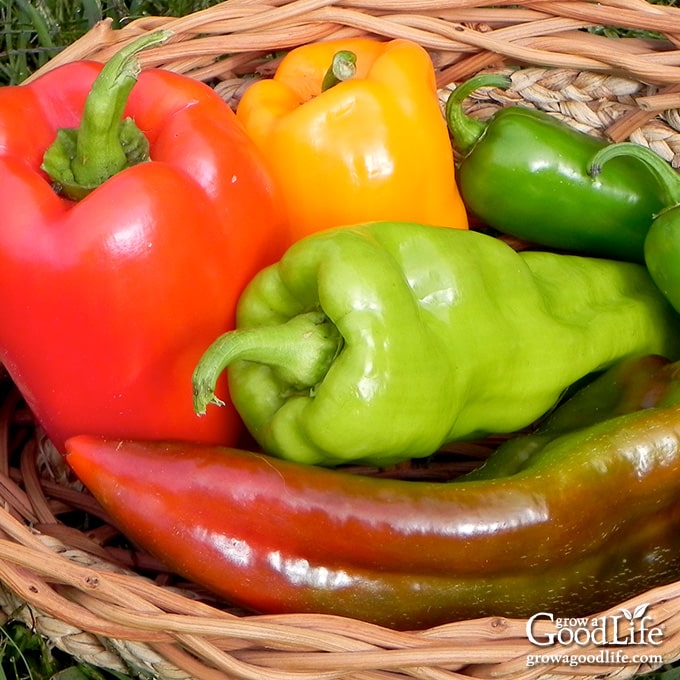
Consider the time it takes for your chosen variety to mature to its full color. Green bell peppers are essentially unripe colored peppers. If you prefer to harvest peppers at their mature, sweet, colorful stage, select varieties that have a shorter time from flowering to full color development. Red bell peppers, for instance, often take longer to mature than yellow or orange varieties.
Key Considerations for Success in Central Florida
Beyond the general planting times, several factors are critical for consistent success with bell peppers in Central Florida’s unique environment.
Soil Drainage
As mentioned, excellent drainage is paramount. Central Florida soils can be sandy and drain very quickly, or they can be heavier clay-based soils that retain too much moisture. Regardless of the soil type, amending with compost is essential. Raised beds are highly recommended as they ensure excess water can escape freely, preventing root rot.
Mulching Strategies
A generous layer of organic mulch, such as straw, pine bark, or shredded leaves, around your bell pepper plants offers numerous benefits. It helps conserve soil moisture, which is vital during the dry spells that can occur even during the rainy season. It also suppresses weed growth, reducing competition for nutrients and water, and keeps the soil temperature more stable, protecting roots from extreme heat or sudden cold snaps.
Irrigation Management
Consistent watering is key, but how and when you water makes a difference. Deep watering encourages a strong, deep root system. Watering in the early morning is best, as it allows foliage to dry before nightfall, reducing the risk of fungal diseases. Avoid overhead watering if possible, and opt for drip irrigation or soaker hoses that deliver water directly to the root zone. Monitor soil moisture by digging a few inches down; if it feels dry, it’s time to water.
Overcoming Blossom Drop
Blossom drop is a common problem for pepper plants in hot climates. It occurs when temperatures, especially nighttime temperatures, consistently exceed 85°F (29°C) or drop below 55°F (13°C). Extreme fluctuations in watering can also contribute. While some varieties are more heat-tolerant, ensuring consistent soil moisture and mulching can help mitigate this issue. Providing partial shade during the hottest part of the day with shade cloth can also be beneficial.
Conclusion: A Year-Round Opportunity
Central Florida’s climate transforms bell pepper cultivation from a strictly seasonal endeavor into a near year-round possibility. By strategically timing plantings for both the spring/summer and fall/winter seasons, and by selecting appropriate varieties, gardeners can enjoy a continuous harvest of these versatile and delicious vegetables. Understanding the subtle shifts in temperature, humidity, and sunlight throughout the year, coupled with diligent gardening practices, unlocks the full potential of growing bell peppers in this vibrant region. Whether you are aiming for a bumper crop to preserve or simply wish to add fresh, homegrown flavor to your meals, Central Florida offers a rewarding environment for the dedicated bell pepper enthusiast.
LifeOutOfTheBox is a participant in the Amazon Services LLC Associates Program, an affiliate advertising program designed to provide a means for sites to earn advertising fees by advertising and linking to Amazon.com. Amazon, the Amazon logo, AmazonSupply, and the AmazonSupply logo are trademarks of Amazon.com, Inc. or its affiliates. As an Amazon Associate we earn affiliate commissions from qualifying purchases.