
Understanding Florida’s hurricane season is paramount for any traveler planning a visit to the Sunshine State. This knowledge allows for informed decisions regarding travel dates, booking flexibility, and essential preparedness, ultimately ensuring a safer and more enjoyable experience. While the allure of Florida‘s pristine beaches, vibrant theme parks, and rich cultural tapestry remains year-round, acknowledging the potential for tropical cyclones is a crucial aspect of responsible travel planning.
The Official Hurricane Season Timeline
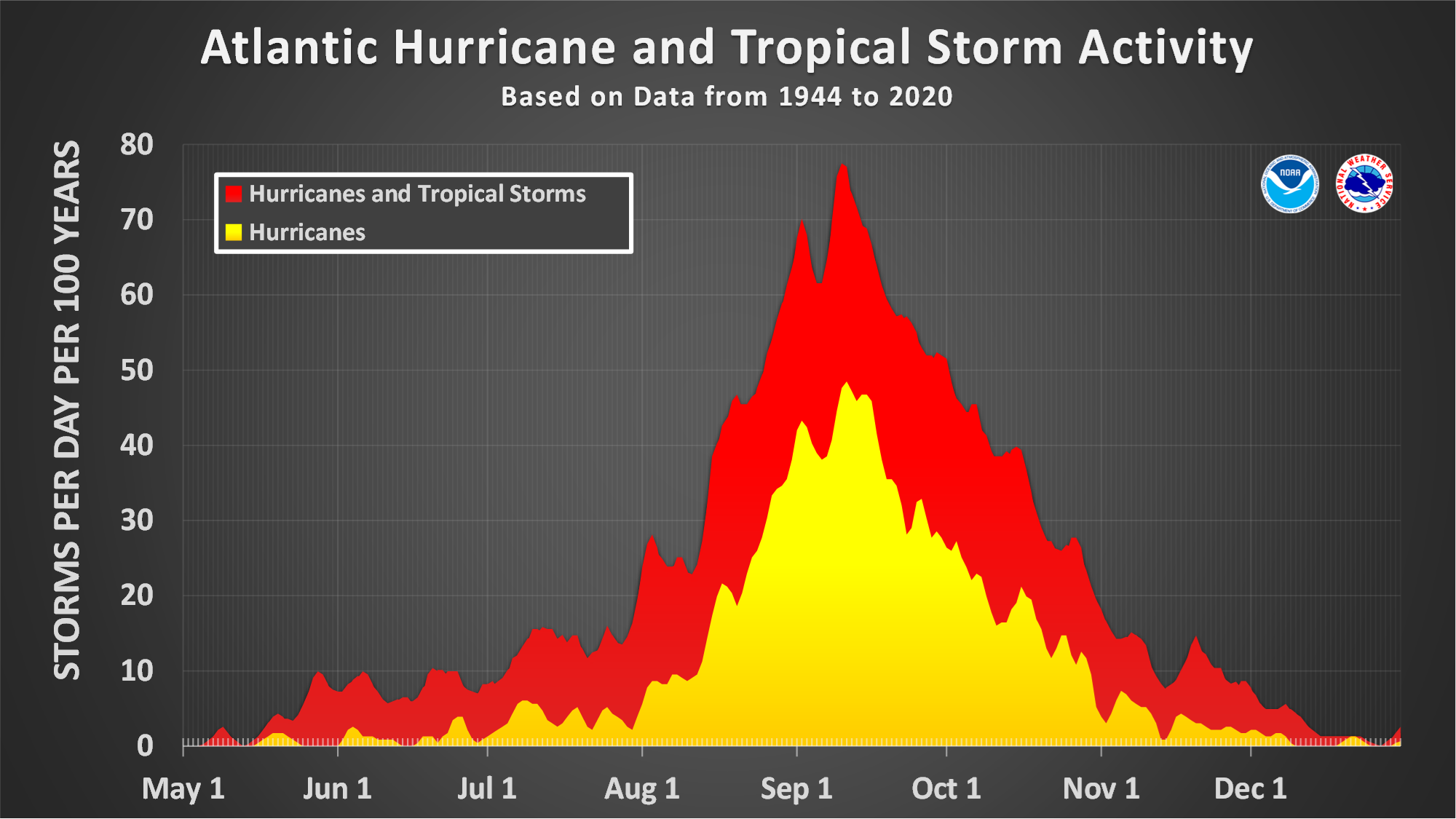
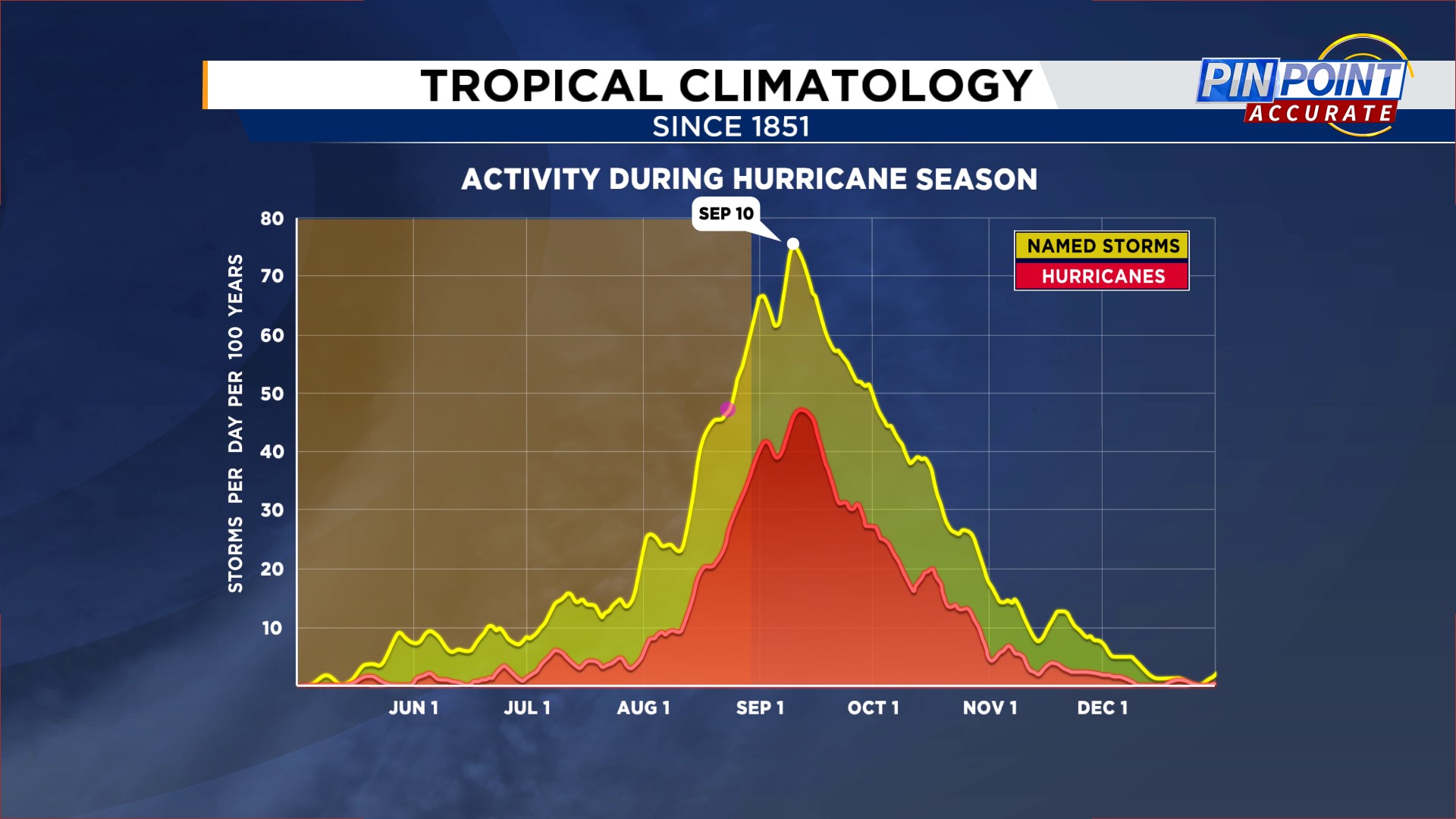
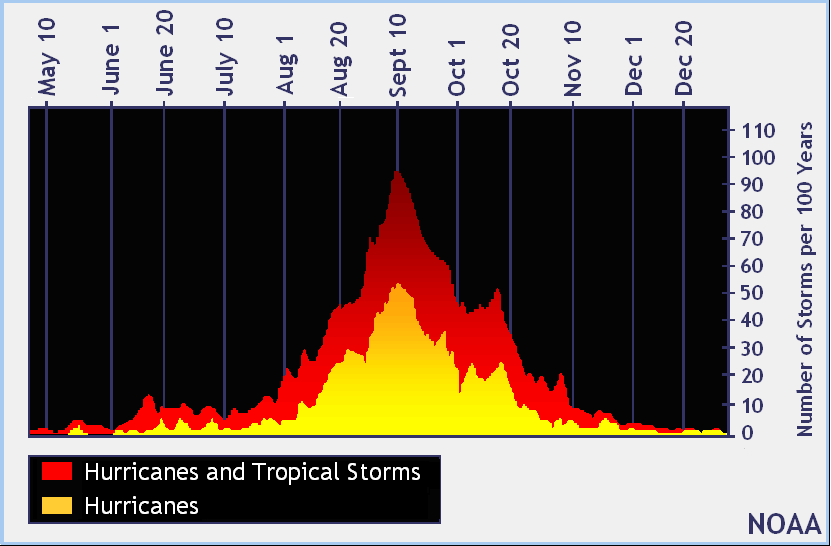
The Atlantic hurricane season, which directly impacts Florida, officially runs from June 1st to November 30th each year. This six-month period encompasses the majority of tropical storm and hurricane activity in the Atlantic basin. While the season is formally defined by these dates, it’s important to recognize that tropical disturbances can, and sometimes do, occur just outside these boundaries. However, the peak activity generally falls within the latter half of this period.
June and July: The Early Season
The initial months of hurricane season, June and July, typically see a gradual increase in tropical activity. While less frequent and often weaker than later storms, these early-season systems can still pose a threat. Tropical storms forming during this time are often born from disturbances over the Caribbean Sea or the western Atlantic Ocean. Forecasters often observe a buildup of warm ocean temperatures and favorable atmospheric conditions during these months, setting the stage for potential development. Travelers visiting during these months should remain aware of weather forecasts, though significant storm impacts are generally less common compared to August and September.
August, September, and October: The Peak Season
The period from August through October represents the peak of hurricane season in Florida. This is when ocean temperatures are at their warmest, and atmospheric conditions are most conducive to the formation and intensification of tropical cyclones. The storms that develop during these months tend to be more numerous and can reach greater strengths, including hurricanes.
The Significance of September
September is statistically the most active month for hurricanes in the Atlantic. This is largely due to the accumulated heat in the ocean waters, which provides ample fuel for storms to develop and strengthen. The confluence of warm sea surface temperatures, low wind shear, and moist atmospheric conditions creates a perfect environment for these powerful weather systems. Travelers planning trips during this month should exercise the utmost caution and remain vigilant with weather updates. Major hurricanes, like those that have impacted cities such as Miami and Tampa, often form or make landfall during this critical window.
November: The Late Season
As the hurricane season winds down in November, the frequency and intensity of tropical activity generally decrease. However, it is not unheard of for late-season storms to still develop and impact the region. These storms can sometimes be unexpected and catch residents and visitors off guard. While the likelihood of a significant hurricane strike is lower than in September or October, vigilance remains important until the official end of the season on November 30th.
Factors Influencing Hurricane Development
Several key meteorological factors contribute to the formation and intensity of tropical cyclones during hurricane season. Understanding these elements can provide further insight into why certain periods are more active than others.
Sea Surface Temperatures (SSTs)
Warm ocean waters are the primary energy source for hurricanes. Tropical cyclones typically require sea surface temperatures of at least 80°F (26.5°C) to form and sustain themselves. Throughout the summer and early autumn months, the Gulf of Mexico and the western Atlantic Ocean surrounding Florida absorb significant solar radiation, leading to elevated SSTs. These warmer waters provide the necessary heat and moisture that evaporate and fuel the thunderstorms that can coalesce into tropical depressions, tropical storms, and eventually, hurricanes.
Atmospheric Conditions
Beyond warm waters, specific atmospheric conditions are essential. Low vertical wind shear, meaning wind speeds do not change significantly with altitude, allows developing storm systems to remain vertically organized and intensify. Conversely, high wind shear can tear developing storms apart. Additionally, a pre-existing weather disturbance, such as a tropical wave moving off the coast of Africa or a low-pressure system in the tropics, often serves as the initial seed for a hurricane. Favorable upper-level winds also play a role in steering and allowing storms to mature.
El Niño-Southern Oscillation (ENSO)
The El Niño-Southern Oscillation (ENSO) is a climate pattern that describes the fluctuations in sea surface temperature in the eastern equatorial Pacific Ocean. ENSO can have a significant impact on hurricane activity in the Atlantic. Generally, an El Niño phase is associated with increased wind shear in the Atlantic, which tends to suppress hurricane activity. Conversely, a La Niña phase often leads to decreased wind shear, which can fuel more intense and frequent hurricane seasons in the Atlantic. Meteorologists monitor ENSO closely when making seasonal hurricane forecasts.
Planning Your Florida Trip with Hurricane Season in Mind
Knowing when hurricane season is allows travelers to make informed decisions to mitigate potential disruptions and ensure safety.
Booking Considerations
When booking a trip to Florida during hurricane season, especially during the peak months of August through October, it is highly advisable to opt for flexible booking options. Many airlines, hotels, and tour operators offer travel insurance or flexible change policies that allow you to modify or cancel your trip with minimal penalties in the event of a storm. Always read the fine print regarding cancellation policies and hurricane-related waivers. Traveling during the shoulder months of June, July, or November can sometimes offer a good balance between pleasant weather and a slightly reduced risk of major storm impacts.
Travel Insurance
Investing in comprehensive travel insurance is a wise decision for any trip to Florida during hurricane season. Ensure your policy specifically covers weather-related cancellations, delays, and medical emergencies. This can provide crucial financial protection if your travel plans are disrupted by a hurricane. Many policies will cover non-refundable expenses such as flights and accommodation if your destination is directly impacted by a named storm or if a mandatory evacuation order is issued.
Staying Informed
Reliable information is your best defense against the impacts of hurricane season. Before and during your trip, stay updated on weather forecasts from reputable sources such as the National Hurricane Center (NHC) and local news outlets. The NHC provides advisories, watches, and warnings for tropical storms and hurricanes. Familiarize yourself with the difference between a watch (conditions are possible) and a warning (conditions are expected). Download emergency alert apps on your smartphone and have a plan for communication if you are traveling with a group.
Destination Choices within Florida
While the entire state of Florida is susceptible to hurricanes, some areas might experience different impacts. Coastal regions are obviously more vulnerable to storm surge, while inland areas might face issues with heavy rainfall and flooding. For instance, cities on the Gulf Coast, such as Naples and Fort Myers, can be significantly impacted by storm surge from Gulf-forming storms. Conversely, the Atlantic coast, including destinations like Orlando and Miami, faces similar threats from storms developing in the Atlantic. Some travelers might consider destinations further inland, such as Orlando‘s theme park areas, as potentially less exposed to direct storm surge, though still vulnerable to wind and rain.
Beyond the Dates: Preparedness and Safety
Even outside the official hurricane season, it’s prudent for travelers to be aware of potential weather disruptions. However, during the season, preparedness is key.
Emergency Kits and Plans
If you are traveling to Florida during hurricane season, especially if you are renting a car and potentially staying in vacation rentals or hotels without comprehensive on-site emergency services, it’s wise to consider preparing a basic emergency kit. This could include non-perishable food, water, a first-aid kit, batteries, a flashlight, and any necessary medications. More importantly, have a communication plan with your travel companions. Know where to go for shelter if advised and have contact information for local emergency services readily available.
Understanding Evacuation Orders
In the event of an approaching hurricane, local authorities may issue evacuation orders. These are critical to heed and should not be ignored. If you are in a hotel, follow the instructions provided by the hotel staff. If you are in a rental property, be aware of local evacuation routes and procedures. Having your travel insurance and flexible bookings in place will be invaluable if an evacuation becomes necessary.
By understanding the nuances of Florida‘s hurricane season, travelers can better navigate their plans, ensuring a trip that is not only enjoyable but also safe and well-prepared for any potential weather challenges. The beauty and attractions of Florida await, and with proper planning, your visit can be a memorable and secure experience, regardless of the season.
LifeOutOfTheBox is a participant in the Amazon Services LLC Associates Program, an affiliate advertising program designed to provide a means for sites to earn advertising fees by advertising and linking to Amazon.com. Amazon, the Amazon logo, AmazonSupply, and the AmazonSupply logo are trademarks of Amazon.com, Inc. or its affiliates. As an Amazon Associate we earn affiliate commissions from qualifying purchases.