
Understanding the minimum wage in Florida is crucial for both employees and employers navigating the Sunshine State’s dynamic economic landscape. As a popular destination for tourism, business, and residents alike, the state’s labor laws directly impact a significant portion of its population and the operational costs for businesses across various sectors, from the hospitality industry to retail and service providers. This guide delves into the current minimum wage, its history, future projections, and the broader implications for individuals and the state’s economy.
Current Minimum Wage in Florida
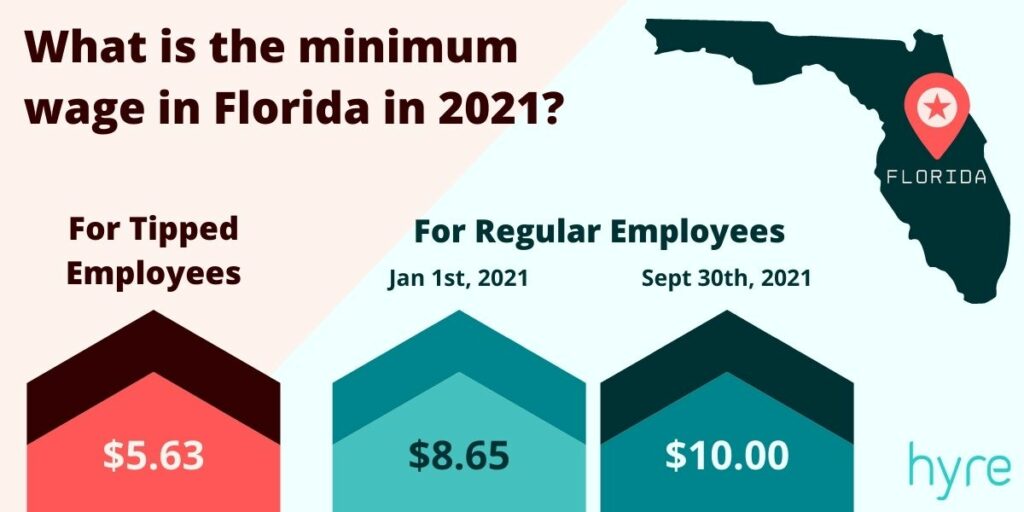
As of January 1, 2024, the minimum wage in Florida stands at $13.00 per hour. This rate applies to most employees, excluding those who are eligible for a tip credit. For tipped employees, the cash wage is set at $10.00 per hour, with the expectation that tips will bring their total earnings up to the standard minimum wage of $13.00 per hour. If an employee’s tips do not bring them to the $13.00 minimum, the employer is required to make up the difference.
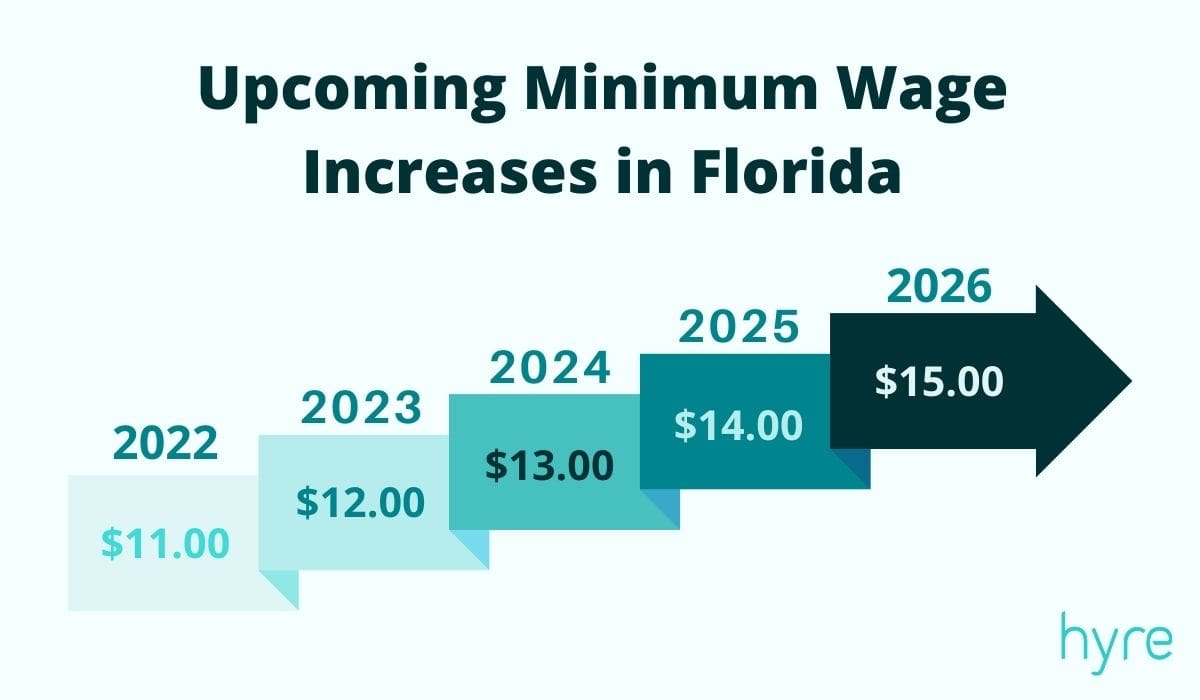
This wage increase is part of a phased approach to raising the minimum wage that was approved by voters in 2020. This initiative aims to gradually bring the state’s minimum wage in line with national discussions and the economic realities faced by low-wage workers. The gradual increases are designed to allow businesses time to adjust their financial models and labor costs accordingly.
Tipped Employees and Tip Credits
The distinction between tipped and non-tipped employees is a critical aspect of minimum wage laws in Florida, particularly given the significant presence of the hospitality and service industries. A tipped employee is generally defined as an employee who customarily and regularly receives more than $30 per month in tips.
The tip credit system allows employers to pay a lower cash wage to tipped employees, provided that the employee’s tips, when added to the cash wage, equal at least the state minimum wage. The current cash wage for tipped employees in Florida is $10.00 per hour. This means that for every hour worked, an employer must ensure that the employee earns at least $13.00 through a combination of the cash wage and tips. If, at the end of a pay period, an employee’s total earnings (cash wage plus tips) fall short of $13.00 per hour, the employer is legally obligated to pay the difference.
It is important for both employees and employers to understand the specific regulations surrounding tip credits, as misinterpretations can lead to wage and hour violations. Employers must keep meticulous records to document tip earnings and ensure compliance with federal and state labor laws. Employees should be aware of their rights and understand how to calculate their effective hourly wage to ensure they are being compensated fairly.
History of Florida’s Minimum Wage
Florida’s journey to its current minimum wage has been marked by legislative action and public initiatives. For many years, the state’s minimum wage was tied to the federal minimum wage. However, a growing movement advocating for a living wage led to the passage of a constitutional amendment in 2004 (Amendment 5) that allowed Florida to set its own minimum wage, separate from federal mandates.
This amendment paved the way for annual adjustments to the state’s minimum wage, typically tied to inflation, ensuring that the purchasing power of minimum wage earnings would not be significantly eroded over time. However, these adjustments were often modest.
A more significant shift occurred with the passage of an initiative in the 2020 general election, which mandated a substantial increase in the minimum wage over several years. This ballot measure, supported by a significant majority of voters, recognized the need for a more robust minimum wage to address rising costs of living and economic inequality within the state. The amendment set forth a schedule of annual increases, culminating in a higher minimum wage than previously established.
The history of minimum wage in Florida reflects a broader national conversation about economic fairness and the adequacy of wages for working families. It highlights the power of citizen-led initiatives in shaping labor policy and the evolving understanding of what constitutes a living wage in a state with a diverse and thriving economy.
Future Projections and Scheduled Increases
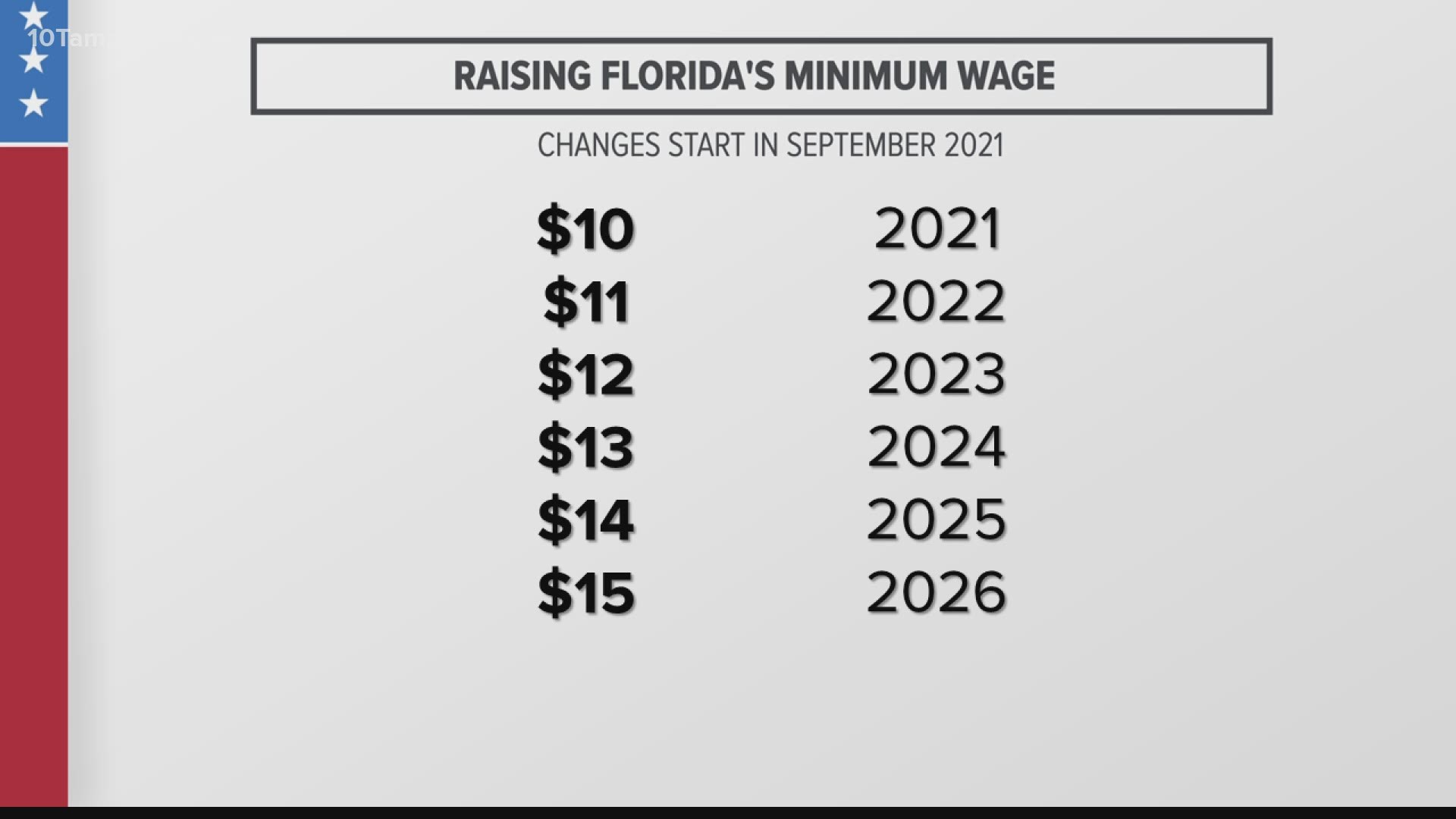
The minimum wage increases in Florida are not static. As established by the 2020 voter-approved amendment, the minimum wage is scheduled to continue rising annually. This forward-looking approach provides predictability for businesses and a clear path toward higher earnings for minimum wage workers.
- 2025: The minimum wage is projected to increase to $13.75 per hour.
- 2026: The minimum wage is projected to increase to $14.50 per hour.
- 2027: The minimum wage is projected to increase to $15.25 per hour.
- 2028 and Beyond: Starting in 2029, the minimum wage will be indexed to inflation, meaning it will be adjusted annually based on the Consumer Price Index (CPI). This ensures that the minimum wage continues to keep pace with the cost of living.
This gradual, multi-year increase is designed to mitigate the immediate economic shock to businesses while providing a significant boost to the wages of many Floridians. It also positions Florida to potentially align with or exceed the minimum wage rates of other states and municipalities that have also implemented higher wage standards.
The scheduled increases are a direct result of the significant public support for raising the minimum wage and are intended to foster a more equitable economic environment across the state, benefiting a wide range of workers who contribute to Florida’s economy, from those in the vibrant hospitality sector in places like Orlando and Miami to essential workers in retail and healthcare.
Implications for Businesses in Florida
The rising minimum wage in Florida has multifaceted implications for businesses of all sizes. Employers must carefully consider how these increases will affect their labor costs, pricing strategies, and overall operational efficiency.
Adjusting Labor Costs and Pricing
As the minimum wage increases, so does the cost of labor for businesses that employ minimum wage workers. For many businesses, especially those in labor-intensive industries such as restaurants, hotels, and retail stores, labor costs represent a significant portion of their operating expenses. To absorb these rising costs, businesses may need to consider several strategies:
- Price Adjustments: Many businesses will likely pass on some of the increased labor costs to consumers through higher prices for their goods and services. This is a common response, particularly in competitive markets where profit margins are tight.
- Efficiency Improvements: Businesses might invest in technology or process improvements to increase productivity and reduce the need for manual labor. This could include automation, improved inventory management systems, or streamlined customer service processes.
- Hiring Strategies: Some businesses may re-evaluate their staffing levels and hiring practices. This could lead to a greater emphasis on part-time workers, increased reliance on technology to perform certain tasks, or a more careful assessment of the number of employees needed to maintain desired service levels.
- Employee Training and Retention: In some cases, higher wages can lead to improved employee morale, reduced turnover, and increased productivity. Investing in employee training and development can also lead to a more skilled and efficient workforce, potentially offsetting some of the direct labor cost increases.
Impact on Tourism and Hospitality
The tourism and hospitality sectors are cornerstones of the Florida economy, employing a large number of individuals at or near minimum wage. Hotels, theme parks like Walt Disney World Resort, restaurants, and attractions will feel the impact of these wage increases directly.
For businesses in these sectors, managing labor costs is paramount. The gradual nature of the minimum wage increases allows time for businesses to adapt. However, the cumulative effect of these changes, combined with other operational costs, can necessitate strategic adjustments. For example, a resort in the Florida Keys might adjust its room rates or dining prices, or implement new service models to optimize staff allocation.
While increased labor costs are a concern, higher minimum wages can also lead to increased consumer spending power among low-wage workers. This could potentially translate to more disposable income for leisure activities, dining out, and travel within Florida, creating a beneficial cycle for the very industries that are adapting to the changes.
Small Businesses vs. Large Corporations
Small businesses often face greater challenges in absorbing increased labor costs compared to large corporations. With tighter margins and fewer resources, small business owners may find it more difficult to implement price increases without risking a loss of customers. They may also have less access to capital for investing in labor-saving technology.
However, the scheduled nature of the increases provides some breathing room. Many small businesses in Florida, from local cafes to boutique shops in cities like St. Augustine, are also deeply integrated into their communities and benefit from the loyalty of local customers. Some may find that investing in their employees through higher wages leads to better customer service and a stronger local reputation.
Implications for Employees in Florida
For employees in Florida, the increase in the minimum wage translates directly into improved financial well-being and greater economic security. These wage hikes are particularly impactful for individuals and families living on tight budgets, allowing for increased spending on necessities and potentially on discretionary items.
Increased Earning Potential and Economic Security
The most direct benefit for minimum wage workers is an increase in their hourly pay. This means more money in their pockets each pay period, which can be used for a variety of purposes, including:
- Meeting Basic Needs: Higher wages can make it easier to afford rent, utilities, groceries, and healthcare. This reduces financial stress and improves overall quality of life.
- Saving and Investment: For some, increased earnings may allow for modest savings or investment in education or job training, leading to further career advancement.
- Consumer Spending: As low-wage workers have more disposable income, they are likely to spend it within the local economy, supporting businesses and contributing to economic growth. This can create a positive feedback loop where higher wages fuel demand, which in turn can support job creation.
- Reduced Reliance on Public Assistance: A higher minimum wage can reduce the need for some individuals and families to rely on government assistance programs, potentially freeing up public resources for other needs.
Impact on Different Sectors and Demographics
The minimum wage increases will disproportionately benefit certain sectors and demographics within Florida. The retail, food service, and hospitality industries, which employ a significant number of lower-wage workers, will see the most direct impact. This includes employees working in theme parks, hotels, restaurants, and retail establishments across the state, from Tampa to Jacksonville.
Demographically, women and minority groups often make up a larger percentage of the low-wage workforce. Therefore, these groups are likely to see significant economic gains from the minimum wage increases. This aligns with broader goals of economic equity and reducing income inequality.
Understanding Employee Rights
It is essential for all employees in Florida to understand their rights regarding minimum wage. Employers are legally obligated to pay at least the state minimum wage. Employees who believe they are not being paid correctly should know where to seek assistance. The Florida Department of Economic Opportunity (DEO) and the U.S. Department of Labor’s Wage and Hour Division are resources for workers who have questions or concerns about their wages.
Ensuring compliance with minimum wage laws not only protects workers but also promotes fair competition among businesses by creating a level playing field. The ongoing increases in Florida’s minimum wage are a significant development that will continue to shape the economic landscape for both workers and employers in the years to come.
LifeOutOfTheBox is a participant in the Amazon Services LLC Associates Program, an affiliate advertising program designed to provide a means for sites to earn advertising fees by advertising and linking to Amazon.com. Amazon, the Amazon logo, AmazonSupply, and the AmazonSupply logo are trademarks of Amazon.com, Inc. or its affiliates. As an Amazon Associate we earn affiliate commissions from qualifying purchases.