
Understanding the daily rhythms of a destination can significantly enhance any visit, especially for families traveling with children. For those planning a trip to the Sunshine State, knowing when the school day begins in Florida can offer valuable insights into local traffic patterns, the availability of certain attractions during specific hours, and even the general atmosphere of towns and cities. While exact times can vary from district to district and even between individual schools, a general overview can help visitors navigate their itineraries more effectively. This guide aims to demystify the typical school start times across Florida, providing a practical framework for travelers.

The General Landscape of Florida School Start Times
The majority of public schools in Florida, encompassing elementary, middle, and high schools, tend to commence their academic day within a fairly narrow window. This uniformity is largely driven by state and district-level regulations and best practices aimed at optimizing educational delivery, transportation, and after-school activities.
Elementary Schools: The Early Birds
Florida’s elementary schools often have the earliest start times. This is typically designed to accommodate younger children’s natural sleep cycles and to allow parents who work standard hours more flexibility.
- Typical Start Window: Most Florida elementary schools begin their day between 7:30 AM and 8:15 AM.
- Impact on Travelers: Families visiting during the school year, especially those staying near residential areas, might notice increased local traffic and parent drop-offs during this period. This could impact travel times to nearby parks or attractions in the early morning. For example, if you’re planning a visit to a popular spot like the Walt Disney World Resort on a weekday, understanding this early rush can help you choose the optimal time to depart from your accommodation.
- Before and After School Programs: Many elementary schools offer before- and after-school care programs, which can extend the hours that school grounds are active. These programs might influence the atmosphere around schools well before the official start time and into the early evening.
Middle Schools: A Slight Shift
Middle schools, serving students typically from ages 11 to 14, often have start times that are very similar to elementary schools, or slightly later. This decision is often based on logistical considerations for school bus routes and the overall district schedule.
- Typical Start Window: The start times for Florida middle schools generally fall between 7:45 AM and 8:30 AM.
- Student Independence: As students in middle school become more independent, the dynamics of their commute can differ. While some are still dropped off by parents, others may walk, bike, or take school buses, contributing to morning traffic in specific zones.
- Curriculum and Activities: The structure of the middle school day, with rotating classes and various extracurricular activities, means that school campuses remain hubs of activity throughout the day.
High Schools: Later Starts for Older Students
A growing trend, supported by research on adolescent sleep patterns, is for high schools to adopt slightly later start times. The rationale is that teenagers’ natural circadian rhythms shift, making it easier for them to learn and perform better when school begins later in the morning.
- Typical Start Window: Many Florida high schools begin their day between 8:00 AM and 8:45 AM, with some districts experimenting with even later starts, sometimes pushing towards 9:00 AM.
- Traffic Considerations for Travelers: This later start can mean that morning traffic on major arteries leading away from residential areas and towards business districts or tourist hubs might be less congested during the absolute peak hours of 7:30 AM to 8:00 AM, compared to areas with earlier elementary school starts. However, traffic can still be significant as students begin their commute.
- Impact on Evening Activities: Later school dismissals can sometimes influence the timing of evening events or the availability of certain public facilities like libraries or community centers that might be used by high school students.
Factors Influencing School Start Times
While the general patterns are observable, it’s important to recognize that several factors contribute to the specific start times set by individual school districts within Florida.
District-Level Policies and Logistics
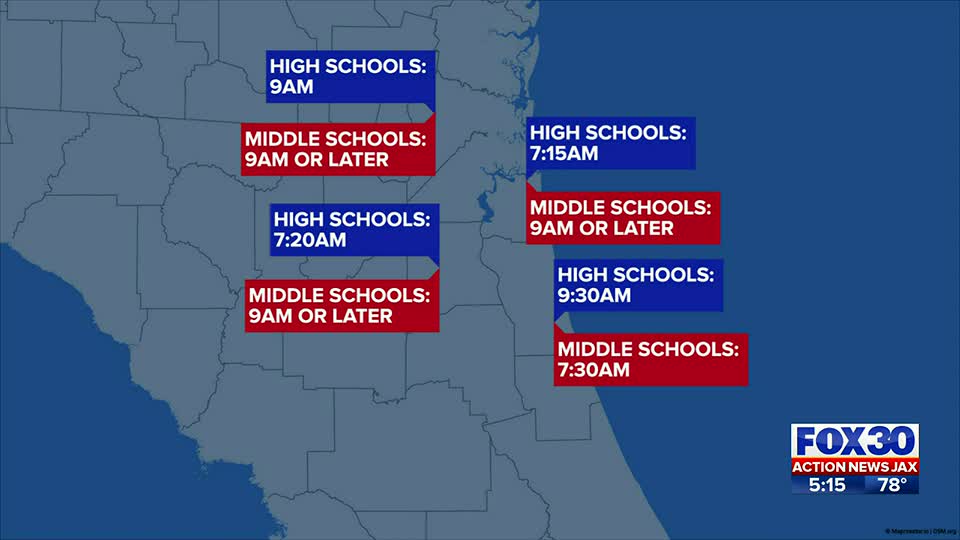
Each of Florida’s 67 public school districts has the authority to set its own bell schedules. These decisions are often complex, involving:
- Transportation Efficiency: School bus routes are a major consideration. Districts aim to create routes that are efficient and cost-effective, which can dictate when buses are available for different school levels. Sometimes, a single bus fleet might serve multiple schools, necessitating staggered start times to allow for pick-up and drop-off logistics.
- Staffing and Resource Allocation: The scheduling of teachers, administrative staff, and support personnel is also a key factor. Uniform start times across a district can simplify staff deployment and the utilization of school facilities.
- Community Needs and Parental Input: School districts often solicit feedback from parents, teachers, and students when making decisions about school schedules. Community demographics and parental work schedules can play a role in these discussions.
Regional Differences within Florida
Florida is a large and diverse state, and regional differences can sometimes be observed in school start times, though the overarching trends remain consistent.
- Urban vs. Rural: In densely populated urban areas, such as those in Miami-Dade County or Orange County, traffic congestion is a more significant factor, potentially influencing decisions to stagger start times or to emphasize earlier dismissals to avoid peak rush hour. In more rural parts of the state, logistical challenges might be different, but the core principles of optimizing student learning and operational efficiency still apply.
- Impact on Attractions: When visiting major tourist destinations like Orlando or Tampa, understanding local school schedules can be particularly beneficial. For instance, knowing that most schools in Orange County start around 7:45 AM to 8:30 AM can inform your decision about when to head to a theme park to avoid the initial wave of local commuter traffic. Conversely, if you’re visiting during school holidays, you might find that traffic patterns are noticeably different.
Private Schools and Charter Schools
While public schools follow district-wide policies, private and charter schools in Florida often have more autonomy in setting their schedules.
- Varied Schedules: These institutions may adopt start times that align with specific educational philosophies, catering to particular student needs, or offering specialized programs. Some may choose earlier starts to facilitate shorter school days or later starts to accommodate parental work schedules more effectively.
- Impact on Travelers: For families choosing to enroll children in these schools or those interacting with them, it’s essential to check the specific school’s calendar and schedule directly. The impact on local traffic will be localized to the immediate vicinity of these schools.
How Travelers Can Use This Information
For tourists, particularly those traveling with children, understanding school start times is less about meticulously planning around every school bell and more about gaining a general awareness of local rhythms that can optimize travel and experiences.
Planning Your Day’s Itinerary
- Morning Departures: If your accommodation is located in a primarily residential area, or if your planned activity is on a route commonly used by school buses and parent drop-offs, consider departing for your destination 15-30 minutes earlier or later than the typical school start times (7:30 AM – 8:45 AM) to potentially avoid minor traffic delays.
- Theme Park Strategies: For popular attractions like Universal Orlando Resort or Busch Gardens Tampa Bay, arriving right at opening time is often the best strategy regardless of school schedules. However, understanding local commuter patterns can help you gauge general road conditions on your way to the park.
- Lunchtime and Early Afternoon: The period between 11:00 AM and 1:00 PM is often a peak time for local lunchtime commutes. While not as pronounced as morning school runs, it’s something to be mindful of if you are traveling during this window.
Navigating Florida’s Roads
- Traffic Apps: Utilize real-time traffic applications like Google Maps or Waze, which are invaluable for navigating Florida’s roads. These apps will factor in current conditions, including school-related traffic, and provide the most efficient routes.
- School Zones: Be particularly aware of school zones, which often have reduced speed limits during specific hours and may have crossing guards present. Obeying these limits and signals is crucial for safety and to avoid citations.
- Weekends and Holidays: Remember that school start times are typically only relevant on weekdays during the academic year. Florida operates on a traditional school calendar, with significant breaks during summer, winter holidays, and spring break. During these periods, traffic patterns will reflect the absence of daily school commutes.

Embracing Local Life
- Observing Daily Routines: Acknowledging when schools start and end can offer a small but significant insight into the daily life and routines of Florida communities. It’s a subtle way to connect with the local pace of life beyond the tourist attractions.
- Family Travel Tips: For families, this knowledge can help in scheduling activities that cater to children’s energy levels. For instance, planning a more active morning at an attraction before the heat of the day, or understanding that a slightly more relaxed pace might be necessary if you’re navigating morning school traffic.
In conclusion, while pinpointing the exact start time for every school in Florida is impractical for a visitor, understanding the general trends—early starts for elementary schools, slightly later for middle and high schools—provides a valuable layer of context for planning your travels. By being aware of these local rhythms, you can better navigate Florida’s roads, optimize your itinerary, and experience the Sunshine State with a greater appreciation for its everyday flow.
LifeOutOfTheBox is a participant in the Amazon Services LLC Associates Program, an affiliate advertising program designed to provide a means for sites to earn advertising fees by advertising and linking to Amazon.com. Amazon, the Amazon logo, AmazonSupply, and the AmazonSupply logo are trademarks of Amazon.com, Inc. or its affiliates. As an Amazon Associate we earn affiliate commissions from qualifying purchases.