
Navigating the Sunshine State, especially for travelers, hinges on understanding its distinct time zones. While often perceived as a single entity, Florida is actually split between two primary time zones: Eastern Standard Time (EST) and Central Standard Time (CST). This temporal division, largely dictated by geography and historical precedent, plays a crucial role in daily life, business operations, and, most importantly, the planning of any visit to this diverse and popular travel destination. For those embarking on a Florida vacation, a clear grasp of these time zones is fundamental to avoiding confusion, maximizing your itinerary, and ensuring a smooth and enjoyable experience. From the bustling metropolises of the east coast to the laid-back Panhandle, knowing “What time is Florida now?” is the first step in unlocking the state’s abundant offerings.
Understanding Florida’s Time Zones
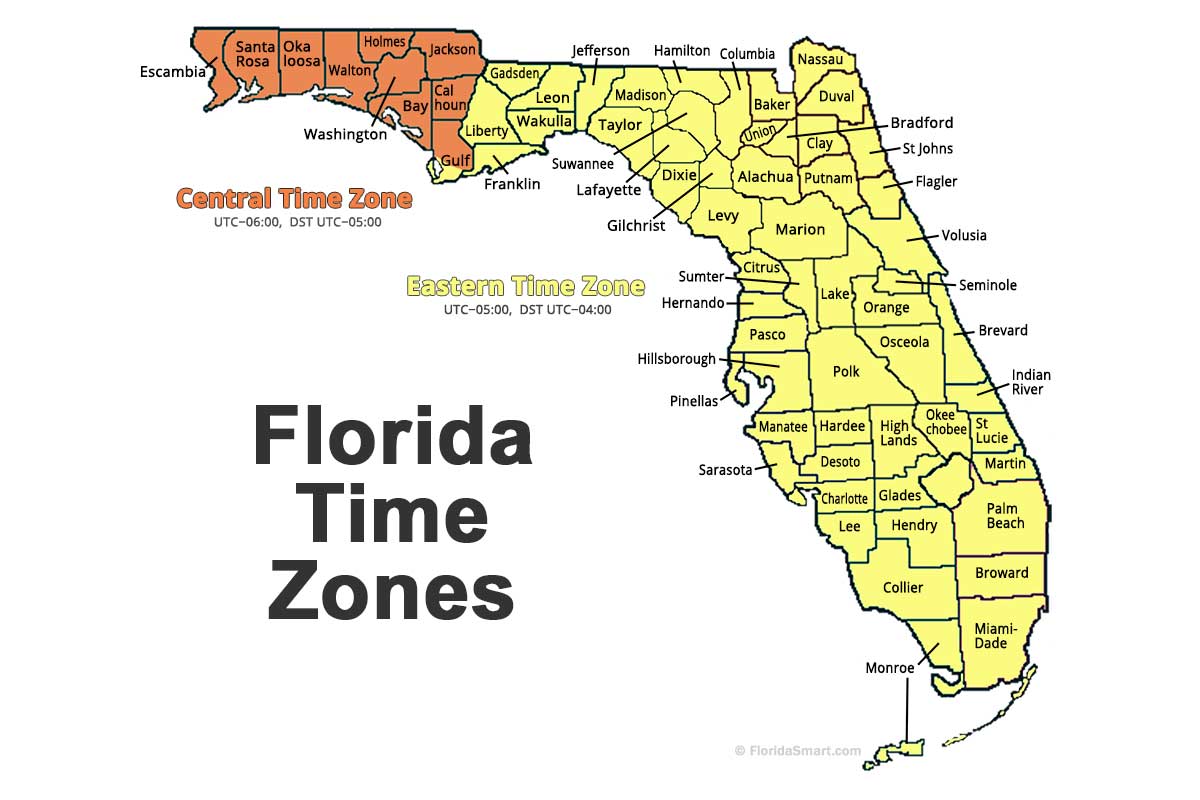
Florida is divided into two distinct time zones, a fact that can sometimes surprise visitors who may assume the entire state operates under one standard time. The majority of the state observes Eastern Standard Time (EST), while a significant portion of the western Panhandle adheres to Central Standard Time (CST). This division isn’t arbitrary; it’s a geographical and historical reality that shapes the rhythm of life across the state.
Eastern Standard Time (EST)
Eastern Standard Time (EST) governs the majority of Florida’s population centers and popular tourist destinations. This includes cities like Miami, Orlando, Tampa, Jacksonville, and the Florida Keys. When most people think of Florida, they are referring to areas operating on EST.
During the winter months, EST is in effect. However, like the rest of the Eastern Time Zone in the United States, Florida observes Daylight Saving Time (DST). From the second Sunday in March to the first Sunday in November, the state switches to Eastern Daylight Time (EDT), which is UTC-4. This means during these months, the time is one hour ahead of standard EST (UTC-5). While the entire state officially observes DST, the practical impact of this shift is felt most acutely by those aware of the state’s dual time zone structure.
Central Standard Time (CST)
Central Standard Time (CST) applies to the westernmost portion of the Florida Panhandle. This region is geographically and culturally closer to states like Alabama and Mississippi, which also observe CST. Cities such as Pensacola, Panama City, and Destin fall within the CST zone.
Similar to EST, CST also observes Daylight Saving Time. During the DST period (March to November), this region switches to Central Daylight Time (CDT), which is also UTC-5. This means that during DST, the CST zone is two hours behind the majority of Florida which is on EDT. The transition to and from DST creates a temporal difference of one hour between the two time zones within Florida for most of the year.
The Dividing Line
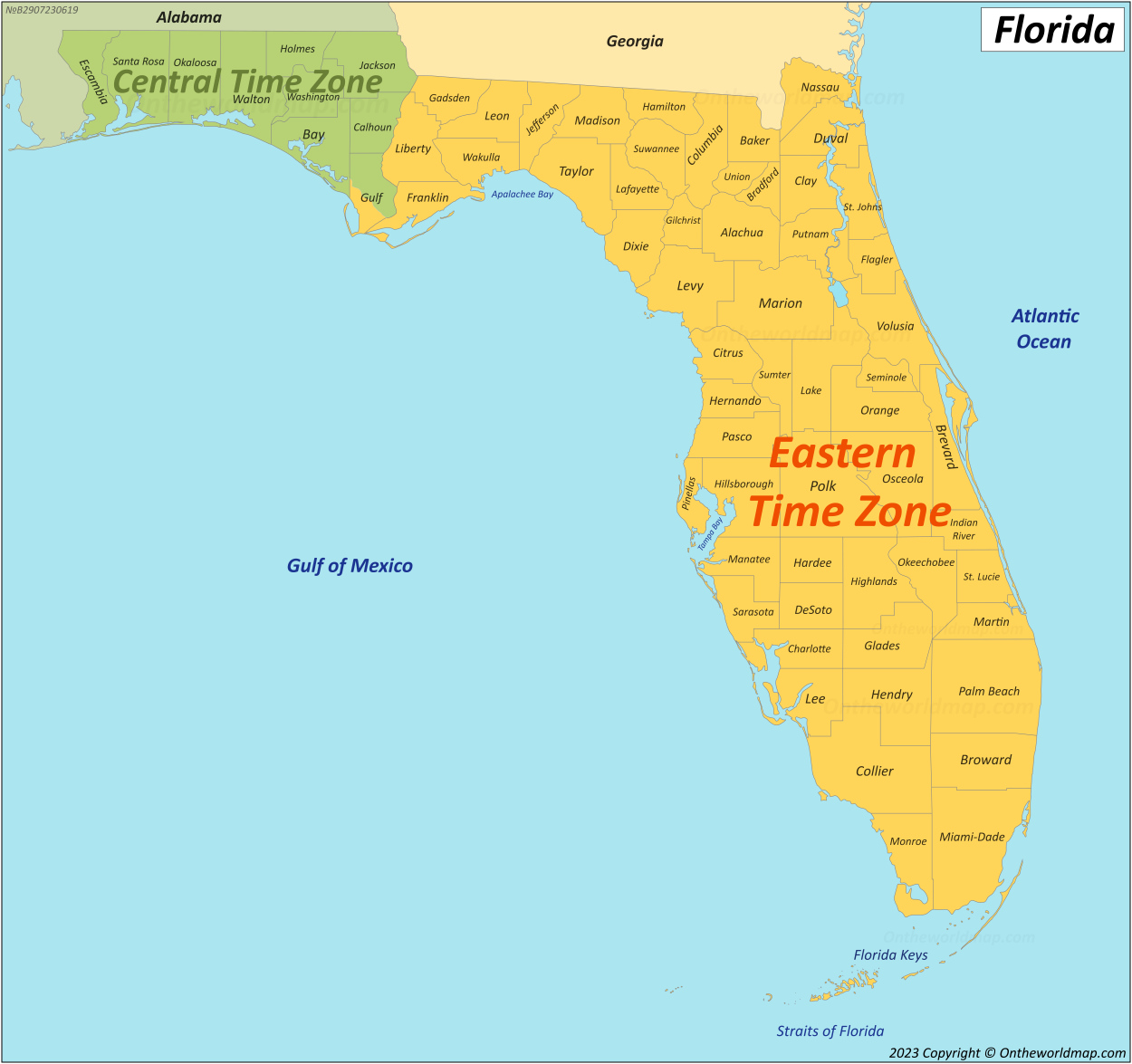
The boundary between EST and CST in Florida is not a rigid line but rather a geographical demarcation that roughly follows the line of longitude. The exact boundary can be a bit nuanced, particularly in counties that straddle the division. However, generally speaking, areas west of the Apalachicola River are considered to be in the Central Time Zone, while areas to the east are in the Eastern Time Zone. This historical division has deep roots, stemming from when rail lines and telegraph communication influenced the standardization of time across the nation. For travelers, understanding this geographical split is key to planning activities and avoiding miscommunications, especially when traveling across the Panhandle.
Impact on Travel Planning
The dual time zone system in Florida can have tangible effects on your travel experience. From coordinating flights and car rentals to planning excursions and dining reservations, being aware of the time difference is essential. Misunderstanding the time can lead to missed appointments, delayed departures, or simply a feeling of being out of sync with your surroundings.
Coordinating Flights and Transportation
When booking flights into or out of Florida, always pay close attention to the arrival and departure times listed for your chosen airport. For instance, if you are flying into Pensacola International Airport (PNS) in the Panhandle, the local time will be one hour behind that of Orlando International Airport (MCO). This is particularly important if your itinerary involves connecting flights or ground transportation that needs to be met at a specific time.
Similarly, when arranging car rentals or shuttle services, confirm the pick-up and drop-off times according to the local time at your destination. A rental car booked for 2 PM in Miami will be based on EST/EDT, while a pick-up in Panama City at 2 PM will be based on CST/CDT. This one-hour difference, though seemingly small, can be significant when you’re trying to catch a ferry, make a dinner reservation, or simply get settled into your hotel.
Scheduling Excursions and Activities
Florida offers a vast array of activities, from theme parks in Orlando to dolphin-watching tours in the Keys and pristine beaches along the Panhandle. When booking these experiences, always verify the scheduled start times in the local time zone of the activity.
For example, a sunset cruise departing from Key West will operate on Eastern Time. If you are traveling from the western Panhandle for this excursion, you will need to account for the one-hour difference when planning your travel that day. Conversely, if you plan to attend an early morning fishing trip out of Destin, remember that its 7 AM start time is in Central Time, meaning it’s effectively 8 AM in Miami. This awareness ensures you don’t miss out on valuable vacation experiences due to a simple timing oversight.
Dining and Evening Entertainment
Even casual activities like dining can be affected by the time zone difference. Reservations made for popular restaurants in cities like Tampa will be in EST/EDT. If you’re staying in a hotel in the CST zone and have a reservation for 7 PM, remember that this corresponds to 8 PM Eastern Time. This might influence when you decide to leave your accommodation, especially if you’re driving or need to navigate traffic. For evening entertainment, such as shows at the Walt Disney World Resort or a concert in Miami, confirming the showtime in the local time zone is always advisable.
Tips for a Smooth Temporal Experience
To ensure your trip to Florida is as seamless as possible, incorporating a few simple strategies can help you manage the time zone differences effectively. Proactive planning and a little attention to detail will go a long way in making your vacation stress-free.
Update Your Devices
Most smartphones and smartwatches automatically update their time based on location. However, it’s always a good idea to verify that this feature is enabled. When you cross the time zone boundary within Florida, your devices should update accordingly. If you are relying on a non-smart watch or a separate clock, make a conscious effort to adjust it as soon as you realize you’ve entered a different time zone. Many rental cars also display the local time, which can be a helpful indicator.
Communicate Clearly
When making reservations or arrangements, always specify the time zone, especially if you are booking from out of state or communicating with someone in a different part of Florida. For example, instead of saying “meet at 10 AM,” say “meet at 10 AM Eastern Time” or “meet at 10 AM Central Time.” This explicit communication minimizes the risk of misunderstandings, particularly when dealing with individuals who may not be fully aware of the state’s dual time zones.
Plan Your Travel Days Strategically
If your itinerary involves traveling between the Eastern and Central time zones within Florida on the same day, plan your movements carefully. For instance, if you are driving from Tallahassee (EST) to Pensacola (CST) for an evening event, remember that you will gain an hour. This can be advantageous, allowing you more time for activities or a more relaxed pace. Conversely, if you are heading east, you will lose an hour. Factor this into your driving times and any time-sensitive appointments.

Embrace the Difference
Ultimately, the time zone difference in Florida is a unique characteristic of the state. Instead of viewing it as a potential annoyance, consider it part of the local flavor. Whether you’re enjoying the sunrise over the Atlantic in Miami or catching a late afternoon sun on the Gulf Coast near Panama City, the time zone is simply a part of the rhythm of your Florida adventure. By being informed and prepared, you can fully immerse yourself in all that the Sunshine State has to offer, from its vibrant cities and world-class attractions to its stunning natural landscapes, without missing a beat.
LifeOutOfTheBox is a participant in the Amazon Services LLC Associates Program, an affiliate advertising program designed to provide a means for sites to earn advertising fees by advertising and linking to Amazon.com. Amazon, the Amazon logo, AmazonSupply, and the AmazonSupply logo are trademarks of Amazon.com, Inc. or its affiliates. As an Amazon Associate we earn affiliate commissions from qualifying purchases.