
Understanding the temporal landscape of Florida is more than a simple matter of checking a clock; it’s a crucial element for any visitor looking to seamlessly navigate the Sunshine State’s abundant attractions and experiences. As a sprawling state with a significant east-west expanse, Florida’s timekeeping has historically been influenced by its geographical position and its relationship with broader time zone conventions. For travelers, a clear grasp of these nuances can prevent missed flights, ensure timely tour departures, and allow for the optimal planning of unforgettable adventures, from the vibrant nightlife of Miami to the serene beaches of the Panhandle.
Navigating Florida’s Time Zones: Eastern Standard Time (EST) and Beyond
The vast majority of Florida observes Eastern Standard Time (EST), which is UTC-5. This encompasses the most populated and frequently visited areas, including major cities like Orlando, Tampa, Miami, and Jacksonville. When planning a trip to these destinations, aligning your expectations with EST is the first step to a smooth travel experience.
The Eastern Time Zone: A General Overview
For most visitors, especially those flying into major hubs like Miami International Airport or Orlando International Airport, the time will be consistent with the Eastern Time Zone. This means that when it is noon in New York City, it is also noon in Miami. This uniformity simplifies scheduling for events, dining reservations, and general daily activities across these popular tourist regions.
Daylight Saving Time (DST) in Florida
Like most of the United States, Florida observes Daylight Saving Time (DST). During DST, the time shifts forward by one hour, from EST to Eastern Daylight Time (EDT), which is UTC-4. This typically begins on the second Sunday in March and ends on the first Sunday in November. The introduction of DST means that during these months, Florida will be three hours behind Coordinated Universal Time (UTC). Understanding this shift is critical for international travelers, as it impacts the perceived time difference with their home countries. For instance, during EDT, Florida will be one hour further ahead of London than it is during standard time.
The Peculiar Case of the Florida Panhandle
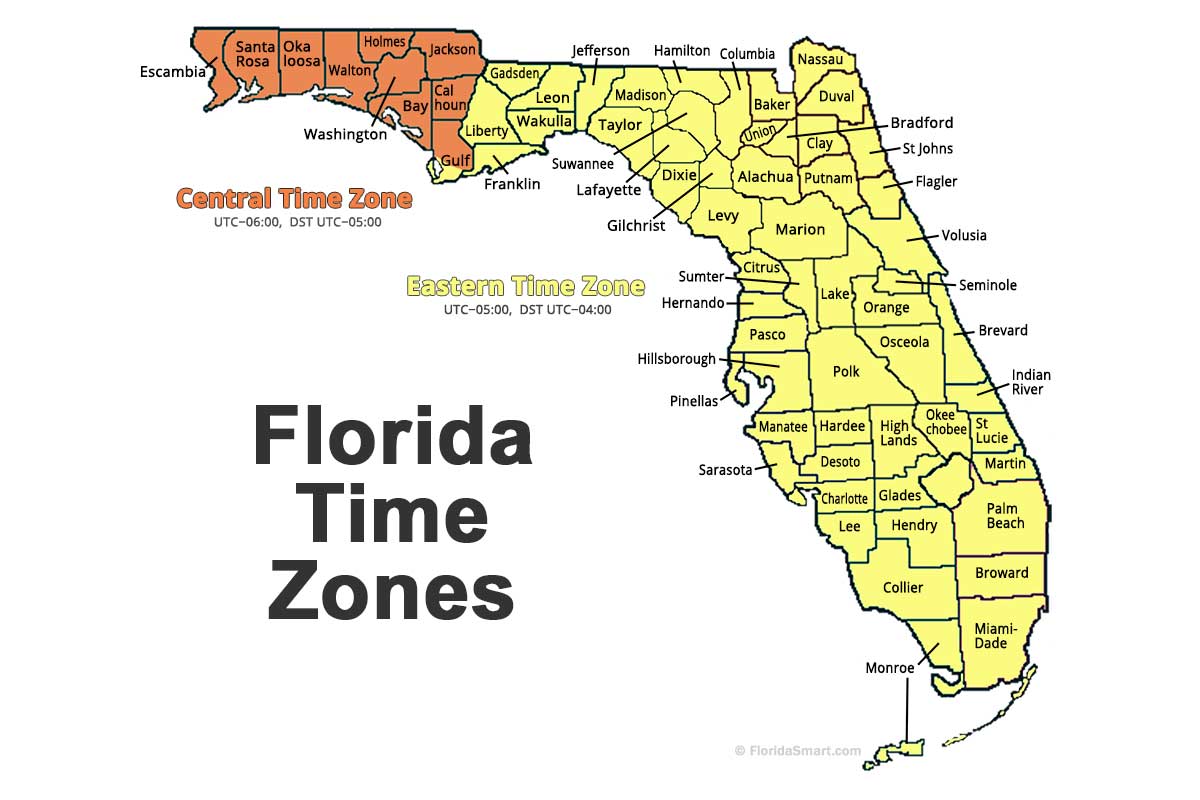
While the majority of Florida adheres to the Eastern Time Zone, a small, western portion of the Panhandle operates under the Central Time Zone (CST) (UTC-6), which is one hour behind EST. This unusual division is a geographical relic, stemming from historical transportation and communication patterns. Cities like Pensacola and Tallahassee, though considered part of Florida, fall within this Central Time Zone boundary. For travelers venturing into this specific region, particularly those driving from the east or west, it’s imperative to be aware of this time differential. Missing a planned activity in Pensacola due to overlooking this time zone difference is a preventable misstep.
Understanding the Panhandle’s Time Boundary
The boundary between the Eastern and Central Time Zones in Florida is not a sharply defined line but rather a region where the time zones transition. Generally, the counties west of the Apalachicola River are in the Central Time Zone, while those to the east are in the Eastern Time Zone. This can lead to confusion for travelers moving between areas like Panama City Beach (Eastern Time) and Destin (Central Time) if they are not paying close attention. Always confirm the local time in your specific destination within the Panhandle.
Impact of Time on Travel Planning and Experiences
The temporal nuances of Florida have tangible impacts on a wide array of travel-related activities, from booking accommodations to enjoying specific attractions.
Coordinating Flights and Transportation
When booking flights into or out of Florida, always verify that the arrival and departure times are listed in the local time of the airport. Major airports like Orlando International Airport and Fort Lauderdale-Hollywood International Airport operate on Eastern Time. However, if your journey includes travel to or from the western Panhandle, such as flying into Pensacola International Airport, remember to adjust for the Central Time Zone. This is especially important for connecting flights or rental car pickups, where even a one-hour difference can necessitate a significant change in schedule.

Scheduling Attractions and Tours
Florida is famed for its theme parks like Walt Disney World Resort and Universal Orlando Resort, boat tours from Key West, and historical excursions in St. Augustine. The operating hours of these attractions and the departure times for tours are invariably set to the local time of the venue. When booking an early morning airboat ride in the Everglades or a sunset cruise in Clearwater, confirming the exact time in the correct time zone is paramount. For example, a tour scheduled for 7:00 AM in Miami will be at 6:00 AM if you are in Pensacola.
Maximizing Daylight and Evening Activities
Florida’s reputation as the “Sunshine State” means that daylight hours play a significant role in maximizing visitor experiences. Understanding the current time, especially in relation to sunrise and sunset, is crucial for planning beach days, outdoor adventures, and enjoying the state’s vibrant nightlife.
Beach and Outdoor Pursuits
For those eager to soak up the sun on the pristine shores of South Beach or explore the natural beauty of Everglades National Park, knowing the exact time allows for efficient use of daylight. An early start can help avoid the midday heat and crowds, while an afternoon beach visit can extend well into the golden hour. Similarly, for activities like kayaking in Crystal River or exploring the Dry Tortugas National Park, timing is essential for a full and rewarding experience.
Evening Entertainment and Dining
Florida offers a diverse range of evening entertainment, from Broadway shows in Tampa to lively salsa clubs in Little Havana. Reservations at world-class restaurants, tickets to sporting events like Miami Dolphins games, or attending a performance at the Adrienne Arsht Center for the Performing Arts all require adherence to scheduled times. Being mindful of the time zone, especially if moving between regions or returning from a day trip to the Panhandle, will ensure you don’t miss out on the exciting nocturnal offerings of the state.
Practical Tips for Time Management in Florida
To ensure your travels in Florida are as smooth and enjoyable as possible, adopting a few practical habits related to time management will prove invaluable.
Always Verify Local Time
The most fundamental tip is to always verify the local time upon arrival in Florida. While smartphones and smart devices often update automatically, it’s wise to double-check, especially if you’ve just crossed a time zone boundary or if there’s any doubt about Daylight Saving Time. Local news websites, weather apps, or simply asking a local can provide immediate confirmation.
Utilize Time Zone Converters
For travelers who are frequently moving between regions or coordinating with contacts in different time zones, online time zone converters or mobile applications are indispensable tools. These can help you quickly calculate the correct time in Florida relative to your home or other travel destinations, minimizing the risk of miscommunication or missed appointments.

Factor in Travel Time and Transitions
When planning your itinerary, always factor in realistic travel times between locations, including potential traffic delays, especially in major metropolitan areas like Miami or around Orlando. Furthermore, be mindful of the one-hour time difference if your itinerary involves travel between the Eastern and Central Time Zones in the Panhandle. Allowing for buffer time before scheduled events or appointments will alleviate stress and ensure you can fully immerse yourself in the Florida experience. By understanding and respecting the temporal rhythm of the Sunshine State, your journey will be more organized, enjoyable, and free from the common frustrations that time zone confusion can bring.
LifeOutOfTheBox is a participant in the Amazon Services LLC Associates Program, an affiliate advertising program designed to provide a means for sites to earn advertising fees by advertising and linking to Amazon.com. Amazon, the Amazon logo, AmazonSupply, and the AmazonSupply logo are trademarks of Amazon.com, Inc. or its affiliates. As an Amazon Associate we earn affiliate commissions from qualifying purchases.