
Understanding the current time in Disneyland Florida is not just about knowing the hour; it’s a crucial element for any traveler planning their magical adventure. Whether you’re coordinating dining reservations, strategizing park hopping, or simply trying to maximize your daylight hours for iconic attractions, precise timing is paramount. This guide aims to demystify the temporal landscape of this beloved entertainment destination, ensuring your visit is as seamless and enchanting as possible.
Navigating Time Zones and Daylight Saving
Disneyland Florida, nestled in the heart of Orlando, operates on Eastern Time (ET). This time zone encompasses a vast swathe of the eastern United States and is further divided into two distinct periods: Eastern Standard Time (EST) and Eastern Daylight Time (EDT).

Eastern Standard Time (EST) vs. Eastern Daylight Time (EDT)
- Eastern Standard Time (EST): This is the baseline time observed from the first Sunday in November until the second Sunday in March. During EST, the time in Orlando is UTC-5. This is the period when daylight hours are naturally shorter, making early morning park openings and late evening fireworks a special, but perhaps more fleeting, experience.
- Eastern Daylight Time (EDT): From the second Sunday in March until the first Sunday in November, Orlando observes EDT. This is a period of “springing forward,” where clocks are moved one hour ahead, making the time UTC-4. EDT is characterized by longer daylight hours, offering extended opportunities for outdoor activities and a more relaxed pace for park exploration.
The Impact on Your Disney Itinerary
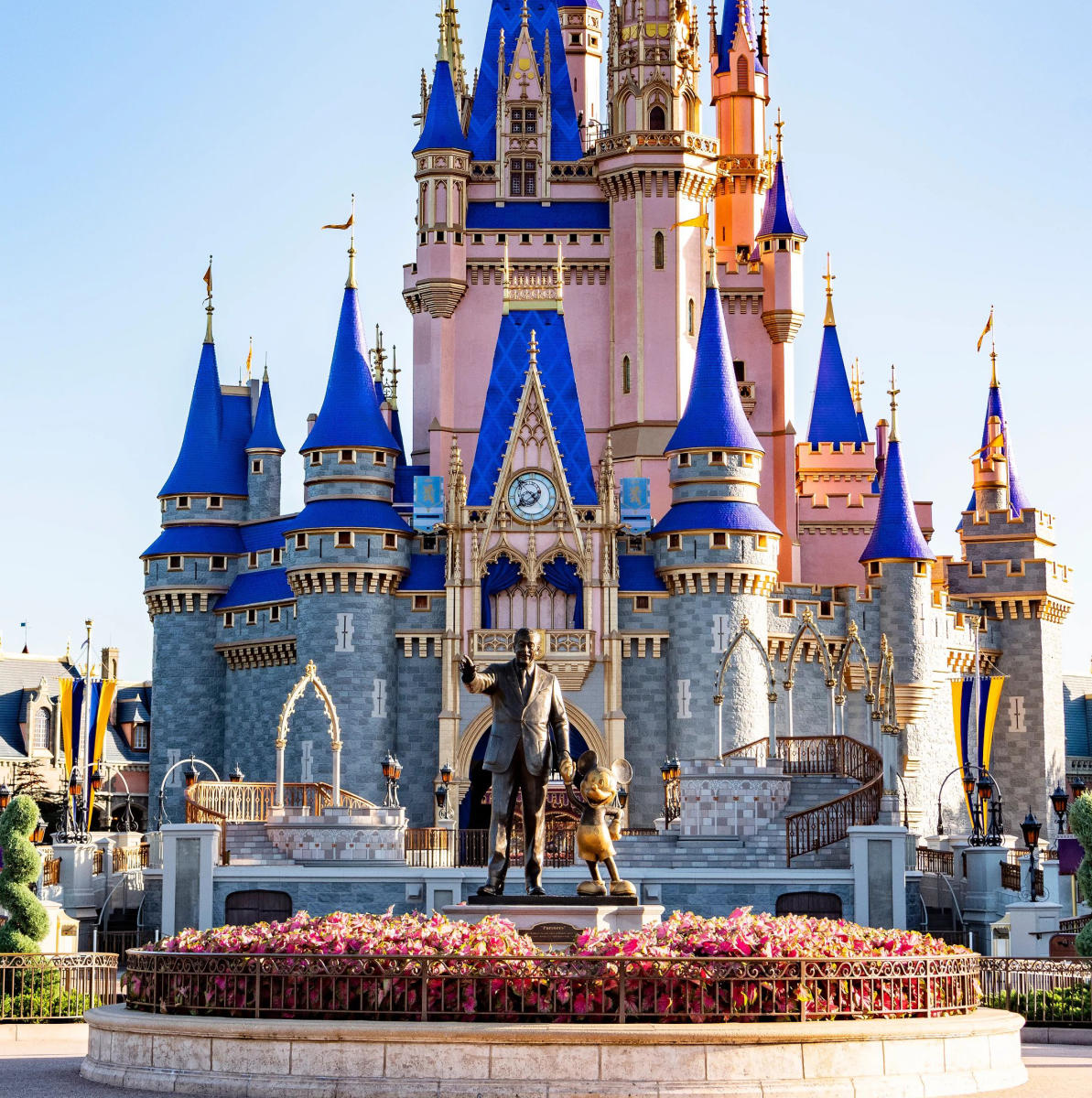
The switch between EST and EDT, while seemingly minor, can have a tangible impact on your travel plans. For instance, if you are booking flights or accommodations, always confirm the local time to avoid any last-minute confusion. When planning your days, remember that during EDT, park opening and closing times will effectively feel an hour later in terms of daylight availability, allowing for more twilight enjoyment of attractions like the Magic Kingdom‘s iconic Cinderella Castle. Conversely, during EST, mornings will feel brighter earlier, potentially encouraging earlier starts to beat the crowds.
Real-Time Clock and Planning Tools
Staying abreast of the current time in Disneyland Florida is straightforward, thanks to readily available digital tools. However, understanding how to use this information effectively can elevate your visit from good to extraordinary.
Leveraging Digital Resources
In today’s hyper-connected world, a quick search on any major search engine or a glance at your smartphone will provide the current time in Orlando. Many travel apps and park-specific applications also offer integrated time zone displays, often accounting for local daylight saving adjustments automatically. For example, the official My Disney Experience app, while primarily focused on Walt Disney World Resort, can be a valuable tool for understanding park hours and reservation windows, which are all tied to the local Florida time.
Synchronizing Your Devices
Before your trip, it is highly recommended to ensure all your personal devices – smartphones, smartwatches, and tablets – are set to automatically update their time based on network location. This ensures that when you arrive in Orlando, your devices will seamlessly synchronize with the local Eastern Time zone, eliminating the need for manual adjustments and preventing potential scheduling mishaps. This simple step is a cornerstone of efficient travel planning.
Key Timings for Your Disneyland Florida Visit
Beyond the general time zone, several specific timings are critical for maximizing your experience at Disneyland Florida, often referred to colloquially as Walt Disney World Resort. These include park operating hours, dining reservation windows, and showtimes.
Park Operating Hours
The Walt Disney World Resort parks, including Magic Kingdom, Epcot, Hollywood Studios, and Animal Kingdom, have varying operating hours that differ throughout the year and even on a day-to-day basis. These hours are always displayed in Eastern Time. It is imperative to check the official Walt Disney World website or the My Disney Experience app for the most up-to-date operating hours for your specific travel dates. Typically, parks open in the morning, often around 8 or 9 AM, and close in the evening, with hours extending to 10 PM or later, especially during peak seasons.
Dining Reservations and Early Entry
Securing dining reservations at popular table-service restaurants, such as Victoria & Albert’s at the Grand Floridian Resort & Spa or Le Cellier Steakhouse in Epcot, can be done up to 60 days in advance. These reservation slots are scheduled according to Eastern Time. Missing a reservation due to time zone confusion can be a significant disappointment. Similarly, if you are staying at a Walt Disney World Resort hotel, you may be eligible for Early Theme Park Entry, allowing you access to any theme park 30 minutes before the official opening. Knowing the exact opening time in Eastern Time is crucial to leveraging this benefit effectively.
Showtimes and Fireworks
The magic of Disneyland Florida is often punctuated by spectacular nighttime shows and parades. The iconic fireworks displays over Cinderella Castle in the Magic Kingdom, the impressive projections at Epcot‘s World Showcase, and the stunt shows at Hollywood Studios all have fixed showtimes, listed in Eastern Time. Arriving at least 30-60 minutes prior to the scheduled time is recommended, especially for popular shows, to secure a good viewing spot. Always verify these times on the day of your visit, as they can occasionally be subject to change due to weather or other unforeseen circumstances.
Planning for Different Seasons and Events
The temporal rhythm of Disneyland Florida also shifts with the seasons and special events. Understanding these nuances will help you tailor your visit for optimal enjoyment and efficiency.
Peak Seasons vs. Off-Peak Times
During major holidays like Christmas, New Year’s, Easter, and summer vacation, Walt Disney World Resort experiences its busiest periods. Park hours are often extended during these times, and the parks may open earlier and close later. However, it is also when crowds are at their peak. Planning your park visits, dining, and attraction rides with precise timing in mind becomes even more critical. Conversely, during off-peak seasons, such as late January or September, operating hours might be slightly shorter, but the advantage is fewer crowds and potentially more relaxed pacing.
Special Events and Extended Hours
Walt Disney World Resort frequently hosts special events, such as Epcot‘s festivals (e.g., the Food & Wine Festival), Mickey’s Not-So-Scary Halloween Party, and Mickey’s Very Merry Christmas Party. These events often have separate ticket requirements and their own specific schedules, which are always published in Eastern Time. Some of these parties may extend park hours or offer unique entertainment. Similarly, during special occasions, Magic Kingdom or other parks might have extended hours beyond their standard schedule to accommodate demand, and these extended hours will be reflected in Eastern Time. Always consult the official event calendars to align your visit with these unique temporal opportunities.

Conclusion: Timing is Everything
In essence, while the question “What time is it in Disneyland Florida right now?” might seem simple, its answer unlocks a world of strategic planning for your ultimate Disney vacation. By understanding Eastern Time, its daylight saving variations, and how to access and utilize real-time information, you can navigate the parks with confidence. From securing coveted dining reservations to witnessing breathtaking fireworks, a keen awareness of the clock will transform your visit into a masterfully orchestrated, unforgettable experience at the happiest place on earth.
LifeOutOfTheBox is a participant in the Amazon Services LLC Associates Program, an affiliate advertising program designed to provide a means for sites to earn advertising fees by advertising and linking to Amazon.com. Amazon, the Amazon logo, AmazonSupply, and the AmazonSupply logo are trademarks of Amazon.com, Inc. or its affiliates. As an Amazon Associate we earn affiliate commissions from qualifying purchases.