
The Sunshine State is a perennial favorite for travelers seeking vibrant culture, stunning beaches, and world-class entertainment. From the bustling metropolises of Miami and Orlando to the tranquil Keys and the wild expanse of the Everglades, Florida offers a diverse range of experiences. However, like any popular destination, it’s wise for visitors to be aware of prevailing health conditions that might impact their trip. Understanding which viruses are circulating can help travelers take necessary precautions to ensure a healthy and enjoyable vacation.
Navigating Florida’s Health Landscape for Travelers
While Florida boasts a generally robust public health infrastructure, its warm climate and high population density can create an environment where various respiratory and other viruses can spread. As a popular travel hub with a constant influx of people from all over the globe, the state is susceptible to the introduction and spread of pathogens. Staying informed about the most common viral illnesses currently circulating is a crucial step in planning a safe and worry-free journey. This proactive approach allows visitors to make informed decisions about their itinerary, accommodation choices, and daily activities, ensuring they can fully immerse themselves in all that Florida has to offer without unnecessary health concerns.
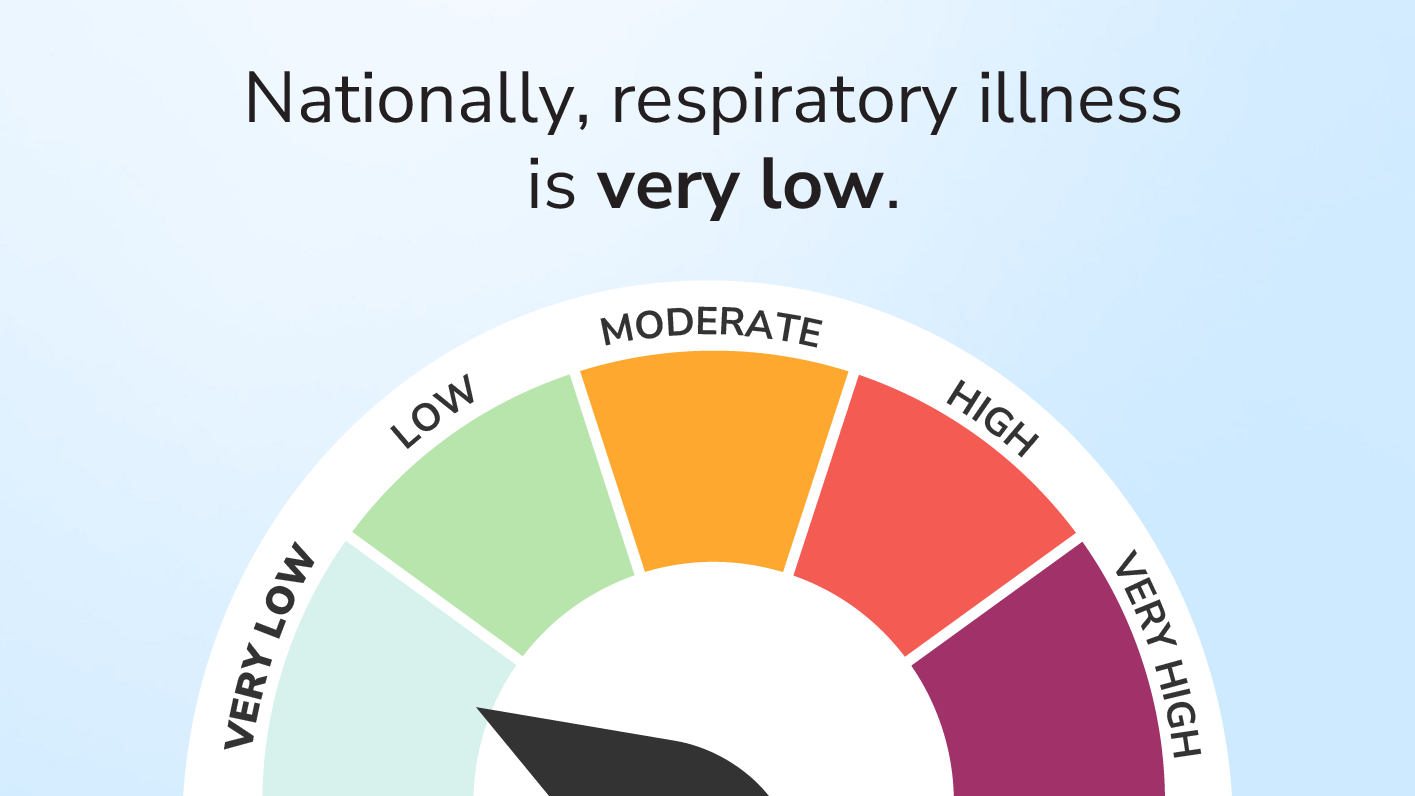
Respiratory Illnesses: The Common Culprits
Respiratory viruses are consistently the most prevalent threats to public health in many regions, and Florida is no exception. These illnesses, characterized by symptoms affecting the nose, throat, and lungs, can range from mild discomfort to more severe conditions requiring medical attention. Travelers should be particularly aware of the following common respiratory viruses that may be circulating.
Influenza (Flu) Seasonality and Impact
The influenza virus, commonly known as the flu, is a highly contagious respiratory illness that can cause fever, cough, sore throat, body aches, and fatigue. While flu season typically peaks during the colder months in many parts of the United States, Florida’s milder winters mean that influenza activity can be present year-round, though it often sees a surge between October and May. For travelers visiting during these periods, getting an annual flu vaccination is highly recommended. This simple step significantly reduces the risk of contracting the virus and mitigates the severity of illness if infection does occur. Furthermore, practicing good hand hygiene, avoiding close contact with sick individuals, and covering coughs and sneezes are essential preventative measures.
Common Colds and Other Upper Respiratory Infections
Beyond the flu, a multitude of other viruses cause the common cold and other upper respiratory infections (URIs). These are typically less severe than influenza but can still disrupt travel plans with symptoms like runny nose, congestion, sneezing, and mild sore throat. Viruses such as rhinoviruses, adenoviruses, and coronaviruses (distinct from SARS-CoV-2) are frequently responsible. In crowded tourist areas, theme parks like Walt Disney World or Universal Orlando Resort, and on public transportation, the risk of transmission can be heightened. Regular handwashing with soap and water or using alcohol-based hand sanitizers is paramount. Avoiding touching your face, especially your eyes, nose, and mouth, can also help prevent the spread of these ubiquitous viruses.
Respiratory Syncytial Virus (RSV)
Respiratory Syncytial Virus (RSV) is another respiratory virus that can cause significant illness, particularly in young children and older adults. While it often presents as a common cold in healthy adults, it can lead to more serious lower respiratory tract infections, such as bronchiolitis and pneumonia, in vulnerable populations. RSV activity in Florida can occur throughout the year but often sees an increase during the fall and winter months, coinciding with flu season. Travelers with infants, elderly family members, or compromised immune systems should exercise extra caution. Practicing meticulous hygiene, ensuring adequate ventilation in accommodations, and being mindful of crowded indoor spaces are recommended.
Beyond Respiratory: Other Viruses of Note
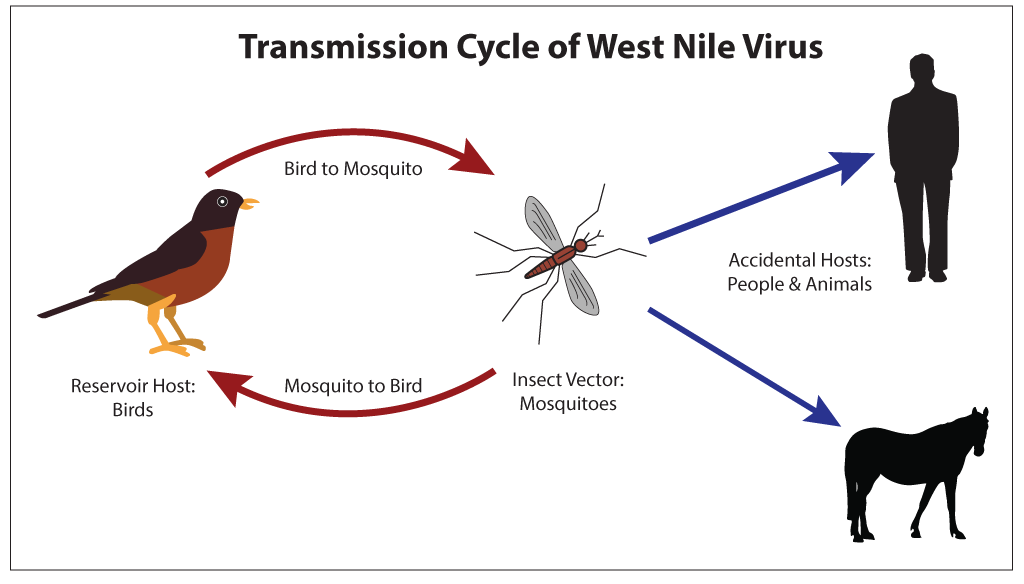
While respiratory illnesses tend to dominate discussions about circulating viruses, other pathogens can also be a concern for travelers in Florida, particularly given its subtropical climate and prevalence of certain vectors.
Mosquito-Borne Illnesses in Subtropical Climates
Florida’s warm and humid environment makes it a habitat for mosquitoes, which can transmit various diseases. Viruses like West Nile virus and, less commonly but still a concern, Dengue fever and Zika virus, can be transmitted through mosquito bites. While major outbreaks are not constant, sporadic cases are reported. Travelers, especially those visiting during warmer months or staying in areas with standing water, should take precautions. This includes using effective insect repellent containing DEET, picaridin, or oil of lemon eucalyptus, wearing long sleeves and pants during dawn and dusk when mosquitoes are most active, and ensuring accommodations have screens on windows and doors to prevent entry. Staying informed about local mosquito surveillance reports can also be beneficial.
Enteric Viruses and Waterborne Transmission
Enteric viruses, which affect the gastrointestinal tract, can also be a concern, particularly if there are issues with water or food safety. Viruses such as norovirus are highly contagious and can cause vomiting and diarrhea. While often associated with outbreaks in close-quarter settings, travelers should always practice caution with food and water sources. This includes drinking bottled or treated water, avoiding ice made from untreated water, and ensuring that food is thoroughly cooked and served hot. When dining out, especially at establishments in highly tourist-frequented areas like South Beach or theme park dining halls, choosing reputable restaurants with good hygiene practices is advisable.
Proactive Health Strategies for Florida Visitors
Embracing a proactive approach to health can significantly enhance a traveler’s experience in Florida. Beyond understanding the types of viruses that may be circulating, implementing a comprehensive set of preventative measures is key.
Pre-Travel Preparations and Vaccinations
Before embarking on a Florida adventure, it is highly recommended to consult with a healthcare provider, especially for individuals with pre-existing health conditions, young children, or elderly companions. Discussing necessary vaccinations, such as the annual flu shot, and any travel-specific health advisories is a prudent step. Packing a basic travel health kit, including over-the-counter medications for common ailments like pain relief, fever reduction, and upset stomach, can also be invaluable. Ensuring that any personal prescription medications are adequately supplied for the duration of the trip is also essential.
Hygiene and Sanitation: Your First Line of Defense
The simplest yet most effective strategy against viral transmission is consistent and thorough hygiene. Frequent handwashing with soap and water for at least 20 seconds is paramount, especially after using restrooms, before eating, and after being in public spaces. When soap and water are unavailable, using an alcohol-based hand sanitizer with at least 60% alcohol is a suitable alternative. Avoiding touching your eyes, nose, and mouth with unwashed hands can prevent the entry of pathogens. In crowded environments, maintaining physical distance when possible can further reduce exposure risk.

Staying Informed and Seeking Medical Care
While Florida is a vibrant destination, it’s important to be aware of any public health alerts or advisories issued by local or state health departments. These can often be found on the Florida Department of Health website or through local news outlets. Should you or a member of your travel party begin to feel unwell, seeking prompt medical attention is crucial. Florida has a wide network of urgent care centers and hospitals, many of which are conveniently located near popular tourist destinations and hotels. Early diagnosis and treatment can prevent complications and minimize the impact on your vacation.
By staying informed and adopting sensible preventative measures, travelers can confidently explore the wonders of Florida, ensuring a healthy and memorable experience from the beaches of Clearwater to the theme parks of Orlando and the cultural hubs of Tampa and St. Petersburg.
LifeOutOfTheBox is a participant in the Amazon Services LLC Associates Program, an affiliate advertising program designed to provide a means for sites to earn advertising fees by advertising and linking to Amazon.com. Amazon, the Amazon logo, AmazonSupply, and the AmazonSupply logo are trademarks of Amazon.com, Inc. or its affiliates. As an Amazon Associate we earn affiliate commissions from qualifying purchases.