
Florida, a state renowned for its sun-drenched beaches, vibrant theme parks, and rich cultural tapestry, consistently attracts millions of visitors and new residents alike. Understanding the population dynamics of the Sunshine State offers a crucial lens through which to view its development, infrastructure, and the evolving landscape of its tourism industry. While the exact numbers fluctuate daily, demographic trends and recent census data provide a comprehensive picture. As of the latest estimates, Florida boasts a substantial and growing population, placing it among the most populous states in the United States. This ever-increasing influx of people shapes everything from the demand for resort accommodations in Miami Beach to the logistical challenges of managing crowds at Walt Disney World Resort in Orlando.
Demographic Shifts and Growth Patterns
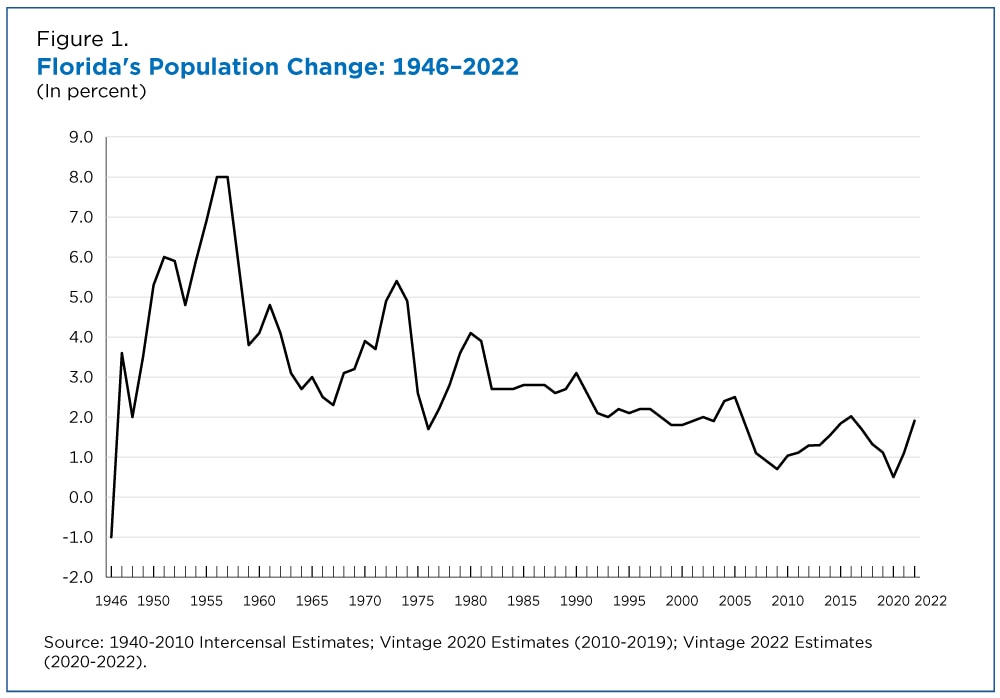
Florida’s population growth is a multifaceted phenomenon driven by several key factors, including net migration, natural increase, and an attractive economic and lifestyle offering. Historically, the state has experienced significant population booms, particularly in the mid-20th century, fueled by post-war expansion and the development of new industries. Today, this growth continues at a robust pace, often outpacing the national average.
Migration Trends: A Magnet for Newcomers
A primary driver of Florida’s population surge is migration. Both domestic and international migration contribute to the state’s ever-expanding numbers. Retirees have long been drawn to Florida’s warm climate and tax-friendly policies, though the demographic is diversifying. Younger families and professionals are also increasingly relocating to Florida, attracted by job opportunities in sectors like technology, aerospace, and healthcare, as well as the state’s generally lower cost of living compared to some other major metropolitan areas.
Cities like Tampa, Jacksonville, and the Orlando metropolitan area have become major hubs for this incoming population, leading to rapid urban development and increased demand for housing, services, and, crucially for the tourism sector, hospitality and leisure infrastructure. The influx of new residents not only expands the labor pool for the tourism industry but also contributes to a more diverse local culture and an ever-present demand for authentic Florida experiences, from culinary delights to cultural festivals.
Natural Increase: A Contributing Factor
While migration plays a dominant role, Florida’s population also grows through natural increase, which is the difference between births and deaths. The state generally maintains a healthy birth rate, contributing to a steady, albeit smaller, component of its overall population growth. This demographic, once it reaches an age where they can participate in the workforce or travel, further fuels the state’s economic engine and contributes to its dynamic social fabric.
Population Distribution: Urban Sprawl and Coastal Concentrations
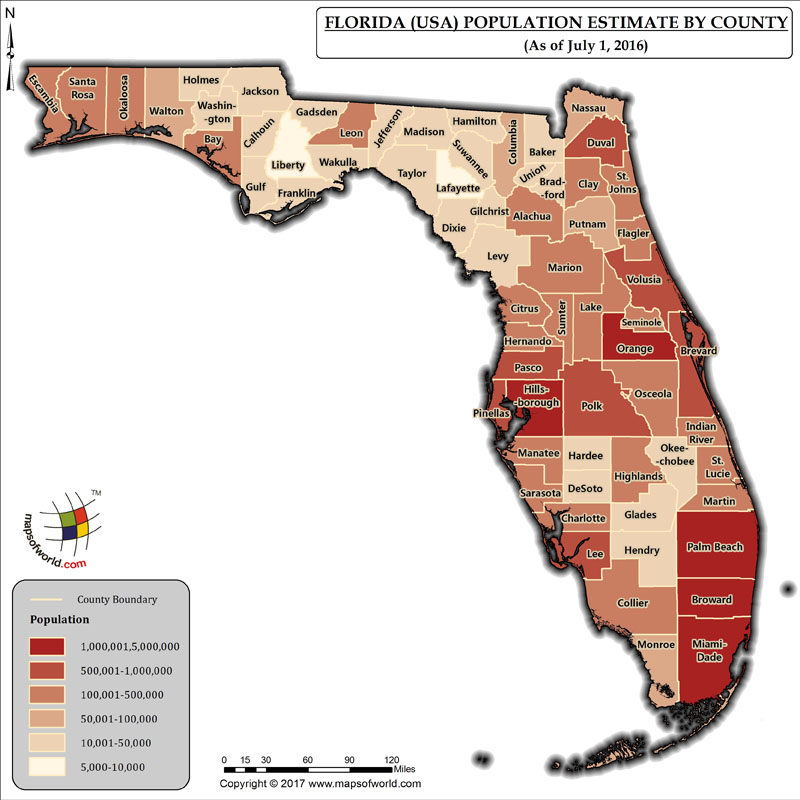
The population of Florida is not uniformly distributed. Instead, it tends to concentrate in specific regions, driven by historical development patterns, economic opportunities, and the allure of coastal living. Understanding these distribution patterns is essential for anyone involved in the tourism and hospitality sectors, as it directly impacts where infrastructure is developed, where marketing efforts are focused, and where visitor demand is highest.
The “Gold Coast” and the Southeast Corridor
The southeastern part of Florida, often referred to as the “Gold Coast,” is one of the most densely populated regions. This area includes major metropolitan areas like Miami-Dade County, Broward County, and Palm Beach County. These counties are home to iconic cities such as Miami, Fort Lauderdale, and West Palm Beach, all of which are significant tourist destinations and economic powerhouses. The concentration of residents here drives demand for world-class hotels, restaurants, and entertainment venues, catering to both local needs and the vast tourist flows.
The I-4 Corridor: Tourism and Growth Nexus
Another critical area for population concentration and economic activity is the I-4 corridor, which stretches across central Florida from Tampa on the west coast to Daytona Beach on the east coast. This corridor is famously home to the theme park capital of the world, Orlando, and its surrounding attractions, drawing millions of visitors annually. The population density along I-4 is a direct reflection of the immense tourism industry it supports. Cities like Kissimmee and Lakeland also experience significant growth due to their proximity to these major attractions and their appeal as residential bases for those working in the tourism and hospitality sectors. The development of resorts, vacation rentals, and family-friendly attractions is heavily influenced by the population density and visitor patterns in this region.
West Coast Hubs and the Panhandle
Florida’s west coast also boasts significant population centers, including Tampa-St. Petersburg metropolitan area and the rapidly growing city of Naples. These areas attract residents and tourists with their beautiful beaches, cultural amenities, and a more relaxed pace of life. Further north, the Florida Panhandle is experiencing its own growth, with cities like Pensacola and Tallahassee serving as important regional centers. While historically less dense than the southern and central regions, these areas are seeing increased development, including new hotels and tourism infrastructure, to cater to both the growing resident population and the visitors attracted to the region’s natural beauty and unique culture.
Implications for Tourism and Hospitality
The substantial and growing population of Florida has profound implications for its leading tourism and hospitality industries. Understanding these demographic shifts allows businesses to better anticipate market demands, optimize resource allocation, and enhance the visitor experience.
Demand and Capacity Management
A larger population, both permanent residents and temporary visitors, translates directly into increased demand for accommodations, dining, attractions, and transportation. This necessitates continuous investment in infrastructure and service capacity. For hotels and resorts across the state, from boutique inns in Key West to sprawling complexes near theme parks, understanding peak seasons and the ebb and flow of visitor numbers is critical for effective revenue management and operational efficiency. The constant influx of people means that popular attractions like the Everglades National Park and Universal Orlando Resort often experience high volumes of visitors, requiring sophisticated crowd management strategies.
Evolving Visitor Demographics and Preferences
As Florida’s population diversifies, so too do the preferences of its visitors. While the traditional draws of sun, sand, and theme parks remain strong, there is a growing interest in authentic local experiences, ecotourism, culinary adventures, and cultural immersion. Businesses that can cater to these evolving tastes, perhaps by offering guided tours of local neighborhoods, farm-to-table dining experiences, or eco-friendly adventure packages in areas like the Florida Keys, are likely to thrive. The increasing population of younger families also drives demand for child-friendly resorts and activities, while the aging demographic continues to seek out accessible and relaxing vacation options.
Economic Impact and Job Creation
The sheer scale of Florida’s population underpins its status as a tourism powerhouse. A large resident population provides a ready workforce for the hospitality sector, from hotel staff and chefs to tour guides and transportation providers. Furthermore, the spending power of both residents and visitors fuels the state’s economy, supporting countless businesses and generating significant tax revenue. This economic vitality, in turn, often leads to further investment in tourism infrastructure, creating a virtuous cycle that benefits both the industry and the state’s inhabitants. The development of new resorts in areas like the Gulf Coast or the expansion of existing attractions are often directly tied to the economic confidence derived from Florida’s robust population and vibrant tourism sector.
Future Outlook and Population Projections
Demographers and statisticians project that Florida will continue its upward population trajectory for the foreseeable future. While growth rates may fluctuate due to economic conditions, policy changes, or unforeseen global events, the underlying factors that make Florida an attractive place to live and visit remain largely in place.
Continued Growth and Development
Projections from various governmental and research institutions consistently indicate that Florida will add millions more residents in the coming decades. This sustained growth will undoubtedly place further demands on existing infrastructure, including transportation networks, utilities, and public services. For the tourism sector, it signals a continued expansion of the customer base, offering opportunities for new developments, niche markets, and innovative service offerings. Cities like Fort Myers and areas along the coast are expected to see continued expansion, necessitating careful planning for both residential and visitor needs.

Adapting to a Growing State
The ongoing population increase presents both opportunities and challenges. The tourism and hospitality industries will need to adapt by focusing on sustainable development, managing environmental impacts, and ensuring that growth enhances, rather than detracts from, the natural beauty and unique character that draws visitors to Florida. Innovations in technology, such as smart tourism solutions and data analytics for visitor flow management, will become increasingly important. The success of future tourism endeavors in Florida will hinge on the ability to balance the needs of a growing resident population with the desire to provide an exceptional and memorable experience for every visitor who chooses to explore the Sunshine State.
LifeOutOfTheBox is a participant in the Amazon Services LLC Associates Program, an affiliate advertising program designed to provide a means for sites to earn advertising fees by advertising and linking to Amazon.com. Amazon, the Amazon logo, AmazonSupply, and the AmazonSupply logo are trademarks of Amazon.com, Inc. or its affiliates. As an Amazon Associate we earn affiliate commissions from qualifying purchases.