
Understanding the climate of Bradenton, Florida is paramount for any visitor or resident looking to make the most of this vibrant Gulf Coast city. Beyond the immediate numerical reading, a deeper dive into the prevailing weather patterns, seasonal variations, and microclimates offers a comprehensive picture that can significantly enhance your travel plans, outdoor activities, and overall experience. This guide will unpack the typical temperatures in Bradenton, Florida, exploring what each season brings and how to best prepare.
Understanding Bradenton’s Tropical Savanna Climate
Bradenton, Florida experiences a tropical savanna climate, characterized by distinct wet and dry seasons, and consistently warm temperatures throughout the year. This climate classification (Köppen: Aw) means that while the area is generally warm, there’s a noticeable period of heavier rainfall, typically during the summer months.

Average Temperatures: A Seasonal Breakdown
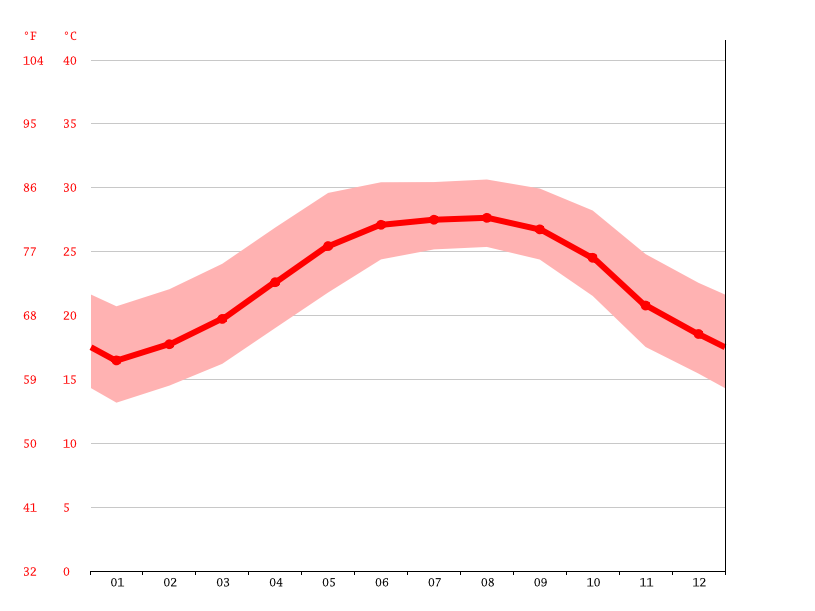
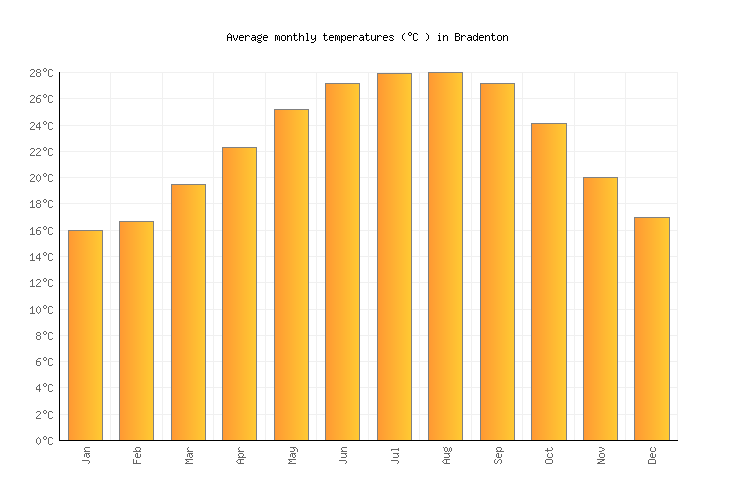
The daily temperature in Bradenton, Florida rarely dips to uncomfortable levels, even in the cooler months. The proximity to the Gulf of Mexico acts as a moderating influence, preventing extreme temperature swings.
Winter (December – February)
Winter in Bradenton, Florida is a welcome escape for many. Temperatures are mild and pleasant, offering a stark contrast to colder climates.
- Average Highs: Expect daytime temperatures to hover in the low to mid-70s Fahrenheit (around 21-24°C).
- Average Lows: Evenings and early mornings are cooler, typically falling into the 50s Fahrenheit (10-15°C).
- Humidity: Humidity is generally lower during the winter months, making outdoor activities particularly enjoyable.
- Sunshine: This period is often characterized by abundant sunshine, making it a prime season for beach visits and exploring the area’s natural beauty, such as Robinson Preserve.
Spring (March – May)
As spring arrives, Bradenton, Florida begins to warm up, transitioning into its more humid summer conditions. This is a beautiful time to visit, with blooming flora and an increase in outdoor events.
- Average Highs: Daytime temperatures steadily climb, reaching the high 70s and low 80s Fahrenheit (around 25-28°C) by late spring.
- Average Lows: Nighttime temperatures will also rise, generally remaining in the 60s Fahrenheit (15-20°C).
- Humidity: Humidity starts to increase, though it’s not yet at its peak.
- Rainfall: While still in the dry season for much of it, spring can see occasional scattered showers, especially as it progresses towards May.
Summer (June – August)
Summer in Bradenton, Florida is synonymous with heat and humidity, punctuated by frequent, often brief, afternoon thunderstorms.
- Average Highs: Daytime temperatures consistently reach the high 80s and low 90s Fahrenheit (around 30-33°C), with heat index values often making it feel hotter.
- Average Lows: Evenings offer little respite, with lows typically in the mid-70s Fahrenheit (around 23-24°C).
- Humidity: This is the peak humidity season. The air can feel thick and heavy.
- Rainfall: The wet season is in full swing. Daily afternoon thunderstorms are common, usually developing rapidly and dissipating just as quickly. These storms are often accompanied by lightning. Despite the rain, sunshine is still abundant, particularly in the mornings and late afternoons. Popular attractions like De Soto National Memorial can still be enjoyed, but visitors should be mindful of potential storm delays.
Fall (September – November)
As summer heat begins to recede, fall offers a return to more comfortable temperatures and lower humidity levels in Bradenton, Florida. This is often considered by locals and visitors alike to be one of the most pleasant times of the year.
- Average Highs: Daytime temperatures gradually cool down from the high 80s to the low 80s Fahrenheit (around 27-30°C) by the end of the season.
- Average Lows: Nighttime lows become increasingly comfortable, dropping into the 60s Fahrenheit (15-20°C) and eventually the 50s (10-15°C) by November.
- Humidity: Humidity significantly decreases, offering a welcome relief from the summer months.
- Rainfall: The wet season transitions to the dry season, with rainfall becoming less frequent and less intense.
Factors Influencing Temperature in Bradenton
Several key geographical and atmospheric factors contribute to the temperature patterns observed in Bradenton, Florida.
Proximity to the Gulf of Mexico
The vast body of water to the west of Bradenton, Florida plays a crucial role in moderating its climate.
- Cooling Effect: During the hot summer months, the Gulf’s waters absorb heat, and sea breezes can bring cooler air inland, offering some relief from the inland heat.
- Warming Effect: In cooler months, the Gulf retains heat, preventing temperatures from dropping drastically, especially along the coast.
Latitude
Bradenton, Florida’s location in the subtropical zone means it receives a high amount of solar radiation throughout the year, contributing to its consistently warm temperatures.
Seasonal Weather Systems
The interaction of continental air masses from the north with maritime tropical air masses from the Gulf of Mexico drives the seasonal changes.
- High-Pressure Systems: In winter, high-pressure systems from the north can bring cooler, drier air.
- Low-Pressure Systems and Tropical Activity: During summer and early fall, tropical systems and low-pressure troughs can bring significant rainfall and increase humidity. While hurricanes are a concern for the entire Gulf Coast, Bradenton, Florida is generally susceptible to their effects, which can bring substantial temperature drops and heavy precipitation in their wake.
Planning Your Visit: Temperature-Conscious Travel
Knowing the typical temperatures in Bradenton, Florida allows for more informed travel decisions, from packing to activity planning.
Packing Essentials
- Summer: Lightweight, breathable clothing (cotton, linen), swimwear, sun protection (hats, sunglasses, high SPF sunscreen), insect repellent, and a light rain jacket or umbrella for afternoon showers are essential.
- Winter: Pack layers. While daytime is warm, evenings can be cool. A light jacket or sweater, long pants, and comfortable walking shoes are recommended.
- Spring/Fall: These seasons offer the most versatility. Pack a mix of shorts, t-shirts, and light long-sleeved shirts. A light sweater or jacket for cooler evenings is advisable.
Outdoor Activities and Temperature
Bradenton, Florida boasts numerous outdoor attractions. Understanding the temperature and humidity levels can help you schedule activities optimally.
- Mornings: The coolest part of the day, especially during summer, is often the best time for strenuous activities like hiking or cycling in parks such as Emerson Point Preserve.
- Afternoons: While hot and humid in summer, afternoons are perfect for cooling off at the beach, such as Coquina Beach, or enjoying indoor attractions if thunderstorms threaten.
- Evenings: Pleasant in most seasons, evenings are ideal for dining al fresco, strolling along the waterfront, or enjoying sunset views.
By staying informed about the temperature in Bradenton, Florida, you can ensure your trip is comfortable, enjoyable, and perfectly suited to the beautiful weather this coastal gem has to offer.
LifeOutOfTheBox is a participant in the Amazon Services LLC Associates Program, an affiliate advertising program designed to provide a means for sites to earn advertising fees by advertising and linking to Amazon.com. Amazon, the Amazon logo, AmazonSupply, and the AmazonSupply logo are trademarks of Amazon.com, Inc. or its affiliates. As an Amazon Associate we earn affiliate commissions from qualifying purchases.