
Venice, Florida, a city celebrated for its pristine beaches, charming downtown, and laid-back atmosphere, experiences a delightful subtropical climate. Understanding the prevailing temperatures is crucial for any traveler planning a visit, whether seeking to bask in the summer sun or enjoy the milder winter months. This guide delves into the typical weather patterns of Venice, offering insights into seasonal variations, average temperatures, and what to expect throughout the year.
Understanding Venice’s Climate
Venice, situated on the Gulf Coast of Florida, benefits from a Köppen climate classification of “Cfa,” indicating a humid subtropical climate. This designation means the city experiences hot, humid summers and mild winters. The proximity to the Gulf of Mexico plays a significant role in moderating temperatures, preventing extreme cold and contributing to the overall pleasant climate that draws visitors year-round. The prevailing winds from the southwest often carry warm, moist air, influencing humidity levels and precipitation patterns.

The city’s location on the “Suncoast” of Florida is not just a marketing moniker; it reflects the abundant sunshine that graces Venice for a substantial portion of the year. While sunshine is a constant, understanding the nuances of temperature throughout the seasons will help you pack accordingly and plan your activities to make the most of your visit.
Seasonal Temperature Overview
The year in Venice can broadly be divided into two main seasons: a warm, wet season from approximately May to October, and a cooler, drier season from November to April. However, even during the cooler months, temperatures rarely dip to levels that would be considered truly cold by most standards. The concept of “cold” in Venice typically refers to temperatures in the 50s and 60s Fahrenheit.
Average Monthly Temperatures
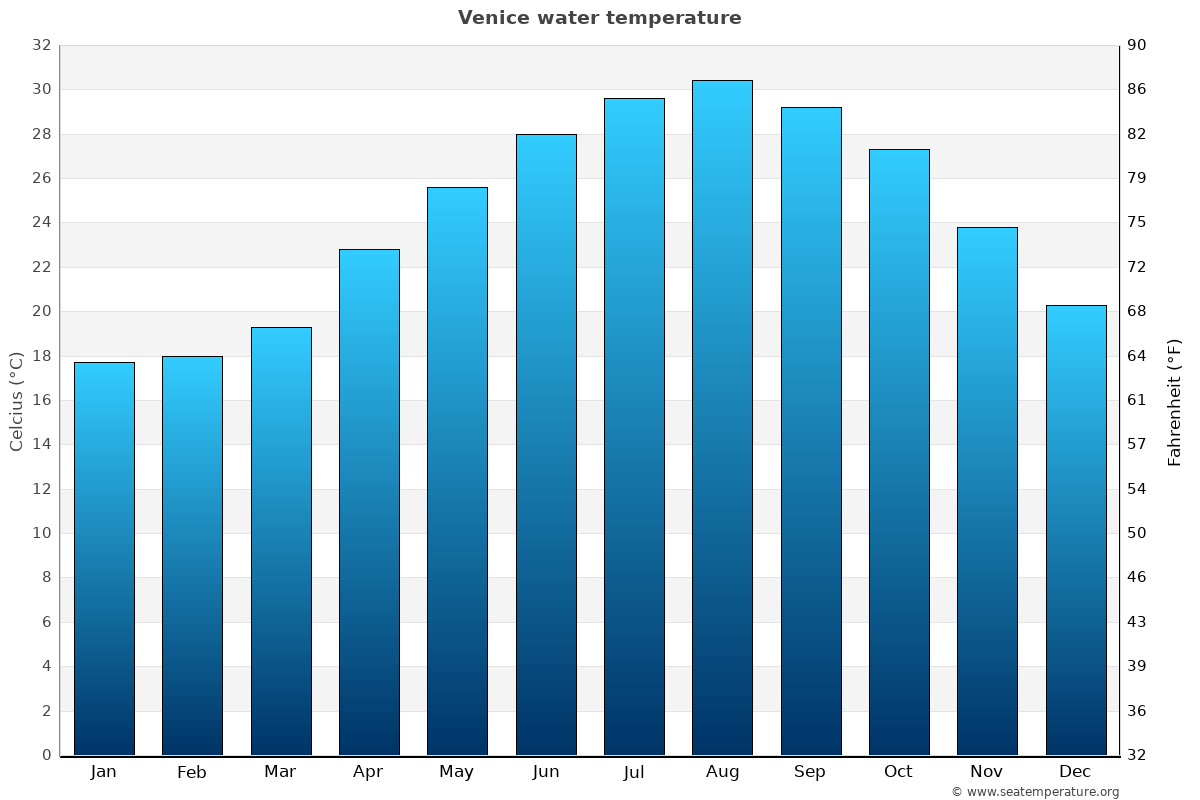
To provide a more detailed picture, let’s examine the average monthly temperatures:
- January: This is typically the coolest month, with average daily temperatures hovering around 60°F (16°C). Daytime highs often reach the mid-60s to low 70s Fahrenheit (around 18-22°C), while nighttime lows can dip into the high 40s to low 50s Fahrenheit (9-14°C).
- February: Similar to January, February offers mild conditions. Average temperatures remain in the low 60s Fahrenheit (around 17°C), with daytime highs typically in the mid-70s Fahrenheit (around 24°C).
- March: As spring begins to take hold, temperatures start to climb. The average daily temperature rises to the mid-60s Fahrenheit (around 19°C), with highs frequently reaching the upper 70s Fahrenheit (around 26°C).
- April: Spring is in full swing, and April is a comfortably warm month. The average daily temperature is around 70°F (21°C), with daytime highs often in the low 80s Fahrenheit (around 28°C).
- May: This month marks the transition into the warmer, wetter season. The average daily temperature climbs to the mid-70s Fahrenheit (around 24°C), with highs commonly reaching the upper 80s Fahrenheit (around 31°C). Humidity also begins to increase.
- June: Summer officially arrives, bringing higher temperatures and increased humidity. The average daily temperature is in the high 70s Fahrenheit (around 26°C), with daytime highs frequently in the low 90s Fahrenheit (around 33°C).
- July: July is one of the hottest months, characterized by high temperatures and significant humidity. The average daily temperature hovers around 80°F (27°C), with highs often reaching the low to mid-90s Fahrenheit (33-35°C). Afternoon thunderstorms are common.
- August: August shares similar characteristics with July, remaining hot and humid. The average daily temperature is around 80°F (27°C), with daytime highs in the low to mid-90s Fahrenheit (33-35°C).
- September: While still warm, September sees a slight decrease in temperatures as summer begins to wane. The average daily temperature is in the high 70s Fahrenheit (around 26°C), with highs typically in the high 80s Fahrenheit (around 31°C). Humidity remains noticeable.
- October: October offers a welcome respite from the peak summer heat. The average daily temperature is in the mid-70s Fahrenheit (around 24°C), with daytime highs commonly in the low 80s Fahrenheit (around 28°C).
- November: This month marks the beginning of the cooler, drier season. The average daily temperature drops to the low 70s Fahrenheit (around 22°C), with highs frequently in the mid-70s Fahrenheit (around 24°C).
- December: December is another mild winter month. The average daily temperature is around 64°F (18°C), with daytime highs typically in the mid-70s Fahrenheit (around 24°C) and lows in the low 50s Fahrenheit (around 11°C).
Summer in Venice: Sun, Heat, and Humidity
The summer months in Venice, from June through August, are defined by their warmth and humidity. Daytime temperatures frequently climb into the low to mid-90s Fahrenheit (33-35°C), and the high humidity can make these temperatures feel even hotter, often leading to a “feels like” temperature several degrees higher. This is the peak season for beachgoers and those who enjoy active water sports.
Dealing with the Heat
When visiting Venice during the summer, it’s essential to take precautions against the heat. Staying hydrated is paramount. Drink plenty of water throughout the day and limit alcohol and caffeine intake, which can contribute to dehydration. Seek shade during the hottest parts of the day, typically between 10 AM and 4 PM. Lightweight, breathable clothing made from natural fibers like cotton or linen is highly recommended. Sunscreen with a high SPF, hats, and sunglasses are indispensable accessories for protecting your skin and eyes from the strong Florida sun.
Afternoon Thunderstorms
A common feature of summer in Venice, and indeed much of South Florida, is the occurrence of afternoon thunderstorms. These storms are typically brief but can be intense, bringing heavy rain, lightning, and gusty winds. They usually form due to the daily heating of the land and are more common in the mid-afternoon. While they can disrupt outdoor plans, they also provide a temporary cooling effect. It’s wise to have indoor activities or covered areas planned for the afternoons.
Autumn and Spring: The Sweet Spots
The shoulder seasons of autumn (September to November) and spring (March to May) are often considered the most pleasant times to visit Venice. During these periods, the weather strikes a beautiful balance between warmth and comfort, with less intense heat and humidity than in the summer months.
Autumnal Delights

As summer heat begins to recede in September, October and November offer increasingly comfortable temperatures. The average daily temperatures in October are in the mid-70s Fahrenheit (around 24°C), with highs often in the low 80s Fahrenheit (around 28°C). By November, temperatures cool further, with average daily temperatures in the low 70s Fahrenheit (around 22°C). The humidity also decreases significantly during these months, making outdoor exploration and enjoying Venice’s many attractions, such as the Venice Historical Museum or a stroll through Babcock Ranch, particularly enjoyable.
Springtime Vibrancy
Spring in Venice is characterized by rising temperatures and blooming flora. March sees average daily temperatures in the mid-60s Fahrenheit (around 19°C), warming to the mid-70s Fahrenheit (around 24°C) by May. Daytime highs often reach the upper 70s and low 80s Fahrenheit (around 26-28°C) in April and May. The weather is generally sunny and dry, perfect for activities like visiting Caspersen Beach for shark tooth hunting or exploring the charming boutiques and restaurants in downtown Venice.
Winter in Venice: Mild and Invigorating
Venice experiences mild winters, a stark contrast to the frigid temperatures found in many other parts of the country. From December to February, the city offers a welcome escape for those seeking sunshine and comfortable outdoor conditions.
Winter Temperatures
The average daily temperature in winter hovers around 60-64°F (16-18°C). Daytime highs commonly reach the mid-70s Fahrenheit (around 24°C) during sunny afternoons, while nighttime lows can dip into the high 40s to low 50s Fahrenheit (9-14°C). Frost is a rare occurrence, and snow is virtually unheard of. This makes winter an ideal time for outdoor activities without the oppressive heat and humidity of summer.
Winter Activities
The mild winter climate makes Venice a haven for various outdoor pursuits. Golfing is popular, as are cycling along scenic routes like the Legacy Trail and exploring the many parks and nature preserves, such as Myakka River State Park. The beaches remain inviting for leisurely walks and enjoying the sunset over the Gulf. Many visitors also choose to spend their winters in Venice as “snowbirds,” enjoying the pleasant weather and community events.
Factors Influencing Temperature in Venice
Several geographical and meteorological factors influence the temperature in Venice, Florida. Understanding these can provide a deeper appreciation for the city’s climate.
The Gulf of Mexico’s Influence
The most significant factor is the proximity to the Gulf of Mexico. The large body of water acts as a thermal regulator. In the summer, the gulf absorbs heat, moderating the extreme temperatures that might otherwise occur inland. In the winter, the relatively warmer waters of the gulf release heat, preventing the freezing temperatures experienced further north. This oceanic influence leads to a less extreme diurnal temperature range and contributes to the generally mild climate.
Latitude and Solar Radiation
Venice is located in the southern part of the United States, at a latitude that receives a high amount of direct solar radiation throughout the year. This abundance of sunshine is a key driver of the warm temperatures, especially during the summer months. Even in winter, the sun’s angle allows for pleasant warmth during the day.
Prevailing Winds
The prevailing winds in South Florida generally blow from the southwest. These winds often carry warm, moist air from the Caribbean and the Gulf, contributing to the high humidity levels, particularly during the summer. During cooler periods, these winds can bring in drier air from continental North America, though the oceanic influence typically keeps these cold snaps short-lived.
Hurricane Season Considerations
While not directly related to daily temperature averages, it’s worth noting that Venice is located in an area that can be affected by tropical storms and hurricanes. The Atlantic hurricane season officially runs from June 1 to November 30. While these events are unpredictable and not a daily occurrence, they can bring significant changes in weather patterns, including intense heat and humidity before a storm, followed by cooler, drier conditions in its wake. Travelers visiting during this period should stay informed about weather forecasts.
By understanding the nuances of Venice’s climate, from its warm summers and mild winters to the influences of the Gulf and prevailing winds, visitors can better plan their trips and fully enjoy the unique charm and beautiful weather that this Florida coastal gem offers.
LifeOutOfTheBox is a participant in the Amazon Services LLC Associates Program, an affiliate advertising program designed to provide a means for sites to earn advertising fees by advertising and linking to Amazon.com. Amazon, the Amazon logo, AmazonSupply, and the AmazonSupply logo are trademarks of Amazon.com, Inc. or its affiliates. As an Amazon Associate we earn affiliate commissions from qualifying purchases.