
Florida, a state synonymous with sunshine, theme parks, and pristine beaches, experiences a diverse range of weather patterns throughout the year. Understanding the current meteorological conditions is paramount for any traveler planning an excursion to the Sunshine State, whether for a fleeting beach visit or an extended exploration of its vibrant cities and natural wonders. This guide delves into the immediate weather situation across key regions of Florida, offering insights relevant to planning your adventures.
Current Conditions Across the Sunshine State
Florida’s weather is largely dictated by its subtropical climate, characterized by hot, humid summers and mild winters. However, regional variations and the dynamic nature of weather systems mean that conditions can differ significantly from the Panhandle to the Keys.

Panhandle: The Emerald Coast’s Forecast
The Florida Panhandle, stretching along the northern Gulf Coast, often experiences weather patterns more akin to the Deep South. Currently, the region is likely enjoying pleasant temperatures, especially outside the peak summer months. Expect clear to partly cloudy skies, with a gentle breeze coming off the Gulf of Mexico. Humidity levels are generally lower here compared to South Florida, making it ideal for exploring the white-sand beaches of places like Destin or Pensacola.
However, it’s crucial to remain aware of any developing weather systems. The Panhandle can be susceptible to strong thunderstorms, particularly during the spring and summer afternoons. If the current forecast indicates such activity, it’s wise to adjust any outdoor plans and seek shelter until the storms pass. Coastal areas should also monitor any potential for rough seas, especially if a tropical system is developing in the Gulf.
Central Florida: The Theme Park Nexus
Central Florida, home to world-renowned attractions like Walt Disney World and Universal Orlando Resort, typically experiences warm to hot and humid weather year-round. The current conditions here are likely to be characterized by high temperatures, with daily highs frequently reaching into the 80s and 90s Fahrenheit. Humidity is a significant factor, often making the “feels like” temperature considerably higher than the actual air temperature.
Afternoon thunderstorms are a common occurrence in Central Florida, especially during the summer months. These storms can be intense, featuring heavy rain, lightning, and sometimes gusty winds. While they often provide a welcome respite from the heat, they can disrupt outdoor activities. Travelers visiting theme parks should always have a backup plan for indoor attractions or be prepared to wait out the rain. Checking the radar frequently is advisable.
Southwest Florida: The Gulf Coast Gem
The Southwest Florida coast, including popular destinations like Naples and Fort Myers, boasts a beautiful coastline with calm waters and abundant sunshine. The current weather here is generally pleasant, with temperatures typically ranging from the high 70s to mid-80s Fahrenheit. The Gulf breeze often provides a cooling effect, making it perfect for enjoying the beaches and exploring the mangrove estuaries.
While less prone to severe weather than the Panhandle, Southwest Florida can still experience significant rainfall during the wet season. Tropical activity is also a possibility, particularly from June through November. Residents and visitors should stay informed about any tropical storm or hurricane watches and warnings issued by the National Hurricane Center.
Southeast Florida: The Atlantic Riviera
Southeast Florida, encompassing bustling cities like Miami, Fort Lauderdale, and the tranquil Florida Keys, is known for its vibrant atmosphere and tropical climate. The current weather here is likely to be warm and humid, with daytime temperatures in the high 80s Fahrenheit. The Atlantic Ocean breeze can offer some relief, but the high humidity often makes the air feel heavy.
This region is a prime destination for water activities, from snorkeling in the Florida Keys National Marine Sanctuary to exploring the art deco district of South Beach. The current weather should be conducive to these pursuits, provided there are no significant weather disturbances. However, as with much of Florida, afternoon thunderstorms are a possibility, especially during the summer months.
The Florida Keys: Island Paradise
The southernmost point of Florida, the Florida Keys, enjoys a truly tropical climate. The weather here is consistently warm year-round, with temperatures rarely dipping below the 70s Fahrenheit, even in winter. The current conditions are likely to be characterized by sunshine, moderate humidity, and a refreshing sea breeze. This makes it an ideal spot for diving, fishing, and simply soaking up the relaxed island vibe.
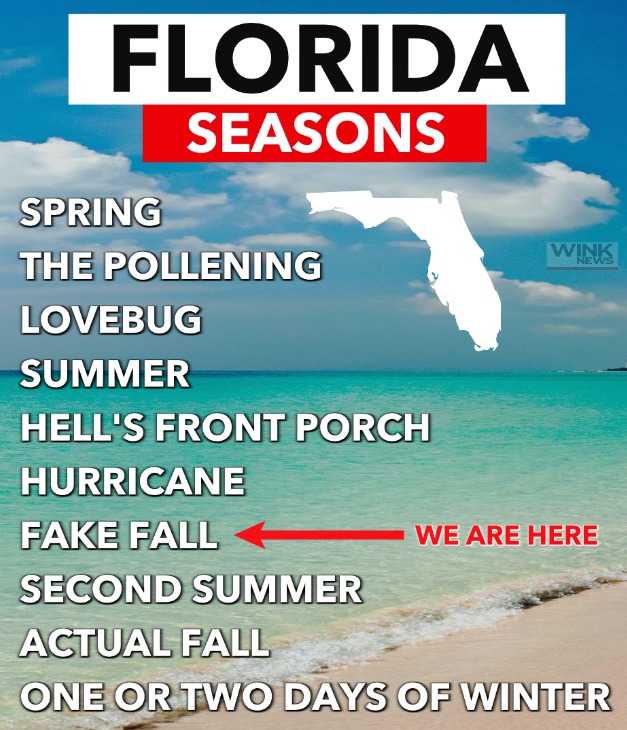
However, the Keys are particularly vulnerable to tropical weather systems. Any hurricane watch or warning should be taken very seriously, as the low-lying islands can be significantly impacted by storm surge and high winds. Beyond tropical threats, brief, intense rain showers can occur, often passing quickly.
Factors Influencing Florida’s Weather
Several key meteorological factors shape Florida’s climate and influence its day-to-day weather.
Humidity: The Ever-Present Companion
Humidity is a defining characteristic of Florida’s weather, particularly during the warmer months. High humidity levels mean that the air is saturated with moisture, making it feel hotter and more uncomfortable. This is due to the body’s reduced ability to cool itself through perspiration when the surrounding air is already laden with water vapor. When planning activities, especially strenuous ones, it’s essential to factor in the humidity’s impact on perceived temperature and to stay well-hydrated.
Thunderstorms: A Daily Phenomenon
Florida experiences more thunderstorms than any other state in the contiguous United States. These are primarily “convective” thunderstorms, forming when warm, moist air rises rapidly and cools, leading to the formation of cumulonimbus clouds. While often brief, these storms can be spectacular and potentially hazardous, with lightning being a significant concern. Visitors should always seek indoor shelter immediately when thunder is heard. For those enjoying outdoor activities in areas like Everglades National Park, awareness of approaching storm cells is critical for safety.
Tropical Systems: The Annual Concern
From June 1st to November 30th, Florida is within the Atlantic hurricane season. During this period, the possibility of tropical depressions, tropical storms, and hurricanes looms. These powerful weather systems can bring devastating winds, torrential rain, and dangerous storm surge to coastal communities. While the probability of a direct hit on any given year is low, preparedness is crucial. Travelers should monitor official advisories and have a plan in place should a storm threaten their travel dates. Destinations like Key West and the eastern coast are particularly susceptible to the effects of these systems.
Preparing for Florida’s Weather
Regardless of the immediate forecast, a few universal tips can help travelers make the most of their time in Florida.
Stay Informed
Always check reliable weather sources before and during your trip. Websites and apps from the National Weather Service and local news outlets provide real-time updates and forecasts. For tropical concerns, the National Hurricane Center is the definitive source.
Dress Appropriately
Lightweight, breathable clothing is essential for most of the year. Sun protection, including hats, sunglasses, and sunscreen, is non-negotiable, even on cloudy days. A light rain jacket or umbrella is a wise addition for unexpected showers, especially in the afternoons.
Plan Around the Heat and Humidity
Schedule outdoor activities for the cooler parts of the day, typically the morning and late afternoon. Stay hydrated by drinking plenty of water. Utilize air-conditioned spaces, such as museums or shopping centers, for midday breaks.
Be Weather-Aware
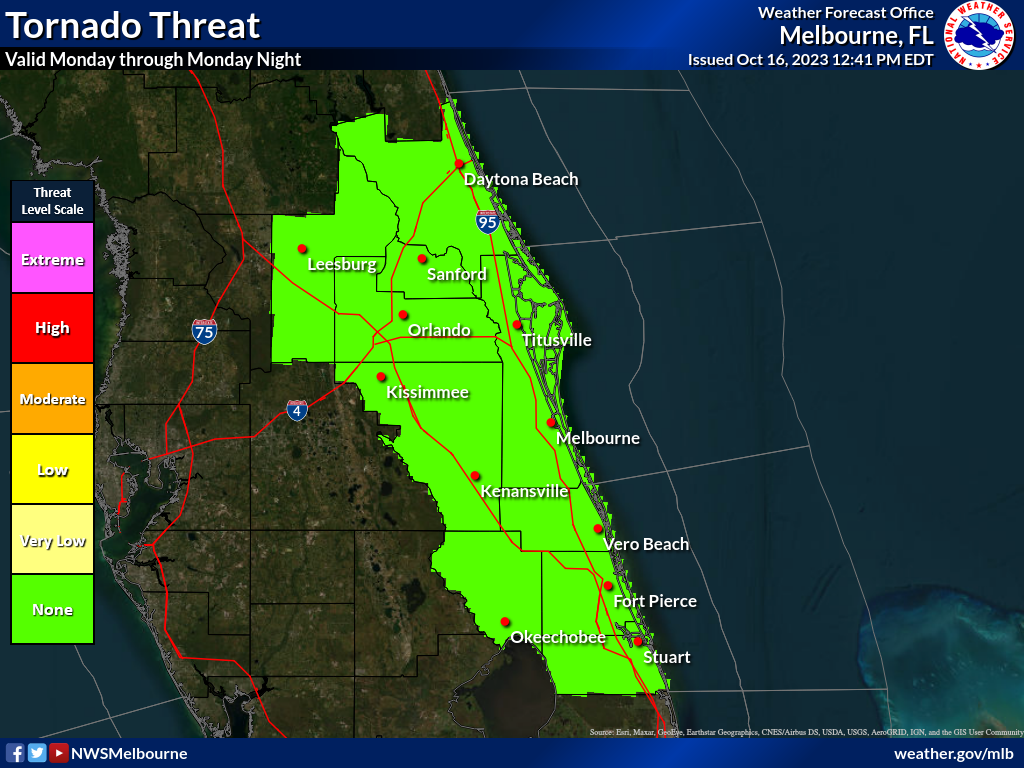
The current weather is just one piece of the puzzle. Understanding the broader patterns, such as the likelihood of afternoon thunderstorms or the potential for tropical activity, allows for more robust planning and a safer, more enjoyable experience in the diverse and beautiful state of Florida.
LifeOutOfTheBox is a participant in the Amazon Services LLC Associates Program, an affiliate advertising program designed to provide a means for sites to earn advertising fees by advertising and linking to Amazon.com. Amazon, the Amazon logo, AmazonSupply, and the AmazonSupply logo are trademarks of Amazon.com, Inc. or its affiliates. As an Amazon Associate we earn affiliate commissions from qualifying purchases.