
The Sunshine State, as it’s affectionately known, conjures images of sun-drenched beaches, vibrant theme parks, and lush natural landscapes. While the allure of Florida is undeniable year-round, understanding its dynamic weather patterns is crucial for any discerning traveler planning their visit. From the humid subtropical climate of the north to the tropical conditions of the Keys, Florida offers a diverse meteorological tapestry. This guide delves into the current weather across the state, providing insights that can help you make the most of your Florida adventure, whether you’re seeking adventure in Orlando, relaxation on the Gulf Coast, or exploration in the unique ecosystems of the Everglades.

Understanding Florida’s Diverse Climate Zones
Florida’s weather is not a monolithic entity. The state’s considerable length, stretching from the Panhandle down to the southernmost tip, dictates significant regional variations. This geographical spread results in distinct climate zones, each with its own characteristic weather patterns.
Northern Florida: Subtropical Influences
The northern reaches of Florida, including cities like Jacksonville and Tallahassee, experience a humid subtropical climate. This means they have hot, humid summers and mild winters. While the sunshine is plentiful, this region is more susceptible to cooler fronts from the north during the winter months. Expect average summer temperatures to hover in the high 80s to low 90s Fahrenheit, with humidity making it feel even warmer. Winters are generally pleasant, with daytime temperatures often in the 60s and 70s Fahrenheit, though occasional cold snaps can bring temperatures down into the 40s and 50s. Precipitation is distributed throughout the year, with summer often seeing afternoon thunderstorms, a common phenomenon across much of the state.
Central Florida: A Blend of Influences
Central Florida, home to the bustling theme park destinations like Orlando and the Space Coast, experiences a climate that is a transition between the north and south. Summers here are undeniably hot and humid, with frequent, often brief, thunderstorms that provide a welcome respite from the heat. Daytime temperatures regularly reach the mid-to-high 90s Fahrenheit, with “feels like” temperatures often exceeding 100°F. Winters are mild, with average temperatures in the 70s Fahrenheit during the day. Frost is rare but not impossible in the colder months. The rainfall patterns are similar to the north, with a distinct wet season typically running from June through September, characterized by these intense afternoon downpours.
South Florida: Tropical Paradise
The southern part of Florida, including major hubs like Miami, Fort Lauderdale, and the unique Florida Keys, embraces a true tropical climate. This means warm temperatures year-round, with minimal variation between seasons. The distinction between “wet” and “dry” seasons becomes more pronounced here. The wet season, from May to October, brings high humidity and frequent rainfall, often in the form of heavy downpours and thunderstorms. The dry season, from November to April, offers more sunshine, lower humidity, and pleasantly warm temperatures, typically in the 70s and 80s Fahrenheit. Even during the cooler months, overnight lows rarely dip below the 60s Fahrenheit, making it a perennial draw for those escaping colder climates.
Today’s Weather Snapshot: A Statewide Overview
As of today, Florida is experiencing a range of conditions across its diverse regions. Understanding these specifics can significantly influence your travel plans, from packing appropriately to scheduling outdoor activities.
Panhandle and Northern Florida: Clearing Skies and Cooler Breezes
In the Florida Panhandle, including areas around Pensacola and Destin, the weather is currently characterized by clearing skies following any recent systems. Temperatures are comfortably in the mid-70s Fahrenheit, with a gentle breeze coming off the Gulf of Mexico. Humidity levels are moderate, making for a pleasant outdoor experience. The chance of precipitation is low for the remainder of the day, with abundant sunshine expected. Travelers planning to visit the beaches of 30A or explore the historic streets of St. Augustine will find ideal conditions for sightseeing and outdoor recreation.
Further south in Northern Florida, cities like Gainesville and Daytona Beach are also enjoying pleasant weather. Daytime highs are expected to reach the upper 70s Fahrenheit, with clear to partly cloudy skies. A light northwesterly wind will contribute to a comfortable atmosphere. This is an excellent time to explore the natural springs of North Florida or enjoy the racing excitement at the Daytona International Speedway.
Central Florida: Warm and Humid with a Chance of Afternoon Showers
Central Florida, the heartland of theme park fun, is currently experiencing typical summer-like conditions. Temperatures are climbing into the low 90s Fahrenheit, with relative humidity contributing to “feels like” temperatures in the upper 90s. The sky is partly cloudy, and there is a noticeable increase in the possibility of isolated afternoon thunderstorms. These showers, while often intense, are typically brief and localized, bringing temporary relief from the heat. Visitors to Walt Disney World or Universal Orlando Resort should be prepared for these fleeting downpours by carrying a light poncho or umbrella. The storms tend to clear out quickly, allowing for continued enjoyment of the attractions. The evenings will remain warm and humid, with lows in the mid-70s Fahrenheit.
South Florida and the Keys: Tropical Heat and Humidity
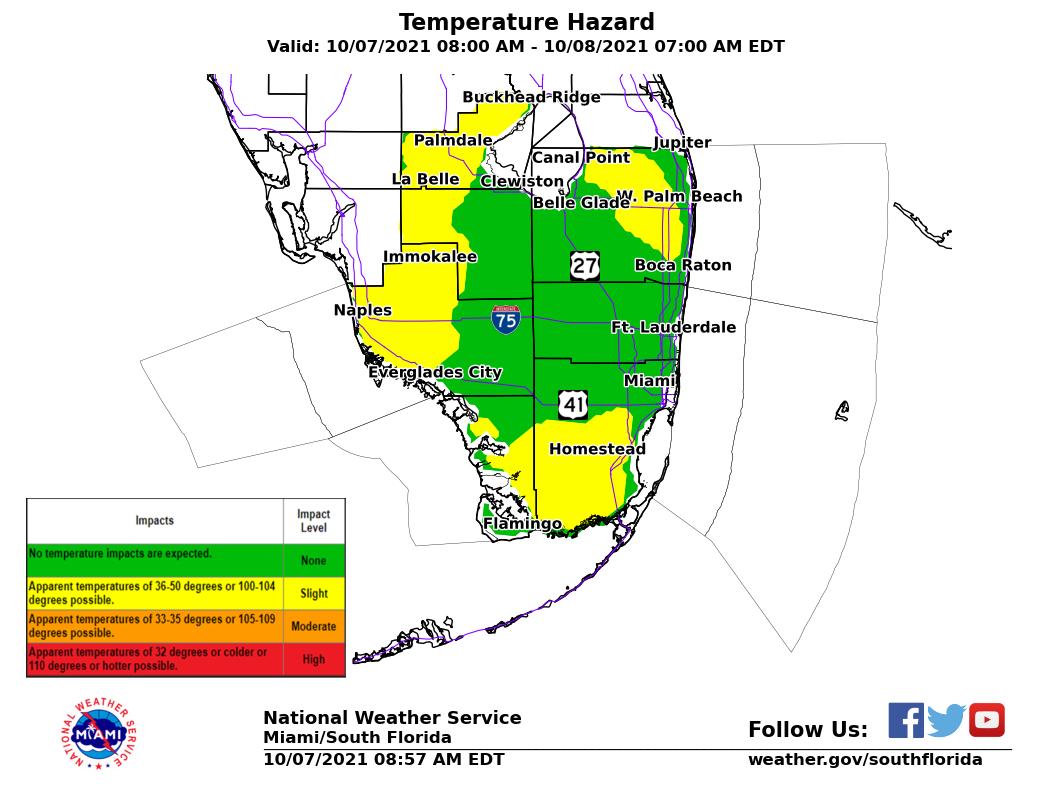
In South Florida, including the vibrant metropolises of Miami, Fort Lauderdale, and the charming chain of islands known as the Florida Keys, the weather is decidedly tropical. High temperatures are currently in the mid-80s Fahrenheit, but the very high humidity is making it feel considerably warmer, likely in the low 90s. Skies are partly cloudy, with a moderate to high chance of scattered afternoon thunderstorms. These storms can be accompanied by heavy rainfall and gusty winds, so those engaging in water activities or exploring areas like South Beach should stay aware of developing weather. The breeze off the Atlantic Ocean and the Florida Bay can offer some slight relief, but the pervasive warmth and moisture are the dominant weather features. The Keys, in particular, are experiencing similar conditions, with the warm ocean waters contributing to the humid atmosphere.
Seasonal Considerations and Weather Phenomena
Beyond the daily forecast, understanding Florida’s seasonal weather patterns and potential phenomena is vital for a well-prepared trip.
Hurricane Season: A Critical Awareness Period
It is imperative for travelers to be aware of Florida’s hurricane season, which officially runs from June 1st to November 30th. While major hurricanes are not a daily occurrence, the possibility exists. During this period, especially from August through October, tropical systems can form and intensify rapidly in the Atlantic Ocean and the Gulf of Mexico. Monitoring weather advisories from the National Hurricane Center is crucial if you are traveling to Florida during these months. Resorts and hotels in coastal areas are well-equipped to handle weather events, but flexibility in travel plans is always advisable during this season.
The “Dry” Season: A Traveler’s Delight
Conversely, the period from November to April is often referred to as Florida’s “dry” season, particularly in the southern half of the state. While it doesn’t mean an absence of rain, precipitation is significantly reduced, and humidity levels are generally lower. This is a prime time for outdoor activities, visiting theme parks like SeaWorld Orlando, exploring the natural beauty of the Everglades National Park, or enjoying the vibrant nightlife of Miami. Temperatures are mild and pleasant, offering a welcome escape for those from colder climates.
Preparing for Florida’s Weather: Essential Travel Tips
Regardless of the specific forecast, a few universal tips can help you navigate Florida’s weather and ensure a comfortable and enjoyable trip.
Packing Smart for Sun and Showers
- Sun Protection: High SPF sunscreen, wide-brimmed hats, and sunglasses are non-negotiable. Even on cloudy days, UV rays can be strong.
- Lightweight Clothing: Pack breathable, light-colored clothing made from natural fabrics like cotton or linen.
- Rain Gear: A compact umbrella or a lightweight, packable rain jacket is essential, especially if traveling during the summer months or hurricane season.
- Footwear: Comfortable walking shoes are a must for exploring attractions. Water shoes can be beneficial for beach activities or exploring coastal areas.
- Hydration: Carry a reusable water bottle. Staying hydrated is critical, especially in the heat and humidity.

Staying Informed and Flexible
- Check Local Forecasts: Always check the most up-to-date local weather forecasts before and during your trip. Weather can change rapidly in Florida.
- Monitor Advisories: If traveling during hurricane season, stay informed about any tropical storm or hurricane advisories.
- Be Flexible: Have backup plans for indoor activities in case of inclement weather. Many of Florida’s attractions offer excellent indoor experiences, from world-class museums to immersive shopping malls.
By understanding the nuances of Florida’s climate and staying prepared, you can confidently plan your itinerary and make the most of your visit to this beloved travel destination, no matter what the weather may bring.
LifeOutOfTheBox is a participant in the Amazon Services LLC Associates Program, an affiliate advertising program designed to provide a means for sites to earn advertising fees by advertising and linking to Amazon.com. Amazon, the Amazon logo, AmazonSupply, and the AmazonSupply logo are trademarks of Amazon.com, Inc. or its affiliates. As an Amazon Associate we earn affiliate commissions from qualifying purchases.