
Understanding the climate of Tallahassee, Florida is paramount for any visitor or resident planning outdoor activities, packing appropriately, or simply making the most of their time in Florida’s capital city. Tallahassee boasts a humid subtropical climate, characterized by hot, humid summers and mild winters. This classification means that the city experiences distinct seasonal variations, though extreme cold is rare, and prolonged heatwaves are common during the warmer months. The weather patterns are significantly influenced by its proximity to the Gulf of Mexico, which often brings moisture and contributes to the region’s high humidity levels.

Summer in Tallahassee: Heat, Humidity, and Thunderstorms
Summers in Tallahassee typically run from June through August, and these months are defined by their warmth and significant humidity. Average daily temperatures often hover in the high 80s and low 90s Fahrenheit (around 30-33°C), but the high humidity can make it feel even hotter, with heat index values frequently exceeding 100°F (38°C). Mornings often start with pleasant temperatures before the mercury climbs throughout the day.
Afternoon Thunderstorms: A Daily Occurrence
A hallmark of Tallahassee summers is the prevalence of afternoon thunderstorms. Fueled by the intense heat and abundant moisture, these storms are usually short-lived but can be quite intense. They often begin as scattered cells in the early afternoon and can bring heavy downpours, lightning, thunder, and gusty winds. While these storms offer temporary relief from the heat, they can also cause localized flooding and disrupt outdoor plans. It’s advisable for visitors to keep an eye on the forecast and be prepared to seek shelter during these predictable, albeit sometimes dramatic, weather events. The timing of these storms means that early morning or late evening are often the most comfortable times for outdoor exploration.
Hydration and Sun Protection: Essential Summer Precautions
Given the intense summer heat and humidity, staying hydrated is crucial. Visitors should always carry water and drink frequently, even if they don’t feel thirsty. Wearing lightweight, breathable clothing, wide-brimmed hats, and sunglasses is also recommended to protect against the strong Florida sun. Sunscreen with a high SPF is a non-negotiable item for anyone spending time outdoors, whether visiting attractions like the Alfred B. Maclay Gardens State Park or simply walking through the city.
Autumn in Tallahassee: A Welcome Respite
As summer draws to a close, Tallahassee transitions into a pleasant autumn season, generally from September to November. This period offers a welcome change from the intense summer heat and humidity. Temperatures begin to cool, with average highs in the 70s and 80s Fahrenheit (21-27°C) in September, gradually dropping into the 60s and 70s Fahrenheit (15-21°C) by November. The humidity also significantly decreases, making outdoor activities much more comfortable and enjoyable.
The Appeal of Fall Foliage
While not as vibrant as in some northern states, Tallahassee does experience a beautiful display of fall foliage, particularly in late October and November. The deciduous trees scattered throughout the city and surrounding areas, including parks and natural areas, offer splashes of yellow, orange, and red. This makes autumn an ideal time for scenic drives, hiking in places like the Tallahassee-St. Marks Historic Railroad Trail, or enjoying the Florida State University campus.
Outdoor Activities Flourish
The milder temperatures and lower humidity of autumn make it a prime season for engaging in a wide array of outdoor activities. This is the perfect time to explore the historic downtown area, visit the Museum of Florida History, or enjoy a picnic in one of the many city parks. The Capital City Amphitheater often hosts outdoor events during this season, taking advantage of the pleasant weather.
Winter in Tallahassee: Mild and Pleasant
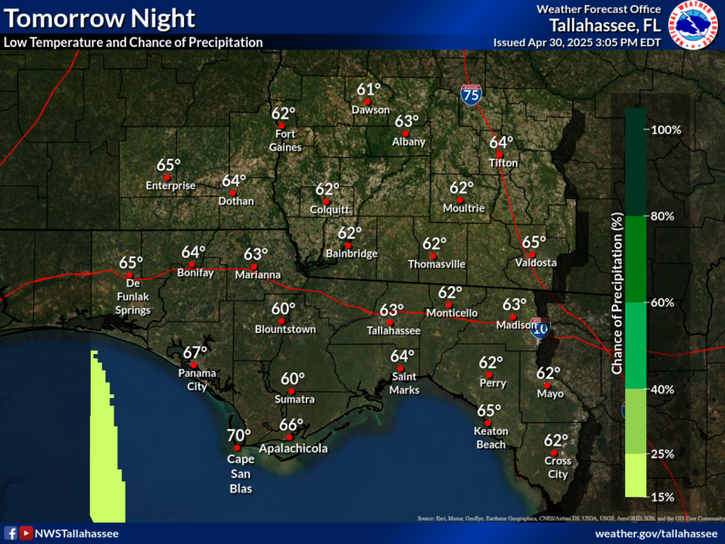
Winter in Tallahassee, typically from December to February, is generally mild and pleasant, with very few days experiencing freezing temperatures. Average high temperatures range from the mid-60s to low 70s Fahrenheit (18-22°C), while nighttime lows can occasionally dip into the 30s or 40s Fahrenheit (1-7°C). Frost is common on some mornings, but snow is an extremely rare occurrence.
Low Humidity and Clear Skies
One of the defining characteristics of winter in Tallahassee is the significantly lower humidity compared to the summer months. This, combined with often clear, sunny skies, makes for crisp and comfortable days. It’s an excellent time for exploring the city’s historical sites, such as the Old Capitol Building, or taking advantage of the cooler weather for activities that might be uncomfortable during warmer periods.
Occasional Cold Snaps
While winters are generally mild, Tallahassee can experience occasional cold snaps, typically driven by Arctic air masses. During these periods, temperatures can drop below freezing for short durations, especially overnight. Residents and visitors should stay informed about these cold fronts, as they can impact outdoor plans and necessitate warmer clothing. However, these cold spells are usually brief, with temperatures quickly returning to their mild averages.
Spring in Tallahassee: A Gradual Warming
Spring in Tallahassee, from March to May, marks a gradual transition back to warmer weather. Temperatures begin to rise steadily, moving from the 70s Fahrenheit (21-26°C) in March to the comfortable 80s Fahrenheit (27-32°C) by May. The humidity also starts to increase as the season progresses, signaling the approach of summer.
Blooming Flora and Outdoor Festivals
Spring is a beautiful time in Tallahassee, with the city’s natural beauty coming alive. The blooming of azaleas, dogwoods, and other flowering plants adds vibrant colors to the landscape. This season is often filled with outdoor festivals, farmers’ markets, and community events, taking advantage of the increasingly pleasant weather. The Southern Music Rising Festival is a popular example of events held during this period.
Increased Rainfall and Humidity
As spring progresses into late April and May, the chances of rainfall increase. While not as consistently heavy as summer thunderstorms, spring showers can be more frequent. Humidity levels also begin to climb, so visitors should prepare for conditions that are warmer and more humid than the winter months, though still generally more moderate than peak summer.
Understanding Tallahassee’s Weather Patterns for Your Visit
For any traveler planning a trip to Tallahassee, Florida, understanding its distinct weather patterns is key to a successful and enjoyable experience. Whether you’re visiting the Governor’s Mansion or exploring the natural beauty of the Apalachicola National Forest, being prepared for the elements will allow you to maximize your time.
Packing Essentials Based on Season
- Summer (June-August): Lightweight, breathable clothing (shorts, t-shirts, sundresses), swimwear, rain gear (lightweight poncho or umbrella), comfortable walking shoes, hat, sunglasses, and high SPF sunscreen.
- Autumn (September-November): Layers are key. Pack t-shirts, long-sleeved shirts, light sweaters or fleeces, jeans or comfortable trousers, and a light jacket. Comfortable walking shoes are essential.
- Winter (December-February): While mild, bring layers. Pack sweaters, light jackets, long-sleeved shirts, and trousers. A heavier coat might be needed for occasional cold snaps, especially for evenings. Comfortable walking shoes.
- Spring (March-May): Similar to autumn, layers are recommended. T-shirts, long-sleeved shirts, a light jacket or sweater, and comfortable walking shoes. As May approaches, anticipate warmer and more humid conditions.

Staying Informed: Weather Resources
Always check a reliable weather forecast before your trip and during your stay in Tallahassee. Local news channels, weather apps, and online meteorological services provide up-to-date information on temperature, precipitation, and any potential severe weather. For those interested in the region’s climate data and historical weather patterns, resources from the National Weather Service can offer valuable insights. Being weather-wise ensures you can plan your itinerary, from visiting the Challenger Learning Center to enjoying the outdoor cafes, without any unwelcome meteorological surprises.
LifeOutOfTheBox is a participant in the Amazon Services LLC Associates Program, an affiliate advertising program designed to provide a means for sites to earn advertising fees by advertising and linking to Amazon.com. Amazon, the Amazon logo, AmazonSupply, and the AmazonSupply logo are trademarks of Amazon.com, Inc. or its affiliates. As an Amazon Associate we earn affiliate commissions from qualifying purchases.