
Miami, Florida, a city synonymous with sunshine, vibrant culture, and a lively atmosphere, experiences a tropical monsoon climate. Understanding the daily weather patterns is crucial for both residents and visitors looking to make the most of this dynamic South Florida metropolis. From the balmy warmth of its winters to the humid embrace of its summers, the weather in Miami dictates everything from beach days to evening strolls. This guide delves into the current conditions and offers insights into the typical meteorological landscape of this iconic destination.
Today’s Weather Snapshot in Miami
As of today, the weather in Miami, Florida presents a characteristic South Florida experience. Expect a day marked by warm temperatures, high humidity, and the potential for scattered, brief showers, a common occurrence during this time of year. The sun is likely to break through the clouds intermittently, offering periods of bright sunshine that are perfect for outdoor activities, provided you’re prepared for the atmospheric moisture.

Temperature and Feels Like
The current temperature in Miami is hovering around the mid-80s Fahrenheit (around 29-30 degrees Celsius). However, due to the significant humidity, the “feels like” temperature can be several degrees higher, often reaching into the upper 90s Fahrenheit (around 35-37 degrees Celsius). This is a standard condition for Miami, especially during the warmer months. Light, breathable clothing is highly recommended, and staying hydrated is paramount, whether you’re exploring South Beach or enjoying a leisurely lunch in Little Havana.
Humidity and Dew Point
Humidity levels are currently high, typically ranging from 70% to 90% throughout the day. This contributes to the sticky, muggy feeling that many associate with Miami’s climate. The dew point, a measure of the actual amount of moisture in the air, will likely be in the mid-70s Fahrenheit (around 24-25 degrees Celsius). This means that even if the temperature drops slightly in the evening, the air will still feel quite moist.
Precipitation and Cloud Cover
There is a moderate chance of scattered thunderstorms throughout the day. These storms are often brief but can be intense, featuring heavy rainfall, lightning, and gusty winds. They tend to develop in the afternoon, fueled by the daytime heating and abundant moisture. Cloud cover will likely be partly to mostly cloudy, with sunny spells interspersed. It’s advisable to keep an eye on the radar if you have outdoor plans, as these storms can pop up quickly.
Wind and Air Quality
Winds are generally moderate, blowing from the southeast, which is typical for this region. Expect speeds of around 10-15 miles per hour, with gusts potentially reaching higher during any developing thunderstorms. The air quality in Miami is usually good, influenced by the ocean breeze. However, during periods of high heat and humidity, some pollutants can become more concentrated, so it’s worth checking local air quality reports if you have respiratory sensitivities.
Understanding Miami’s Climate Patterns
Miami’s climate is categorized as a tropical monsoon, characterized by distinct wet and dry seasons, and consistently warm temperatures year-round. This tropical influence is largely due to its southern latitude, proximity to the Atlantic Ocean, and the Gulf Stream.
The Wet Season (June to October)
The wet season is synonymous with summer and early autumn in Miami. This period is marked by high temperatures, oppressive humidity, and frequent, often afternoon, thunderstorms. These storms are crucial for the region’s water supply but can disrupt outdoor activities. The intensity and duration of these storms can vary significantly, from short, sharp downpours to longer periods of steady rain. The threat of hurricanes is also present during this season, peaking from August to October, making it essential for residents and visitors to stay informed about weather advisories.
The Dry Season (November to May)
The dry season brings a welcome respite from the intense humidity and daily rain showers. Temperatures are still warm, but considerably more pleasant than during the wet season, with average highs in the 70s and 80s Fahrenheit (20s Celsius). Humidity levels also decrease, making outdoor exploration more comfortable. This is often considered the peak tourist season in Miami, with sunny skies and less frequent rainfall creating ideal conditions for enjoying the city’s beaches, outdoor cafes, and numerous attractions. While rain is less common, occasional cold fronts can still bring cooler temperatures and brief periods of rain.
Preparing for Miami’s Weather
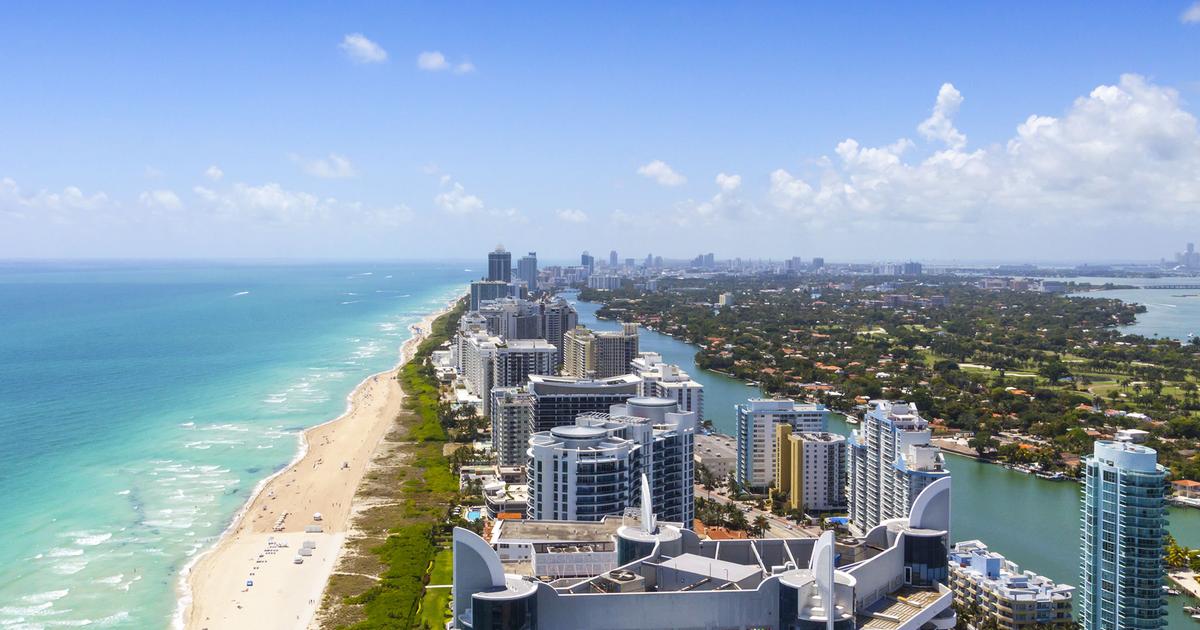
Regardless of the season, preparedness is key to enjoying your time in Miami. The city’s unique climate demands a thoughtful approach to planning your activities and packing.
Essential Packing List
When visiting Miami, it’s crucial to pack items that will help you stay comfortable and protected from the elements:
- Lightweight, breathable clothing: Cotton, linen, and moisture-wicking fabrics are your best friends. Think shorts, t-shirts, sundresses, and light trousers.
- Rain gear: Even in the dry season, an umbrella or a lightweight, packable rain jacket can be a lifesaver for those unexpected showers.
- Sun protection: A wide-brimmed hat, sunglasses, and high-SPF sunscreen are non-negotiable. The Florida sun is intense.
- Comfortable footwear: You’ll likely be doing a lot of walking, so bring comfortable sandals, sneakers, or walking shoes. Waterproof options can be beneficial during the wet season.
- Swimwear: It goes without saying, but be prepared for the beach, pool, or any of Miami’s beautiful waterways.
- Insect repellent: Particularly important during the evening and in areas with lush vegetation, to ward off mosquitoes.
Staying Hydrated and Cool
The heat and humidity in Miami can be significant. To combat this, always carry a reusable water bottle and refill it frequently. Seek out air-conditioned spaces during the hottest parts of the day, such as museums, shopping centers, or cafes. Opt for lighter meals and avoid excessive alcohol consumption, which can lead to dehydration.
Staying Informed About Weather Alerts
For those planning travel or outdoor activities, staying informed about weather alerts is vital. The National Hurricane Center provides critical information during hurricane season, while local weather forecasts offer daily updates on temperature, precipitation, and any potential severe weather. Many weather apps and websites provide real-time radar, allowing you to track approaching storms.
Miami’s Weather Through the Seasons
Each season in Miami offers a distinct experience, shaped by its prevailing weather conditions. Understanding these nuances can help you plan the perfect trip or make the most of everyday life in the Magic City.
Spring (March to May)
Spring in Miami is a delightful transition from the dry season. Temperatures are warm and pleasant, with lower humidity than in the summer months. This is an excellent time for exploring outdoor attractions, enjoying beach activities, and experiencing the city’s vibrant festivals. While occasional rain showers can occur, they are typically brief and less disruptive than in the wet season.
Summer (June to August)
Summer in Miami is characterized by heat, high humidity, and frequent afternoon thunderstorms. Temperatures often reach the high 80s and low 90s Fahrenheit (around 30-33 degrees Celsius), with the “feels like” temperature soaring due to humidity. The daily thunderstorms, while usually short-lived, are a defining feature of Miami summers. This is also the beginning of hurricane season, so staying aware of tropical weather advisories is important.
Autumn (September to November)
Autumn in Miami is a continuation of the wet season initially, with September and October still experiencing high temperatures, humidity, and the potential for significant rainfall and tropical storms. However, as November approaches, the weather begins to shift towards the drier, more temperate conditions of the dry season. Humidity decreases, and temperatures become more comfortable, making it a pleasant time for outdoor exploration.

Winter (December to February)
Miami’s winters are mild and sunny, offering a stark contrast to the colder climates in much of the United States. Average temperatures hover in the comfortable 60s and 70s Fahrenheit (15-25 degrees Celsius). Humidity is low, and rainfall is minimal, making this a prime time for tourism. While most days are warm and pleasant, occasional cold fronts can bring cooler temperatures, sometimes dropping into the 50s Fahrenheit (around 10-15 degrees Celsius) at night. These cooler spells are usually short-lived and are a welcome change for many.
By understanding the daily fluctuations and seasonal patterns of Miami’s weather, you can better plan your activities and ensure a comfortable and enjoyable experience in this captivating Florida city.
LifeOutOfTheBox is a participant in the Amazon Services LLC Associates Program, an affiliate advertising program designed to provide a means for sites to earn advertising fees by advertising and linking to Amazon.com. Amazon, the Amazon logo, AmazonSupply, and the AmazonSupply logo are trademarks of Amazon.com, Inc. or its affiliates. As an Amazon Associate we earn affiliate commissions from qualifying purchases.