
Navigating the administrative requirements for operating a business in the Sunshine State can sometimes feel like deciphering a complex map. Among the crucial deadlines to mark on your calendar is the filing of your Florida annual report. This seemingly simple document plays a vital role in maintaining your business’s good standing with the state, ensuring its continued legal operation and access to various business privileges. Understanding precisely when these reports are due is paramount to avoiding penalties and keeping your enterprise on track. This guide delves into the intricacies of Florida annual report deadlines, providing clarity for businesses of all types.

Understanding the Florida Annual Report
The Florida annual report, formally known as the “Annual Report and Uniform Business Registration,” is a declaration submitted by most business entities registered in Florida to the Department of State. Its primary purpose is to update the state’s records with current information about the business, including its principal office address, mailing address, registered agent, and the names and addresses of its principal officers or managers. This information is crucial for public record-keeping, ensuring that the state and the public can readily contact the business.
Who Needs to File?
Generally, all businesses registered with the Florida Department of State, Division of Corporations, are required to file an annual report. This includes:
- Corporations (S-corporations and C-corporations)
- Limited Liability Companies (LLCs)
- Limited Partnerships (LPs)
- Limited Liability Limited Partnerships (LLPs)
There are a few exceptions. For instance, businesses operating as sole proprietorships or general partnerships that are not registered with the Division of Corporations typically do not file an annual report. Similarly, inactive entities that have formally dissolved or are in the process of dissolution may be exempt. It is always advisable to consult the Florida Department of State’s official resources or a legal professional to confirm your specific filing requirements.
Why is Filing Important?
Filing your Florida annual report on time is not merely a bureaucratic formality; it carries significant weight for your business’s operational status.
Maintaining Good Standing
Filing ensures your business remains in “good standing” with the state. This status is a fundamental requirement for conducting business legally within Florida. Without it, your business could face restrictions, including the inability to enter into contracts, open bank accounts, or even defend itself in court.
Avoiding Penalties and Late Fees
Failure to file by the deadline incurs penalties. The state imposes a late filing fee, and continued non-compliance can lead to administrative dissolution or revocation of your business’s authority to operate in Florida. This can necessitate a costly and time-consuming process to reinstate your business.
Public Record Accuracy
Accurate public records are essential for transparency and trust. Your annual report keeps vital information current, aiding vendors, customers, and potential investors in their due diligence.
The Annual Report Filing Window
The due date for Florida annual reports is not a single, fixed date for all businesses. Instead, it is tied to the anniversary of your business’s initial registration. This system is designed to spread out the filing workload throughout the year and provides a consistent, personalized deadline for each entity.
Understanding Your Business’s Anniversary Date
Every business entity registered with the Florida Department of State has a specific “anniversary date.” This date is generally the date on which your business was originally formed or qualified to do business in Florida. You can typically find this date by searching your business name on the Florida Department of State’s Division of Corporations website.
The Filing Period
You are permitted to file your annual report during a specific window leading up to your business’s anniversary date. This window opens on January 1st of each year and extends through May 1st.
The Significance of May 1st
May 1st is the absolute final deadline for submitting your annual report for the preceding year. If your business’s anniversary date falls on May 1st, your report is due on that date. For businesses with anniversary dates earlier in the year, their reports are still due by May 1st of the current year. The state consolidates all filings into this overarching deadline to manage the process efficiently.
Filing Before the Deadline
While May 1st is the deadline, it is highly recommended to file your report well in advance. Filing as early as January 1st is possible and often beneficial. This proactive approach helps avoid last-minute rushes, potential website congestion, and the risk of forgetting as the deadline approaches. Early filing also allows ample time to address any issues or discrepancies that might arise during the submission process.

Practical Steps for Filing Your Florida Annual Report
Filing your Florida annual report is a straightforward process, primarily conducted online. Here’s a breakdown of the typical steps involved:
1. Gather Necessary Information
Before you begin the online filing, ensure you have the following information readily available:
- Your business entity name.
- Your Florida registered agent’s name and address.
- The principal office address.
- The mailing address.
- For corporations: Names and addresses of directors and principal officers.
- For LLCs: Names and addresses of the managing members or managers.
2. Access the Florida Department of State Website
The official portal for filing your annual report is the Florida Department of State, Division of Corporations website. Navigate to their online filing system.
3. Locate Your Business Record
You will typically need to search for your business by name to access its specific record. Once found, you can initiate the annual report filing process.
4. Complete the Online Form
The online system will guide you through a series of fields to update your business information. Carefully review each section to ensure all details are current and accurate. This is your opportunity to reflect any changes that have occurred in your business structure, management, or contact information over the past year.
5. Pay the Filing Fee
There is a statutory filing fee associated with the annual report. The fee amount can vary slightly by business type but is generally a nominal amount designed to cover the administrative costs of processing the reports. You will typically pay this fee online using a credit card or other accepted payment methods.
6. Submit and Confirm
Once you have completed the form and processed the payment, submit your annual report. You should receive a confirmation of your filing, often in the form of an electronic receipt or a confirmation email. It is advisable to save this confirmation for your records.
Special Considerations and Tips
While the filing process is generally standardized, certain situations and proactive measures can make the experience smoother.
Renewing Registered Agent Information
If your registered agent has changed, or if the registered agent’s information needs updating, this is the time to do it. Ensure your registered agent is a reliable individual or service that can consistently receive official communications on behalf of your business. A change in registered agent often requires a separate filing with the state in addition to the annual report update.
Business Dissolution or Inactivation
If you no longer operate your business in Florida or have decided to dissolve it, ensure you follow the correct procedures for dissolution or withdrawal. Simply failing to file an annual report does not automatically dissolve your business; it leads to penalties and potential administrative dissolution by the state, which can be more complicated to resolve than a planned closure.
Staying Informed
The Florida Department of State may update its filing procedures or fee structures periodically. It is good practice to visit the Division of Corporations website at least once a year, especially as the filing period approaches, to ensure you are aware of any changes. Subscribing to any official newsletters or alerts from the department can also be beneficial.
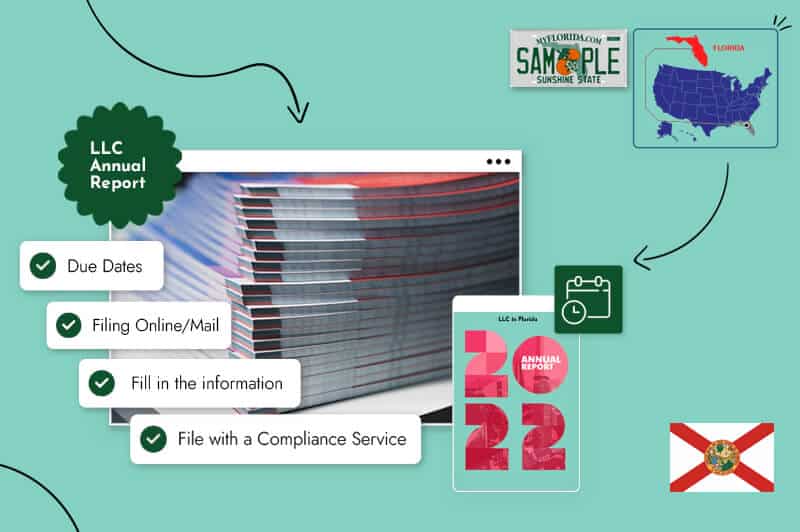
Seeking Professional Assistance
For complex business structures, or if you find the process daunting, consider engaging the services of a business attorney or a registered agent service. These professionals can ensure accurate and timely filing, potentially saving you from costly errors and late fees. They can also offer advice on other compliance matters relevant to operating a business in Florida.
By understanding the mechanics of the Florida annual report, its importance, and its deadlines, businesses can navigate this requirement with confidence, ensuring their continued legal operation and success within the vibrant economic landscape of Florida. Timely filing is a cornerstone of good corporate governance and a crucial step in maintaining a healthy business profile.
LifeOutOfTheBox is a participant in the Amazon Services LLC Associates Program, an affiliate advertising program designed to provide a means for sites to earn advertising fees by advertising and linking to Amazon.com. Amazon, the Amazon logo, AmazonSupply, and the AmazonSupply logo are trademarks of Amazon.com, Inc. or its affiliates. As an Amazon Associate we earn affiliate commissions from qualifying purchases.