
The allure of a magical kingdom, a place where dreams come true and imagination reigns supreme, has captivated generations. For many, this vision is intrinsically linked to the world-renowned theme parks and resorts crafted by The Walt Disney Company. While Disneyland in California holds the distinction of being the original masterpiece, the company’s ambitious expansion into the southeastern United States marked a pivotal moment in global tourism. The question of when this monumental undertaking began in Florida is not merely a historical query but a gateway into understanding the genesis of a tourism empire that would redefine family vacations and entertainment for decades to come.
The story of Disney in Florida is one of visionary planning, immense scale, and a transformative impact on the region. It’s about more than just an opening date; it’s about the strategic decision-making, the immense investment, and the creation of a destination that would become synonymous with joy and wonder. This venture was Walt Disney‘s final grand project, a testament to his unparalleled foresight and his desire to create an even more expansive and immersive experience than his first park.
The Genesis of an East Coast Dream
The decision to build a second, much larger resort on the East Coast of the United States was born out of a desire to be closer to the burgeoning populations of the eastern seaboard and to escape the increasing congestion and commercialization that had begun to surround Disneyland in Anaheim. Walt Disney himself recognized the limitations of the California site for future expansion and began scouting for a new location in the early 1960s. His brother, Roy O. Disney, played a crucial role in bringing this dream to fruition, especially after Walt‘s passing.
The Search for the Perfect Site
The search for the ideal location was extensive and meticulous. Disney representatives, under the guise of land development firms, discreetly purchased vast tracts of undeveloped land in central Florida. The chosen site was a remote, swampy area in Orange County and Osceola County, offering ample space for future growth and isolation from existing communities. This strategic choice allowed Disney to control the entire development environment, from infrastructure to surrounding businesses. The sheer scale of the land acquisition, over 27,000 acres, was unprecedented and highlighted the ambitious scope of the project.
The Vision: A “Florida Project”
The project, initially referred to as the “Florida Project,” was conceived as something far grander than just another theme park. Walt Disney envisioned a comprehensive destination that would include not only a new theme park but also a monorail system, hotels, an airport, and a futuristic city showcasing innovative urban planning. This “Experimental Prototype Community of Tomorrow” (EPCOT) was a core element of his vision, a place where people could live, work, and learn in a technologically advanced and harmonious environment. Although the futuristic city component would eventually evolve into the Epcot theme park we know today, the initial ambition laid the groundwork for a multi-faceted destination.
The Grand Opening: Walt Disney World Resort
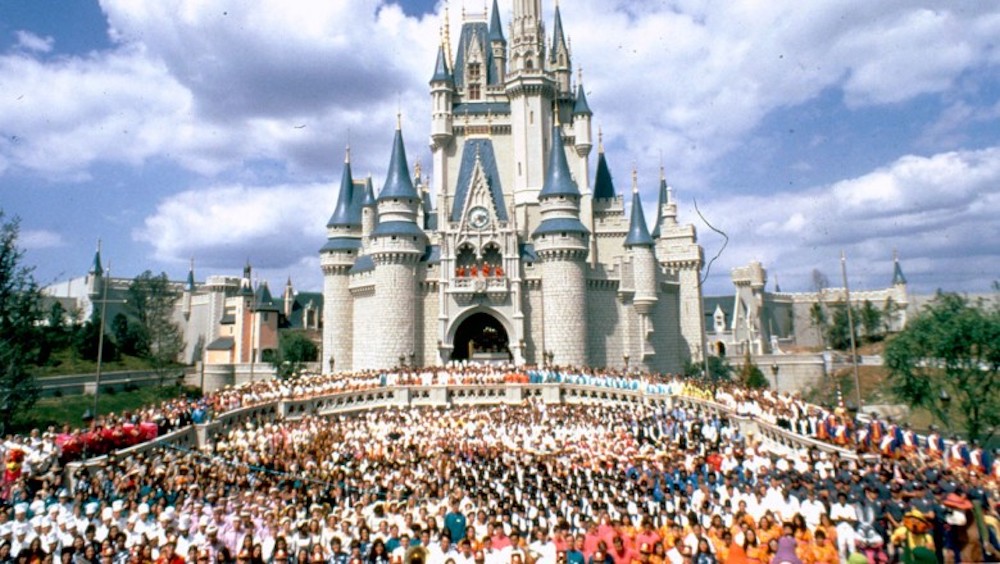
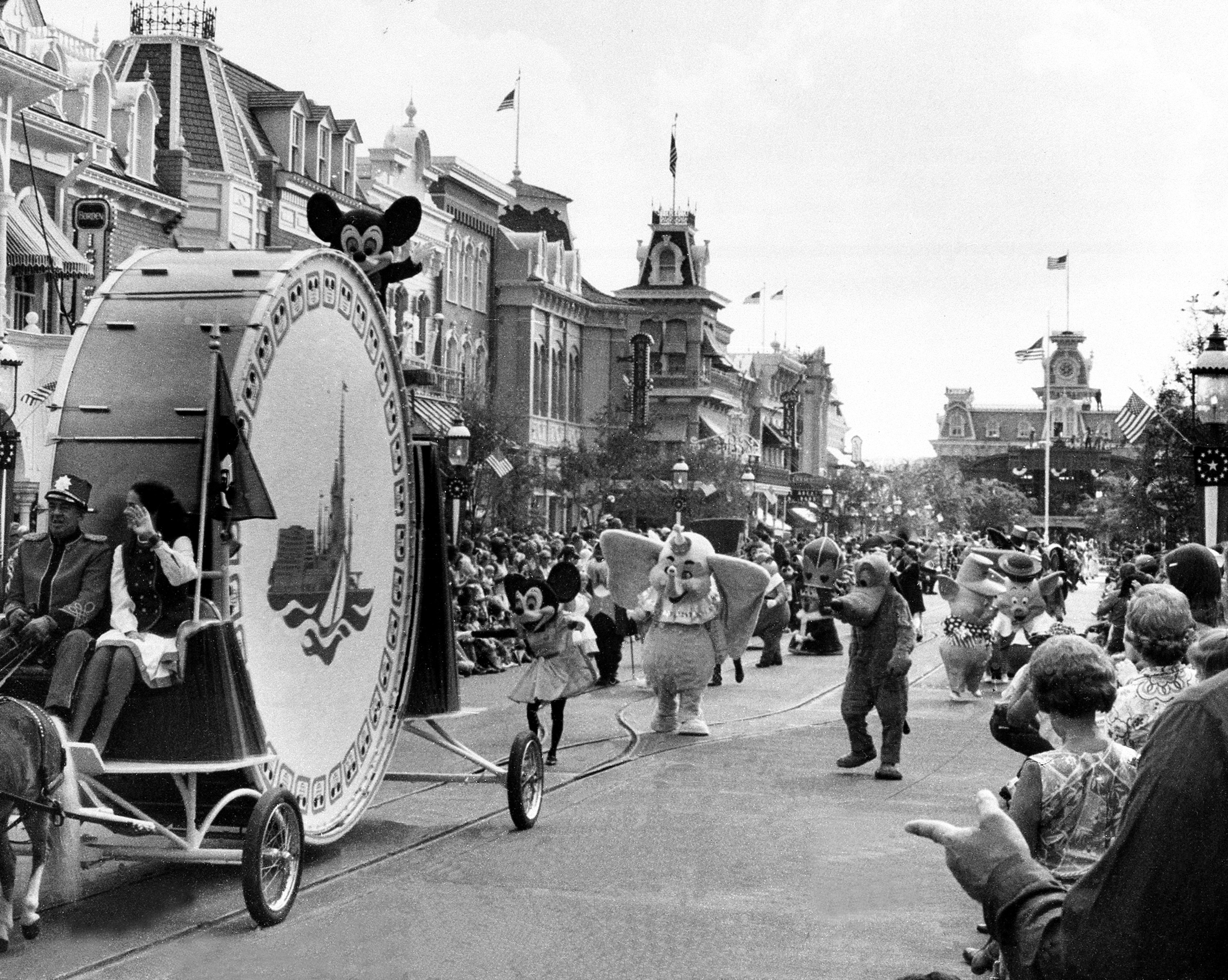
The monumental undertaking culminated in the opening of Walt Disney World Resort on October 1, 1971. This date is etched in the annals of tourism history as the day Florida was forever transformed by the magic of Disney. The initial phase of the resort featured Magic Kingdom Park, the first theme park to open. Modeled after Disneyland, Magic Kingdom offered familiar attractions alongside new ones, all designed to transport guests to a world of fantasy and adventure.
Magic Kingdom Park: The Heart of the Resort
Magic Kingdom was the anchor of Walt Disney World Resort upon its debut. Its iconic Cinderella Castle served as a beacon, drawing visitors into themed lands such as Adventureland, Fantasyland, Frontierland, Tomorrowland, and Main Street, U.S.A. The opening day crowds were immense, a testament to the pent-up anticipation for Disney‘s East Coast offering. The park’s meticulous design, attention to detail, and commitment to guest experience immediately set it apart, promising an unparalleled level of immersion and entertainment.
The Supporting Infrastructure: Hotels and Beyond
The opening of Walt Disney World Resort was not just about a theme park. The vision of a complete vacation destination necessitated the development of supporting infrastructure. At the time of the grand opening, Disney had already opened two major hotels: the Disney’s Contemporary Resort and Disney’s Polynesian Village Resort. These hotels were designed to be integral parts of the guest experience, offering themed accommodations and easy access to the theme park via the Walt Disney World Monorail System. The Disney’s Fort Wilderness Resort campgrounds also opened shortly thereafter, providing a more rustic lodging option. This integrated approach to lodging and attractions was a groundbreaking concept that would become a hallmark of Disney resorts worldwide.
The Evolution of a Tourism Powerhouse
Since its opening in 1971, Walt Disney World Resort has undergone continuous expansion and evolution. What began as a single theme park and a couple of hotels has grown into a sprawling complex encompassing four major theme parks, two water parks, numerous resort hotels, and a vast entertainment and dining district. The initial opening was merely the foundation for what would become the world’s premier vacation destination.
Subsequent Park Openings
The success of Magic Kingdom paved the way for further ambitious developments. Epcot opened its gates in 1982, offering a unique blend of futuristic innovation and international cultural experiences. Then came Disney’s Hollywood Studios (originally Disney-MGM Studios) in 1989, immersing guests in the glamour and excitement of the movies and television. The most recent addition, Disney’s Animal Kingdom Theme Park, opened in 1998, celebrating the natural world and conservation efforts. Each new park brought a distinct theme and set of attractions, broadening the appeal of Walt Disney World Resort and attracting a diverse range of visitors.
Expanding Resort Offerings
The accommodation options at Walt Disney World Resort have also grown exponentially. From the initial flagship resorts, Disney has developed a diverse portfolio of hotels catering to various budgets and preferences. These include value resorts, moderate resorts, deluxe resorts, and villas, all designed with immersive theming and a focus on convenience and service. The addition of water parks like Disney’s Typhoon Lagoon and Disney’s Blizzard Beach further enhanced the resort’s appeal as a comprehensive vacation destination, offering aquatic adventures alongside theme park thrills.
The Impact of Disney’s Florida Expansion
The arrival of Walt Disney World Resort had a profound and lasting impact on Florida, particularly the central region. What was once primarily agricultural land and swampland was transformed into a global tourism hub, creating jobs, driving economic growth, and shaping the identity of the region.
Economic Transformation of Central Florida
The economic ripple effects of Disney‘s presence are undeniable. The resort created thousands of direct and indirect jobs, ranging from park operations and hospitality to construction and retail. The influx of tourists spurred the development of supporting businesses, including hotels, restaurants, and transportation services, in the surrounding areas of Orlando and beyond. This economic boom transformed Orlando from a relatively quiet city into one of the most visited tourist destinations in the world.
A New Era of Tourism
Walt Disney World Resort set a new standard for theme park entertainment and family vacations. Its meticulous attention to detail, immersive storytelling, and commitment to creating magical experiences revolutionized the tourism industry. The resort became a benchmark against which other attractions were measured, influencing the design and operation of theme parks and resorts globally. The term “Disneyfication,” while sometimes used pejoratively, also speaks to the powerful influence of the Disney brand on the creation of immersive and memorable experiences.

The Legacy of Walt’s Dream
The opening of Walt Disney World Resort in Florida on October 1, 1971, was the realization of Walt Disney‘s final grand vision. It stands as a testament to his innovative spirit and his profound understanding of entertainment and human connection. From its humble beginnings as a vast tract of undeveloped land, Walt Disney World Resort has blossomed into an unparalleled global destination, continuing to inspire wonder and create cherished memories for millions of visitors each year. The legacy of that opening day continues to resonate, defining Florida as a premier destination for magical escapes and unforgettable adventures.
LifeOutOfTheBox is a participant in the Amazon Services LLC Associates Program, an affiliate advertising program designed to provide a means for sites to earn advertising fees by advertising and linking to Amazon.com. Amazon, the Amazon logo, AmazonSupply, and the AmazonSupply logo are trademarks of Amazon.com, Inc. or its affiliates. As an Amazon Associate we earn affiliate commissions from qualifying purchases.