
The Genesis of a Dream: Walt Disney’s Vision for the East Coast
The story of Walt Disney World Resort begins not in the sun-drenched landscapes of Florida, but in the creative mind of its visionary founder, Walt Disney. Following the unparalleled success of Disneyland Park in Anaheim, California, Walt recognized the limitations of his original park and the vast, untapped potential for a larger, more comprehensive entertainment complex. While Disneyland was a masterpiece of theme park design, its relatively small footprint and the challenges of managing its explosive popularity, particularly for attendees traveling from the Eastern United States, sparked a new ambition. Walt envisioned a destination that would offer not just rides and attractions, but an immersive experience encompassing entertainment, hospitality, and even a functioning community.
The Search for the Ideal Location
The quest for the perfect site for this ambitious undertaking was a critical and lengthy process. Walt, along with his trusted associates, scoured the country for a location that possessed a unique confluence of desirable attributes. Proximity to a major metropolitan area for accessibility, a substantial landmass to accommodate future expansion, a favorable climate, and crucially, the availability of large tracts of land that could be acquired discreetly to avoid speculative price increases were all paramount. After extensive reconnaissance, Florida emerged as the frontrunner. The state offered a warm climate suitable for year-round operation, ample undeveloped land, and a strategic location that could draw visitors from the Eastern Seaboard and beyond.
The “Florida Project” Takes Shape
The initiative, initially known internally as the “Florida Project,” was shrouded in secrecy. The Disney organization meticulously acquired over 27,000 acres of land in central Florida, primarily in Orange and Osceola counties, through a complex network of dummy corporations. This strategy was essential to prevent land speculation and to secure the vast expanse needed for Walt’s grand design. The land, largely swampland and orange groves at the time, was a blank canvas awaiting transformation. Walt’s vision extended far beyond a simple theme park; he envisioned a self-contained resort community featuring multiple theme parks, hotels, shopping districts, recreational facilities, and even a research and development center. This was to be a place where families could stay for extended periods, immersed in a world of fantasy and wonder.
The Grand Opening: Magic Kingdom and the Inaugural Day
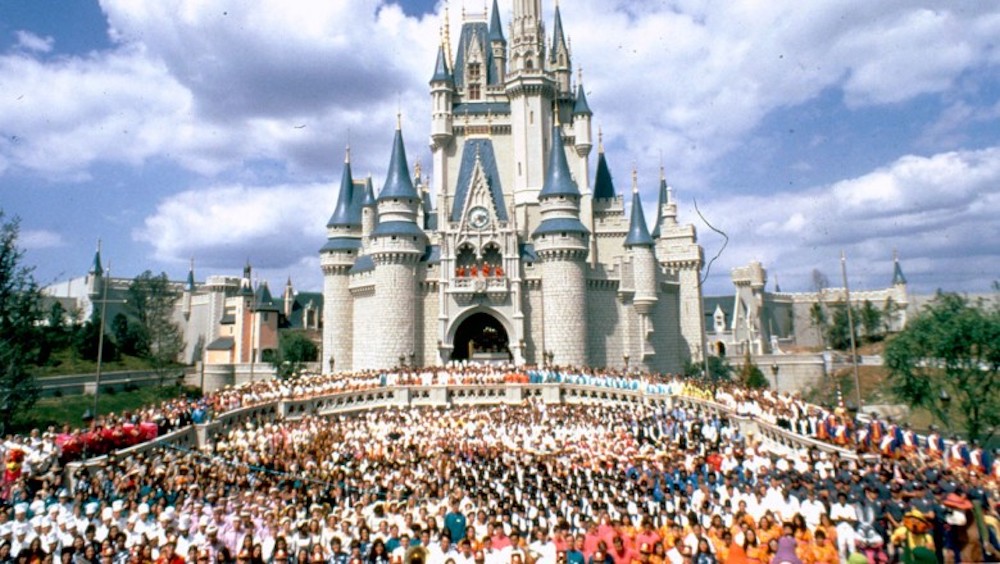
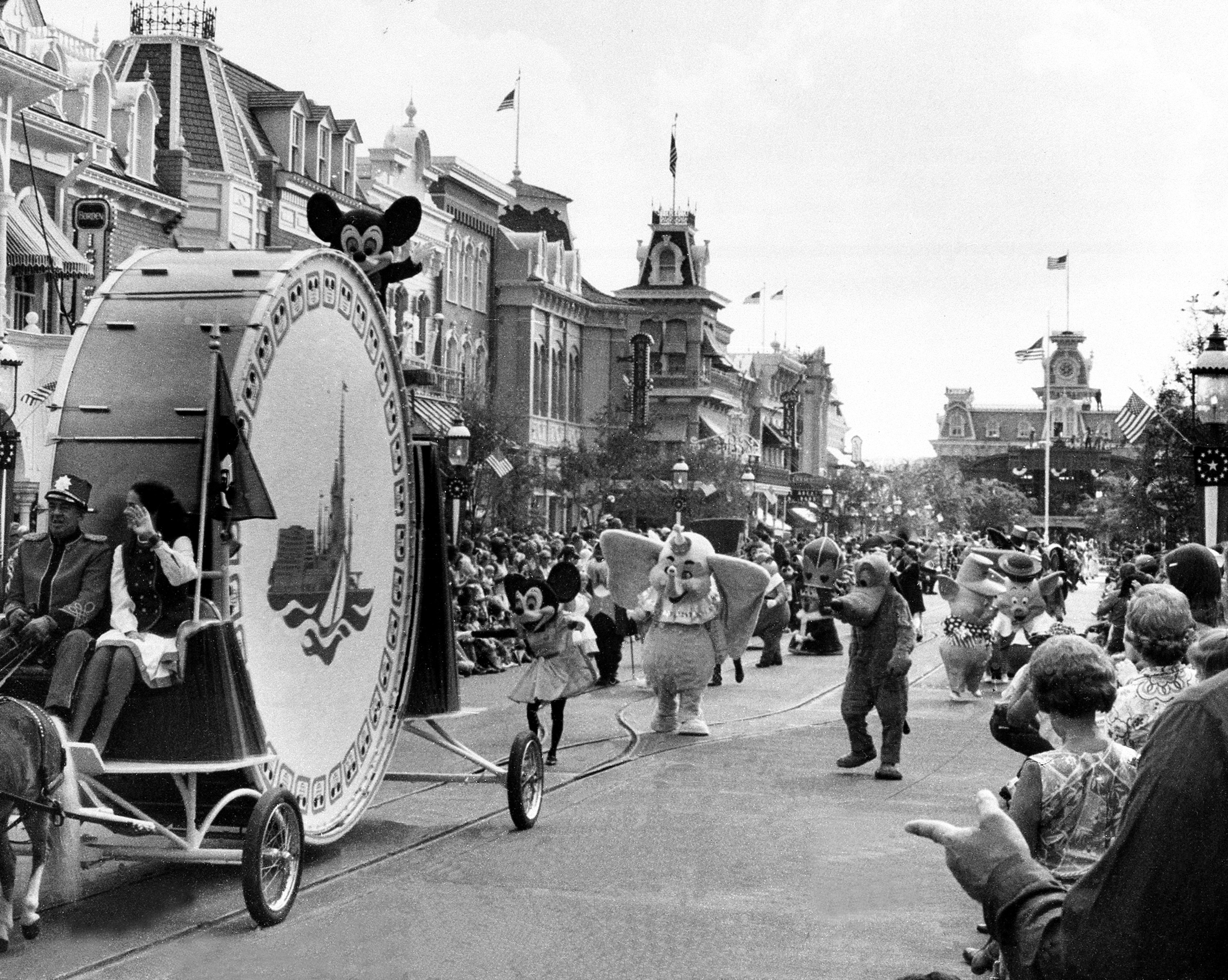
After years of meticulous planning, design, and construction, the moment of truth arrived. Walt Disney World Resort officially opened its gates to the public on October 1, 1971. The park that welcomed the first wave of eager visitors was Magic Kingdom Park, a deliberate echo of Disneyland Park but designed with innovations and expanded capacity to cater to the anticipated throngs. The opening day was a monumental event, attended by dignitaries, media, and thousands of excited guests, all eager to experience the magic that Walt Disney had promised.
The First Cast Members and the Initial Experience
The employees of Walt Disney World Resort are known as “Cast Members,” a testament to the theatrical nature of the guest experience. On October 1, 1971, these dedicated individuals donned their costumes and stepped onto the stages of Magic Kingdom Park to bring the magic to life. The initial offerings at Magic Kingdom Park included many iconic attractions that remain beloved today, such as “Cinderella’s Castle,” “Pirates of the Caribbean,” “Haunted Mansion,” and “It’s a Small World.” The park was divided into distinct “lands,” each offering a unique thematic immersion, mirroring the successful structure of its California predecessor but with enhanced scale and technological advancements for the era.
The Initial Footprint: More Than Just a Theme Park
While Magic Kingdom Park was the undeniable star of the opening day, it was merely the first phase of Walt Disney World Resort’s grand design. The resort was conceived as a comprehensive vacation destination. On opening day, two of the three planned hotels were also ready to welcome guests: the Disney’s Contemporary Resort and the Disney’s Polynesian Village Resort. These hotels were not just places to sleep; they were designed to be integral parts of the immersive experience, each with its own unique theme and amenities. The “Tri-Circle-D Ranch” (now known as Tri-Circle-D Ranch) also provided equestrian activities, further enhancing the resort’s offering beyond the theme park. The intention was clear: to create a destination where guests could arrive and stay for days, exploring all that the burgeoning resort had to offer.
Evolution and Expansion: A Growing Empire
The opening of Walt Disney World Resort on October 1, 1971, marked the beginning of an extraordinary journey of growth and innovation. The success of Magic Kingdom Park and its associated hotels quickly validated Walt Disney’s audacious vision. The subsequent decades have seen the resort evolve into a world-renowned vacation destination, expanding its theme park portfolio, lodging options, and entertainment experiences to cater to an ever-growing global audience.
The Birth of Epcot and Beyond
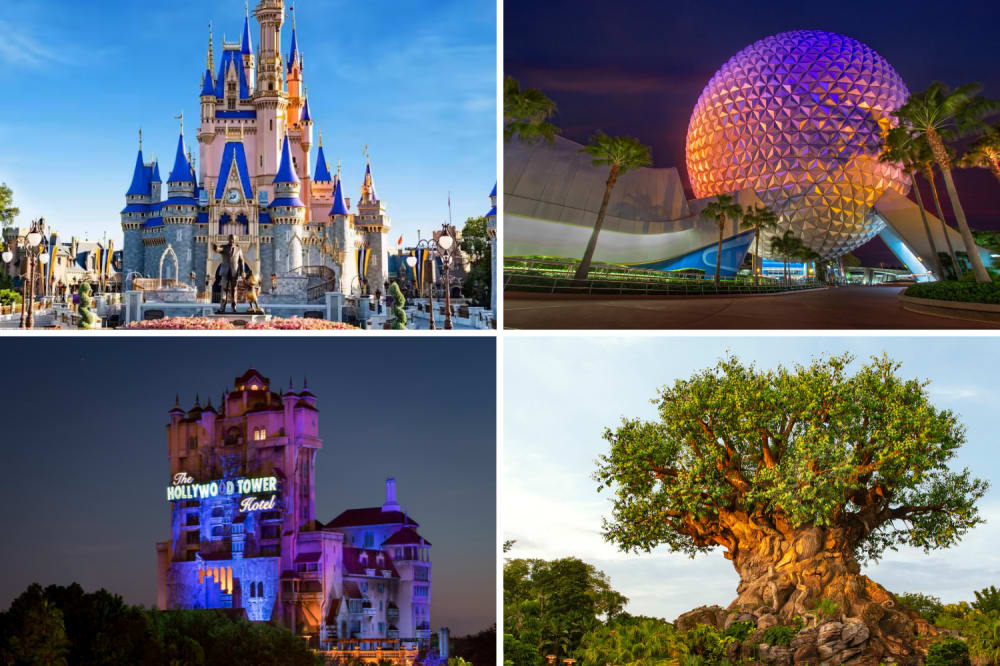
Following the phenomenal success of Magic Kingdom Park, the Walt Disney Company continued to bring Walt’s vision to fruition. The second theme park to open at Walt Disney World Resort was Epcot, which debuted on October 1, 1982. Originally envisioned by Walt as an “Experimental Prototype Community of Tomorrow,” Epcot was re-imagined into a park dedicated to celebrating human achievement and technological innovation, alongside international culture and cuisine through its iconic World Showcase. This expansion demonstrated a commitment to diversifying the park offerings and appealing to a broader range of interests, from educational exploration to global travel experiences.
Adding More Worlds of Wonder
The expansion continued with the opening of Disney’s Hollywood Studios (originally Disney-MGM Studios) on May 1, 1989, which brought the glamour and excitement of the movie industry to life. This park further diversified the resort’s appeal, offering immersive experiences based on popular films and television shows. The most recent major theme park addition, Disney’s Animal Kingdom Theme Park, opened its gates on April 22, 1998. This park is a unique blend of theme park attractions and a zoological park, focusing on animal conservation and the natural world, showcasing a commitment to environmental awareness and education alongside entertainment.
Accommodations and Entertainment Evolution
Beyond the theme parks, the resort’s lodging and entertainment options have also undergone significant expansion and evolution. From the initial two hotels, Walt Disney World Resort now boasts over two dozen distinct resort hotels, ranging from value-friendly accommodations to luxurious deluxe properties. Each resort is meticulously themed, offering guests a unique immersive experience that extends beyond the theme parks. Furthermore, the resort has continuously introduced new entertainment offerings, including water parks like Disney’s Typhoon Lagoon and Disney’s Blizzard Beach, live entertainment venues, themed dining experiences, and spectacular nighttime shows, ensuring that each visit offers something new and enchanting for every guest.
Legacy and Enduring Appeal
The opening of Walt Disney World Resort on October 1, 1971, was more than just the inauguration of a theme park; it was the realization of a profound vision that continues to shape the landscape of family entertainment and leisure. The resort has become a global icon, synonymous with magic, imagination, and unparalleled guest experiences. Its enduring appeal lies in its ability to transport guests to worlds of fantasy, to create lasting memories, and to provide a sanctuary from the everyday.
A Beacon of Innovation and Storytelling
From its inception, Walt Disney World Resort has been at the forefront of innovation in theme park design, storytelling, and guest service. The commitment to detail, the meticulous craftsmanship, and the dedication to immersive experiences have set a benchmark for the entire industry. The continuous introduction of new attractions, technological advancements, and creative storytelling ensures that the resort remains fresh, relevant, and captivating for new generations of visitors. The legacy of Walt Disney lives on in every meticulously crafted detail, every enchanting performance, and every joyful smile that graces the parks.
The Economic and Cultural Impact
The impact of Walt Disney World Resort extends far beyond the realm of entertainment. Since its opening in 1971, the resort has become a significant economic engine for the state of Florida and the surrounding communities. It has created hundreds of thousands of jobs, spurred development, and attracted millions of visitors annually, contributing billions of dollars to the local and state economy. Culturally, it has become a touchstone for many families, a place where traditions are forged and cherished memories are made. The resort’s ability to consistently draw crowds from across the globe underscores its status as a premier global destination and a testament to the enduring power of its unique brand of magic. The question of “When Did Disney World Florida Open?” is not just a historical query, but a gateway to understanding the genesis of a global phenomenon.
LifeOutOfTheBox is a participant in the Amazon Services LLC Associates Program, an affiliate advertising program designed to provide a means for sites to earn advertising fees by advertising and linking to Amazon.com. Amazon, the Amazon logo, AmazonSupply, and the AmazonSupply logo are trademarks of Amazon.com, Inc. or its affiliates. As an Amazon Associate we earn affiliate commissions from qualifying purchases.