
The arrival of summer in Florida is often anticipated with great excitement, not just for the promise of sunshine and beach days, but also for the opportune timing it presents for a plethora of travel and leisure activities. Understanding the exact end dates for the academic year across the Sunshine State is crucial for families planning their vacations, theme park visits, and other memorable experiences. Florida’s diverse educational landscape, encompassing public, private, and charter schools, each with varying calendars, means a single definitive answer is elusive. However, by examining general trends and the typical academic year structure, one can effectively map out when Florida schools officially usher in the summer break, unlocking a season of boundless opportunity for exploration and enjoyment across this vibrant state.
Understanding Florida’s Academic Calendar Structure
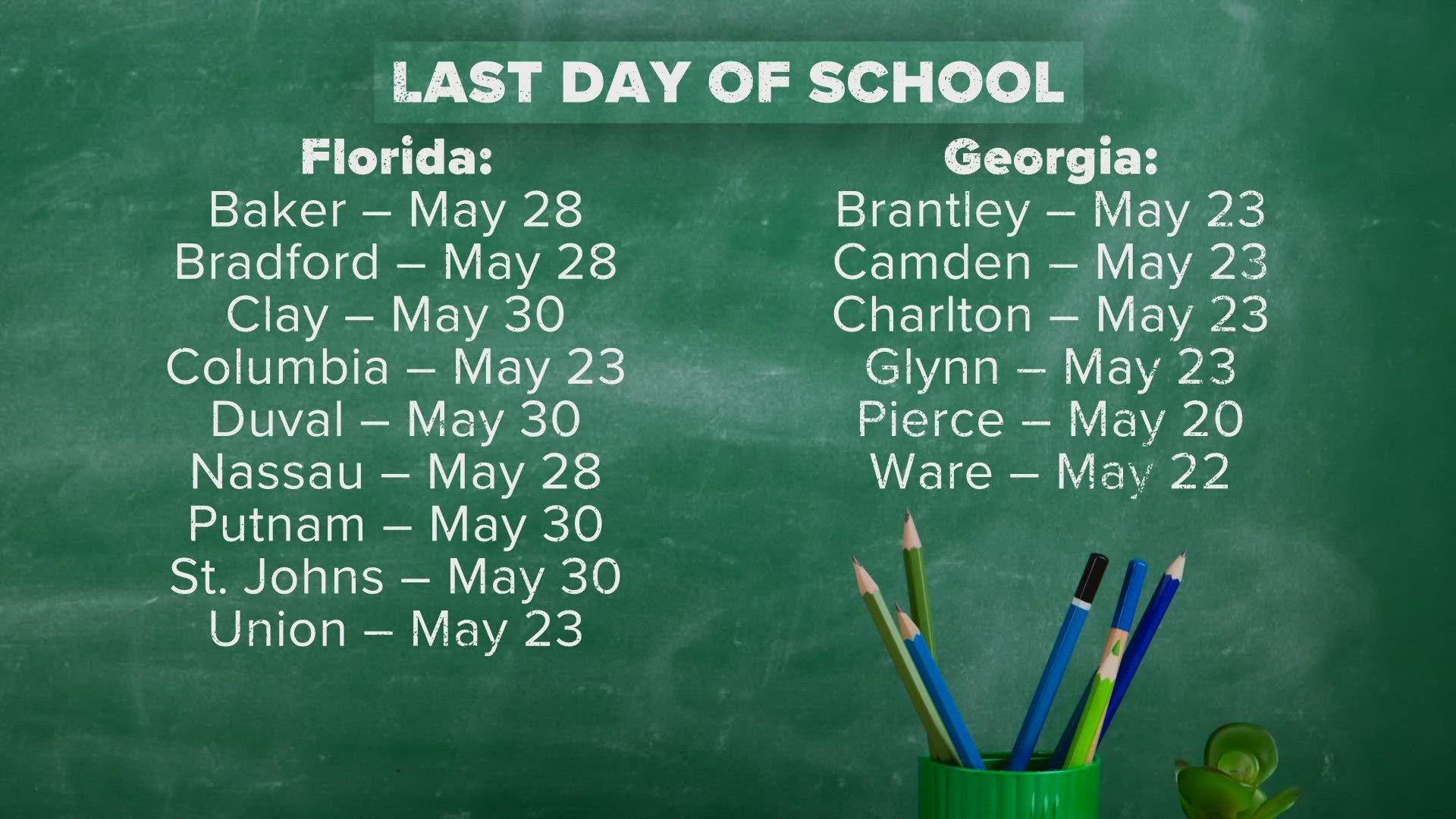
Florida’s educational system is largely decentralized, with each of the 67 public school districts setting its own academic calendar, subject to state guidelines. This means that the exact last day of school can vary from one county to another. Private and charter schools, while often mirroring public school schedules for convenience and family alignment, also possess the autonomy to establish their own unique academic calendars. This variation is primarily driven by differing approaches to teacher workdays, professional development, holiday breaks, and the total number of instructional days required by the state. The Florida Department of Education mandates a minimum of 180 school days per academic year, but the distribution of these days, including the final bell for summer vacation, is determined at the district or institutional level.
Public School District Variations
The vast majority of children in Florida attend public schools, and it is within this sector that the most significant variations in summer break commencement dates are observed. While most public school districts aim to conclude their academic year in late May or early June, the precise date is often influenced by factors such as the start date of the school year and the scheduling of breaks throughout the year. Some districts might opt for an earlier start in August, allowing for an earlier summer vacation, while others might begin in late August or early September, pushing the end of the school year into mid-June. This scheduling is often a careful balance to accommodate state testing windows, seasonal holidays, and the overall instructional day requirement. For travelers targeting specific regions or attending events tied to school schedules, diligent research into the individual school district’s calendar is paramount. For instance, families looking to visit Orlando and take advantage of the theme parks before the peak summer crowds and prices, might find early June to be a sweet spot, as many public schools will have already concluded by then.
Private and Charter School Autonomy
While private and charter schools in Florida often align their calendars with the public school system to simplify arrangements for families with children in different types of institutions, they are not bound by the same district-level mandates. This allows for greater flexibility in their scheduling. Some private schools might choose a slightly earlier or later end date to the school year, perhaps to extend spring break or to accommodate specific curriculum or religious observances. Charter schools, too, can leverage their independent status to design calendars that best suit their educational model and student population. However, for the general traveler, the differences are often marginal, with most private and charter schools also concluding their academic year in the May-June window. This general convergence of end dates still makes the late May and early June period a transitionary phase, where school-related crowds begin to shift.
Maximizing Summer Travel Opportunities
The conclusion of the school year in Florida marks the beginning of peak travel season. With millions of students and families freed from academic obligations, the state’s numerous attractions, from its world-renowned theme parks to its pristine beaches, experience a significant surge in visitors. Understanding when schools let out is therefore a critical piece of information for anyone looking to plan a vacation, whether they are seeking to avoid the densest crowds or to fully immerse themselves in the summer vacation spirit.
Theme Park Strategies and Summer Access
Florida is synonymous with world-class theme parks, drawing millions of visitors annually. For families planning a trip to destinations like Walt Disney World Resort or Universal Orlando Resort, knowing the school end dates is a strategic advantage. The period immediately following the last day of school typically sees an initial influx of visitors. However, many families try to squeeze in trips just before the absolute end of the school year to take advantage of slightly thinner crowds and potentially more favorable pricing. Conversely, the weeks leading up to the end of May can still offer a reprieve from the most intense summer vacation crowds. For those who don’t mind a bit of company and are eager for the full summer experience, the weeks of June and July are the prime time. Planning around the specific end dates of major school districts in the areas surrounding these parks, such as Orange County Public Schools or Osceola County School District, can help fine-tune travel dates for optimal park enjoyment. Booking accommodations and park tickets well in advance is always advisable during this busy period.
Coastal Escapes and Beach Season
Florida’s extensive coastline, from the Gulf Coast to the Atlantic Coast, becomes a magnet for vacationers as soon as schools let out. Cities like Miami, Fort Lauderdale, Tampa, and St. Petersburg see a substantial increase in tourism. While the desire for beach time is year-round for many, the end of the school year signals the official start of the summer beach vacation for families. This means that beach towns and their associated resorts, hotels, and vacation rentals, such as those found in Clearwater Beach or on the Florida Keys, will experience peak occupancy. For those seeking a more tranquil beach experience, the shoulder seasons, just before and immediately after the main school break, might be more appealing. However, for those who embrace the vibrant, lively atmosphere of a quintessential summer beach vacation, the period from late May through August is the quintessential time to visit.
Educational and Cultural Excursions
Beyond the theme parks and beaches, Florida offers a rich tapestry of educational and cultural experiences. Museums, historical sites, and natural attractions also see a rise in visitors as schools conclude. Trips to places like the Everglades National Park, the Kennedy Space Center Visitor Complex, or the historical streets of St. Augustine become popular family outings. The end of the school year allows children to engage with these destinations in a more relaxed, experiential way, often enhancing their learning outside the classroom. Many of these institutions also offer special summer programming, camps, and events designed to engage young visitors during their break. Planning these excursions for the early part of summer, immediately after school concludes, can sometimes offer a slightly less crowded experience before the absolute peak of July vacationers arrives.
Planning Your Florida Summer Itinerary
Effective planning is key to a successful and enjoyable summer trip to Florida, especially when navigating the influx of visitors that coincides with the end of the academic year. By staying informed about school schedules and understanding the resulting travel patterns, individuals and families can make strategic decisions that align with their desired pace and budget.
Early Summer: The Sweet Spot
For many, the period immediately following the last day of school in late May and early June represents the “sweet spot” for Florida travel. School districts across the state typically wrap up their academic year within this timeframe. This means that while the summer vacation has officially begun, the absolute peak of tourist crowds, which often swells in July, has yet to fully materialize. This window offers a favorable balance: warm weather, access to all summer attractions, and a slightly less frenetic atmosphere than what is typically experienced later in the season. Destinations like Key West and the numerous coastal towns along both the Gulf and Atlantic shores are particularly appealing during this time.
Mid-Summer: Peak Season Dynamics
As June progresses into July, Florida enters its peak summer travel season. By this point, nearly all schools will have concluded their academic terms, leading to a significant increase in visitor numbers across the state. Theme parks will be at their most crowded, and popular beach destinations will be bustling. This period is ideal for travelers who thrive in a lively atmosphere and are prepared for longer wait times and higher prices. It is essential to book accommodations, rental cars, and any time-sensitive attractions or tours well in advance. Many resorts and hotels, such as the Ritz-Carlton, Amelia Island, offer special summer packages that can provide value during this high-demand period.
Late Summer: Transition and Value
The tail end of summer, typically extending into late August, can offer a transitionary period with potential for both value and a slightly less crowded experience. As some families begin to prepare for the upcoming school year, or as the intense heat of mid-summer subsides slightly, visitor numbers may begin to decrease. While schools in some southern parts of the state may still be on break, many northern and central districts will be gearing up for their reopening. This can sometimes translate into slightly better availability and more competitive pricing for flights and accommodations. It’s a prime time for those seeking a final summer getaway before the academic year officially resumes for most. Attractions like Busch Gardens Tampa Bay might offer special “back to school” promotions.
Beyond the Calendar: Factors Influencing Travel Decisions
While the end of the school year is a primary driver for summer travel in Florida, several other factors can influence the timing and nature of a visit. These include weather patterns, specific events, and personal preferences for avoiding or embracing crowds.
Florida Weather and Summer Conditions
Summer in Florida is characterized by high temperatures, significant humidity, and the frequent occurrence of afternoon thunderstorms. The period immediately after schools let out in late May and early June often coincides with the beginning of the rainy season. While these storms are typically brief, they can impact outdoor activities. As the summer progresses into July and August, the heat and humidity intensify. Travelers planning their trips should factor these weather conditions into their itinerary, perhaps prioritizing indoor attractions during the hottest parts of the day or planning outdoor activities for the cooler mornings and evenings. The consistent warm weather, however, ensures that swimming and water-based activities are always a viable option, regardless of the specific end date of the school year.
Major Events and Local Festivals
Florida hosts a myriad of events and festivals throughout the summer months, many of which are timed to coincide with the school holiday period. From the Florida Strawberry Festival (though typically in spring, smaller harvest festivals can occur) to various music festivals, art fairs, and community celebrations in cities like Jacksonville or Sarasota, these events add another layer of planning consideration. Some travelers may specifically target these events, which can influence their travel dates. Conversely, some may choose to avoid areas experiencing major events due to anticipated crowd congestion and higher accommodation rates. Researching local event calendars for the specific dates of travel is a valuable addition to understanding when Florida schools get out for summer, as these events often draw a significant number of visitors.

Personal Travel Preferences
Ultimately, the ideal time to visit Florida during the summer hinges on personal travel preferences. For families with children, the synchronized end of the school year provides a clear window for a unified vacation. For couples or solo travelers, the decision might lean towards avoiding the busiest periods, potentially opting for the fringes of the summer season. Those seeking the quintessential high-energy summer vacation experience will find late June and July to be the most vibrant. Conversely, individuals prioritizing a more relaxed and potentially cost-effective trip might find late May, early June, or late August to be more suitable. The freedom from academic schedules allows for flexibility, but understanding the broader implications of when Florida schools get out for summer empowers travelers to make the most informed choices for their unique Florida adventure.
LifeOutOfTheBox is a participant in the Amazon Services LLC Associates Program, an affiliate advertising program designed to provide a means for sites to earn advertising fees by advertising and linking to Amazon.com. Amazon, the Amazon logo, AmazonSupply, and the AmazonSupply logo are trademarks of Amazon.com, Inc. or its affiliates. As an Amazon Associate we earn affiliate commissions from qualifying purchases.