
Florida’s coastlines are renowned for their pristine beaches and vibrant marine life, and a significant part of this allure is the annual nesting and hatching of sea turtles. For many travelers, witnessing this natural spectacle is a bucket-list experience. Understanding the timing of these events is crucial for anyone hoping to encounter these ancient mariners on their journey from nest to sea. The sea turtle nesting season in Florida officially begins on March 1st and runs through October 31st. However, hatching typically occurs later in the season, usually from mid-June through the end of October, with peak activity often observed in August and September.
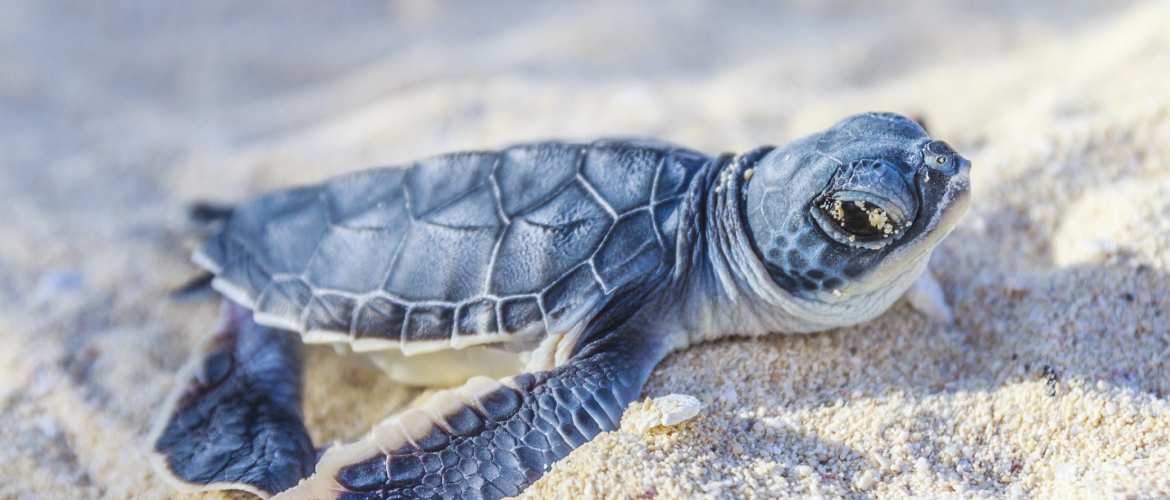
The specific timing can vary based on the species of sea turtle, as well as localized environmental factors like sand temperature and beach conditions. While the nesting period is lengthy, the incubation period for sea turtle eggs is remarkably consistent, averaging around 45 to 70 days. This means that turtles that nest in early May will typically hatch in late July or early August, and those nesting later in the summer will hatch towards the end of the season.
Understanding the Sea Turtle Life Cycle in Florida
The journey of a sea turtle begins long before a hatchling emerges from the sand. Female sea turtles undertake an incredible migration, often traveling hundreds or even thousands of miles, to return to the same beaches where they themselves hatched decades prior. This homing instinct is one of the most fascinating aspects of their biology.
Nesting Season: The Prelude to Hatching
The nesting season in Florida is a critical period where female sea turtles come ashore, usually under the cover of darkness, to dig nests and lay their precious clutch of eggs. Different species have slightly different nesting preferences and timing, but generally, the months of May and June are when most nesting activity occurs.
- Loggerhead Sea Turtles: These are the most common nesters in Florida, with their nesting season typically starting in early May and extending through August. Their eggs, like those of other species, incubate for a considerable period.
- Green Sea Turtles: While also nesting in Florida, green sea turtles tend to nest later in the season, usually from June through September.
- Leatherback Sea Turtles: These giants are the earliest nesters, with their season beginning as early as March and continuing through July. However, their hatchings will occur later in the summer.
- Kemp’s Ridley Sea Turtles: Although not as common in Florida as other species, they do nest here, typically from April to July.
The nesting process itself is a strenuous endeavor for the female turtles. She will crawl beyond the high tide line, using her flippers to excavate a deep, flask-shaped nest cavity. She then lays an average of 100 to 120 eggs, which resemble leathery golf balls. After covering the nest meticulously to camouflage it from predators, she returns to the ocean, leaving the hatchlings to fend for themselves.
Incubation: The Waiting Game
Once the eggs are laid, the incubation process begins. The temperature of the sand plays a crucial role in the development of the embryos and, remarkably, determines the sex of the hatchlings. Warmer temperatures tend to produce more females, while cooler temperatures result in more males. This phenomenon, known as temperature-dependent sex determination, makes sea turtle populations particularly vulnerable to climate change.
The incubation period lasts approximately 45 to 70 days, depending on the species and the ambient sand temperature. During this time, the eggs are entirely dependent on the environmental conditions of the nesting beach. Beaches with stable sand temperatures, minimal human disturbance, and protection from predators are vital for successful incubation.
Peak Hatching Times and Locations
As the incubation period draws to a close, the hatchlings begin their arduous journey to the surface. This usually occurs during the cooler hours of the night, which offers them a better chance of survival from predators. The hatching process is a coordinated effort, with the hatchlings using a temporary, sharp tooth-like protrusion on their beaks, called a caruncle, to break free from their shells.
The Hatching Frenzy
Once the hatchlings emerge from their nests, they instinctively orient themselves towards the brightest horizon, which is typically the moonlit ocean. This is a critical moment, as they must quickly make their way to the water to begin their lives in the vast expanse of the sea. The hatching process can take several nights, with waves of hatchlings emerging from a single nest.
The peak hatching period in Florida generally falls between mid-June and the end of August. However, depending on when the nesting occurred and the incubation duration, hatchlings can be seen emerging throughout the summer and into the early fall. Beaches along the Atlantic coast, from Jacksonville to the Florida Keys, are prime locations for sea turtle nesting and subsequent hatching.
- Atlantic Coast: Areas like the Space Coast (including Brevard County), Palm Beach County, and St. Johns County are particularly important nesting grounds for loggerheads and green sea turtles.
- Gulf Coast: While the Atlantic coast is more prominent for nesting, the Gulf Coast also sees nesting activity, especially in counties like Lee County and Collier County, primarily by loggerheads.
The emergence of hundreds, sometimes thousands, of tiny hatchlings from a single nest is a breathtaking natural phenomenon, a testament to the resilience and enduring cycle of life.
Factors Influencing Hatching Success
Several factors can influence the success rate of sea turtle hatching. Human activity on beaches, such as the use of beachfront lighting, can disorient hatchlings, leading them away from the ocean and towards roads or developed areas where they are vulnerable to predation and vehicular traffic. Light pollution is a significant threat that has led to regulations on beachfront lighting during nesting season.

Artificial lights can cause hatchlings to crawl inland, where they face dehydration, predation, and death. Organizations and coastal communities in Florida work diligently to educate the public and implement measures like directing beachfront lighting away from the sand and using turtle-friendly lighting ordinances.
Environmental factors also play a role. Extreme weather events, such as hurricanes or prolonged periods of unusually high or low temperatures, can impact nest viability. Nest inundation by high tides, erosion, and predators like raccoons and birds can also reduce hatching success.
How to Responsibly Observe Sea Turtle Hatching
For visitors eager to witness this incredible event, responsible observation is paramount. The primary goal is to ensure that human presence does not negatively impact the turtles.
Best Practices for Observation
The most effective way to observe hatching is through guided programs organized by local wildlife conservation groups or government agencies. These programs are led by trained professionals who understand the delicate nature of the process and can guide participants safely and ethically.
- Join a Guided Tour: Many organizations offer nighttime turtle walks during the nesting and hatching seasons. These tours provide an opportunity to learn about sea turtles from experts and, with luck, witness nesting or hatching. Remember that sightings are not guaranteed, as nature is unpredictable.
- Respect Wildlife Regulations: Florida has strict laws protecting sea turtles and their nests. It is illegal to disturb nesting turtles, nests, or hatchlings. This includes touching, blocking their path, or using flash photography.
- Minimize Beach Impact: If you are visiting a beach known for sea turtle activity, be mindful of your presence. Avoid building large sandcastles or digging deep holes near dunes, as these can hinder nesting females and emerging hatchlings.
- Turn Off Beachfront Lights: If you are staying in beachfront accommodations, ensure all lights visible from the beach are turned off or shielded during nesting season (March 1st to October 31st). This applies to porch lights, security lights, and even flashlights. If you must use a light, opt for a red-filtered one, as sea turtles are less sensitive to red light.
- Properly Dispose of Trash: Litter on beaches can be a hazard for sea turtles. Plastic bags, for example, can be mistaken for jellyfish and ingested.
When and Where to Look
While organized tours are the best bet for a guided experience, those staying in coastal areas may have an opportunity to witness hatching if they are particularly fortunate and observant.
- Timing: Hatching typically occurs between dusk and dawn, with the cooler night hours being more favorable. Look for tell-tale signs of disturbed sand, often resembling a trail of tiny tracks leading from a nest.
- Locations: Beaches along the Atlantic coast of Florida, particularly in areas with established sea turtle conservation programs like the Space Coast (e.g., Cocoa Beach, Melbourne Beach), Palm Beach County, and St. Johns County, are prime spots.
Remember that the primary purpose of your visit should be to enjoy the natural beauty of Florida while respecting its wildlife. The chance to see a sea turtle hatchling is a rare and special privilege, and contributing to their protection ensures that future generations can experience this wonder.
Educational Opportunities and Conservation Efforts
The fascination with sea turtle hatching extends beyond mere observation; it fuels a significant conservation movement dedicated to protecting these endangered species. Florida is at the forefront of these efforts, with numerous organizations working to ensure the survival of sea turtles.
Conservation Organizations and Initiatives
Several non-profit organizations, university research programs, and state and federal agencies are actively involved in sea turtle conservation in Florida. These groups engage in a variety of activities, including:
- Beach Patrols: Volunteers and researchers patrol nesting beaches during the season to identify, mark, and protect nests from threats. They monitor nesting activity, record data, and relocate nests in danger from erosion or human activity.
- Hatchling Rescue: When hatchlings become disoriented or are found in dangerous situations, conservationists are often on hand to rescue and release them into the ocean.
- Research and Monitoring: Scientists study sea turtle populations, migration patterns, and reproductive success to inform conservation strategies. This includes tracking nesting trends and understanding the impacts of environmental changes.
- Public Education and Outreach: Raising public awareness about the challenges sea turtles face and the importance of their conservation is a key focus. Educational programs, workshops, and public events help to foster a sense of stewardship.
- Legislation and Policy: Efforts are made to advocate for and enforce protective legislation, such as the Endangered Species Act and state-specific regulations regarding coastal development and lighting.
Notable organizations and initiatives operating in Florida include the Sea Turtle Conservancy, various university marine biology departments, and local rescue and rehabilitation centers. Participating in volunteer opportunities or donating to these organizations is a direct way to contribute to sea turtle conservation.

Learning More About Sea Turtles
For travelers interested in deepening their understanding, many coastal communities in Florida offer educational centers and museums dedicated to marine life, including sea turtles.
- Loggerhead Marinelife Center: Located in Juno Beach, this center is a leading sea turtle hospital and research facility. It offers educational programs, exhibits, and opportunities to see rehabilitating sea turtles.
- Various Aquariums and Marine Centers: Many aquariums across Florida, such as the Florida Aquarium in Tampa and the Mote Marine Laboratory & Aquarium in Sarasota, provide excellent insights into the lives of sea turtles and other marine creatures.
By engaging with these educational resources and supporting conservation efforts, visitors can transform their interest in sea turtle hatching into a meaningful contribution to the preservation of these magnificent creatures. Witnessing a hatching event is not just a natural spectacle; it’s a potent reminder of the delicate balance of our ecosystems and our shared responsibility to protect them.
LifeOutOfTheBox is a participant in the Amazon Services LLC Associates Program, an affiliate advertising program designed to provide a means for sites to earn advertising fees by advertising and linking to Amazon.com. Amazon, the Amazon logo, AmazonSupply, and the AmazonSupply logo are trademarks of Amazon.com, Inc. or its affiliates. As an Amazon Associate we earn affiliate commissions from qualifying purchases.