
As the vibrant sunshine of the Sunshine State beckons travelers and residents alike, understanding the rhythm of its civic life, particularly concerning education, can offer a unique perspective. For those planning visits, considering educational programs, or simply seeking a deeper understanding of Florida‘s operational cadence, knowing when school legislation typically commences is crucial. This exploration delves into the typical timelines and influencing factors that shape the start of legislative sessions pertinent to Florida‘s educational framework.
The Annual Legislative Calendar in Florida
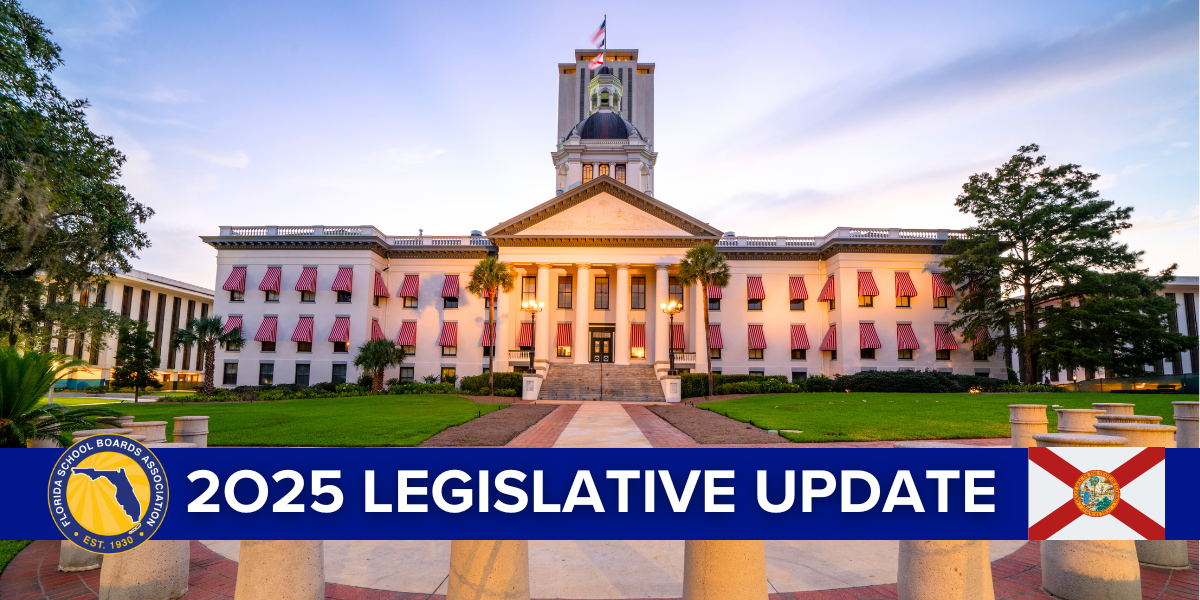
Florida operates under a distinct legislative calendar, with its legislative sessions occurring annually. The primary session is constitutionally mandated to begin on the first Tuesday after the first Monday in March and conclude on the second Friday in May. However, special sessions can be called by the Governor at any time for specific urgent matters, though these are less common for broad legislative overhauls.
The Regular Legislative Session
The annual legislative session is the main period when bills are introduced, debated, amended, and voted upon. This includes legislation impacting education, which is a significant area of focus for the Florida Legislature. Understanding this timeframe is key for anyone looking to influence or track educational policy changes, from kindergarten through higher education.
The Committee Weeks
Leading up to the regular legislative session, Florida legislators engage in “committee weeks.” These are periods when legislative committees meet to review proposed bills, hold hearings, and gather information. While not the official start of the legislative session, committee weeks are critical for shaping the legislative agenda and can be seen as an early indicator of what educational topics will be addressed. These typically begin in the fall preceding the legislative year.
Budgetary Considerations
A significant portion of the legislative session is dedicated to the state budget. The Florida budget process is intricate, and educational funding is a substantial component. Decisions made during the legislative session directly impact school districts, state universities, and other educational institutions across Florida. The budget must be finalized and passed by the end of the session in May.
Factors Influencing Education Legislation Start Dates
While the general calendar provides a framework, the specific initiation of education-related legislation is influenced by several dynamic factors. These include gubernatorial priorities, the outcomes of interim committee work, and pressing societal needs that emerge throughout the year.
Gubernatorial Priorities and Initiatives
The Governor of Florida plays a pivotal role in setting the legislative agenda. If education is a key focus of the current administration, initiatives related to school choice, curriculum reform, teacher pay, or school safety might be prioritized for introduction early in the legislative session. The Governor’s proposed budget also often signals their educational priorities.
Federal Mandates and Funding
Changes in federal education policy or funding can necessitate legislative action in Florida. For instance, shifts in federal grant programs or new mandates from the U.S. Department of Education might require the state to align its own laws and regulations. These often trigger a more rapid response from the legislature, potentially leading to the introduction of relevant bills outside the typical early session periods.
Emerging Issues and Public Demand
Occasionally, significant educational issues emerge that require immediate legislative attention. These could stem from a public outcry over a specific educational outcome, a natural disaster impacting school operations, or new research highlighting areas for improvement. Such emergent issues can prompt special sessions or accelerated bill introductions.
The Journey of an Education Bill
Once introduced, an education bill follows a rigorous process through the Florida Legislature. Understanding this journey provides further insight into when its impact might be felt or when public input is most valuable.
Introduction and Committee Referral
A bill can be introduced in either the House of Representatives or the Senate. Upon introduction, it is assigned to one or more committees based on its subject matter. Education bills are typically referred to committees focused on education, appropriations (for budget implications), and potentially others depending on the specific topic (e.g., health and human services for school health programs).
Committee Hearings and Amendments
In committee, bills undergo scrutiny. Public hearings may be held, allowing stakeholders, including parents, educators, and advocacy groups, to voice their opinions. Committees can amend bills, approve them, or vote to not advance them. This stage is crucial for shaping the final form of the legislation.
Floor Debate and Vote
If a bill successfully navigates the committee process, it moves to the floor of its originating chamber for a full debate and vote. Bills must pass both the House and the Senate in identical form before they can be sent to the Governor.
Governor’s Action and Law
After passage by both chambers, a bill is sent to the Governor. The Governor has several options: sign the bill into law, veto it, or allow it to become law without their signature. Vetoed bills can be overridden by a two-thirds vote in both the House and the Senate.
Engaging with Florida’s Education Legislation Process
For those interested in the future of education in Florida, understanding the legislative calendar and process is the first step. The legislative session, while having defined start and end dates, is preceded by months of committee work and influenced by ongoing political and societal dynamics.
Staying Informed
Reliable sources for legislative information include the official Florida Legislature website, which provides access to bill text, committee schedules, and legislative calendars. Following news outlets that cover Florida politics and education can also provide timely updates on key discussions and proposed legislation.

Public Participation
Florida law provides avenues for public input. Citizens can attend committee meetings, submit written testimony, and contact their legislators. Understanding when legislative action is anticipated allows for more effective participation in the process, ensuring that the voices of students, parents, and educators are heard. The periods leading up to and during the legislative session are prime times for advocacy and engagement.
In conclusion, while the formal start of Florida‘s legislative session is predictable, the journey of education legislation is a year-round endeavor. From the fall committee weeks to the final budget approval in May, each phase presents opportunities to understand and influence the educational landscape of the Sunshine State.
LifeOutOfTheBox is a participant in the Amazon Services LLC Associates Program, an affiliate advertising program designed to provide a means for sites to earn advertising fees by advertising and linking to Amazon.com. Amazon, the Amazon logo, AmazonSupply, and the AmazonSupply logo are trademarks of Amazon.com, Inc. or its affiliates. As an Amazon Associate we earn affiliate commissions from qualifying purchases.