
Florida, a state renowned for its sun-drenched beaches and vibrant theme parks, also harbors a rich tradition of outdoor recreation, including hunting. For enthusiasts eager to experience the thrill of the chase and connect with the state’s diverse ecosystems, understanding the intricacies of hunting seasons is paramount. This guide delves into the start dates for various hunting seasons across the Sunshine State, offering essential information for planning your next outdoor adventure.
Understanding Florida’s Hunting Seasons
Florida’s wildlife management system is overseen by the Florida Fish and Wildlife Conservation Commission (FWC). The FWC meticulously divides the state into different wildlife management units and establishes specific hunting seasons for various game species, ensuring sustainable harvesting practices and the preservation of wildlife populations. These seasons are influenced by biological factors, species reproduction cycles, and management goals. It’s crucial for any prospective hunter to consult the official FWC regulations for the most up-to-date and precise information, as season dates can vary annually and by specific management areas.
Key Factors Influencing Season Start Dates
Several factors dictate when hunting seasons commence in Florida:
- Species Biology: The reproductive cycles and migration patterns of game species are primary determinants. Seasons are often set to avoid critical nesting or birthing periods, allowing populations to thrive.
- Habitat and Ecosystems: Florida’s diverse habitats, from the Everglades National Park to the Panhandle forests, support different species and may necessitate localized season adjustments.
- Management Unit Designations: The state is divided into various Wildlife Management Areas (WMAs), each with its own specific regulations and season frameworks.
- Conservation Goals: The overarching objective is to maintain healthy wildlife populations for future generations. Season dates are a key tool in achieving this balance.
Navigating the FWC Regulations
The Florida Fish and Wildlife Conservation Commission publishes a comprehensive guide annually, detailing all hunting season dates, bag limits, legal shooting hours, and other essential regulations. This document is the definitive source for hunters and is readily available on their official website. Familiarizing yourself with these regulations is not only a matter of compliance but also a demonstration of responsible sportsmanship.
Common Game Species and Their Season Starts
Florida offers a wide array of hunting opportunities, from large game like deer and wild hogs to various species of birds. Understanding the typical opening dates for these popular game animals will help you plan your excursions.
White-Tailed Deer
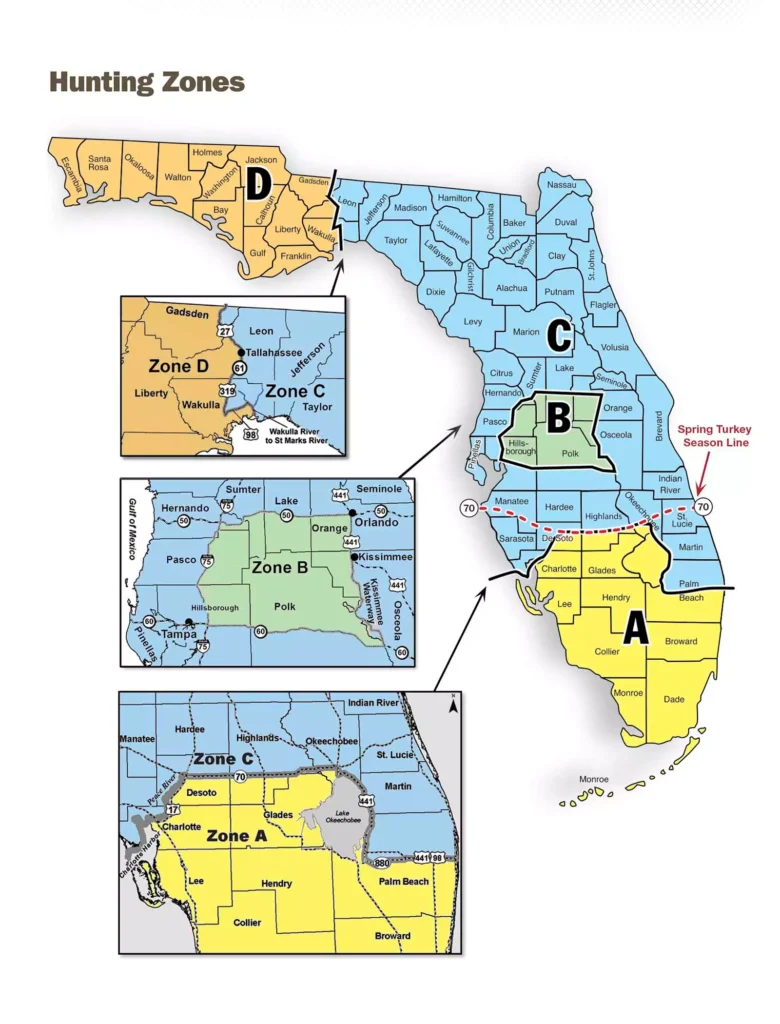
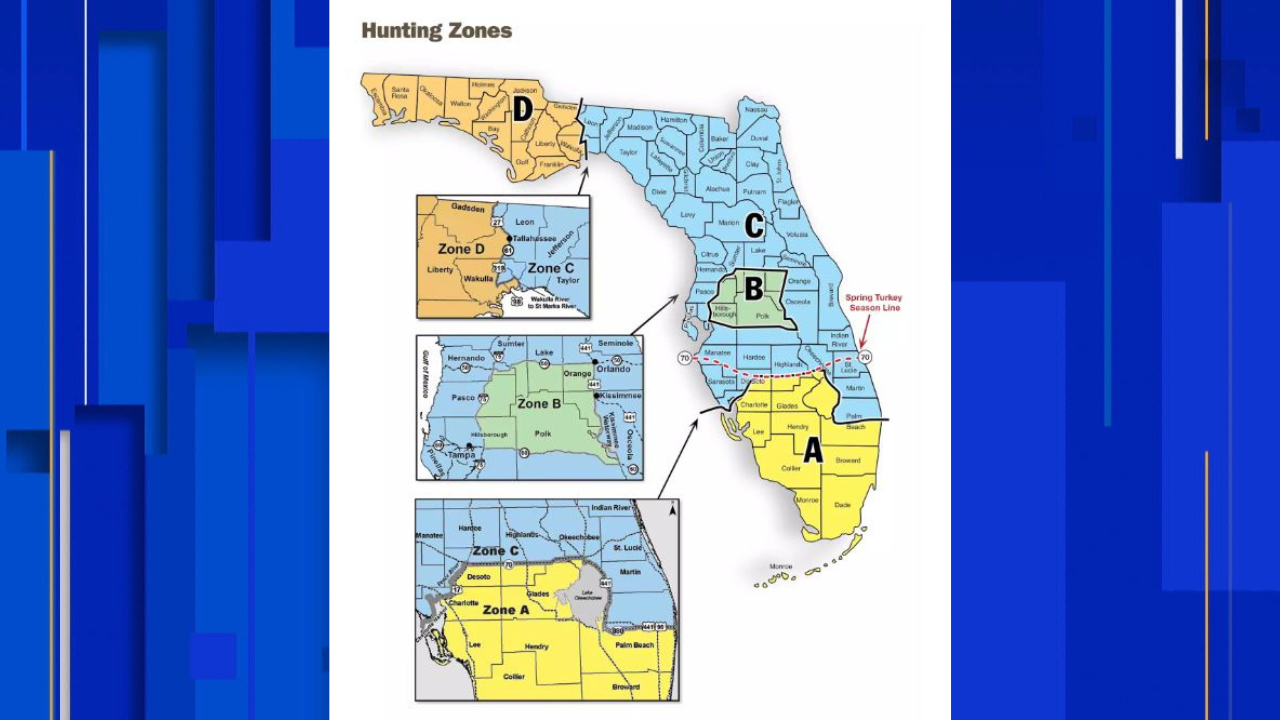
The White-Tailed Deer is Florida’s most sought-after big game animal. Its hunting season is strategically staggered across different regions and hunting zones to optimize harvest management.
North Florida Deer Season
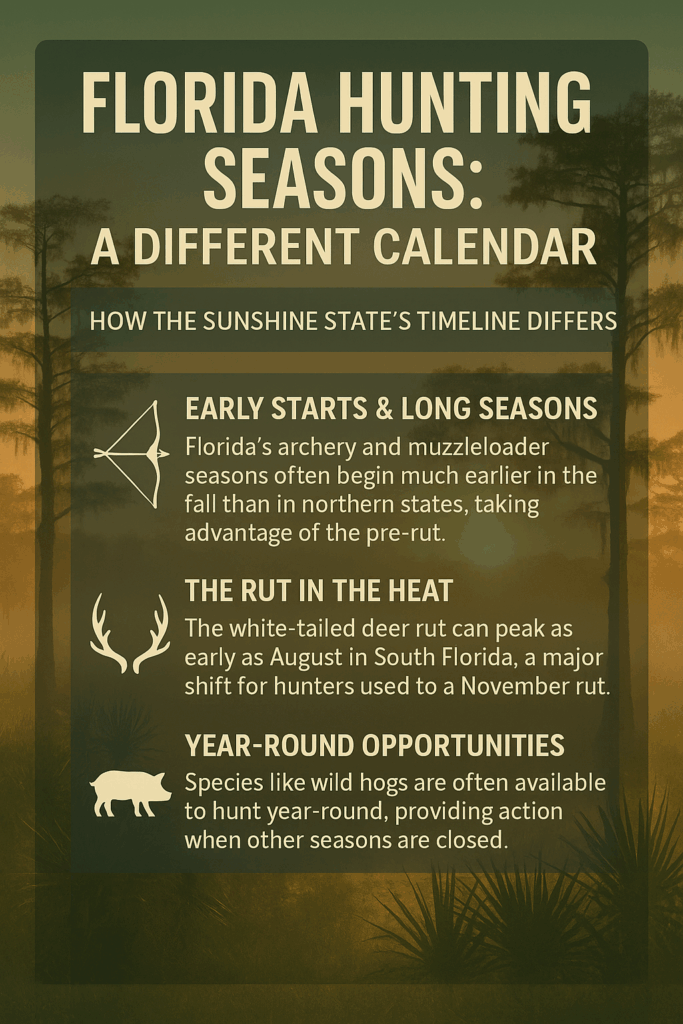
In the northern regions of Florida, the archery season for deer typically opens in late August or early September, marking the earliest opportunity for hunters. This is followed by the muzzleloading gun season, usually commencing in October, and then the general gun season, which often begins in November and extends through January. Specific dates can vary slightly depending on the particular Wildlife Management Area. For instance, areas like the Osceola National Forest will have established dates that hunters should verify.
South Florida Deer Season
Southern Florida, with its distinct climate and ecosystem, often has slightly different season structures. While archery seasons may also begin in late summer or early autumn, the general gun season might have a later start and a different duration compared to the northern zones. The FWC aims to balance hunting pressure with the deer’s reproductive success across these varied environments.
Wild Hogs
Wild hogs are abundant throughout Florida and offer a year-round hunting opportunity in many areas, with no closed season in most Wildlife Management Areas. However, specific regulations regarding hunting methods and any potential season closures for management purposes should always be checked. This abundance makes them a popular target for both experienced and novice hunters.
Small Game Seasons
Florida’s diverse birdlife provides exciting opportunities for small game hunting.
Squirrel Season
Squirrel hunting seasons are generally quite extensive. Archery seasons for squirrels can open as early as August, with general gun seasons often starting in October and running through March. These seasons are designed to allow for ample hunting opportunities while minimizing impact on breeding populations.
Rabbit Season
Similar to squirrels, rabbit hunting often begins in October and extends well into spring, typically through March. The abundance of rabbits across various habitats, from palmettos to pine forests, makes them an accessible and enjoyable small game target.
Quail Season
Quail hunting is a cherished tradition in Florida. The season usually opens in November and runs through early spring, often concluding in March. The success of quail hunting is heavily influenced by habitat management and weather conditions throughout the year.
Migratory Birds
Hunting seasons for migratory birds, such as doves, ducks, and waterfowl, are subject to federal regulations set by the U.S. Fish and Wildlife Service and are implemented by the FWC. These seasons are closely tied to migration patterns and are often divided into early and late season segments.
Dove Season
Dove season typically opens in late September or early October, with multiple segments extending through the fall and into winter. This allows hunters to capitalize on different waves of dove migration.
Waterfowl Season
Waterfowl seasons are complex, often divided into early, middle, and late segments, commencing in November and concluding in January or February. These dates are determined by federal frameworks and depend on the specific flyways and waterfowl species being targeted. Areas like the St. Johns River are popular for waterfowl hunting.
Planning Your Hunting Trip
A successful hunting trip in Florida requires more than just knowing the season start dates. Proper planning involves understanding the specific regulations for the area you intend to hunt, acquiring the necessary licenses and permits, and preparing your equipment.
Licenses and Permits
All individuals hunting in Florida are required to possess a valid hunting license. Specific permits, such as a management area permit or a muzzleloading permit, may also be necessary depending on the game species and the location of your hunt. These can be purchased online through the FWC website or at authorized license vendors throughout the state. It is imperative to carry your licenses and permits with you while hunting.
Choosing Your Hunting Location
Florida offers a variety of hunting environments, each with its unique appeal.
- Wildlife Management Areas (WMAs): These are public lands managed by the FWC and offer some of the most accessible hunting opportunities. Each WMA may have specific rules, and some require quota permits for certain hunts, especially during peak seasons. Examples include the Big Cypress WMA and the J.W. Corbett WMA.
- Private Lands: Hunting on private lands requires landowner permission or lease agreements. This often provides a more controlled and exclusive hunting experience.
- Special Opportunity Hunts: The FWC offers special opportunity permits for hunts in specific areas or for particular species, often through a lottery system. These can provide unique hunting experiences but require advance planning and application.
Essential Gear and Preparation
Beyond your firearm or bow and ammunition, several other items are crucial for a safe and successful hunting trip in Florida.
- Appropriate Clothing: Florida’s climate can be hot and humid, even during hunting seasons. Lightweight, breathable camouflage clothing is essential, along with rain gear. Insect repellent is also a must, especially for early season hunts.
- Navigation Tools: A GPS device, compass, and maps are vital for navigating unfamiliar terrain, particularly in large WMAs.
- Safety Equipment: A first-aid kit, ample water, and communication devices are crucial for safety in the wilderness. Hunters are encouraged to hunt with a partner and inform someone of their plans.
- Game Processing Tools: If you plan to field dress your game, ensure you have the necessary knives, game bags, and knowledge for proper handling and preservation.
Beyond the Season: Ethical Hunting and Conservation
Understanding when hunting season starts is just the beginning. Ethical hunting and a commitment to conservation are the cornerstones of responsible sportsmanship.
Adhering to Regulations
Strict adherence to FWC regulations, including legal shooting hours, bag limits, and lawful methods of take, is non-negotiable. These rules are in place to ensure the sustainability of wildlife populations and the integrity of the hunting tradition.
Respecting the Environment
Hunters are stewards of the land. This means leaving your hunting location cleaner than you found it, properly disposing of any waste, and respecting wildlife and habitat. Minimizing your impact ensures that these natural spaces remain healthy for both wildlife and future generations of hunters and outdoor enthusiasts.
Contributing to Conservation
By purchasing hunting licenses and permits, hunters directly contribute to wildlife conservation efforts in Florida. Funds generated are used for habitat acquisition and management, research, and law enforcement, all of which are vital for maintaining Florida’s rich biodiversity.
The start of hunting season in Florida is an exciting time for many outdoor enthusiasts. By thoroughly understanding the season dates, regulations, and ethical practices, hunters can ensure a safe, rewarding, and responsible experience in the diverse natural landscapes of the Sunshine State. Always remember to consult the official Florida Fish and Wildlife Conservation Commission regulations for the most current and detailed information before embarking on any hunting expedition.
LifeOutOfTheBox is a participant in the Amazon Services LLC Associates Program, an affiliate advertising program designed to provide a means for sites to earn advertising fees by advertising and linking to Amazon.com. Amazon, the Amazon logo, AmazonSupply, and the AmazonSupply logo are trademarks of Amazon.com, Inc. or its affiliates. As an Amazon Associate we earn affiliate commissions from qualifying purchases.