
Florida’s reputation as a premier destination for seafood lovers is undeniable. From the Gulf Coast’s succulent stone crabs to the Panhandle’s sweet shrimp, the state offers a bounty of oceanic delights. Among these, the delicate and flavorful scallops hold a special place in the hearts (and stomachs) of both residents and visitors. Understanding the nuances of scallop season is crucial for anyone planning a culinary adventure or a fishing trip to the Sunshine State. This guide delves into when scallop season officially begins in Florida, where to find the best spots, and what you need to know to make the most of this highly anticipated time.

The Nuances of Florida Scallop Seasons
Florida’s diverse coastline means that scallop seasons can vary significantly depending on the region. The state is broadly divided into two distinct management zones for bay scallop harvesting: the Florida Panhandle and Southwest Florida. Each zone has its own specific regulations and opening dates, influenced by factors such as scallop populations, environmental conditions, and conservation efforts.
Florida Panhandle: A Celebration of the Atlantic Bay Scallop
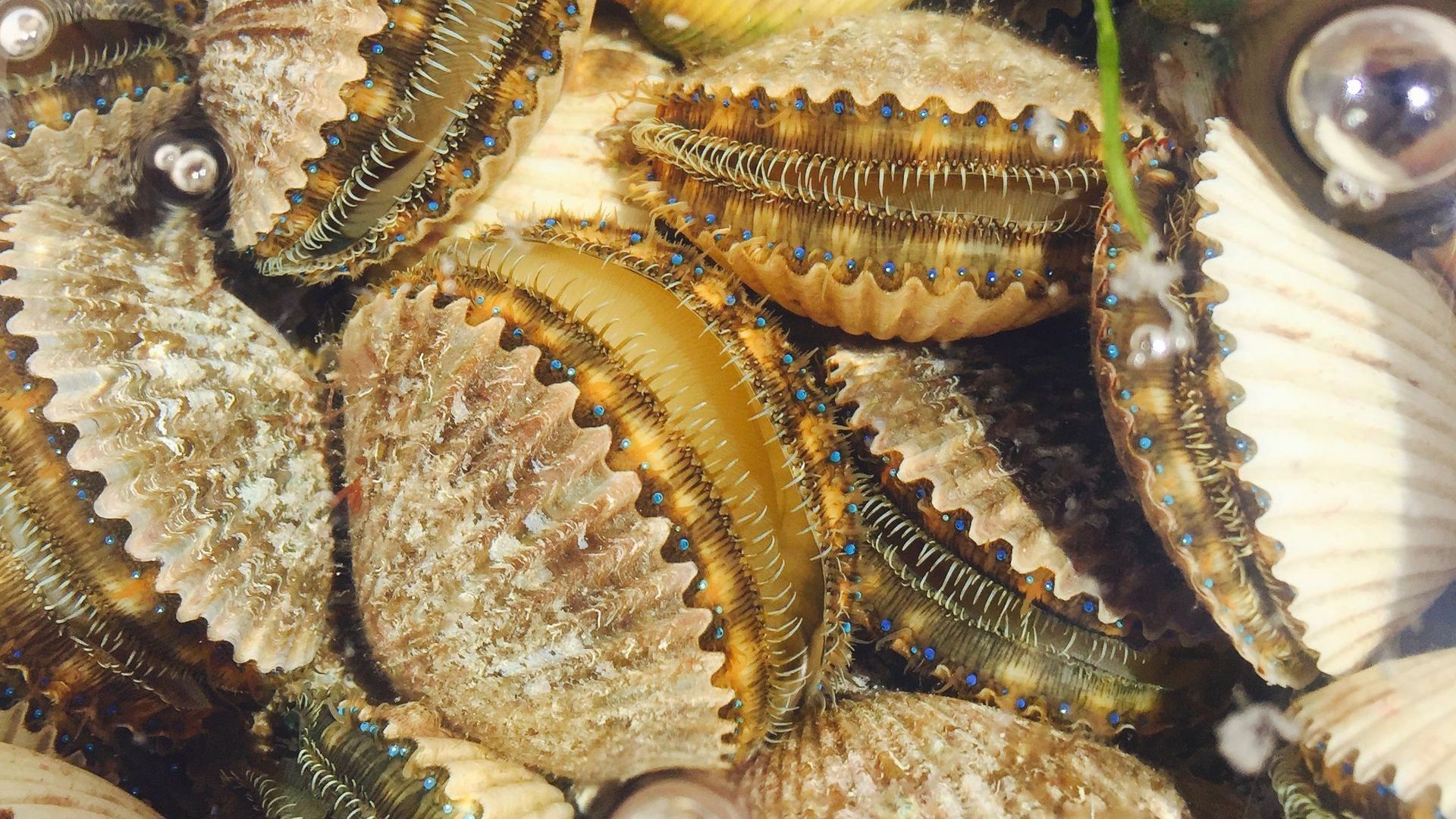
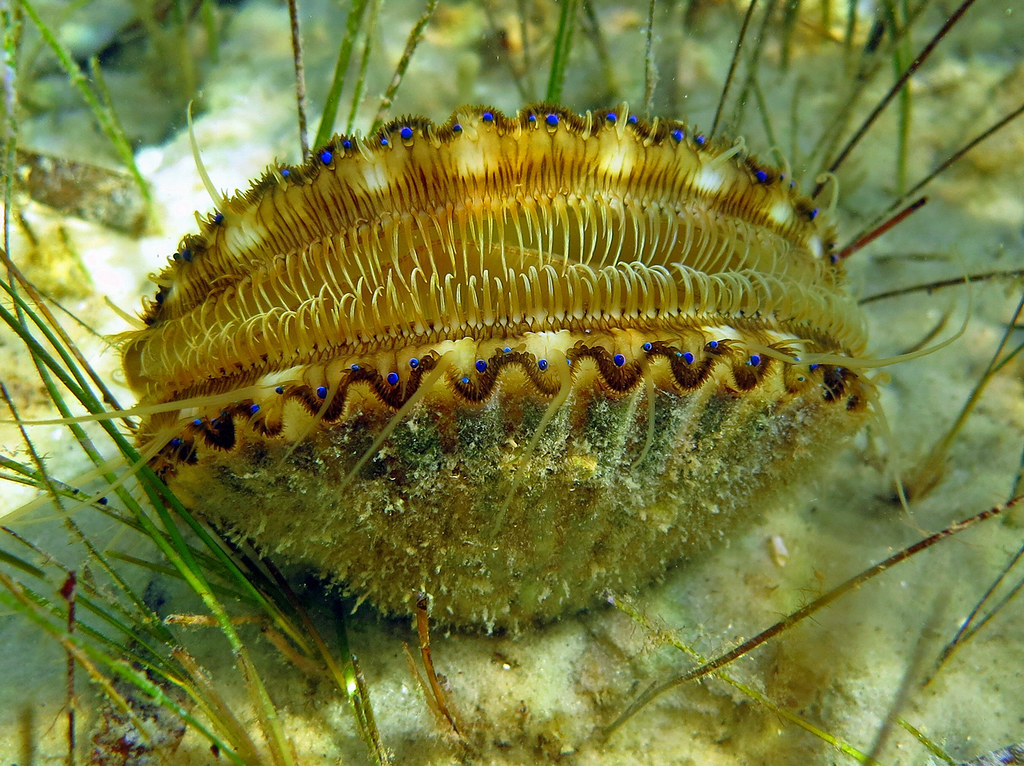
The most widely recognized and celebrated scallop season in Florida takes place along the Panhandle. This region, stretching from the border with Alabama to the west coast of Florida near Tarpon Springs, is famous for its abundant populations of the Atlantic bay scallop (Argopecten irradians).
The traditional opening date for scallop season in the Panhandle is July 1st annually. This date is set to coincide with peak scallop populations and favorable weather conditions for recreational harvesting. The season typically runs through September 30th. This three-month window provides ample opportunity for enthusiasts to head out on the water.
Key Regions and Hotspots in the Panhandle
Several areas within the Panhandle are renowned for their exceptional scallop grounds. These locations often boast clear, shallow waters, making them ideal for wading and snorkeling to collect the prized mollusks.
- Saint Joseph Bay: Located in Port St. Joe, this bay is a true scallop paradise. Its protected waters and healthy seagrass beds provide an ideal habitat for bay scallops. Many local charters and guides operate out of Port St. Joe, offering a guided experience for those new to the activity.
- Apalachee Bay: Extending from St. Marks to Perry, this expansive bay system is another prime location for scallop harvesting. The shallows here are rich with seagrass, attracting large concentrations of scallops.
- Dixie County: The waters off Dixie County are also known for excellent scallop diving. Areas around Steinhatchee are particularly popular.
- Escambia Bay and Santa Rosa Sound: These western Panhandle waterways offer good opportunities for scallop hunters, especially in the early part of the season.
The consistency of the July 1st opening in the Panhandle has made it a predictable and eagerly awaited event for many Floridians and tourists. It’s a time when local communities come alive with the excitement of the harvest, and restaurants feature fresh scallops on their menus.
Southwest Florida: A Different Rhythm for Scallop Season
Unlike the Panhandle, Southwest Florida’s bay scallop season operates under different management rules and often has a later opening. The primary focus here is also on the Atlantic bay scallop, but population dynamics and conservation needs have led to a more flexible approach to season setting.
Historically, Southwest Florida has faced challenges with scallop populations, leading to closures or shorter seasons in some years. However, recent years have seen a positive resurgence, prompting the Florida Fish and Wildlife Conservation Commission (FWC) to establish more consistent seasons.
The most recent regulations for Southwest Florida have opened the season on July 1st and closed it on September 30th, mirroring the Panhandle. This harmonization aims to simplify regulations and provide clarity for harvesters. However, it is crucial for anyone planning to scallop in this region to always verify the current year’s regulations, as they can be subject to change based on FWC assessments.
Notable Scalloping Areas in Southwest Florida
Southwest Florida offers its own unique charm and excellent scalloping experiences, often characterized by warmer waters and a different marine ecosystem.
- Sarasota Bay: This is a popular area for recreational scalloping, with many accessible shallow areas suitable for wading.
- Pine Island Sound and Charlotte Harbor: These extensive estuarine systems provide vast expanses of seagrass beds that are conducive to scallop growth and abundance.
- San Carlos Bay: Located near Fort Myers, this bay offers good scalloping opportunities, particularly for those staying in the nearby tourist hubs.
It is imperative to consult the official Florida Fish and Wildlife Conservation Commission (FWC) website for the most up-to-date information on season dates, bag limits, and any special regulations that may be in effect for both the Panhandle and Southwest Florida.
Preparing for Your Scallop Adventure
A successful scallop trip involves more than just knowing the season dates. Proper preparation is key to ensuring a safe, enjoyable, and fruitful experience.
Essential Gear and Regulations
Before you cast off, make sure you are equipped with the necessary gear and understand the rules.
- Fishing License: While Florida residents may not need a license for recreational saltwater fishing in certain scenarios, it’s always best to check the FWC website. Non-residents are generally required to have a saltwater fishing license.
- Scallop Bag: You’ll need a mesh bag to collect your scallops.
- Dive Flag: A dive flag is mandatory when harvesting scallops in areas where boats may be present. This signals to other boaters that people are in the water.
- Mask, Snorkel, and Fins: Essential for spotting and collecting scallops in shallow waters.
- Mesh Dive Gloves: To protect your hands from sharp objects and potentially rough surfaces.
- Cooler with Ice: To keep your fresh catch chilled and safe to consume.
- Measuring Device: To ensure your scallops meet the minimum size requirements (if applicable). Florida law generally requires scallops to be at least 5 inches in length when the shell is slightly open, but it is always wise to confirm current regulations.
Bag and Possession Limits
The FWC sets daily bag limits and possession limits to manage scallop populations sustainably. For bay scallops, the recreational bag limit is typically two gallons of whole bay scallops per person, and the possession limit is ten gallons of whole bay scallops per vessel. These limits are in place to prevent overharvesting and ensure the long-term health of scallop populations. Always verify the current limits before heading out.
Where to Go: Beyond the Hotspots
While specific bays and sounds are known for their abundance, the general rule of thumb for finding scallops is to look for shallow, sandy bottoms with healthy seagrass beds. Scallops are filter feeders and thrive in these environments, often burying themselves partially in the sand. They are most commonly found in depths ranging from 2 to 10 feet, making them accessible to waders and snorkelers.
Charter Services and Guided Tours
For those unfamiliar with scalloping or who prefer a more guided experience, charter services and fishing guides are widely available in popular scalloping destinations. These professionals can provide all the necessary equipment, transport you to the best scalloping grounds, and offer expert advice on harvesting techniques. This is an excellent option for families or individuals looking to maximize their scalloping success and learn from experienced locals. Many hotels and resorts in coastal towns also offer packages that include scalloping excursions.
The Culinary Delights of Fresh Florida Scallops
The culmination of a successful scallop season is, of course, the enjoyment of the harvest. Freshly harvested Florida scallops are a culinary treat, prized for their sweet, delicate flavor and tender texture.
Simple Preparation for Maximum Flavor
The beauty of fresh, high-quality scallops is that they require minimal preparation to shine. Many chefs and home cooks advocate for simple cooking methods that highlight their natural taste.
- Pan-Searing: This is perhaps the most popular method. Pat the scallops dry thoroughly to ensure a good sear. Heat a pan with a bit of butter and oil over medium-high heat. Sear the scallops for 1-2 minutes per side, until they develop a beautiful golden-brown crust and are opaque throughout. Avoid overcrowding the pan, which can steam the scallops instead of searing them.
- Grilling: Grilled scallops offer a smoky flavor. Skewer them with vegetables and grill for a few minutes per side.
- Raw or Ceviche: In some cases, very fresh, high-quality scallops can be enjoyed raw or used in ceviche, marinated in citrus juices.
Pairing Suggestions
Fresh Florida scallops pair wonderfully with a variety of accompaniments.
- Lemon and Herbs: A squeeze of fresh lemon juice and a sprinkle of chopped parsley or chives is a classic and simple way to enhance their flavor.
- Risotto or Pasta: Scallops are a luxurious addition to creamy risottos or pasta dishes.
- Salads: Lightly seared scallops can add a protein-rich and elegant touch to a summer salad.
When enjoying your bounty, remember that freshness is paramount. Consume your harvested scallops within a day or two of collection for the best flavor and safety. If you don’t plan to cook them immediately, ensure they are properly stored on ice in your cooler and refrigerated as soon as you return home.
Beyond the Season: Conservation and Future Harvests
The sustainability of Florida’s scallop populations is a shared responsibility. The FWC’s management strategies, including defined seasons, bag limits, and ongoing research, are vital for ensuring that future generations can also enjoy this incredible resource.
The Role of Seagrass
Seagrass beds are the cornerstone of healthy scallop populations. These underwater meadows provide crucial habitat for scallops to grow, feed, and reproduce. Human activities, such as boat groundings, dredging, and pollution, can damage these delicate ecosystems. Therefore, responsible boating practices and efforts to protect coastal habitats play a significant role in the long-term viability of scallop fisheries.
Staying Informed
As regulations can change, it is essential for anyone planning to go scalloping to stay informed. The FWC website is the primary source for all official information regarding fishing and hunting regulations in Florida. Following their updates ensures that you are always compliant with the law and contributing to the conservation of Florida’s valuable marine resources. By understanding when scallop season starts in Florida and adhering to the established guidelines, you can contribute to a thriving ecosystem and enjoy one of the state’s most delicious natural offerings.
LifeOutOfTheBox is a participant in the Amazon Services LLC Associates Program, an affiliate advertising program designed to provide a means for sites to earn advertising fees by advertising and linking to Amazon.com. Amazon, the Amazon logo, AmazonSupply, and the AmazonSupply logo are trademarks of Amazon.com, Inc. or its affiliates. As an Amazon Associate we earn affiliate commissions from qualifying purchases.