
Florida, the Sunshine State, is renowned for its breathtaking sunsets, painting the sky with vibrant hues of orange, pink, and purple. Whether you’re planning a vacation, seeking the perfect photo opportunity, or simply wishing to embrace the natural beauty of this southern paradise, understanding when the sun dips below the horizon is essential. This guide delves into the nuances of Florida’s sunset times, offering insights for travelers and enthusiasts alike.
Understanding Seasonal Variations in Sunset Times
The time of sunset in Florida, like anywhere else on Earth, is not static. It fluctuates significantly throughout the year due to the Earth’s axial tilt and its orbit around the sun. This phenomenon dictates the changing lengths of days and nights across the seasons.

Summer Solstice and Longest Days
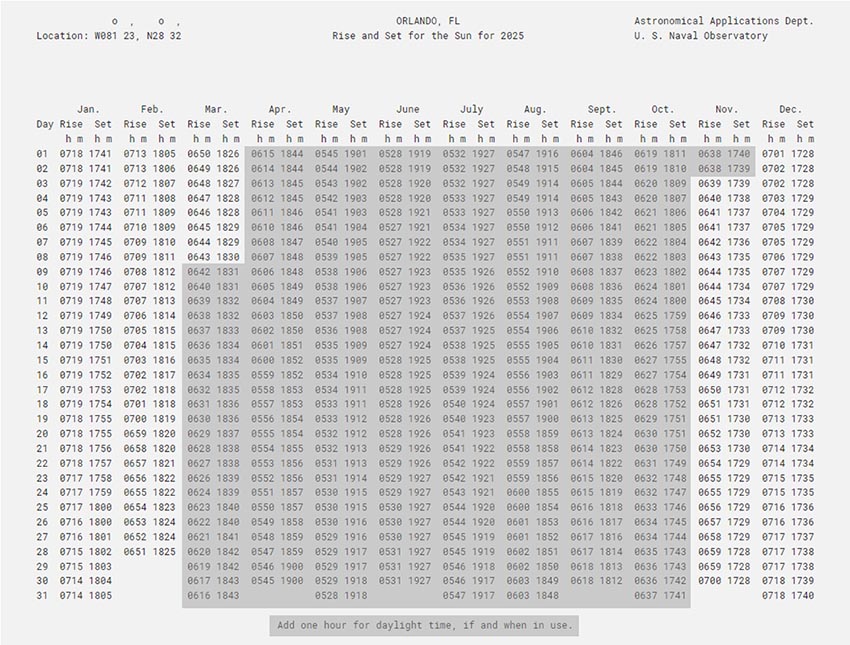
The longest days of the year in Florida occur around the summer solstice, typically on or around June 20th or 21st. During this period, the sun sets considerably later. In the northern parts of Florida, like Jacksonville, sunset can be as late as 8:30 PM or even later. Further south, in areas like Miami or the Florida Keys, the sun may linger a bit longer, sometimes past 8:45 PM. This extended daylight is a significant draw for tourists looking to maximize their outdoor activities, from beach lounging to exploring theme parks like Walt Disney World Resort or Universal Orlando Resort. The warm evenings are perfect for leisurely strolls along the shore or enjoying dinner with an ocean view.
Winter Solstice and Shortest Days
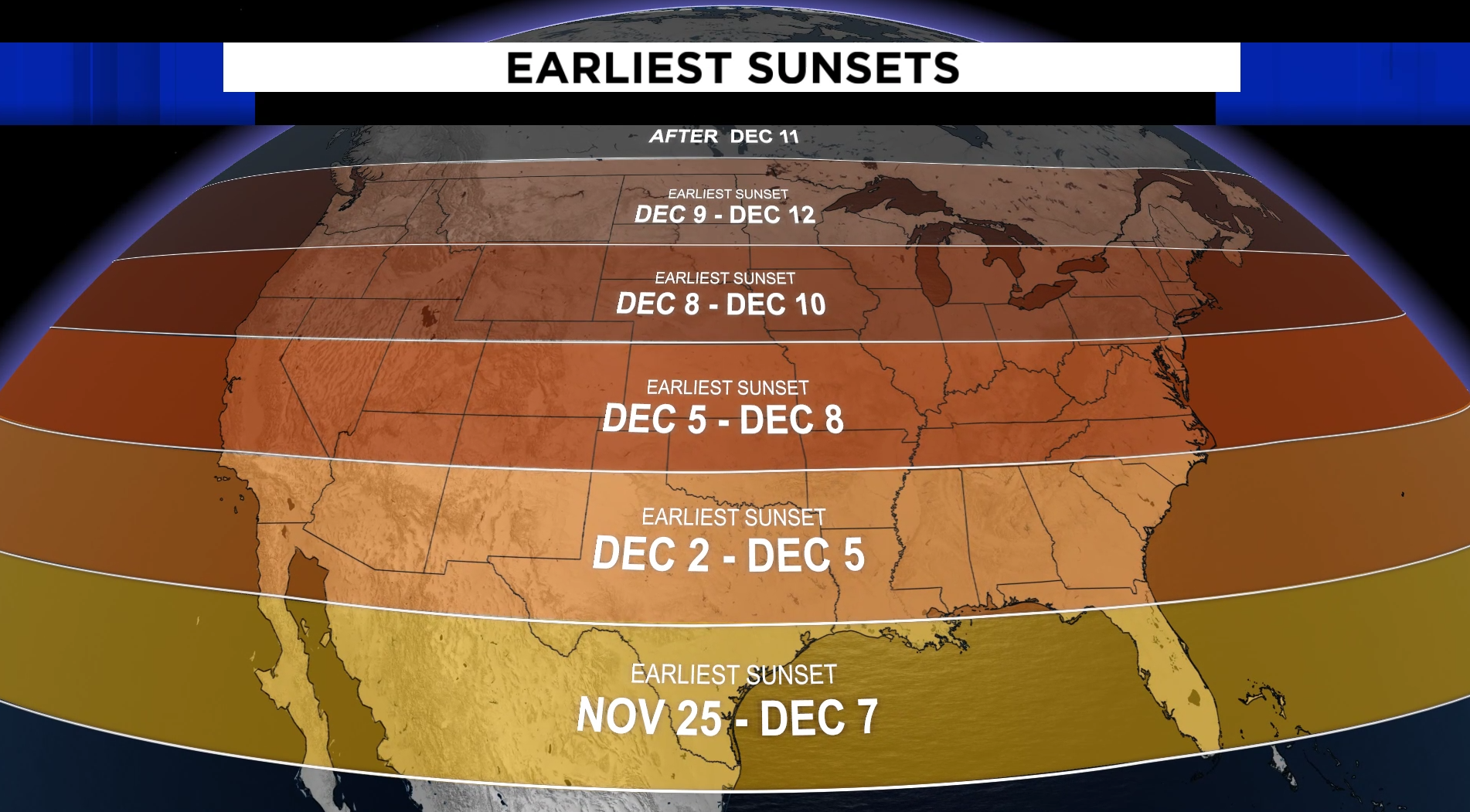
Conversely, the shortest days of the year are observed around the winter solstice, typically on or around December 21st or 22nd. During this time, the sun sets much earlier. In northern Florida, sunset can occur as early as 5:15 PM. Even in the southern reaches of the state, the sun might begin its descent by 5:30 PM. This shift necessitates adjustments for travelers, particularly those planning evening excursions or wanting to catch a sunset dinner. Despite the earlier darkness, Florida’s winter sunsets still offer a spectacular display, often with clearer skies and cooler temperatures providing a unique backdrop. Many enjoy cozy evenings at resorts like the Ritz-Carlton Naples or exploring the vibrant nightlife in cities like Tampa.
Spring and Autumn Equinoxes: Transitional Periods
The spring equinox (around March 20th or 21st) and the autumn equinox (around September 22nd or 23rd) mark periods of roughly equal day and night length. During these transitional seasons, sunset times fall between the extremes of summer and winter. In spring, days gradually lengthen, with sunset times moving later each day. In autumn, days shorten, and sunset times advance earlier. These periods offer a pleasant balance, with comfortable temperatures and sunset times that allow for a full day of exploration before the evening’s spectacle. It’s an ideal time to visit for those who prefer to avoid the intense heat of summer or the cooler, shorter days of winter, perhaps exploring cities like St. Petersburg or the natural beauty of the Everglades National Park.
Geographical Differences: East Coast vs. West Coast
Beyond seasonal changes, Florida’s significant east-west stretch also plays a role in when sunset occurs. The state spans over 400 miles from its easternmost point in Brevard County to its westernmost tip in the Panhandle, covering multiple time zones and geographical longitudes.
Eastern Time Zone: Atlantic Coast Sunsets
The majority of Florida, including major population centers like Miami, Orlando, and Jacksonville, observes Eastern Standard Time (EST) and Eastern Daylight Time (EDT). On the Atlantic coast, the sun sets earlier relative to the western side of the state due to their eastward position. For instance, when the sun is setting over the Atlantic Ocean near Cape Canaveral, it will be slightly earlier than on the Gulf Coast. This means that sunset viewing on the east coast is often a prelude to enjoying evening activities in vibrant cities or dining at acclaimed restaurants like Joe’s Stone Crab in Miami Beach.
Central Time Zone: Gulf Coast and Panhandle Sunsets
The westernmost part of Florida, particularly the Panhandle region west of the Apalachicola River and cities like Pensacola and Tallahassee, falls within the Central Time Zone (CST/CDT). This means sunsets here occur approximately one hour later than in the Eastern Time Zone, assuming the same date and time of year. This geographical difference offers a unique advantage: if you miss the sunset on the Atlantic coast, you might still catch it on the Gulf Coast if you travel west. The sunsets over the Gulf of Mexico are legendary, with popular spots like Clearwater Beach and Siesta Key Beach drawing crowds eager to witness the spectacle. The extended evening light on the Gulf Coast allows for longer beach days and later excursions.
Practical Tips for Sunset Viewing in Florida
To fully appreciate Florida’s sunset spectacles, a little planning goes a long way. Here are some practical tips to help you make the most of this natural phenomenon.
Utilizing Online Resources and Apps
The most accurate and up-to-date information on sunset times can be found through various online resources. Websites like the U.S. Naval Observatory provide precise astronomical data, including sunrise and sunset times for any location on Earth. Numerous weather websites and mobile applications also offer this information, often with features that allow you to set reminders for upcoming sunsets. Many travel guides and local tourism boards for specific cities or regions in Florida will also highlight the best times and locations for sunset viewing. For instance, if you’re staying at a resort in Key West, checking their concierge service or local guides can provide tailored information.
Identifying Prime Sunset Viewing Locations
Florida offers an abundance of stunning locations to watch the sun go down.
Beachfront Bliss
The most iconic sunset spots are undoubtedly Florida’s pristine beaches.
- Gulf Coast: Beaches like Siesta Key Beach near Sarasota, Clearwater Beach, and those in Naples are famous for their powdery white sands and calm waters, providing unparalleled westward vistas. The shallow, clear waters of the Gulf often reflect the sky’s colors, doubling the visual impact.
- Atlantic Coast: While the Atlantic coast faces east, you can still catch magnificent twilight colors as the sky transitions after the sun has set. Some western-facing coves or piers might offer glimpses. Furthermore, the golden hour leading up to sunset on the Atlantic can be equally beautiful, casting a warm glow over the ocean.
Elevated Perspectives
For a different vantage point, consider elevated locations:
- Rooftop Bars and Restaurants: Many hotels and restaurants in cities like Miami, Fort Lauderdale, and St. Petersburg offer rooftop seating with panoramic views. Enjoying a cocktail or a gourmet meal while watching the sunset is a luxurious experience. Look for establishments along the coast or with views overlooking bays and urban skylines.
- Observation Decks and Towers: Certain landmarks and tall buildings offer observation decks. While not as common for sunset viewing as in other major cities, some may provide unique perspectives, especially in larger metropolitan areas.
- State Parks and Nature Preserves: Locations like Caladesi Island State Park or parts of the Ten Thousand Islands National Wildlife Refuge can offer serene, natural settings for sunset viewing, often with fewer crowds.
Unique Waterway Views
Florida’s extensive network of waterways also provides excellent sunset viewing opportunities.
- Boat Tours and Cruises: Sunset cruises are a popular activity in many coastal towns and cities. Whether on a larger charter or a smaller private boat, experiencing the sunset from the water offers a dynamic and unforgettable perspective. Many tours depart from harbors in Key West, St. Augustine, and the Tampa Bay area.
- Mangrove Tunnels and Estuaries: Exploring the intricate mangrove systems, particularly on the Gulf Coast, during the golden hour can be magical. Kayaking or paddleboarding through these areas as the light softens can be a tranquil and visually rewarding experience.
Accounting for Daylight Saving Time
It is crucial to remember that Florida observes Daylight Saving Time (DST). During DST, which typically runs from the second Sunday in March to the first Sunday in November, clocks are set forward by one hour. This means that even if the sun’s actual position in the sky might suggest an earlier sunset, the clock time will reflect the adjusted hour. For example, a sunset that might officially be at 7:00 PM Eastern Standard Time would appear as 8:00 PM Eastern Daylight Time. Always verify if the sunset time you are looking at is for standard or daylight saving time to avoid confusion. This adjustment affects all time zones within the state, so both Eastern and Central time zones will have their respective DST shifts.
By understanding these seasonal and geographical factors, and by utilizing available resources, you can expertly plan your activities to coincide with the spectacular daily event of a Florida sunset, creating lasting memories of your visit to the Sunshine State.
LifeOutOfTheBox is a participant in the Amazon Services LLC Associates Program, an affiliate advertising program designed to provide a means for sites to earn advertising fees by advertising and linking to Amazon.com. Amazon, the Amazon logo, AmazonSupply, and the AmazonSupply logo are trademarks of Amazon.com, Inc. or its affiliates. As an Amazon Associate we earn affiliate commissions from qualifying purchases.