
Florida, a state synonymous with sunshine, theme parks, and pristine beaches, also harbors a wilder side, one that draws adventurers seeking unique experiences. Among these, the pursuit of the American alligator, or Alligator mississippiensis, stands out. Gator hunting in Florida is not merely a sport; it’s a carefully regulated activity deeply interwoven with the state’s ecological management and rich natural heritage. Understanding the nuances of gator hunting season is crucial for anyone considering participating in this thrilling endeavor. This guide delves into the specifics of Florida’s gator hunting regulations, offering insights into when and how to experience this iconic Florida activity.
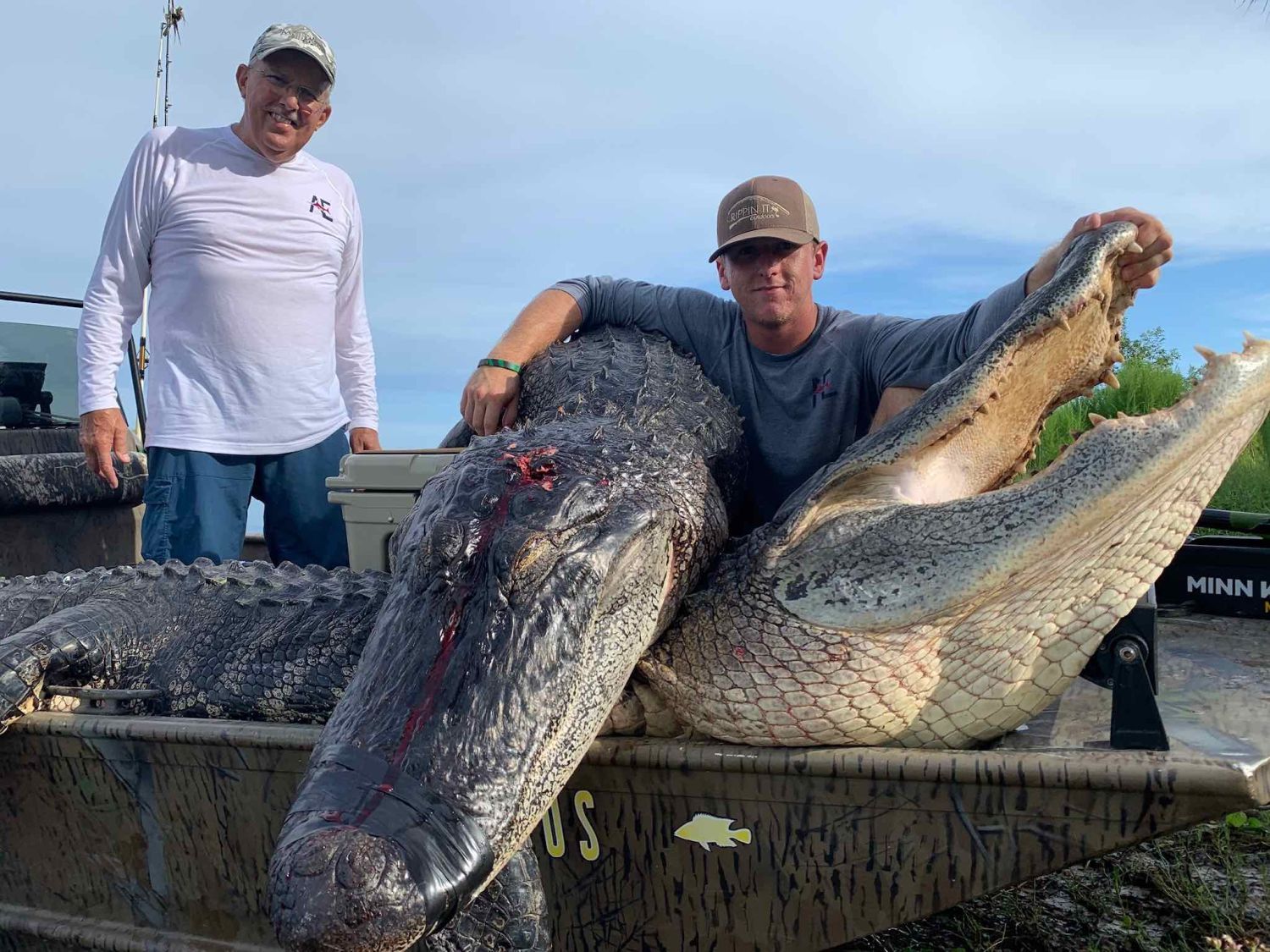
Understanding Florida’s Alligator Management Program
The American alligator, once a species on the brink of extinction, has made a remarkable comeback, largely due to dedicated conservation efforts and robust management programs. Florida, with its extensive network of wetlands, swamps, and waterways, is a prime habitat for these ancient reptiles. The Florida Fish and Wildlife Conservation Commission (FWC) oversees a comprehensive alligator management program designed to ensure the long-term health of alligator populations while also managing human-wildlife interactions.
The Purpose of Regulated Hunting
Alligator hunting in Florida serves several key purposes:
- Population Control: While alligator populations are healthy, regulated hunting helps manage their numbers in areas where they might become overabundant or pose a nuisance to human communities. This is particularly important in populated coastal areas and near residential developments.
- Ecological Balance: Alligators play a vital role in their ecosystems, acting as apex predators that help maintain the balance of other aquatic species. Controlled hunting ensures this role continues without disruption.
- Economic and Recreational Value: Gator hunting provides a unique recreational opportunity for both residents and tourists, contributing to the state’s economy through licenses, equipment sales, and guided tours. The sale of alligator hides and meat also generates revenue.
- Research and Data Collection: Harvested alligators provide valuable data for researchers studying alligator biology, behavior, and population dynamics. This information is essential for informed management decisions.
Alligator Hunting Zones in Florida
Florida’s gator hunting is divided into several management units, each with its own specific regulations and seasons. These zones are designed to account for regional differences in alligator populations, habitat, and human density. While the general statewide season is consistent, understanding these zones can be beneficial for hunters aiming for specific areas. The FWC publishes detailed maps and information on these zones, which are updated annually. Hunters are strongly advised to familiarize themselves with the specific zone they intend to hunt in.
The Official Gator Hunting Season in Florida
Florida’s alligator hunting season is a carefully timed event, designed to coincide with periods when alligators are most active and accessible, while also minimizing disruption to their breeding and nesting cycles. The season is generally divided into two main periods: the Special Alligator Hunting Season and the Archery and Any Legal Method Season.
Special Alligator Hunting Season
This is the primary period for regulated alligator hunting in Florida and is typically held in the late summer.
- Dates: The Special Alligator Hunting Season generally runs from mid-August through the end of October. Specifically, it often commences on the second Saturday of August and concludes on November 1st.
- Permit Requirement: Participation in this season requires a valid statewide alligator hunting permit. These permits are limited and are issued through a lottery system managed by the FWC. The application period for the lottery typically opens in the spring, so prospective hunters must plan well in advance.
- Specific Regulations: During this season, hunters can utilize a variety of legal methods, including firearms, crossbows, and snatch hooks. There are also specific regulations regarding the size and number of alligators that can be harvested.
- Tagging and Reporting: All harvested alligators must be properly tagged and reported to the FWC within a specified timeframe. This is crucial for data collection and ensuring compliance with regulations.
Archery and Any Legal Method Season
While the Special Alligator Hunting Season is the most prominent, there’s also an extended period where gators can be hunted using specific methods outside of the core season.
- Dates: This season typically runs from March 1st through June 30th.
- Method Restrictions: During this period, hunting is generally restricted to archery equipment or any legal method that does not involve firearms. This is to further protect nesting alligators and young during their most vulnerable periods.
- Permit Requirements: While a general alligator hunting permit isn’t required for this period, hunters must still possess a valid Florida hunting license. There are also specific regulations on the size and number of alligators that can be harvested, and reporting is still mandatory.
- Nuisance Alligator Program Integration: It’s important to note that this period often overlaps with the FWC’s Nuisance Alligator Program, which addresses problematic alligators in populated areas. While this program operates year-round, its activities might influence where and when hunters can operate.
Essential Requirements for Alligator Hunting in Florida
Embarking on an alligator hunt in Florida requires careful preparation and adherence to a strict set of rules and regulations. Beyond understanding the season dates, prospective hunters must be aware of licensing, equipment, and safety protocols.
Licensing and Permits

- Florida Hunting License: All individuals participating in alligator hunting must possess a valid Florida hunting license. This can be obtained through the FWC’s online portal or at authorized license vendors.
- Alligator Hunting Permit: As mentioned, the statewide alligator hunting permit is required for the Special Alligator Hunting Season. This permit is issued via a lottery system, and successful applicants will receive specific tags for their harvest. It is crucial to apply during the designated application window.
- Private Landowner Exemptions: In some instances, landowners with a significant alligator population on their property may be eligible for special permits that allow hunting without entering the general lottery. Details on these specific programs can be found on the FWC website.
Legal Equipment and Methods
The FWC has specific guidelines on what equipment and methods are permissible for alligator hunting to ensure safety and responsible harvesting.
- For the Special Alligator Hunting Season:
- Firearms: Rifles, shotguns, and handguns are permitted.
- Archery Equipment: Bows and crossbows are legal.
- Snatch Hooks and Pole Lines: These traditional methods are also allowed.
- Traps: Certain types of traps may be permitted, subject to specific regulations.
- For the Archery and Any Legal Method Season:
- Archery Equipment: Bows and crossbows are the primary legal methods.
- Snatch Hooks and Pole Lines: These are also permissible.
- Firearms are generally prohibited during this season to protect nesting areas and young alligators.
It is imperative for all hunters to consult the most recent FWC regulations guide for the most up-to-date information on legal equipment and prohibited items.
Safety and Ethical Considerations
Alligator hunting is an inherently risky activity, and safety must be paramount. Ethical hunting practices are also a cornerstone of Florida’s management program.
- Safety Protocols:
- Boating Safety: Many gator hunts take place on boats. Ensuring your vessel is safe, equipped with life jackets, and operated responsibly is critical.
- Firearm Safety: Always adhere to strict firearm safety rules, especially when handling weapons in or near water.
- Alligator Handling: Once an alligator is subdued, extreme caution is necessary. They are powerful animals, and even after being caught, they can pose a significant danger.
- Working with Guides: For those new to gator hunting, hiring a licensed and experienced guide is highly recommended. Guides provide expertise, ensure safety, and navigate the complex regulations.
- Ethical Harvesting:
- Respect for Wildlife: Hunters are expected to harvest alligators humanely and efficiently.
- Utilizing the Harvest: It is considered ethical practice to utilize as much of the harvested alligator as possible, including the meat and hide.
- Respecting Private Property: Always obtain permission before hunting on private land and be mindful of landowners’ property.
- Environmental Stewardship: Leave the hunting area as you found it, minimizing your impact on the natural environment.
Planning Your Florida Gator Hunting Experience
A successful and memorable gator hunting trip in Florida requires meticulous planning, often starting months in advance. From securing permits to choosing the right location and accommodations, every detail contributes to the overall experience.
Choosing Your Hunting Grounds
Florida offers a diverse range of habitats where alligators can be found. The choice of hunting grounds can significantly impact the success and nature of your hunt.
- Public Lands: Many state parks, wildlife management areas (WMAs), and national forests offer opportunities for alligator hunting. Popular locations include the Everglades National Park (with specific regulations), the Osceola National Forest, and various WMAs across the state. These areas often require specific permits or reservations.
- Private Lands: Hunting on private lands often provides a more controlled and potentially less crowded experience. Many landowners lease hunting rights, or hunters may choose to book guided hunts that take place on private properties.
- Waterways: Alligators are most commonly found in freshwater environments such as swamps, marshes, rivers, lakes, and canals. Areas with abundant vegetation and slow-moving water are prime locations.
Navigating Accommodation Options
While the focus is on the hunt, comfortable and convenient accommodation is essential for any successful trip. Florida offers a spectrum of lodging to suit different needs and budgets.
- Lodges and Outfitters: Many hunting outfitters and lodges cater specifically to gator hunters. These often provide all-inclusive packages that include lodging, meals, guides, and equipment. This can be an excellent option for those seeking a comprehensive and hassle-free experience.
- Hotels and Motels: In towns and cities near prime hunting areas, a range of hotels and motels are available. This offers flexibility for independent hunters who prefer to arrange their own meals and transportation. Consider locations near major waterways or popular public hunting grounds.
- Campgrounds and RV Parks: For the more adventurous or budget-conscious traveler, camping offers a closer connection to nature. Many state parks and private campgrounds are located within or near gator hunting territories, providing basic amenities.
- Vacation Rentals: Renting a cabin, villa, or apartment can be a good option for groups or families looking for more space and home-like amenities. This is particularly useful if planning to prepare some of your own meals.

The Role of Guides and Outfitters
For many, particularly those new to gator hunting, partnering with a licensed guide or outfitter is invaluable.
- Expertise and Local Knowledge: Guides possess intimate knowledge of the local waterways, alligator behavior, and the best hunting spots. They understand the FWC regulations implicitly and ensure you comply with them.
- Equipment and Logistics: Reputable outfitters provide all necessary hunting equipment, including boats, specialized gear, and sometimes even processing services for the harvested alligator. They handle the logistical challenges, allowing you to focus on the hunt.
- Safety Assurance: Guides prioritize safety above all else. Their experience in handling potentially dangerous situations and navigating the environment minimizes risks.
- Permit Assistance: Some guides can assist with the permit application process or include permits in their package deals, which can be a significant advantage given the lottery system for the Special Season.
By understanding the timing, regulations, and planning requirements, aspiring hunters can embark on a safe, legal, and unforgettable gator hunting adventure in the Sunshine State.
LifeOutOfTheBox is a participant in the Amazon Services LLC Associates Program, an affiliate advertising program designed to provide a means for sites to earn advertising fees by advertising and linking to Amazon.com. Amazon, the Amazon logo, AmazonSupply, and the AmazonSupply logo are trademarks of Amazon.com, Inc. or its affiliates. As an Amazon Associate we earn affiliate commissions from qualifying purchases.