
Understanding the timeline of hurricane season in Florida is crucial for anyone planning a trip to the Sunshine State, especially for those seeking to avoid potential weather disruptions. While the official Atlantic hurricane season spans from June 1 to November 30, the peak activity and the likelihood of significant storms influencing Florida are more nuanced. Knowing when the season truly winds down can help travelers make informed decisions about booking accommodations, planning itineraries, and preparing for their visit.
The Official Atlantic Hurricane Season: A Broad Overview
The Atlantic hurricane season is a well-defined period that encompasses the entire region, including the waters around Florida. This six-month span is designated by meteorologists and government agencies like the National Hurricane Center to alert the public and facilitate preparedness efforts.
June and Early July: The Calm Before the Storm
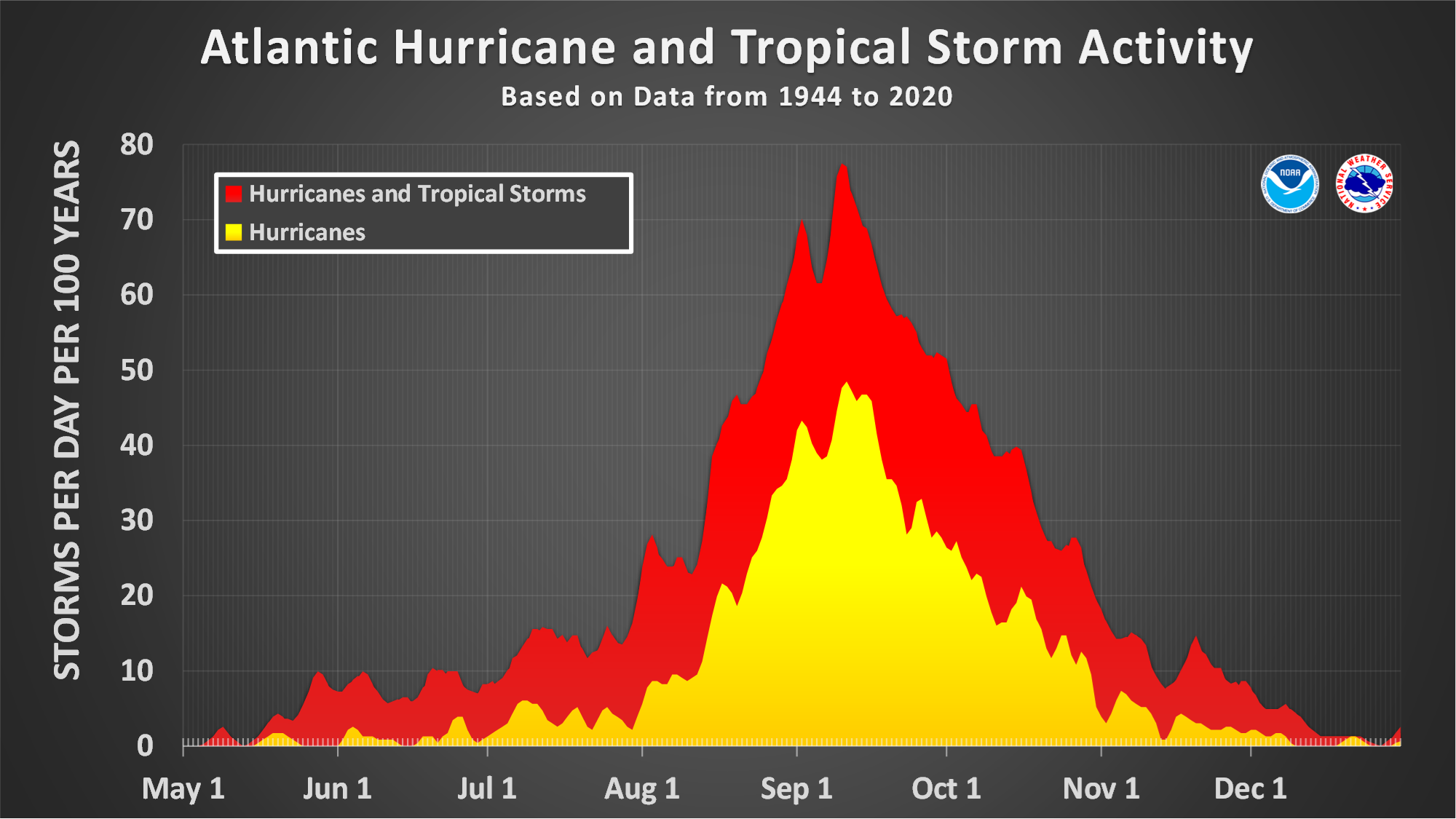
While the season officially begins on June 1, the early part of hurricane season is typically characterized by lower storm activity. The conditions in the tropical Atlantic and Caribbean Sea are not yet conducive to the formation and intensification of major hurricanes. This doesn’t mean storms are impossible, but the probability is significantly lower compared to later months. Travelers visiting Florida during June and early July generally experience favorable weather for enjoying attractions like Walt Disney World, Universal Orlando Resort, and the beaches of Miami. However, it’s always prudent to monitor forecasts, even during this quieter period.
August Through October: The Peak of Activity
The most active period for hurricanes affecting Florida typically runs from mid-August through October. This is when the Atlantic Ocean has warmed sufficiently, and atmospheric conditions become more favorable for tropical cyclone development and strengthening. Several factors contribute to this heightened risk:
- Warm Ocean Waters: Tropical cyclones draw their energy from warm ocean waters. By late summer and early fall, the sea surface temperatures across the main development region of the Atlantic Ocean, and particularly the waters near Florida, reach their annual peaks.
- Favorable Atmospheric Patterns: Prevailing wind patterns, such as the West African monsoon, can generate tropical waves that move westward across the Atlantic. These waves, encountering the warm ocean waters and conducive atmospheric conditions, can organize into tropical depressions, tropical storms, and eventually hurricanes.
- Shift in Jet Stream: As the cooler season approaches in North America, the position and strength of the jet stream can influence the tracks of developing storms, sometimes steering them towards the United States coastline, including Florida.
During these months, travelers should be particularly vigilant. Destinations like the Florida Keys, Tampa Bay, and the Florida Panhandle are susceptible to direct impacts. It’s essential to stay informed about weather forecasts and have a flexible travel plan. Many resorts and hotels, such as the Four Seasons Resort Orlando or luxury villas in Naples, often have hurricane policies that can assist guests in the event of a storm.
When Does Hurricane Season Really End for Travelers?
While the calendar marks the end of hurricane season on November 30, the practical implications for travelers often extend beyond this date, or conversely, a traveler might find the “all clear” comes earlier.
November: A Month of Waning, But Not Vanishing, Risk
November can still see tropical activity, though it becomes increasingly rare as the month progresses. The primary driver of this waning risk is the cooling ocean temperatures and changes in atmospheric steering currents. However, history has shown that significant storms can still form in November, impacting areas like South Florida. Therefore, while the overall probability decreases, travelers booking trips for November should still exercise caution and stay informed.
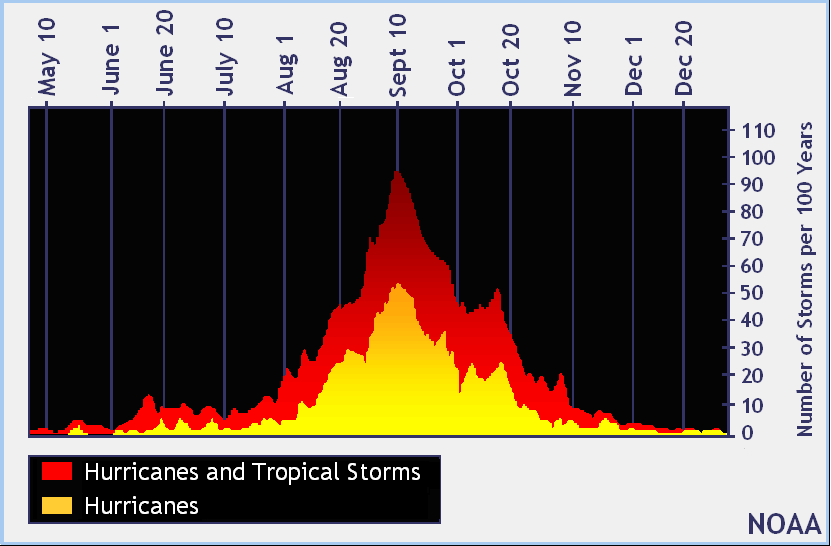
The key indicator that the season is truly winding down isn’t just the calendar date, but the consistent lack of significant storm formation and the cooling of the Atlantic waters. As the atmospheric conditions that fuel hurricanes become less prevalent, the threat diminishes.
Beyond November: The “All Clear”
After November 30, the official hurricane season concludes. While it’s theoretically possible for a storm to form outside of these dates (a phenomenon known as “off-season” storms), it is exceptionally rare. The confluence of warm ocean waters and favorable atmospheric dynamics required for major hurricane development simply ceases to exist during December, January, February, March, April, and May.
For travelers looking for the safest window to visit Florida from a hurricane perspective, the months from December through May are generally considered outside of hurricane season. This period often aligns with pleasant weather, making it ideal for exploring destinations like Everglades National Park or enjoying the cultural attractions of St. Augustine.
Practical Tips for Travelers During Hurricane Season
Even when planning a trip outside the peak months, vigilance is key. Here are some essential tips for travelers:
Pre-Trip Planning and Preparation
- Travel Insurance: This is paramount. Comprehensive travel insurance that covers trip cancellation or interruption due to weather events can provide a financial safety net if your plans are disrupted by a hurricane. Ensure the policy clearly defines what constitutes a covered event.
- Booking Flexibility: When booking flights and accommodations, look for options that offer flexibility. Many airlines and hotels understand the risks associated with hurricane season and may offer flexible rebooking policies or waivers. Consider booking with reputable hotel chains known for their guest support during emergencies, such as the Marriott or Hyatt brands.
- Monitor Forecasts: In the weeks leading up to your trip, and especially during your stay, closely monitor weather forecasts from reliable sources like the National Hurricane Center and local news outlets.
- Understand Local Evacuation Zones: If you are staying in a coastal area, familiarize yourself with local evacuation zones and routes. Your accommodation provider should be able to offer guidance on this.
During Your Stay
- Stay Informed: Keep abreast of any developing weather systems. Pay attention to official advisories and emergency management communications.
- Have a Plan: Know where you will go and what you will do if an evacuation order is issued. This includes understanding your accommodation’s emergency procedures.
- Secure Your Belongings: If you are in an area that might be affected, secure outdoor items and be prepared to move to safer interior locations if advised.
- Respect Official Advisories: If authorities issue evacuation orders or shelter-in-place recommendations, follow them without delay. Your safety is the top priority.
Beyond the Calendar: Understanding the Nuances of Hurricane Season End
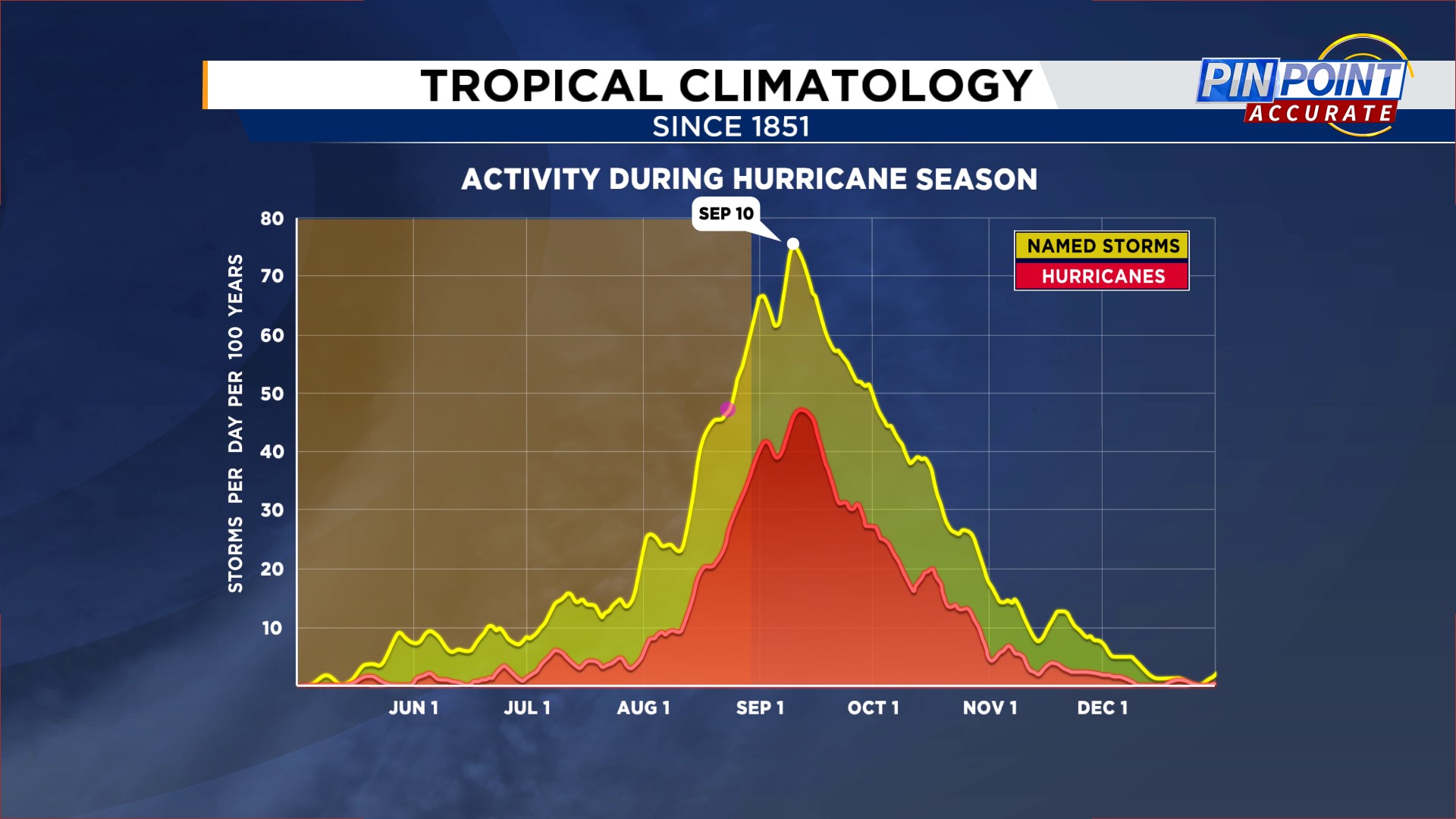
While November 30 is the official end date, the reality of hurricane season winding down is a gradual process tied to oceanic and atmospheric conditions. The risk doesn’t abruptly disappear on December 1, but rather it significantly diminishes.
For travelers, this understanding translates into a more strategic approach to planning. Booking a trip in early November, for instance, still carries a slightly elevated risk compared to a trip in mid-December. Conversely, a spectacular and rare late-season hurricane can disrupt plans even after the official end date, though such occurrences are infrequent.
The most prudent approach for any traveler to Florida is to acknowledge the official season from June 1 to November 30. Within this period, understanding the heightened risk from mid-August to October is crucial. By planning with flexibility, staying informed, and prioritizing safety, travelers can confidently enjoy the diverse attractions Florida has to offer, regardless of the season. The “all clear” for travelers is essentially when the sustained warm ocean temperatures and favorable atmospheric dynamics that fuel hurricanes consistently subside, which reliably occurs after November.
LifeOutOfTheBox is a participant in the Amazon Services LLC Associates Program, an affiliate advertising program designed to provide a means for sites to earn advertising fees by advertising and linking to Amazon.com. Amazon, the Amazon logo, AmazonSupply, and the AmazonSupply logo are trademarks of Amazon.com, Inc. or its affiliates. As an Amazon Associate we earn affiliate commissions from qualifying purchases.