
Florida’s warm, humid climate creates a paradise for residents and tourists alike, offering year-round sunshine and a plethora of outdoor activities. From the vibrant beaches of Miami to the theme parks of Orlando and the natural beauty of the Everglades National Park, the Sunshine State beckons travelers. However, this idyllic environment also serves as a prime breeding ground for pests, chief among them being termites. For visitors planning a trip to Florida, understanding “termite season” is crucial not only for property owners but also for travelers who might encounter them in hotels, rental properties, or when exploring natural attractions. While termites are present throughout the year, certain periods in Florida see significantly higher activity, particularly concerning their swarming phases.
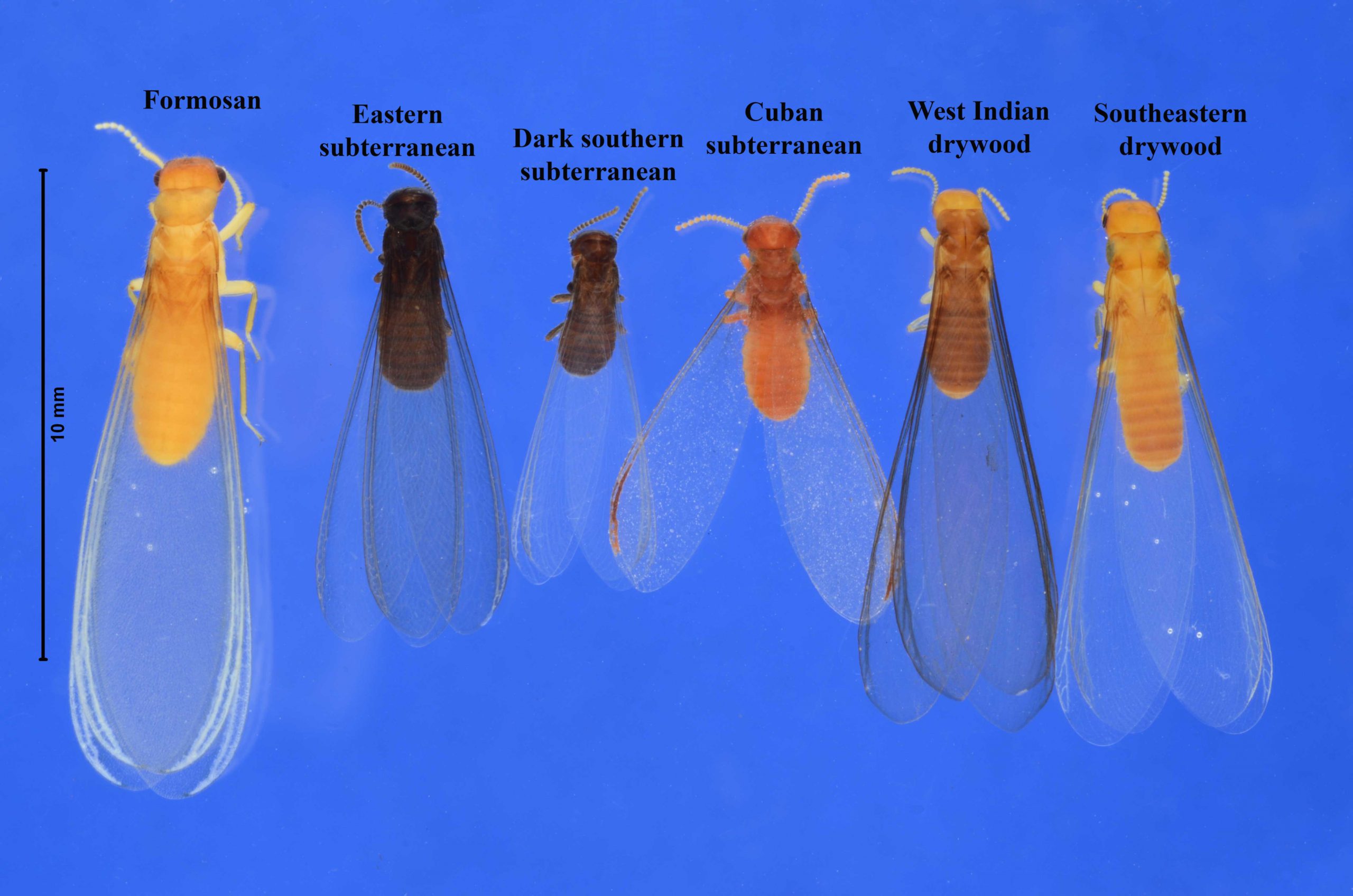
Understanding Termite Swarms in Florida
Termite swarms are perhaps the most visible indicator of termite activity. These swarms consist of winged reproductive termites (alates) that emerge from established colonies to mate and establish new colonies. This phenomenon is often mistaken for flying ants, but the presence of termites can signal potential structural damage to buildings. In Florida, the timing of these swarms is influenced by environmental factors like temperature and rainfall.
Subterranean Termites: The Most Common Culprits
The most prevalent type of termite in Florida is the subterranean termite. These insects live in underground colonies and build mud tubes to travel between their nest and food sources (wood). Their swarming season typically occurs in two main periods.
- Spring Swarming: The most significant swarm event for subterranean termites usually happens after a period of rain in the spring, often between March and May. Warm temperatures and increased soil moisture create ideal conditions for these termites to emerge. This is a critical time for homeowners and property managers to be vigilant.
- Fall Swarming: While less intense than the spring swarm, a secondary swarm can occur in the late summer or early fall, typically in September and October. This second wave is also triggered by specific weather patterns, often following heavy rains and warmer temperatures.
Drywood Termites: A Different Cycle
Florida also hosts drywood termites, which, as their name suggests, infest dry, seasoned wood and do not require contact with soil. They establish colonies within wooden structures, such as attics, furniture, and wall voids.
- Year-Round Activity with Peaks: Unlike subterranean termites, drywood termites tend to swarm throughout the year, but their activity significantly increases during warmer months. The primary swarming periods for drywood termites in Florida are generally from April to November, with peaks often observed in the spring and again in the late summer and early fall. This extended season means that drywood termites pose a threat for a larger portion of the year.
Dampwood Termites: Less Common but Present
Dampwood termites are less common in urban and suburban areas of Florida and are typically found in areas with high moisture content, such as decaying wood in forests or near water bodies. Their swarming behavior is less predictable and often tied to specific moisture levels and temperatures.
Why Termite Season Matters for Travelers

While tourists are unlikely to be directly responsible for termite control, understanding termite season in Florida can enhance their travel experience and awareness.
Accommodation Considerations
- Hotels and Resorts: Major tourist destinations like Orlando, Miami, and the Florida Keys boast numerous hotels, resorts, and vacation rentals. Reputable establishments maintain pest control programs and are generally well-equipped to manage termite issues. However, during peak swarming seasons, visitors might notice an increase in winged insects around exterior lighting or even inside certain areas of a property, especially older buildings. Observing such activity is not necessarily cause for alarm, as it likely reflects professional pest management efforts or the natural behavior of the insects outside.
- Vacation Rentals: For those opting for vacation rentals or villas, particularly in older or more rural areas, the possibility of encountering signs of termite activity might be slightly higher. While property owners are responsible for maintenance, being aware of potential issues allows travelers to communicate any concerns discreetly if they arise. Observing discarded wings (a common sign after a swarm) or small fecal pellets (frass) around wooden furniture or window frames could indicate drywood termite presence.
- Building Age and Location: Older hotels or rentals, especially those with significant wooden architectural features or located near wooded areas or water, might be more susceptible. The architectural style of many historic buildings in cities like St. Augustine could also present more environments for termites to inhabit if not rigorously maintained.
Outdoor Activities and Natural Attractions
- Parks and Nature Preserves: Florida is celebrated for its natural beauty, from the Everglades National Park to numerous state parks and beaches. Termites play a vital role in the ecosystem, breaking down dead wood. While you won’t typically see swarms in the middle of a protected wilderness area unless near a structure, you might observe decaying trees or fallen logs. This is natural and part of the forest’s life cycle.
- Picnics and Outdoor Dining: When enjoying a picnic or dining al fresco, especially in the evenings when lights attract insects, it’s possible to encounter various flying insects. While most will be harmless, a swarm of termites might briefly join the mix. This is a transient event and usually subsides quickly.
- Gardens and Green Spaces: Many resorts and attractions feature lush gardens and landscaping. While these areas are generally managed, the presence of decaying organic matter means termites are part of the local fauna.
Preparing for Your Florida Trip: Proactive Measures and Awareness
For travelers to Florida, the focus should be on enjoying the state’s attractions, but a degree of awareness can prevent unnecessary concern.
During Your Stay
- Observe Your Surroundings: If staying in a hotel or rental, take a moment to observe the general condition of the property. While you are not expected to conduct inspections, a general sense of cleanliness and maintenance can be reassuring.
- Report Concerns (If Necessary): In the unlikely event of a significant termite swarm inside your accommodation or a noticeable infestation, discreetly inform the hotel management or property owner. Reputable establishments will address such concerns promptly.
- Enjoy the Outdoors: Do not let the possibility of termites detract from Florida’s incredible outdoor experiences. The vast majority of visitors will have no issues whatsoever. Termite swarms are a natural phenomenon, and encounters are usually brief and non-disruptive.
Beyond Termite Season: Year-Round Vigilance
While “termite season” refers to peak swarming periods, termites are active in Florida year-round. This means that even outside the main swarm months, they are present and can cause damage. Property owners in Florida, including those who own vacation homes or rental properties, should maintain ongoing pest control strategies regardless of the season. For travelers, this underscores the importance of choosing well-maintained accommodations.

Conclusion: Enjoying Florida’s Bounty with Awareness
Florida offers an unparalleled vacation experience, from its pristine beaches and vibrant nightlife in South Beach to its family-friendly attractions in Orlando and its unique ecosystems like the Florida Keys. While termites are a natural part of the Florida environment, particularly active during specific swarming seasons in spring and fall, their presence typically has minimal impact on the average tourist. By understanding when termite activity peaks and choosing reputable accommodations, travelers can ensure a worry-free and enjoyable trip, fully immersing themselves in the beauty and excitement that the Sunshine State has to offer. For residents and property owners, vigilance throughout the year, especially during the identified swarming periods, is key to protecting their investments and ensuring the longevity of their homes.
LifeOutOfTheBox is a participant in the Amazon Services LLC Associates Program, an affiliate advertising program designed to provide a means for sites to earn advertising fees by advertising and linking to Amazon.com. Amazon, the Amazon logo, AmazonSupply, and the AmazonSupply logo are trademarks of Amazon.com, Inc. or its affiliates. As an Amazon Associate we earn affiliate commissions from qualifying purchases.